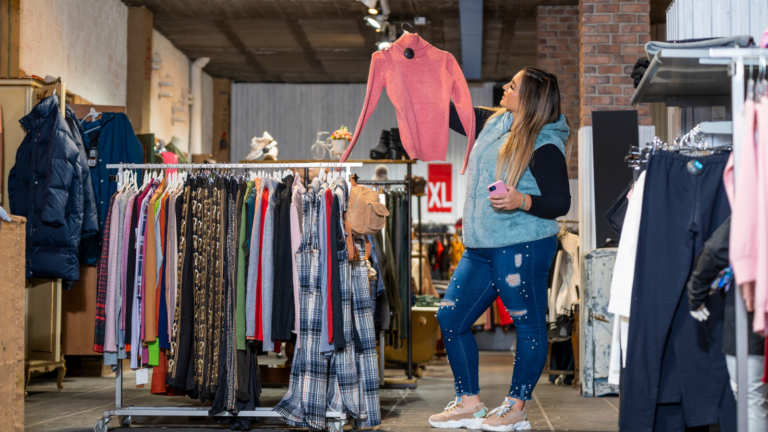

Most American women do not have the body that popular culture keeps presenting as the romantic ideal.
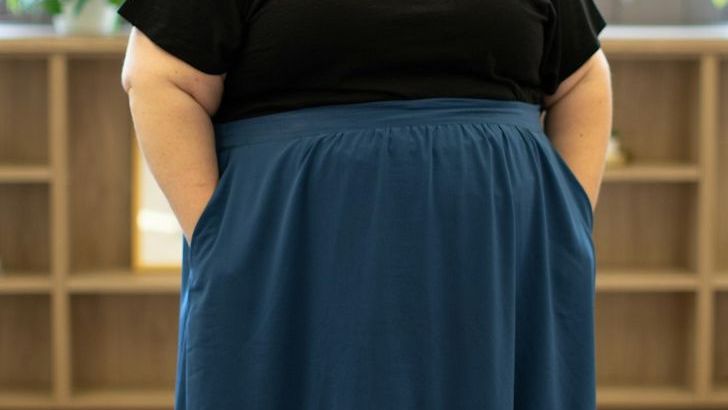
Around two-thirds of U.S. women wear a size 14 or above, according to Forbes, yet television, advertising, bridal campaigns, and fashion still overwhelmingly center much smaller bodies when telling stories about love. That mismatch matters because cultural expectations influence what people come to see as desirable, ordinary, and worthy of affection.
When the images surrounding romance rarely resemble the women living it, many enter relationships carrying doubts that did not begin with their partners. They began with years of being told, directly and indirectly, who gets cast as someone worth falling for.
Dating Apps Filter Them Out Before a Conversation Starts

A qualitative study led by Eric Filice, a public health researcher at the University of Waterloo, found that weight stigma on Grindr was perpetuated both by individual users and by the app’s design, as its preset body descriptors did not include an option to acknowledge being overweight. In the findings, weight stigma was perpetuated by individual users and embedded within the app’s information architecture.
Participants in that study described their bodies being scrutinized in ways that shaped whether they were considered a viable match at all. Participants recalled their body weight or shape being scrutinized for allegedly being incompatible with their gender expression or preferred position.
While Filice’s research focused on gay and bisexual men, it names a mechanism, exclusion built into app architecture itself, that broader dating app literature has since found operating across user groups more generally. A rejection that once required a face-to-face conversation now happens silently, encoded into a dropdown menu.
She Assumes Her Partner Sees the Same Flaws She Does

Women who feel worse about their own bodies are more likely to assume their partner feels the same disappointment, even when that assumption has no basis in the partner’s actual behavior.
Women dissatisfied with their physical appearance assume their romantic partner feels the same way, which predicts lower relationship satisfaction and sexual satisfaction. This is not paranoia; it is a documented pattern called projection bias, and it means the harshest critic in the room is frequently the woman herself.
A partner can compliment her all evening and still lose to a story she has already decided is true. The romance she is missing may not be absent. It may be unheard of.
Bedroom Confidence Quietly Decides How Loved She Feels

Sexual frequency is not just a symptom of a good relationship; it can also be one of the ways intimacy and satisfaction grow over time.
Feeling sexually attractive often shapes how comfortably a woman initiates, receives, and enjoys physical closeness. The crucial factor is not whether her body matches an ideal but whether she believes she is desirable.
A woman convinced that her body makes her unworthy of being wanted may withdraw from the very intimacy that could reassure her otherwise, creating a self-reinforcing cycle in which insecurity limits connection, and the lack of connection seems to confirm her fears.
The People Closest to Her Are Often the Harshest Critics

Yale’s Rudd Center found that when people who had experienced weight discrimination described their worst encounters, the source was rarely a stranger at all; close relationship partners such as friends, parents, and spouses were the most common source of their worst stigmatizing encounters.
That finding upends the assumption that romance is a refuge from a judgmental world. Sometimes the relationship is where the judgment lives, delivered in comments about portions, outfits, or old photographs, dressed up as concern.
A woman can feel unromanced not because affection is missing, but because it arrives bundled with commentary she never asked for.
The Bar for “Too Big” Sits Lower for Women Than for Men
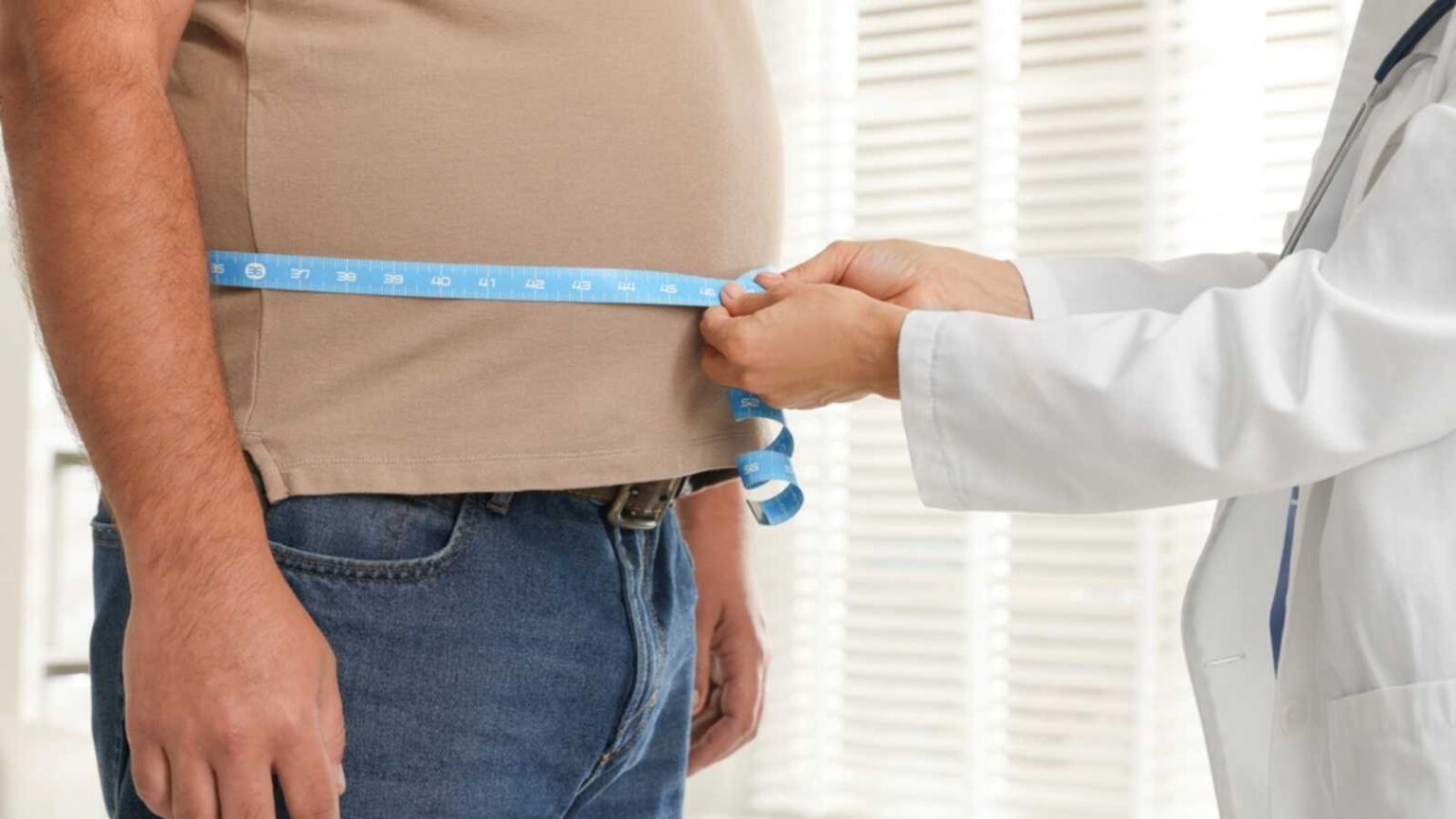
Weight stigma is not evenly distributed across genders, and the threshold for experiencing it attests to this.
Research summarized by obesity researcher Rebecca Puhl found that men typically report significant stigmatization only at a BMI of 35 or higher, while women report a marked increase in discrimination at a BMI of just 27. That gap means a woman can be objectively smaller than her male partner and still absorb more judgment for it.
Romance, in this context, is competing with a double standard that was never about the number on a scale so much as who gets to carry extra weight without penalty.
Fashion Built the Romantic Script Around a Body She Does Not Have
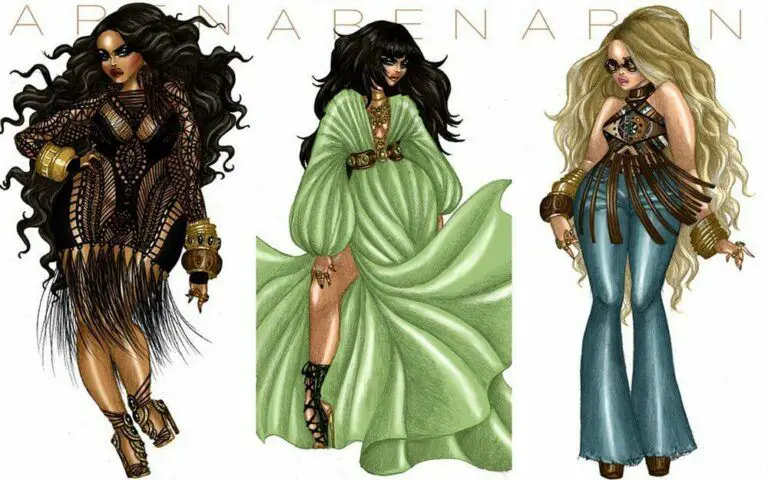
Long before therapy apps and dating algorithms, dressmakers were already deciding whose body got to look loved. The corsetry of the so-called Romantic period, roughly the 1830s onward, was engineered specifically to dramatize curvature and desirability through the waist and hips when the ideal vision of a woman’s body shifted toward greater curvature. Romantic-style corsets cinched the waist dramatically to achieve an hourglass effect.
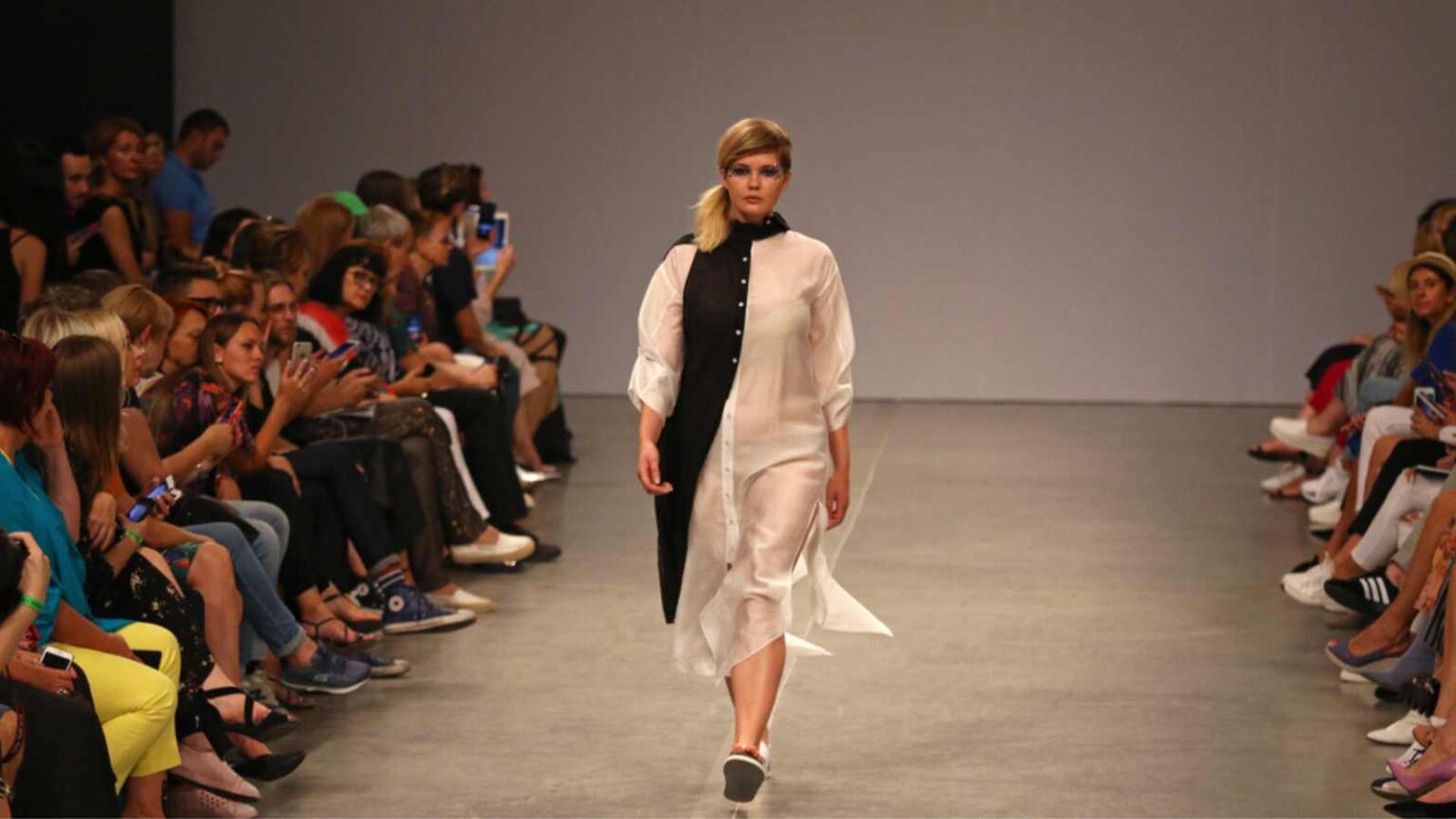
That construction logic never fully left fashion. It shows up today in how few designers cut for anything beyond it. On recent runways across four major fashion capitals, only a sliver of looks acknowledged bodies above a size 12, meaning the visual grammar of romance, from bridal gowns to red-carpet gowns, is still largely drawn from a silhouette most women do not have on the catwalks of New York, London, Paris and Milan in the fall-winter 2023 season.
Almost all of the 9,000-plus looks exhibited were in US sizes 0 to 4; only 0.6% were in sizes 14 and over.
Gaining Weight During a Relationship Reads as a Warning Sign
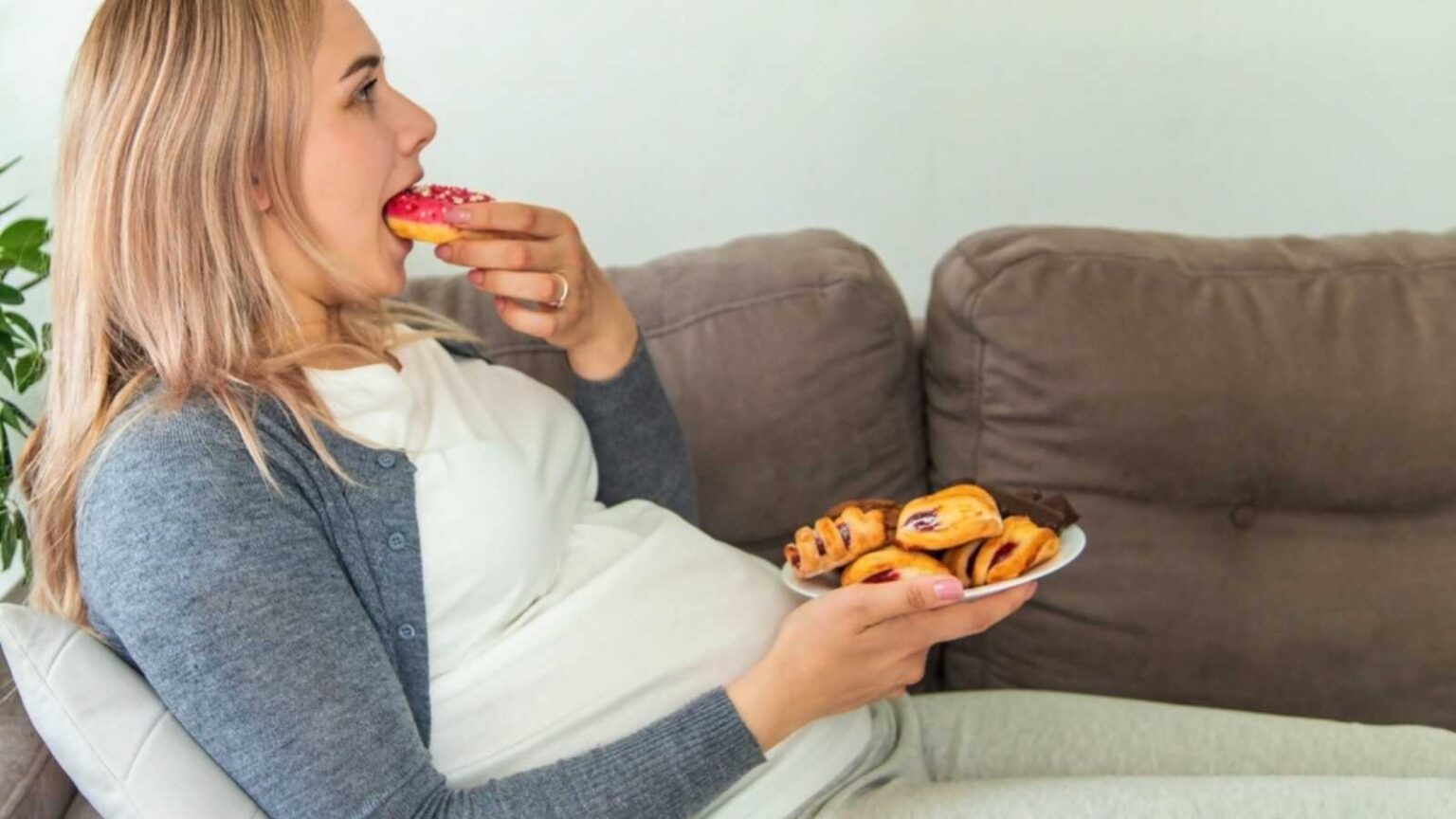
Weight fluctuations are normal over the course of a long partnership, yet they are rarely treated that way when a woman is the one gaining.
Shifts in a partner’s weight status are closely tied to how satisfied people feel with their bodies, and women in longer relationships tend to report more body dissatisfaction over time rather than less. Women in longer relationships experience more body dissatisfaction.
Women, too, tend to overestimate their partners’ dissatisfaction with their bodies to be greater than it actually is.
A body that changes with age, stress, or childbirth becomes something to apologize for instead of something a partner simply lives alongside. The comfort that is supposed to come with commitment can end up being replaced by quiet self-surveillance.
Hollywood Keeps Casting Her as the Friend
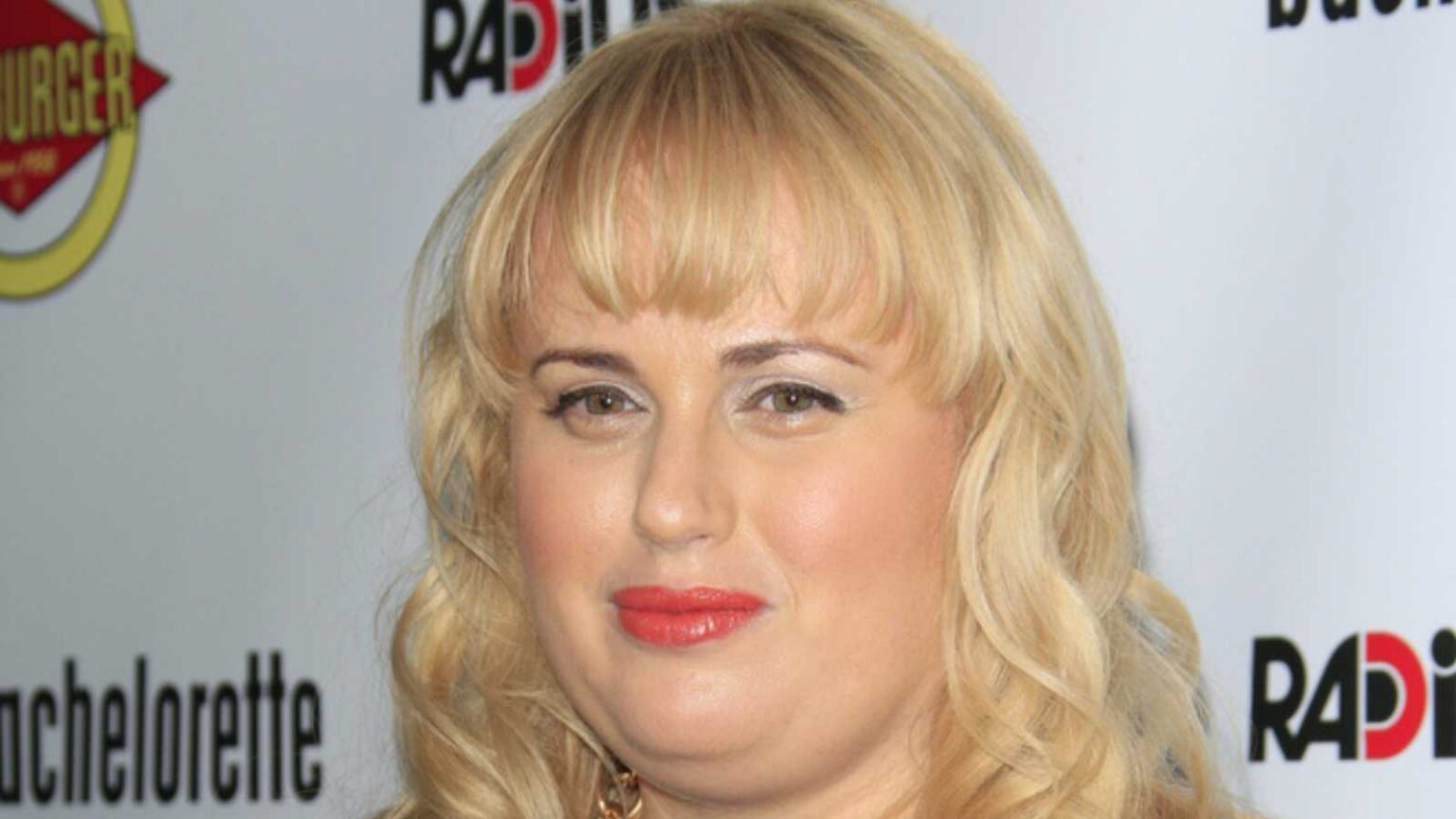
Romantic leads on screen have historically been portrayed as thin, regardless of how the general population actually looks.
One analysis noted that nearly 70% of American adults were overweight or living with obesity, yet that demographic majority was almost invisible as romantic protagonists, despite statistics that show that 40% of adults are obese and another 30% are overweight; this two-thirds of the American population is hardly portrayed onscreen.
When larger women did appear, their storylines tended to orbit their weight rather than move past it, with them cast as comic relief rather than as women worth pursuing. The fact that plus-size women in film are so rarely the romantic lead really says something about representation.
That absence teaches a quiet lesson before a woman ever enters a relationship: that her body is a subplot rather than a love story.
Being Noticed and Being Wanted Are Not the Same Thing
Visibility without desire has its own particular sting. Recent television has started correcting course, with critics noting how rare it still is to see a plus-size woman as a full romantic lead rather than a punchline.
Plus-size women have long been sidelined in romantic comedies, with their happy ever after typically conditional on them losing weight. Attention in public, meanwhile, frequently arrives as scrutiny rather than admiration, a stare that catalogs rather than appreciates.
The difference between those two forms of attention is exactly the gap many plus-size women describe feeling in relationships: seen constantly, romanced rarely.
The Stigma Itself, Not the Weight, Predicts How She Feels
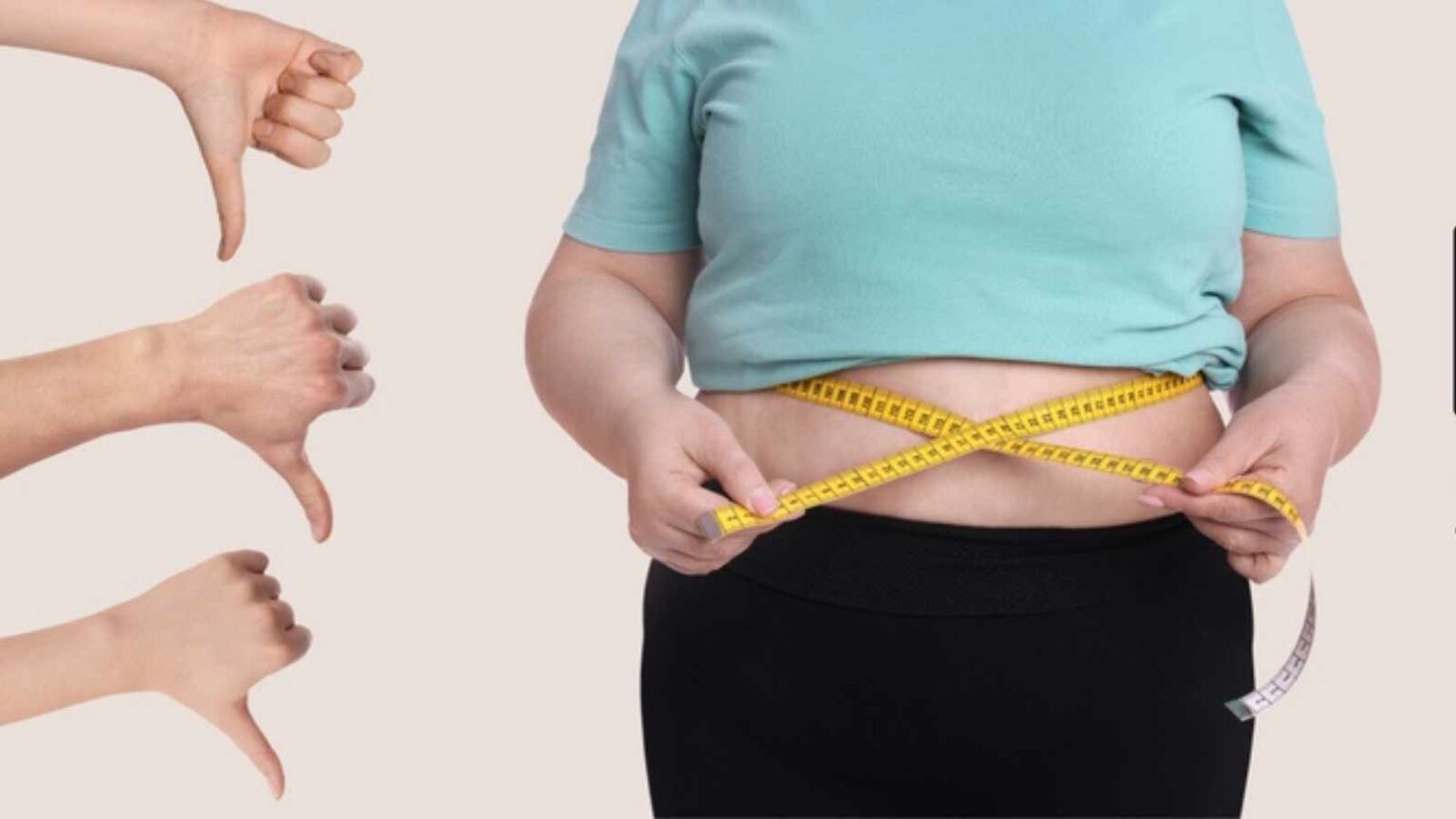
People often treat excess weight and the experience of being judged for it as the same thing, but they are not. Carrying extra weight is one experience; living under constant criticism, teasing, rejection, or the fear of being evaluated because of that weight is another entirely. The emotional burden often comes less from the number on the scale than from the messages a person absorbs about what that number supposedly says about their worth.
Romantic relationships can become places where those messages hurt the most. A dismissive comment, an unsolicited suggestion to lose weight, a lack of affection, or even the expectation of being judged can slowly erode confidence and emotional security. Over time, the anticipation of criticism may become as damaging as criticism itself, making it harder to feel relaxed, desired, or emotionally safe with a partner.
The result is a cycle in which stigma undermines mental well-being, strains intimacy, and affects the relationship as a whole. The evidence increasingly points to a simple distinction: the greatest harm often comes not from a person’s body, but from the way that body is treated. When respect and acceptance replace judgment, many of the emotional burdens associated with weight begin to ease, even if the person’s size has not changed.
Brands Know Better
The industry has evidence that kindness sells; it just has not fully acted on it.
A controlled study exposing women to body-affirming campaigns from Aerie and Dove found measurable gains in self-esteem and positive mood compared to campaigns built around a thin ideal. Women who viewed the Dove and Aerie campaigns reported significantly improved self-esteem and positive affect.
That data point should have rewritten the playbook years ago. Instead, most advertising aimed at romance, from lingerie catalogs to engagement ring campaigns, still leans on a narrow beauty standard, leaving plus-size women to absorb a cultural message that affection is reserved for a body type the market keeps signaling is the default.
Style Becomes an Act of Defiance
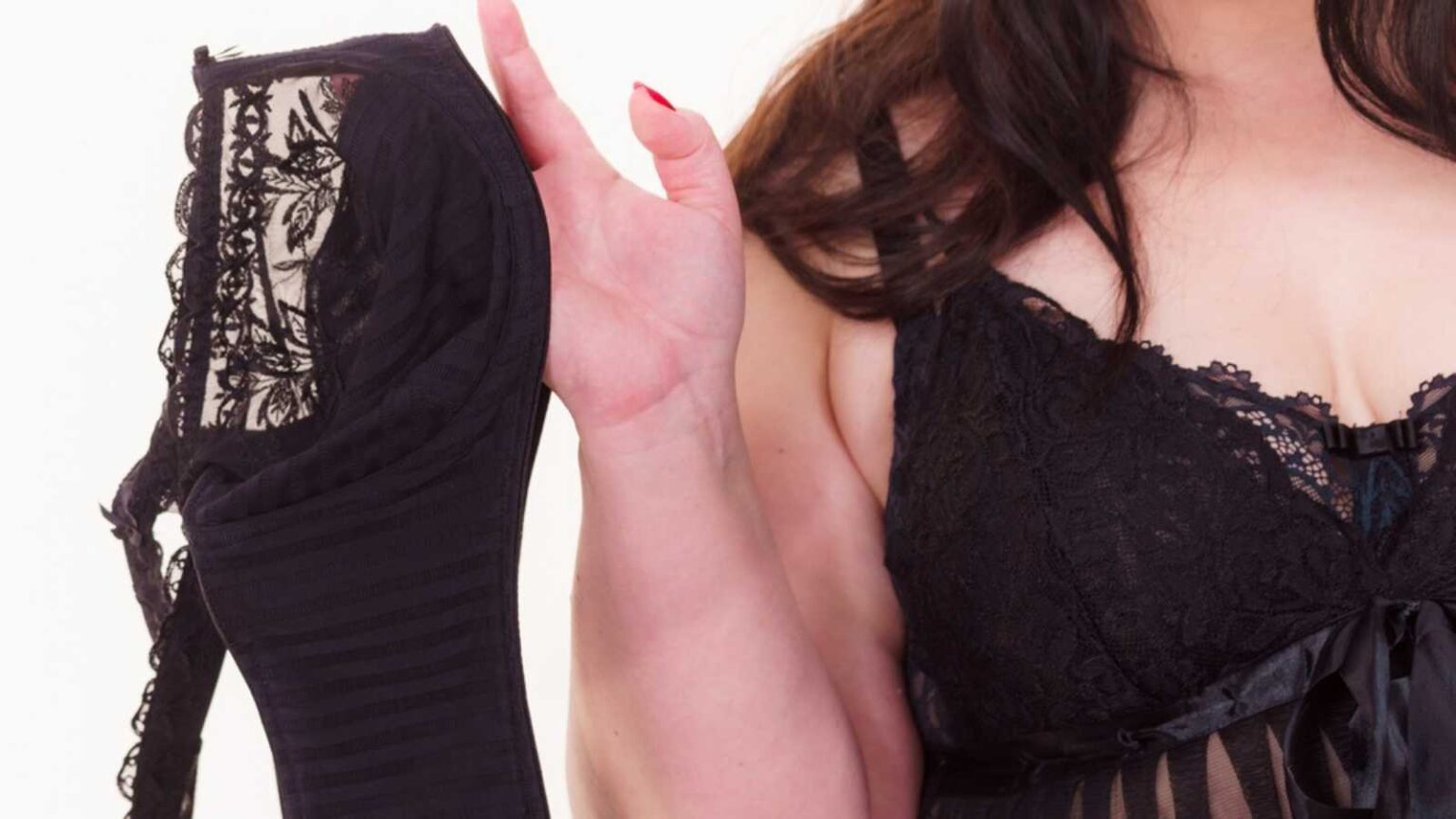
Self-purchase is supposed to be a small, ordinary pleasure, not a political statement. Yet the plus-size apparel and lingerie sector remains younger and thinner in options than its straight-size counterpart, with brands only recently expanding cup and band ranges that were standard elsewhere for years. Instead of limited S M L options, brands now offer inclusive fits across band and cup combinations, including plus-size and petite segments.
Fewer choices mean fewer chances to dress for romance on her own terms, and industry reports still list limited variety and inconsistent sizing as active constraints in the market rather than solved problems. One of the primary challenges is the persistent prevalence of limited sizing options and sizing inconsistencies across brands. Choosing something that makes her feel desired, in a market not fully built for her, becomes a small rebellion dressed up as a Tuesday errand.
Key Takeaways:

- Feeling less romanced often has more to do with stigma than body size. Bias, stereotypes, and cultural messaging can shape romantic experiences long before a relationship begins.
- Self-perception influences intimacy as much as partner behavior. Body image can affect confidence, communication, and emotional closeness, even when a partner is supportive.
- Society reinforces narrow ideals of who deserves romance. From dating apps to fashion and Hollywood, larger bodies are still underrepresented as desirable and romantic.
- Many relationship struggles stem from external pressures, not personal failings. Weight-based judgment, double standards, and unrealistic beauty expectations can strain connections and self-esteem.
- Feeling genuinely loved requires more than affection alone. Acceptance, emotional safety, and freedom from body-related criticism help create the conditions where romance can thrive.
Disclaimer: This list is solely the author’s opinion based on research and publicly available information. It is not intended to be professional advice.
Like our content? Be sure to follow us
MORE TCF GAMES