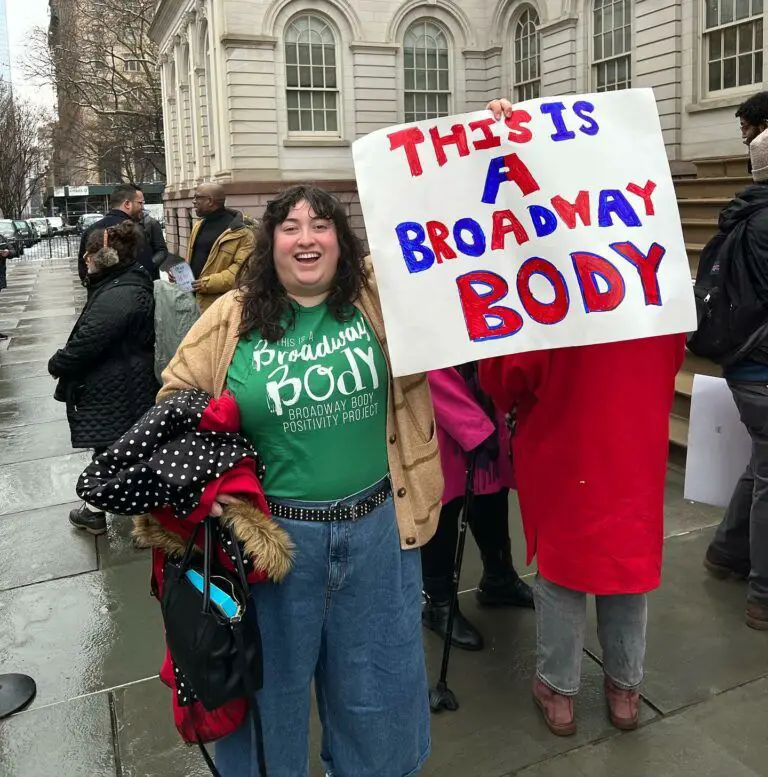

If you have ever felt dismissed by a provider, you have likely experienced medical gaslighting plus size people deal with far too often. Imagine this: you have spent all morning picking out the perfect outfit, and you are feeling like the absolute main character.
You walk into your doctor’s office because your shoulder has been acting up since you tried that new yoga pose, but before you can even say “downward dog,” the nurse is pointing toward that cold, metal square on the floor. You know the one. The Scale.
Suddenly, the vibe shifts from “I am here for medical expertise” to “I am a contestant on a reality show I never signed up for.”
If you have ever felt like your symptoms were being shoved into the background while your weight took center stage, welcome to the club. It is a phenomenon often called medical gaslighting, and for plus size women, it is as common as a bad Tinder date. But here is the thing: your body is not a problem to be solved, and your health concerns are valid regardless of your jeans size.
We are stepping into our Creative Director era today to redesign the patient experience. It is time to stop playing defense and start leading the conversation with the confidence of someone who knows her worth is not measured in pounds.
The Reality of the “Weight-Centric” Filter
Before we dive into the strategy, let’s get real about why medical gaslighting happens. For decades, the medical community has operated on a weight-centric model, which basically assumes that every ailment can be cured by a smaller waistline.
Research shows that many healthcare providers hold implicit biases against plus size patients, which leads to shorter appointments and less diagnostic testing. According to a study published in the Journal of General Internal Medicine, “We found that higher patient BMI was associated with lower physician respect”.
This bias creates a barrier to actual care. When a doctor attributes a broken toe or a skin rash to your weight, they aren’t practicing medicine; they are practicing prejudice. Knowing this isn’t meant to make you fearful, but rather to give you the “did you know” edge. When you realize the bias is their problem and not a reflection of your health, you gain the power to redirect the room.
Ways to Command the Exam Room
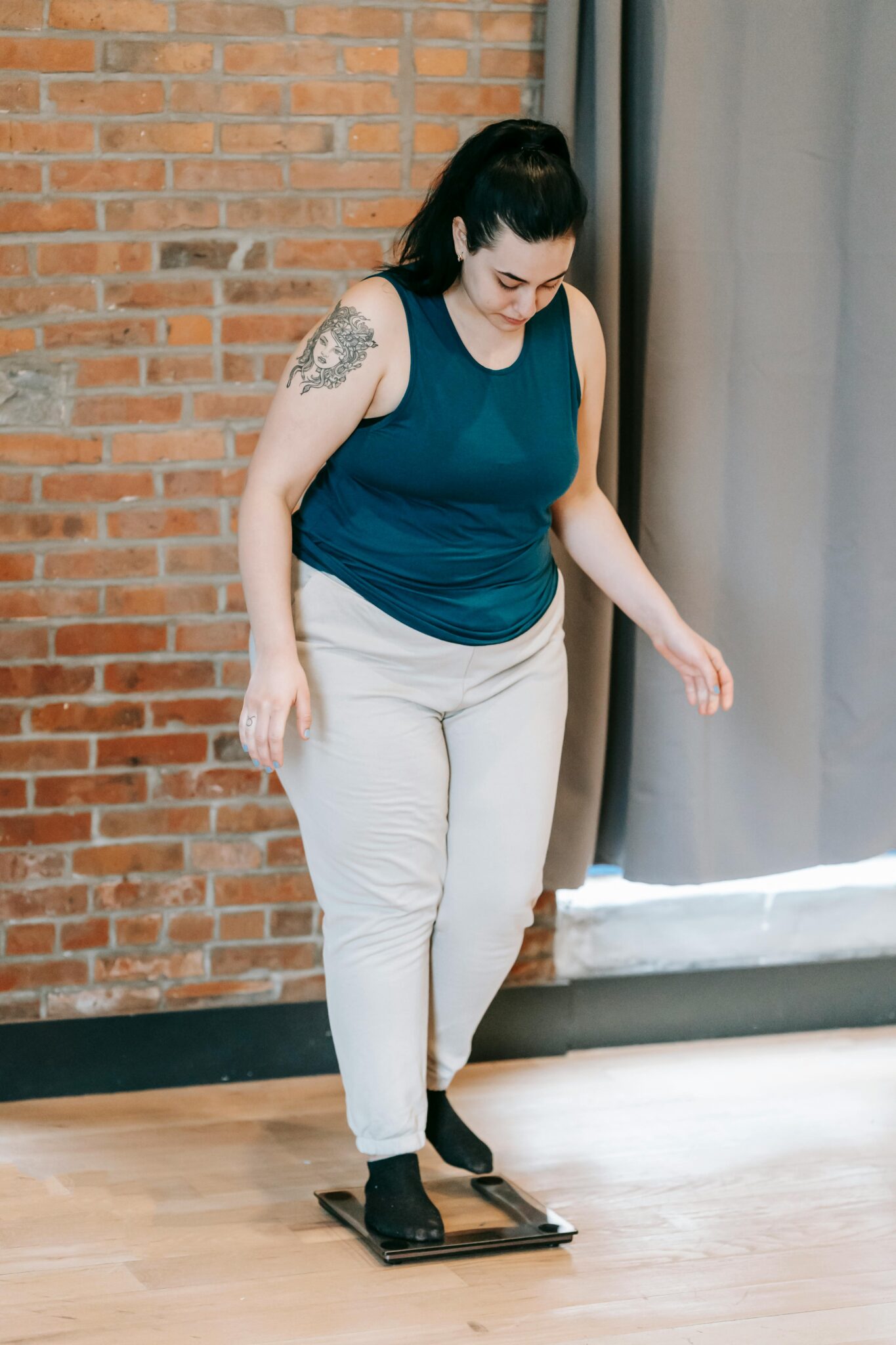
1. The “Respectful Refusal” of the Scale
Did you know that in most non-emergency cases, weighing in is actually optional? Unless you are being dosed for anesthesia or certain high-risk medications, that number often has zero impact on why you are there. You can politely say, “I prefer not to be weighed today as it is not relevant to my shoulder pain.” It is bold, it is chic, and it sets the tone that you are the boss of your body’s data.
2. Ask for the “Thin Person” Treatment
This is the ultimate pro-tip for navigating the medical gaslighting plus size people face. If a doctor suggests weight loss as a “cure” for your symptom, ask one simple question: “If a thin person came to you with these exact symptoms, what would the diagnostic path or treatment plan be?”
This forces the provider to look past the BMI chart and actually use their medical degree to find a solution.

3. Demand Documentation
There is something incredibly powerful about the phrase “Please note that in my chart.” If a doctor refuses to run a test you feel is necessary (like an MRI or blood work), ask them to document their refusal and the reason behind it.
Suddenly, accountability enters the room. Most providers will reconsider their “just lose weight” advice when they have to put their professional reputation on the line in writing.
4. Bring a Hype Person
Even the most confident can feel small in a paper gown. Bringing a friend or partner to act as an advocate can change the power dynamic and combat medical gaslighting. Having someone there to say, “She just told you the pain is at an eight; let’s discuss pain management,” ensures you aren’t being talked over.

5. Remember: You Are the Client
We often treat doctors like authority figures we need to please. In reality, you are a consumer of healthcare. If a doctor is dismissive, rude, or refuses to look past your size, you have every right to fire them. Your health is too important to leave in the hands of someone who doesn’t see the whole, fabulous picture of who you are.
Redefining the Wellness Narrative
It is time we stop apologizing for existing in plus size bodies while seeking healthcare. The narrative is shifting toward “Weight-Neutral” care, which focuses on health behaviors and metabolic markers rather than the gravitational pull of the Earth on your body.
As noted by the Association for Size Diversity and Health, “Health is a result of behaviors, genetics, and environment, not a number on a scale”. When we walk into those offices with this knowledge, we aren’t just patients; we are advocates for a better system.
We are entering an era where we demand more. We deserve doctors who celebrate our vibrancy and address our concerns with the same urgency they would give anyone else. By using these tools, you are not just getting through an appointment; you are teaching the medical world how to treat a queen.
So, the next time you see that scale, give it a wink and keep walking. You have much more important things to talk about.
Have you ever had a “lightbulb moment” where you stood up for yourself at the doctor’s office? Let us know in the comments below!
MORE TCF GAMES