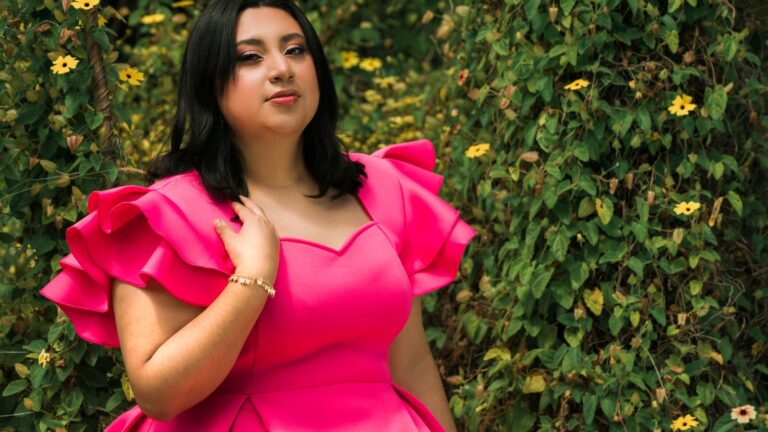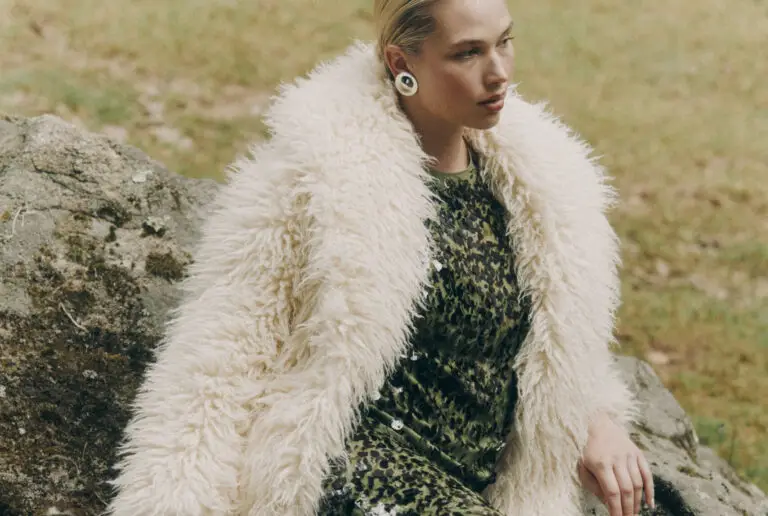

Shopping for clothes as a curvy woman often feels like running a marathon in high heels. Retailers promise inclusivity every spring and fall, yet the actual racks tell a completely different story. You walk into a store full of hope, only to find the same frustrating issues staring right back at you.
It is baffling how major brands continue to miss the mark year after year despite endless feedback from frustrated buyers. Brands seem to think adding more fabric to a straight size magically creates a perfect curvy fit. Let us look into the recurring mistakes designers keep making when dressing fuller figures.
Assuming Every Body Is Shaped Like An Hourglass
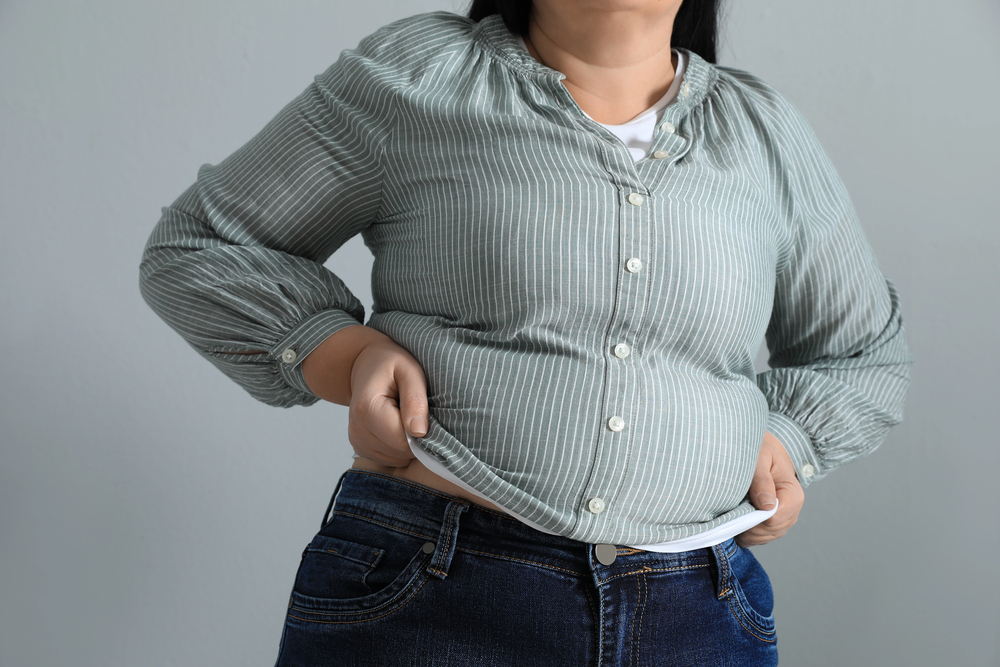
Brands consistently design for a singular curvy body type that features a small waist and wide hips. They completely ignore apple shapes, inverted triangles, and bodies that carry weight in the stomach. This narrow focus leaves millions of women with gaping waistbands or incredibly tight bodices.
A perfect pair of jeans for one person will absolutely not fit another person of the same size. Clothes need different cuts to accommodate diverse proportions instead of relying on a single template. True inclusivity means recognizing that beautiful bodies come in many distinct forms.
Thinking Black Is The Only Acceptable Color
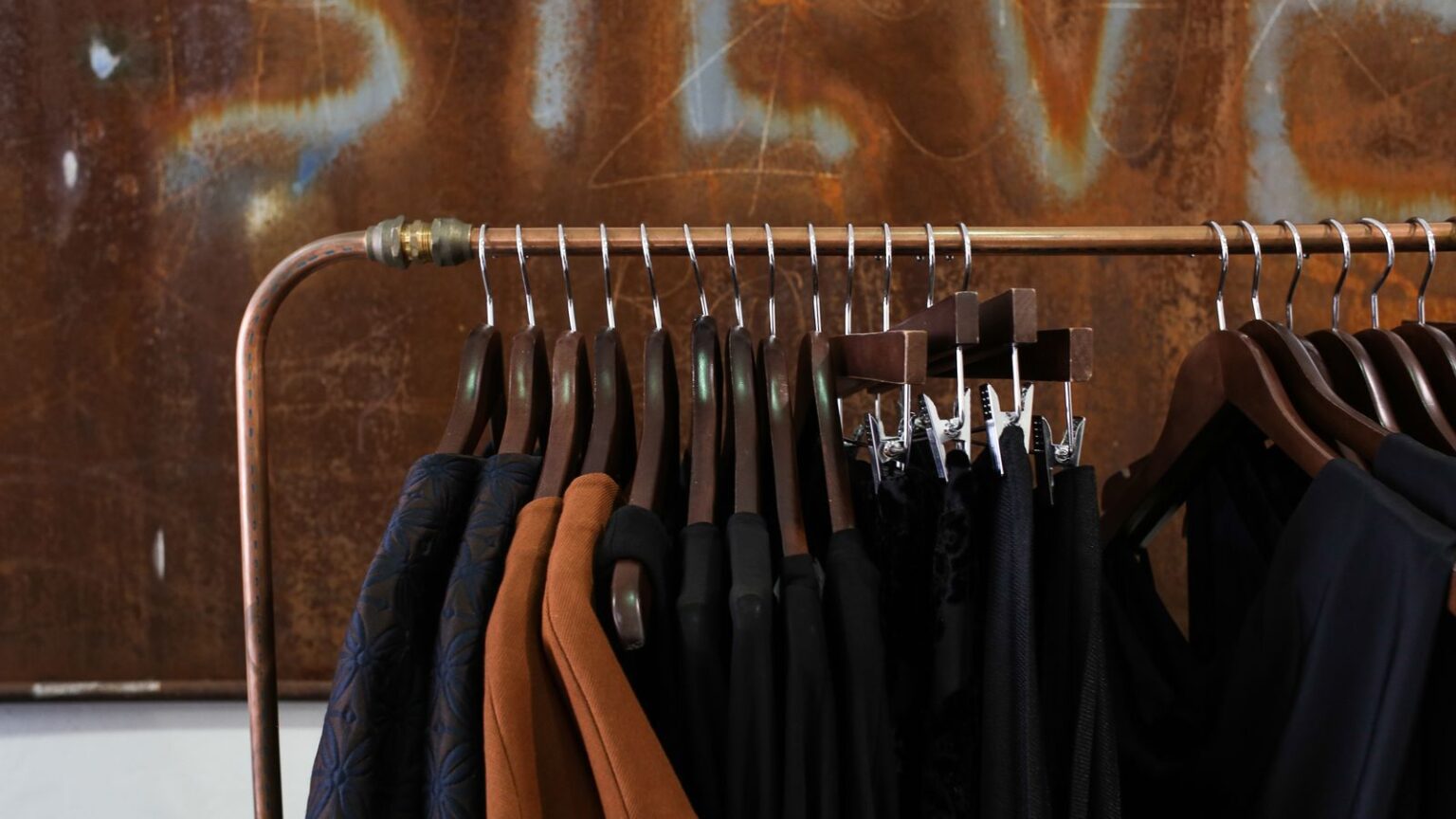
For some reason, designers believe curvy women want to hide in dark, muted tones every single day. Racks are heavily dominated by black, navy, and charcoal, while the straight sizes get vibrant seasonal palettes. We love a classic little black dress, but we also want bright yellows and stunning pinks.
Color is a joyful way to express personality and celebrate the changing seasons. Denying larger sizes access to bold hues is an outdated practice that needs to stop immediately. We deserve to shine bright in the sun just like everybody else.
Treating Plus Sizes As A Niche Market
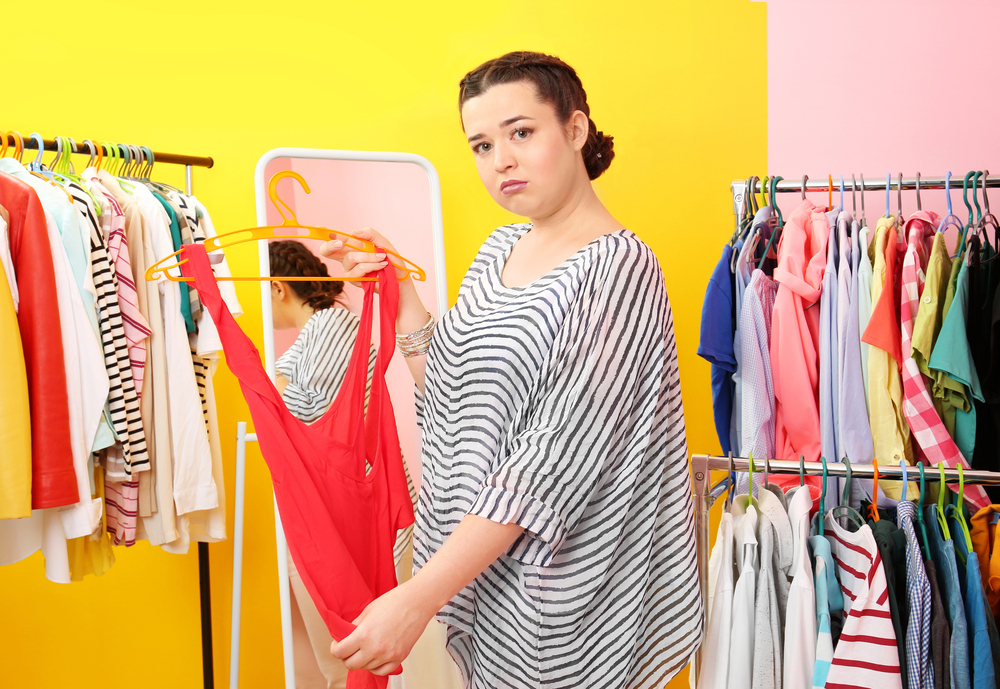
Many retailers still act like designing for bigger bodies is a risky or unprofitable side project. They hide the extended sizes in a tiny, depressing corner at the back of the store. Market Growth Reports found that over 68 percent of American women wear a size 14 or above.
This demographic represents the vast majority of shoppers rather than an obscure minority group. Brands are literally leaving money on the table by refusing to cater adequately to the average consumer. It is time to center these shoppers instead of treating them as an afterthought.
Using Flimsy Fabrics That Cling In Uncomfortable Ways
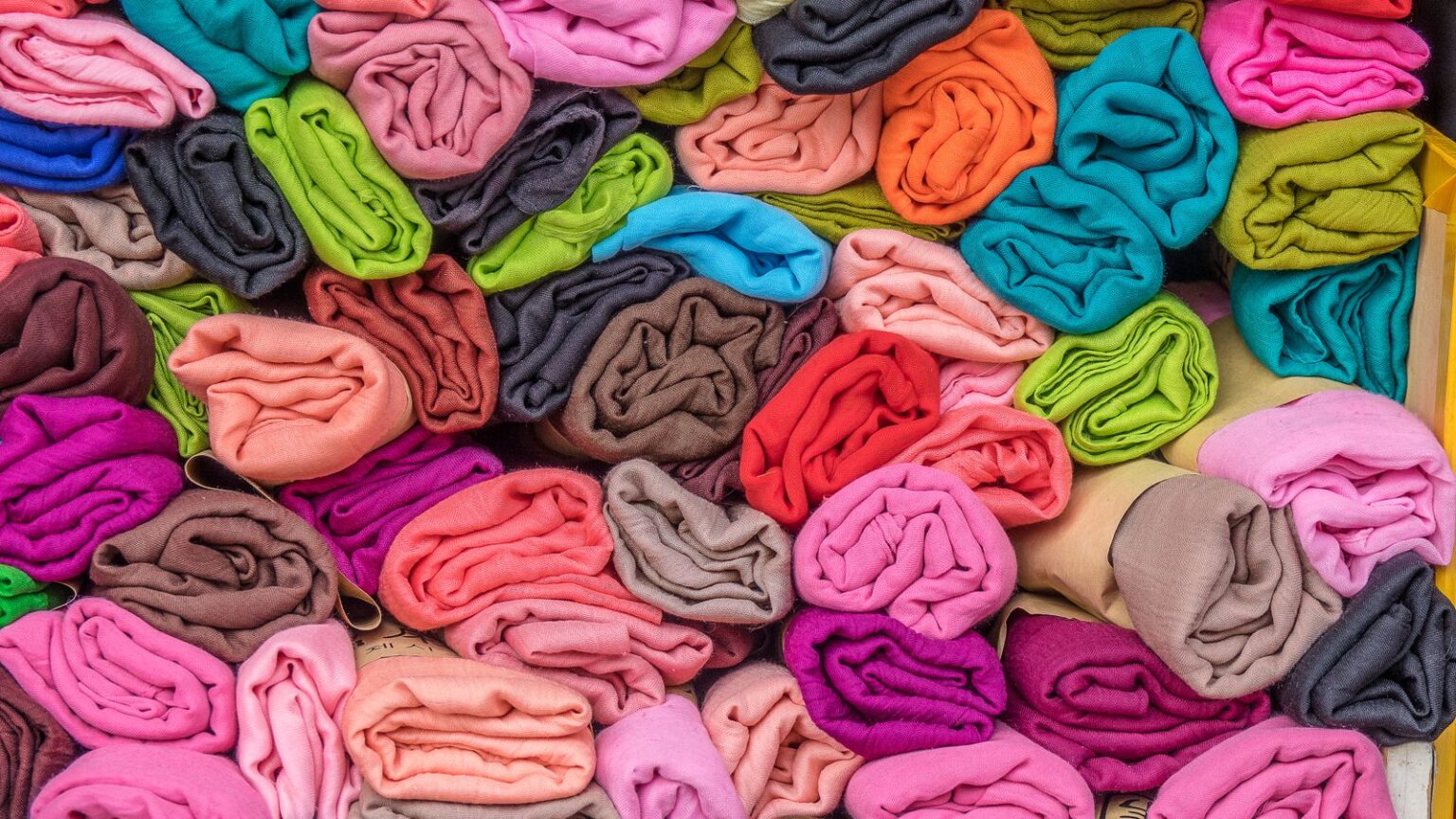
Cheap polyester and ultra-thin cotton are the enemies of a comfortable and flattering fit. Designers often use these low-quality materials to cut costs on garments requiring more yardage. The result is clothing that rides up, rolls down, and clings exactly where you do not want it to cling.
Curvy figures need structure, support, and fabrics that actually breathe during hot summer afternoons. High-quality materials like heavy knits and linen blends drape beautifully on larger bodies. Spending a little extra on good textiles makes a massive difference in how the garment looks and feels.
Putting Cold Shoulder Cutouts On Everything
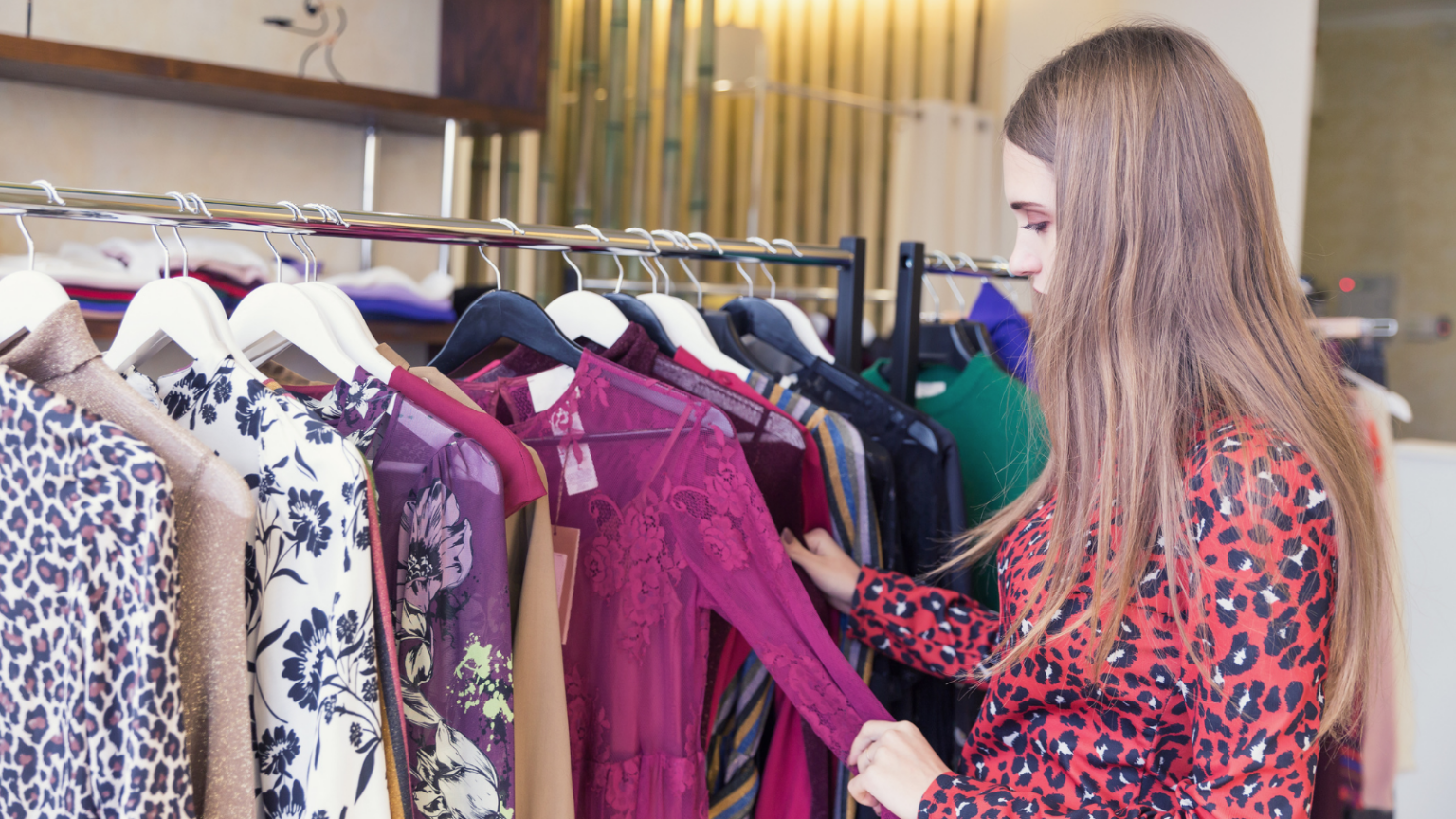
The obsession with exposing our shoulders has gone on for entirely too many years. Every time a new spring line drops, half the tops feature these random and unnecessary holes. It feels like designers do not know what to do with sleeves, so they just chop pieces out.
We just want normal, stylish shirts that can be worn to a standard office job. Constantly cutting out the shoulders ruins the structure of the blouse and creates awkward tan lines. Please give us full sleeves, short sleeves, or no sleeves without the bizarre missing patches.
Scaling Up Straight Sizes Without Changing Proportions
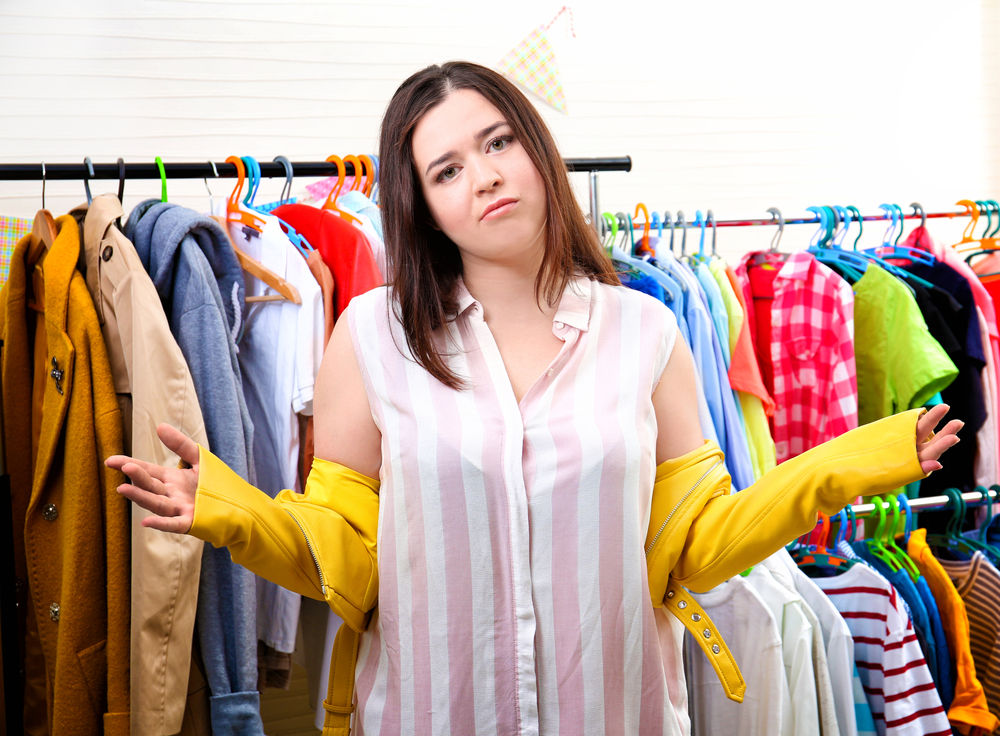
Taking a size zero pattern and simply making it bigger does not create a functional size eighteen. The armholes get ridiculously massive, while the chest area remains awkwardly tight. WWD reported that inclusive sizing options make up just 19 percent of all women’s apparel assortments.
This lazy grading process leads to necklines that plunge entirely too far down the torso. Designers must invest in fit models of various sizes to understand how the garment actually rests on a body. True design requires drafting new patterns specifically for fuller figures.
Refusing To Offer Petite And Tall Options
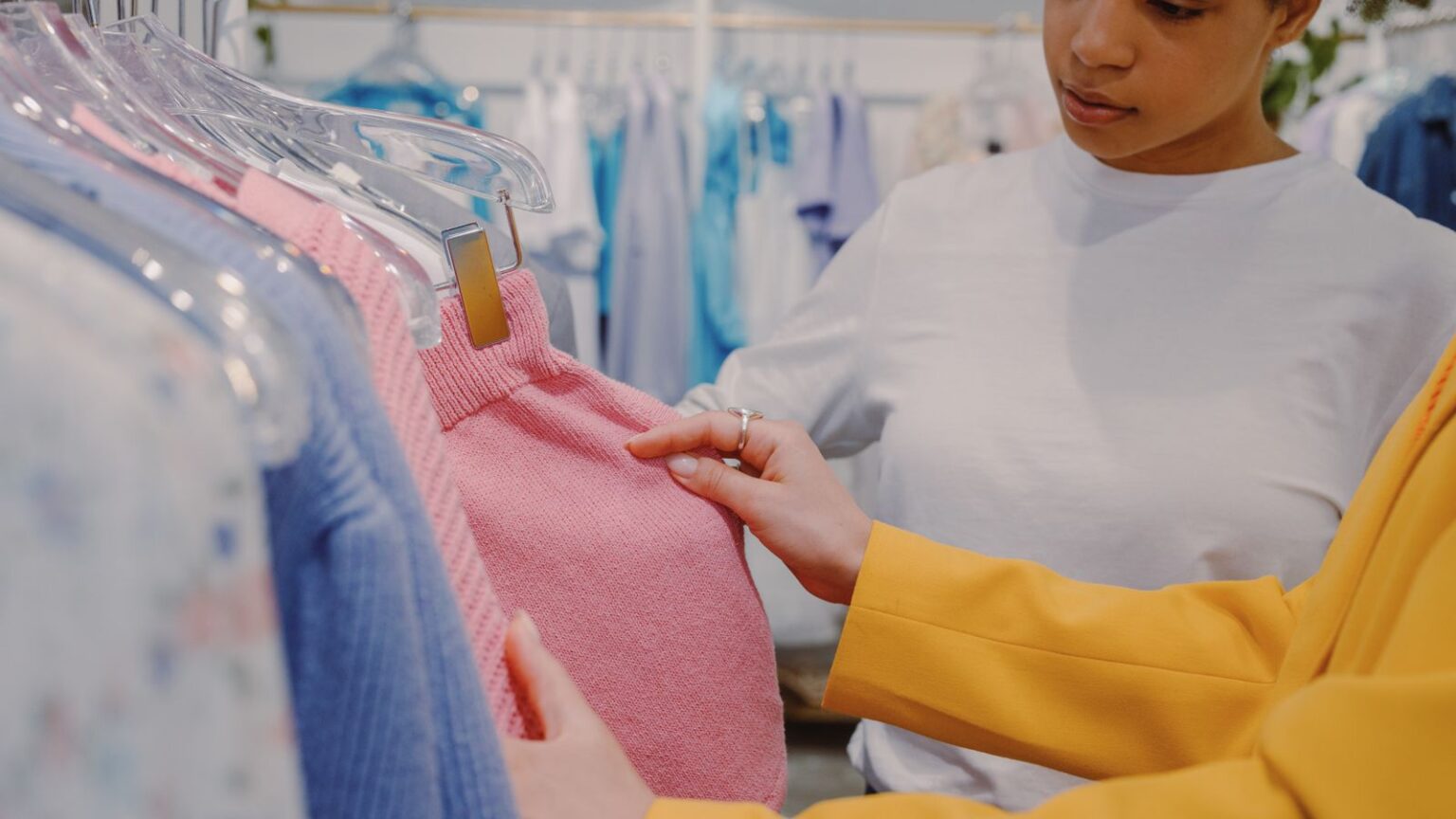
The industry assumes that being curvy automatically means you are exactly five feet six inches tall. Women who are short and full-figured end up tripping over pants that drag on the floor. Meanwhile, tall women are left with trousers that stop awkwardly above their ankles.
Height diversity is completely ignored in the extended sizing sections of major department stores. Creating different inseam lengths is a basic courtesy that makes shopping significantly less frustrating. Everyone deserves pants that hit right at the shoe without requiring a trip to the seamstress.
Believing We Do Not Want To Wear Crop Tops
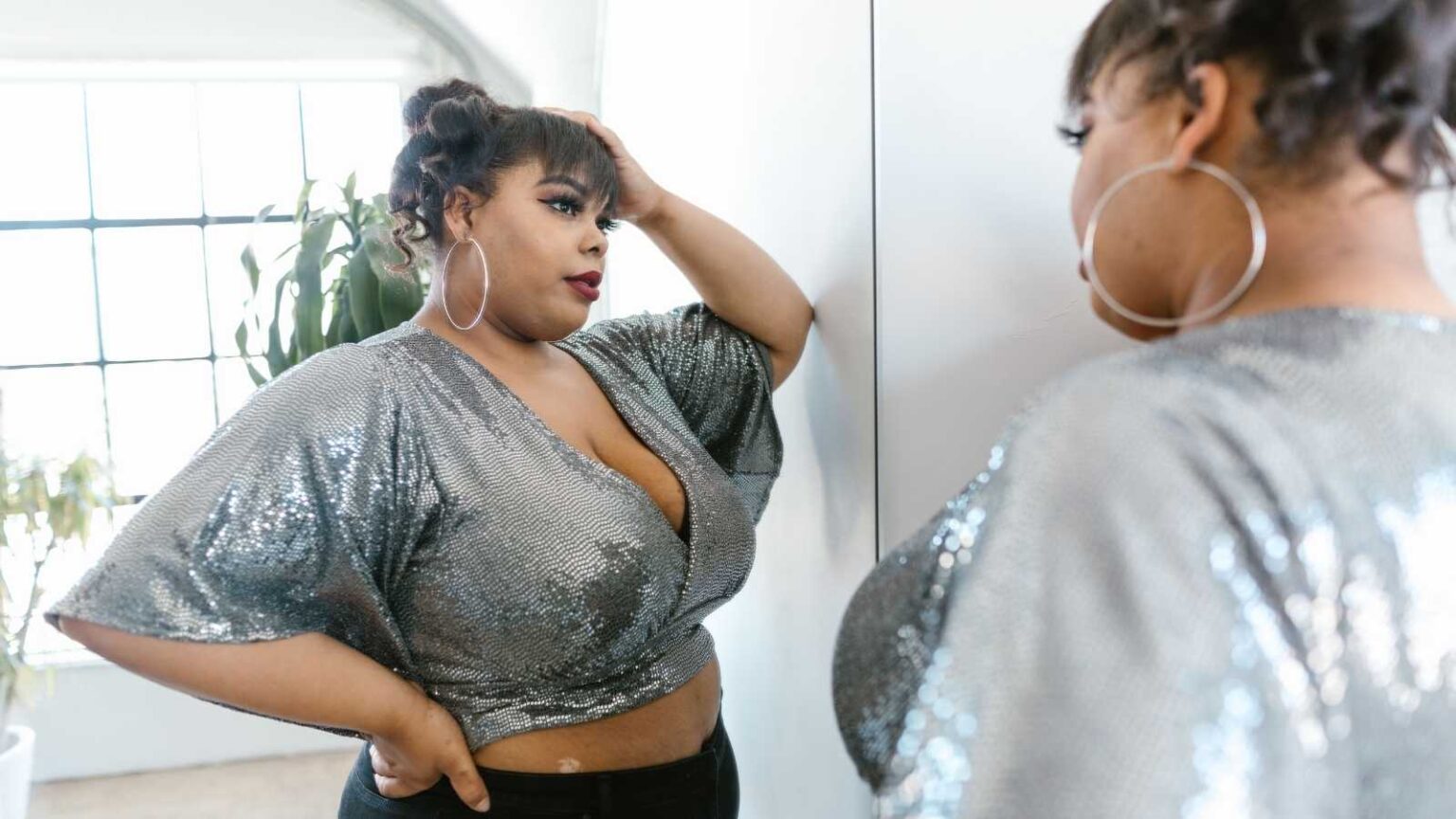
There is a stubborn myth that heavier women want to keep their stomachs completely hidden at all times. Summer collections consistently feature long tunics and oversized shirts meant to conceal the midsection. The truth is that crop tops paired with high-waisted skirts or jeans look incredibly stylish on fuller figures.
We enjoy following modern trends and showing a little bit of skin on a hot day. The fashion industry needs to drop the outdated modesty rules and let us participate in current fads. A cute, abbreviated shirt is a staple piece that belongs in every single closet.
Slapping Giant Floral Prints On Every Dress
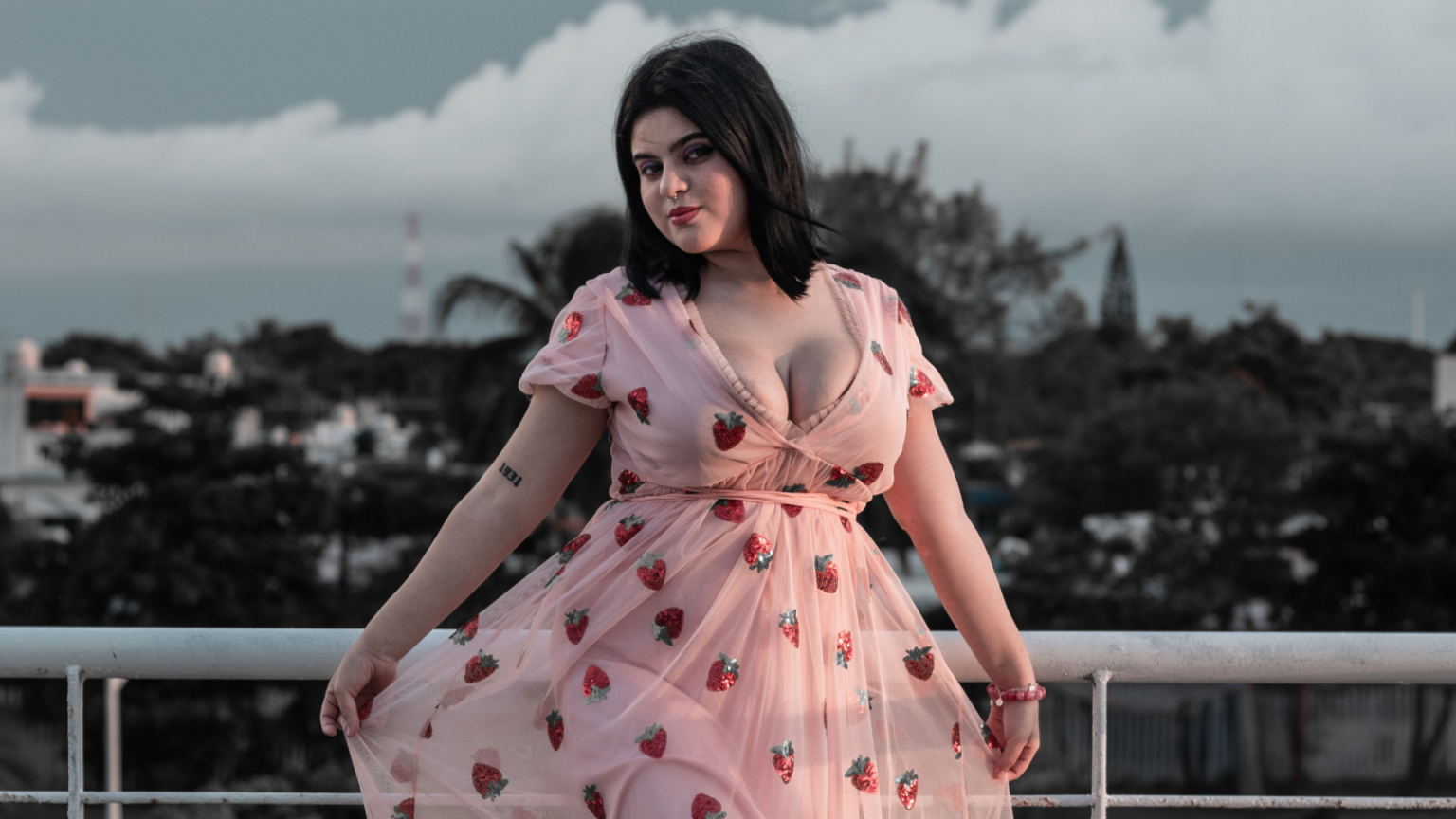
Walk into any extended size section, and you will be blinded by massive, overwhelming flower patterns. It is as if designers think we want to look like walking living room curtains from the seventies. A 2023 report by Statista noted the plus-size women’s clothing market in the United States was valued at 12 billion dollars.
With that kind of spending power, we certainly deserve better than repetitive and lazy graphics. We crave chic solids, delicate stripes, and modern geometric shapes instead of chaotic gardens. Variety is the spice of life, and our closets desperately need a break from the blooms.
Designing Flimsy Activewear That Offers No Support
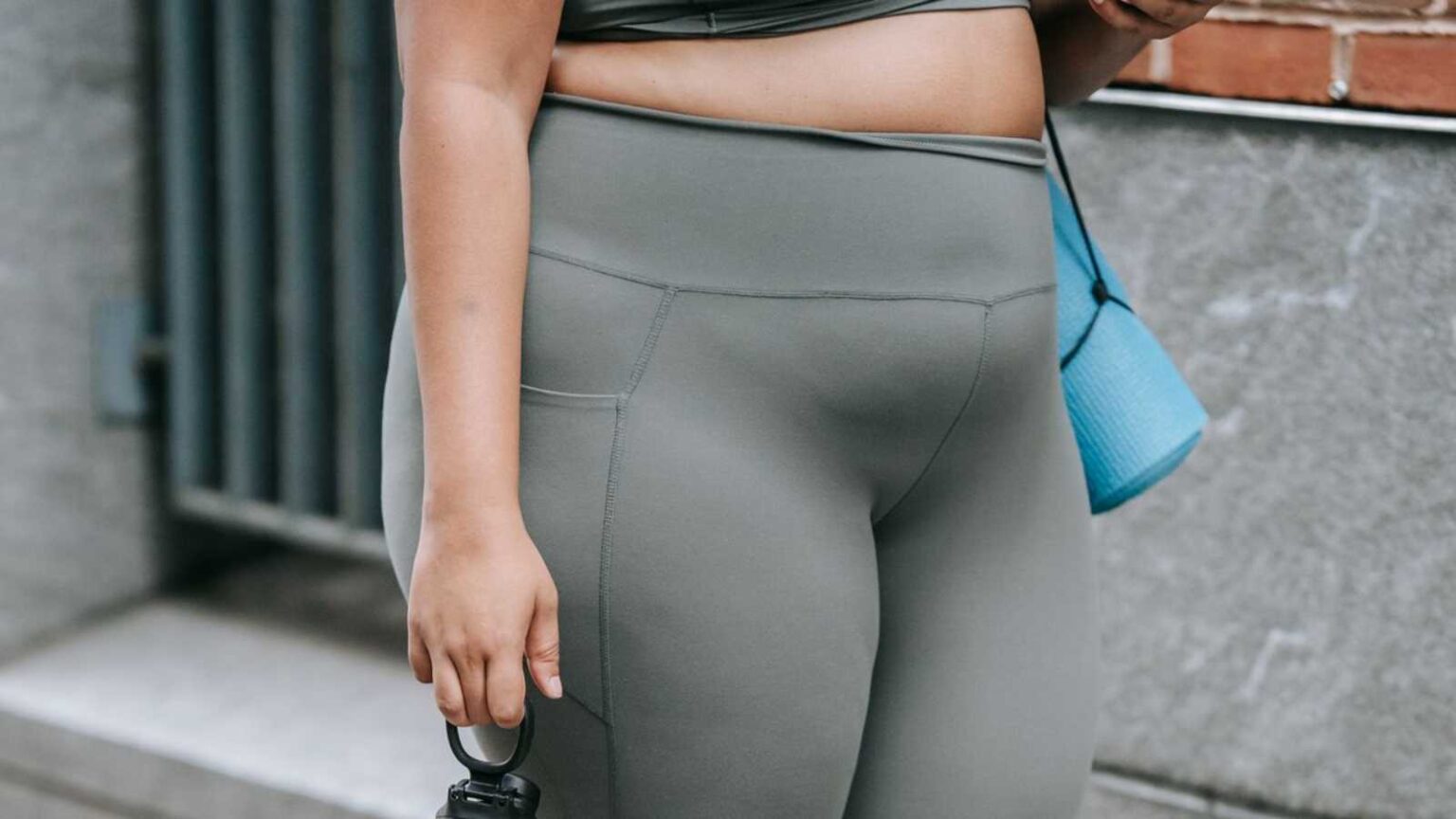
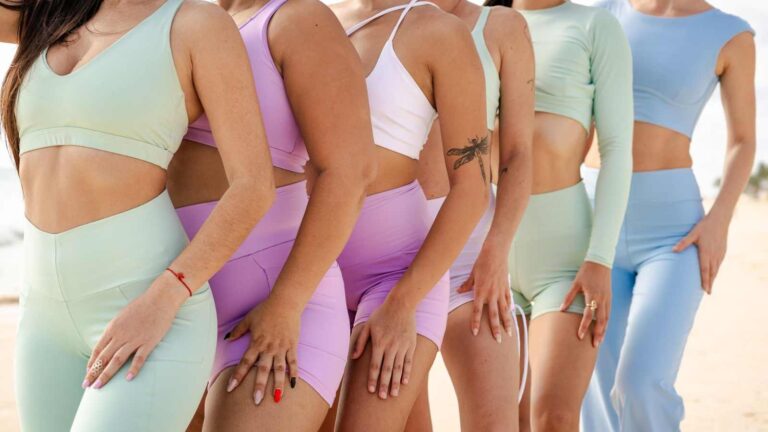
Working out requires gear that stays firmly in place while we move, stretch, and sweat. Many brands release activewear that turns completely sheer the second you bend over for a stretch. The waistbands roll down constantly, causing endless annoyance during a yoga class or a morning jog.
Leggings need compression, high waists, and durable seams to handle rigorous daily activities. Sports bras must provide actual structural lift rather than just covering the chest in thin spandex. Fitness is for everybody, and our exercise apparel needs to reflect that basic reality.
Keeping Physical Stores Completely Empty Of Stock

Brands often boast about their inclusive size ranges online while keeping physical stores empty. We want the luxury of browsing racks, feeling fabrics, and trying things on in a fitting room. Forcing larger women to order exclusively from the internet feels incredibly alienating and unfair.
Returning clothes through the mail is a tedious chore that nobody actually enjoys doing. Retailers need to dedicate equal floor space to all sizes so everyone can shop together socially. A true shopping experience happens in person with friends, not just clicking buttons on a screen.
Creating Shapewear That Feels Like A Torture Device
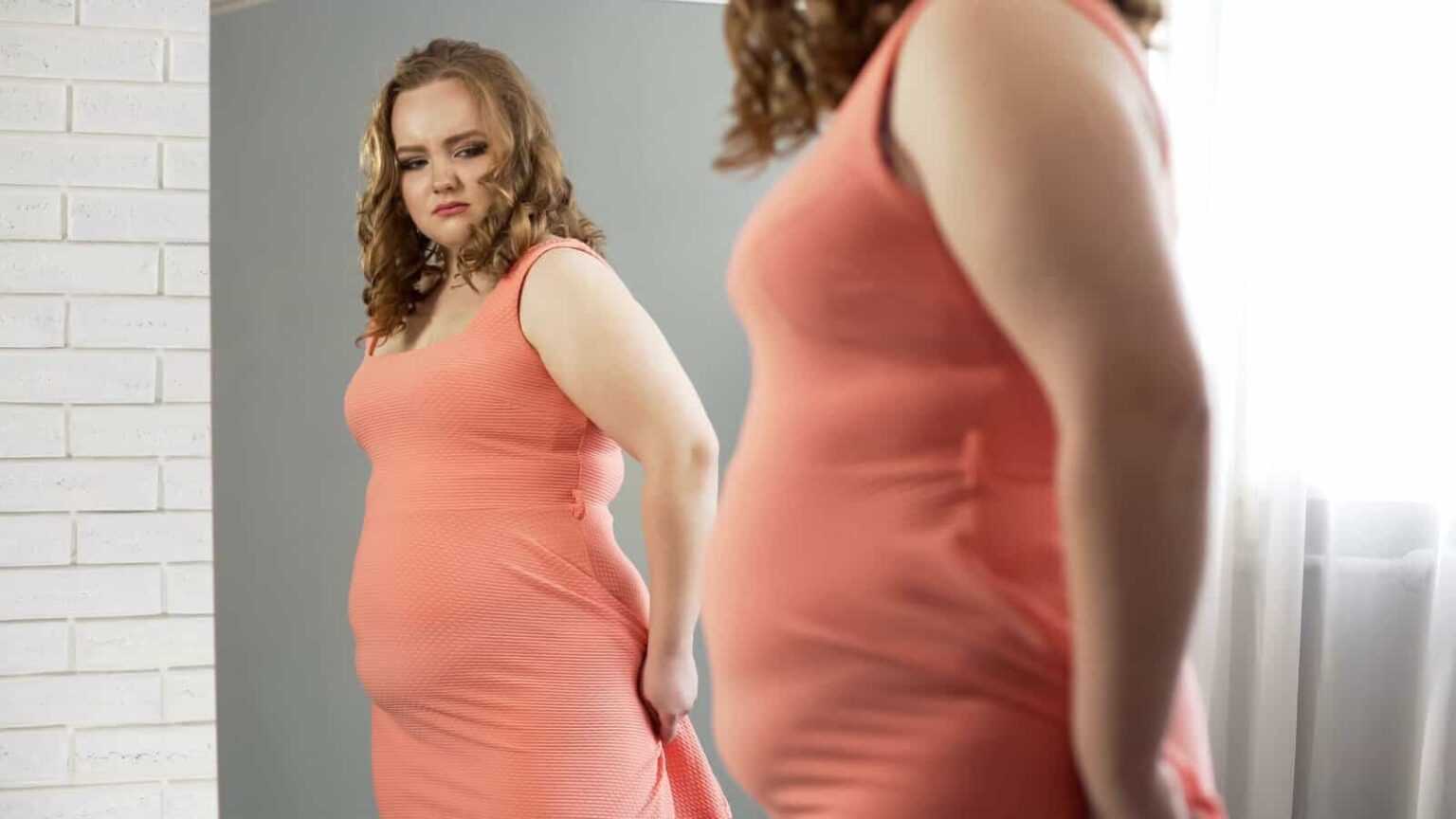
Foundational garments are meant to smooth things out, but they often end up cutting off our circulation. Poorly constructed shapewear digs painfully into the ribs and leaves deep red marks on the skin. According to Fortune Business Insights, the extended-size clothing market is expected to grow at 5.31%, a rate faster than the overall apparel market.
Despite this massive growth, comfort is still routinely sacrificed in the name of aggressive compression. We want support that allows us to eat, breathe, and sit down without gasping for air. Good undergarments should feel like a gentle hug instead of a wrestling match.
Ignoring The Need For Wide Calf Boots
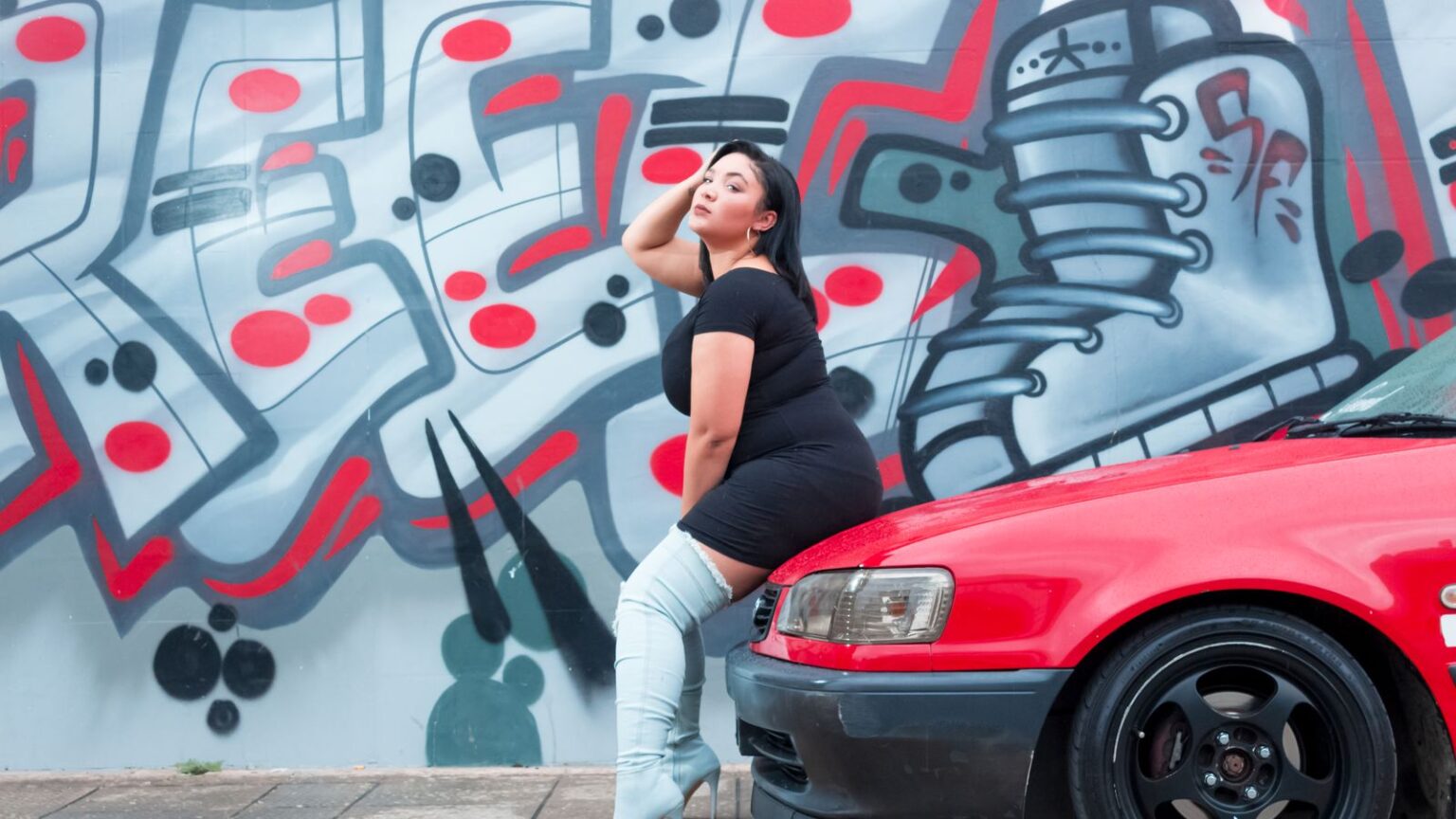
Fall arrives, and the search for a boot that zips completely up the leg begins once again. Most standard boots get stuck right at the ankle, leaving curvy women completely out in the cold. Brands rarely offer enough width in the shaft to accommodate athletic or fuller calves.
The few options available are often incredibly expensive or made from cheap, synthetic leather that cracks easily. Everyone loves a good riding boot paired with a cozy autumn sweater and dark jeans. Designers must expand their footwear measurements so we can finally participate in autumn boot season.
Disclaimer: This list is solely the author’s opinion based on research and publicly available information. It is not intended to be professional advice.
Like our content? Be sure to follow us
MORE TCF GAMES