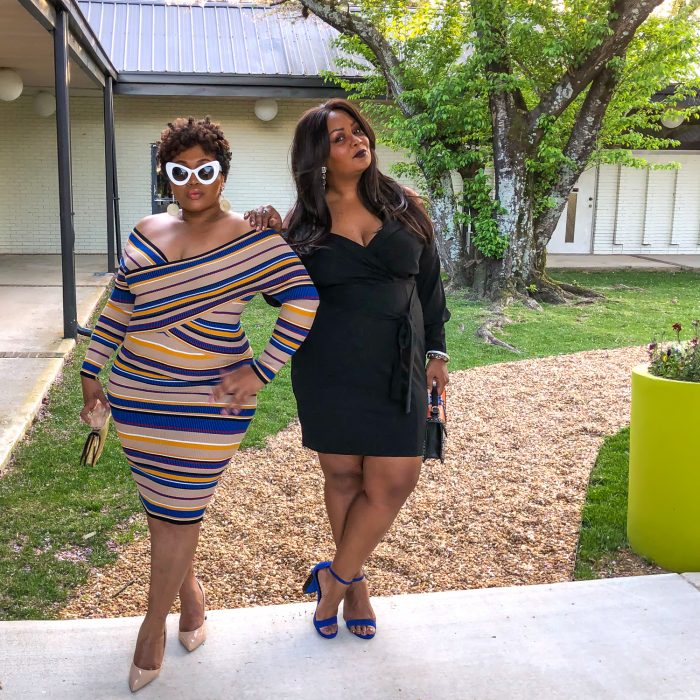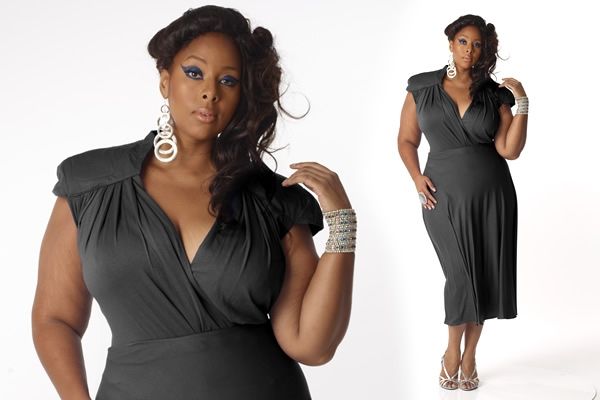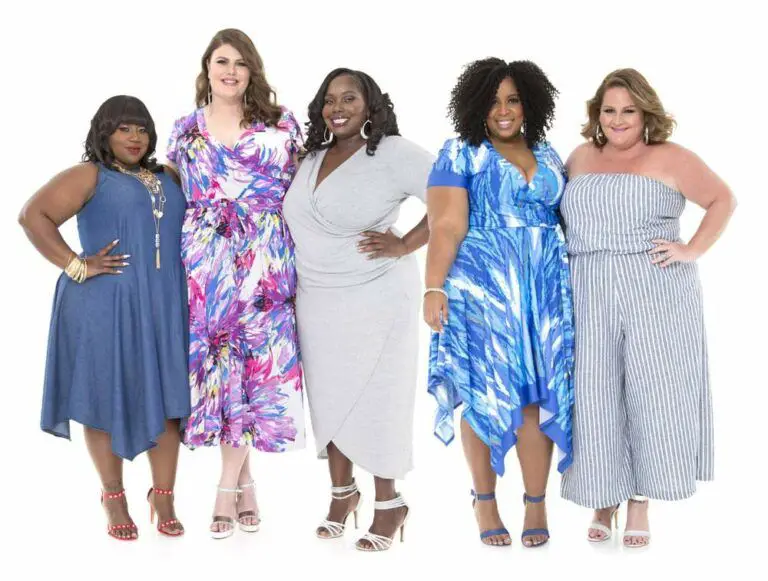
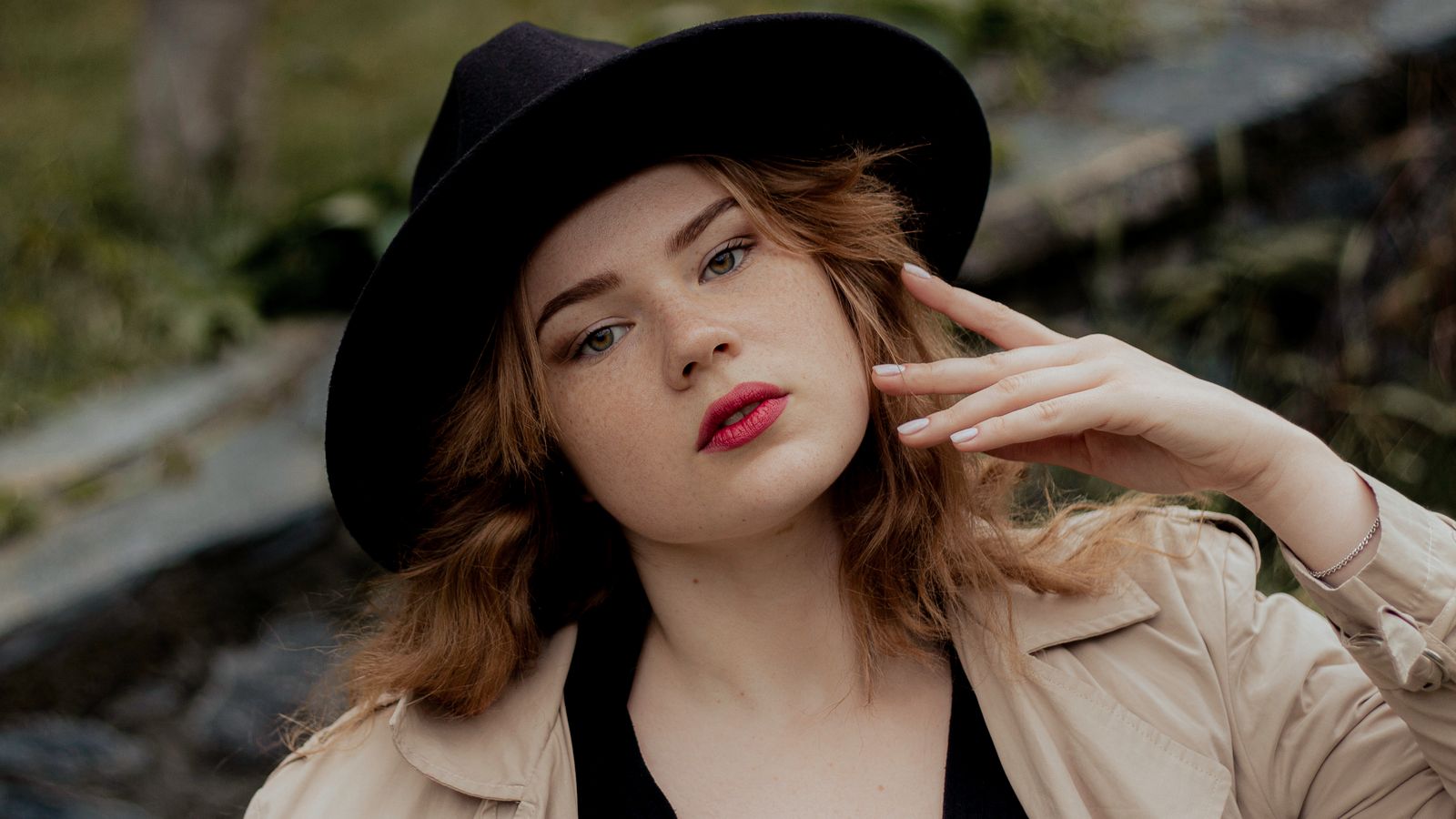
You can spend time putting together an outfit that feels completely like you, only to realize that getting dressed is just one part of the experience. For many plus-size women, how an outfit is received can sometimes feel just as important as the outfit itself.
Some people smile, some stare, and a few act as if your body in that outfit is breaking a dress code no one told you about. In 2026, what you wear as a plus-size woman does not just show your style; it tests how comfortable people really are with big bodies existing in plain sight.
Recent fashion data also shows how rarely those bodies are seen in the outfits that shape trends. A 2025 size‑inclusivity review of major fashion weeks by Vogue Business found that plus-size models accounted for less than 1% of total runway looks, even in seasons when brands claimed to be more inclusive.
That tiny slice of representation helps explain why everyday outfits on larger bodies still draw outsized reactions. This list examines how specific kinds of looks influence how your size is perceived, even when the clothing itself is completely normal.
Visibility Outfits Reveal How Plus-Size Bodies Are Still Treated Like a Surprise
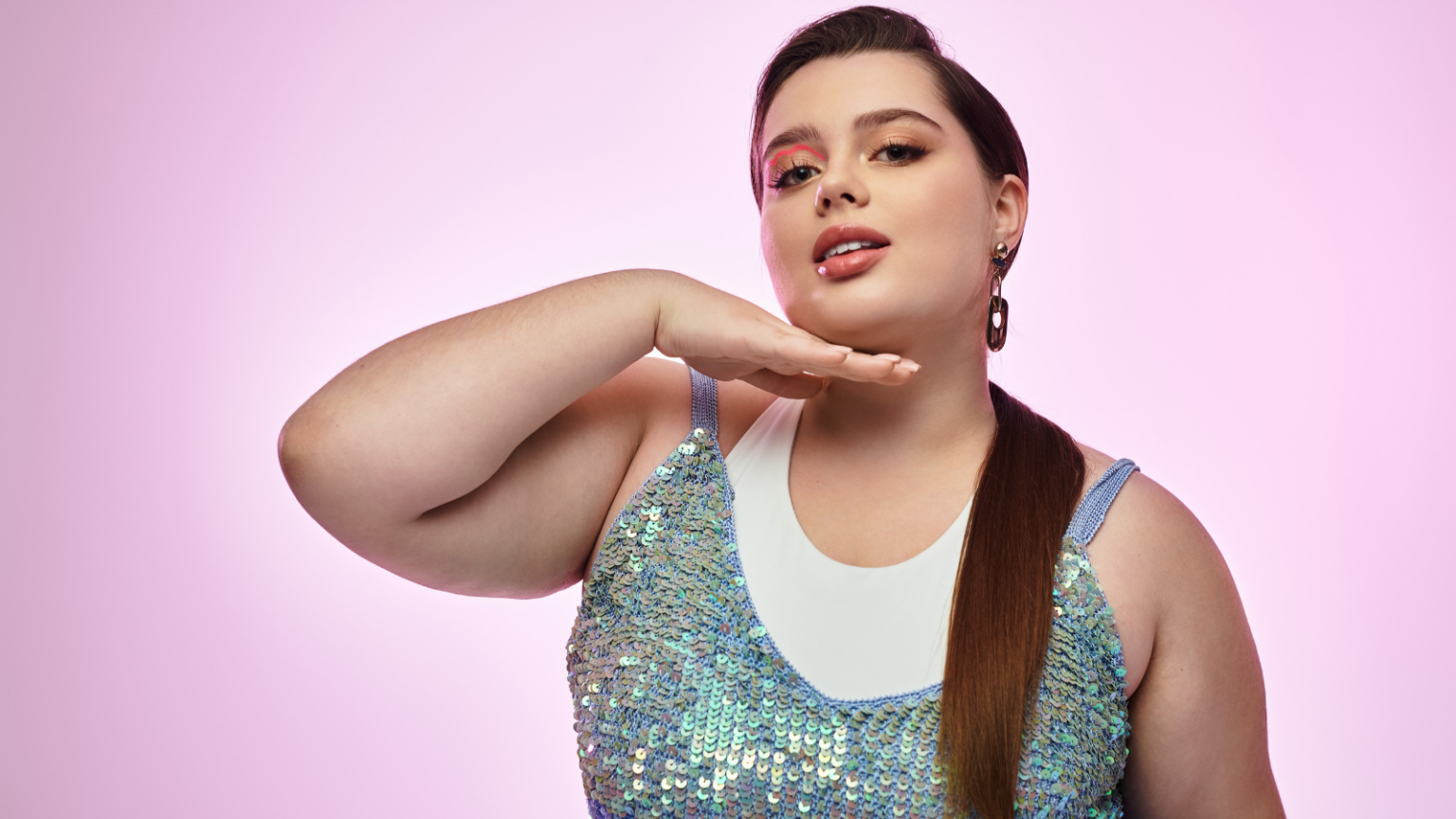
When you wear something loud, like sequins, bright colors, a costume, or anything that says “I’m here,” you instantly find out who thinks plus-size bodies should be quiet. On smaller people, these looks are “fun” and “extra”; on you, they can mysteriously become “brave” or “too much.” Apparently, joy in your size needs a warning label.
Those reactions are not about the outfit. They are about the assumption that bigger bodies belong in the background, not in the middle of the dance floor. Every visible look you put on is a reminder that your size is normal, even if some people still react like they’ve spotted a rare animal.
Swimwear Shows Who Believes Big Bodies Should Stay Covered
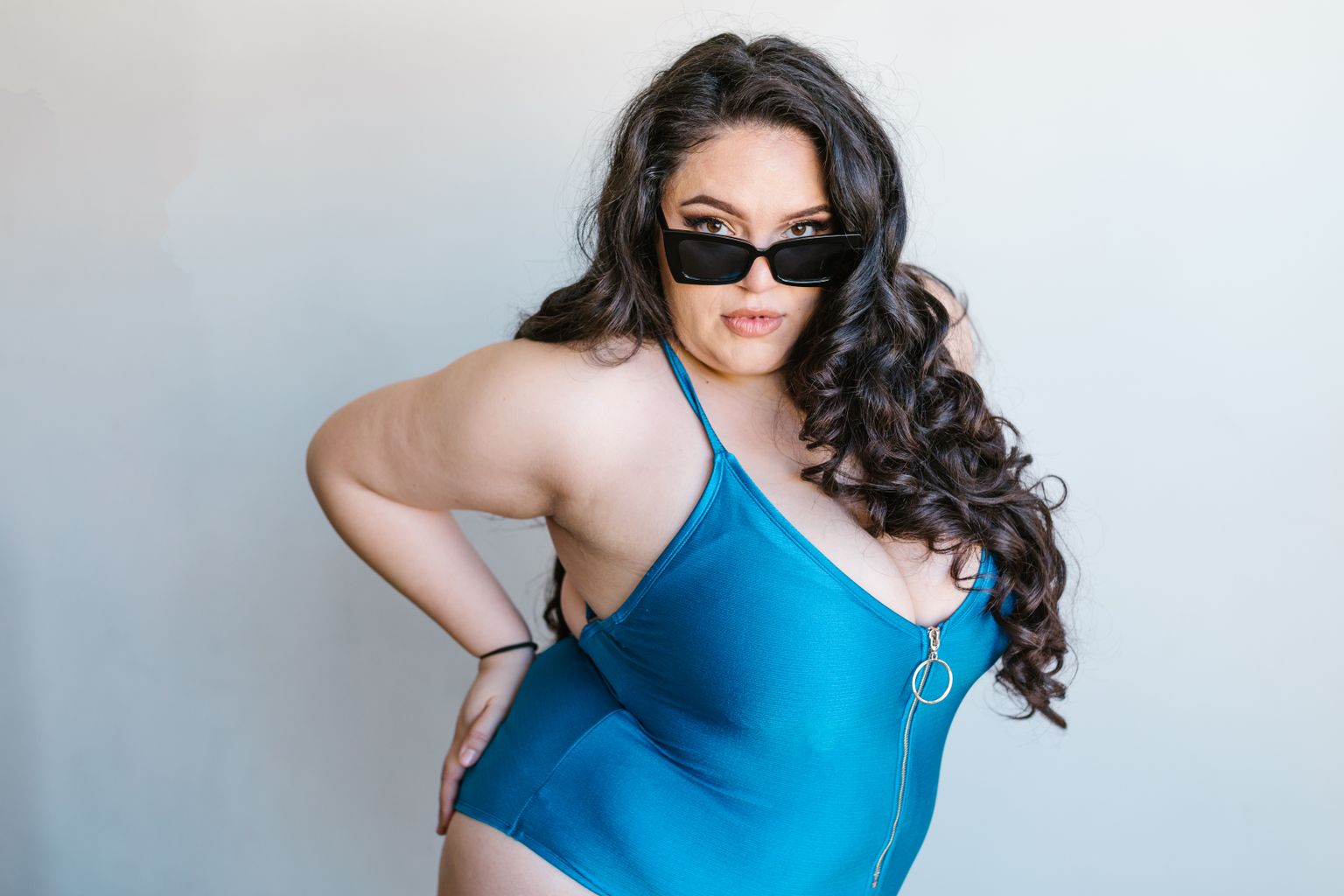
Swimwear is like a truth serum for other people’s biases. The moment your stomach, thighs, or arms are fully out there in a swimsuit, you see who can handle it and who suddenly forgets how to mind their business.
A recent overview of plus-size industry statistics reports that 67% of American women wear a size 14 or larger, yet 60% of plus-size shoppers say they still struggle to find fashionable clothing in their size, including swim.
So most women are in bigger bodies, but stylish swimwear for those bodies is treated as a niche. When you finally find a bikini you like, it’s not your taste that’s unusual; it’s the idea that plus-size people should dare to enjoy the beach. Every confident poolside photo from a plus-size woman is basically a quiet protest against decades of “cover-up.”
“Average Size” Data and Real‑Life Reactions Don’t Match
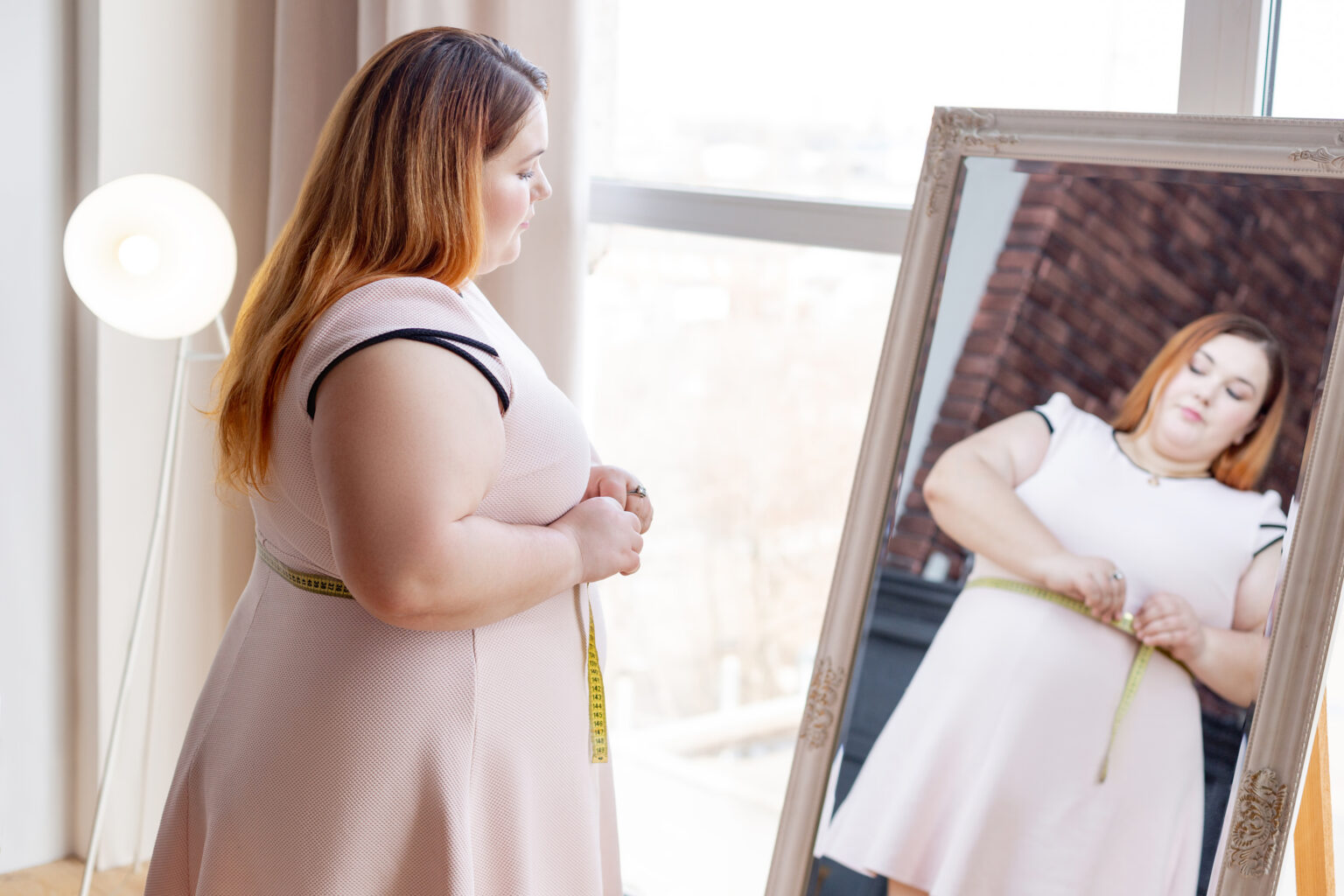
On paper, the numbers are pretty clear. A sizing study by Washington State University found that American women’s measurements align more closely with a Misses size 16–18, equivalent to a plus‑size 20W.
In other words, the bodies many brands still treat as “extended sizing” are actually right in the middle of the bell curve. Yet when you show up in a fitted dress that sits on that “average” frame, some people react like you are a surprising exception.
They say things like “you dress really well for your size,” as if basic style and a larger body are a rare combination. The stats say you’re normal; the reactions say the culture hasn’t processed that memo.
Shapewear‑Dependent Outfits Reveal Whose Comfort Counts
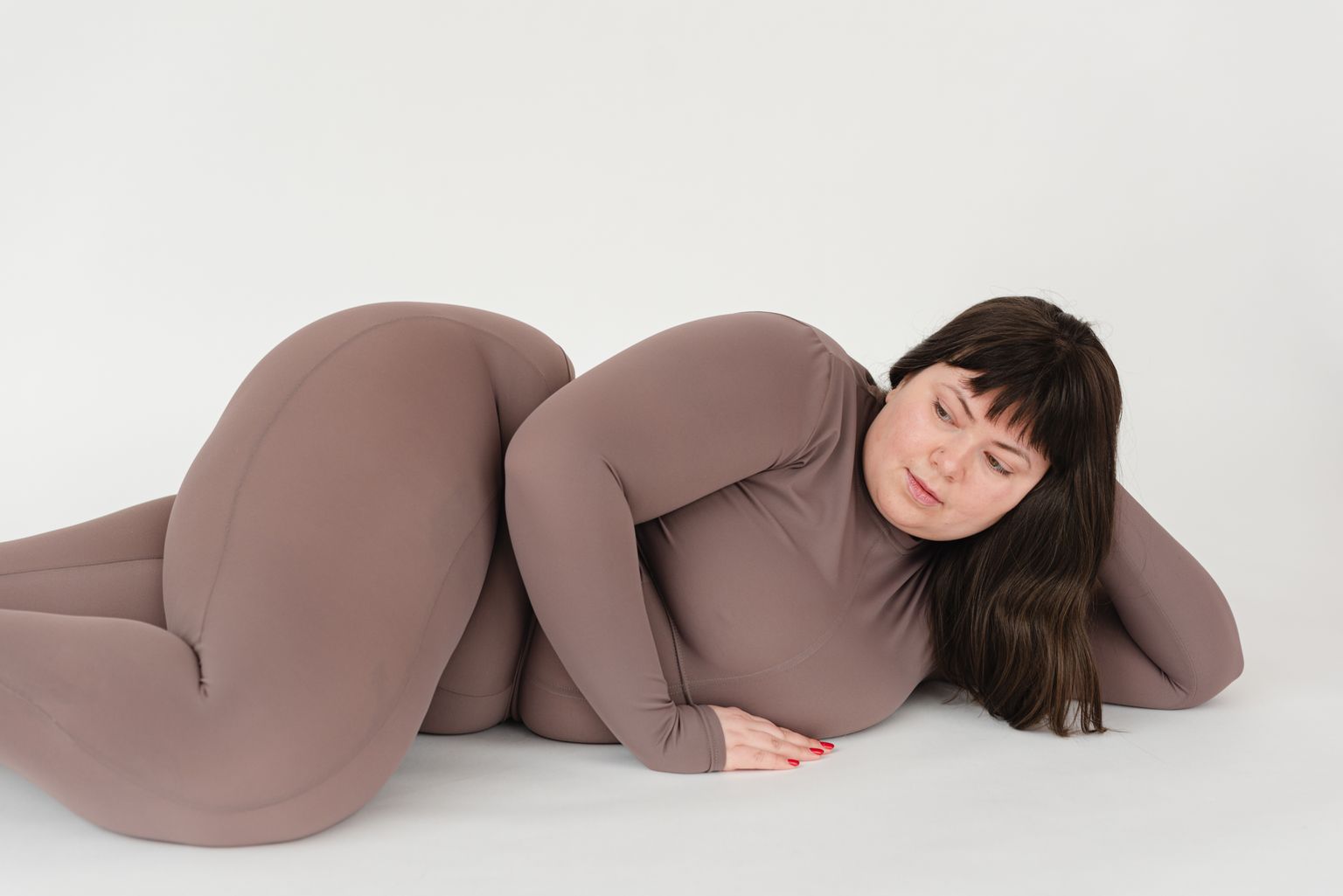
Shapewear is sold as a secret weapon, but it often feels more like an entry pass. A 2026 roundup of plus-size industry statistics notes that 81% of plus-size consumers are willing to pay more for better fit and comfort and that XL and larger sizes account for a large share of shapewear and bra sales.
That’s a lot of money being spent to make outfits feel “socially safe.” Any time your dress only feels acceptable if something is squeezing you underneath, you know exactly whose comfort is being prioritized.
Without shapewear, people may react to your body; with it, they praise your “polished” look. The clothes didn’t change; the silhouette did, and that says plenty about the unrealistic standards people still place on larger bodies.
Tight Silhouettes Test Who Believes Body Confidence Needs Editing
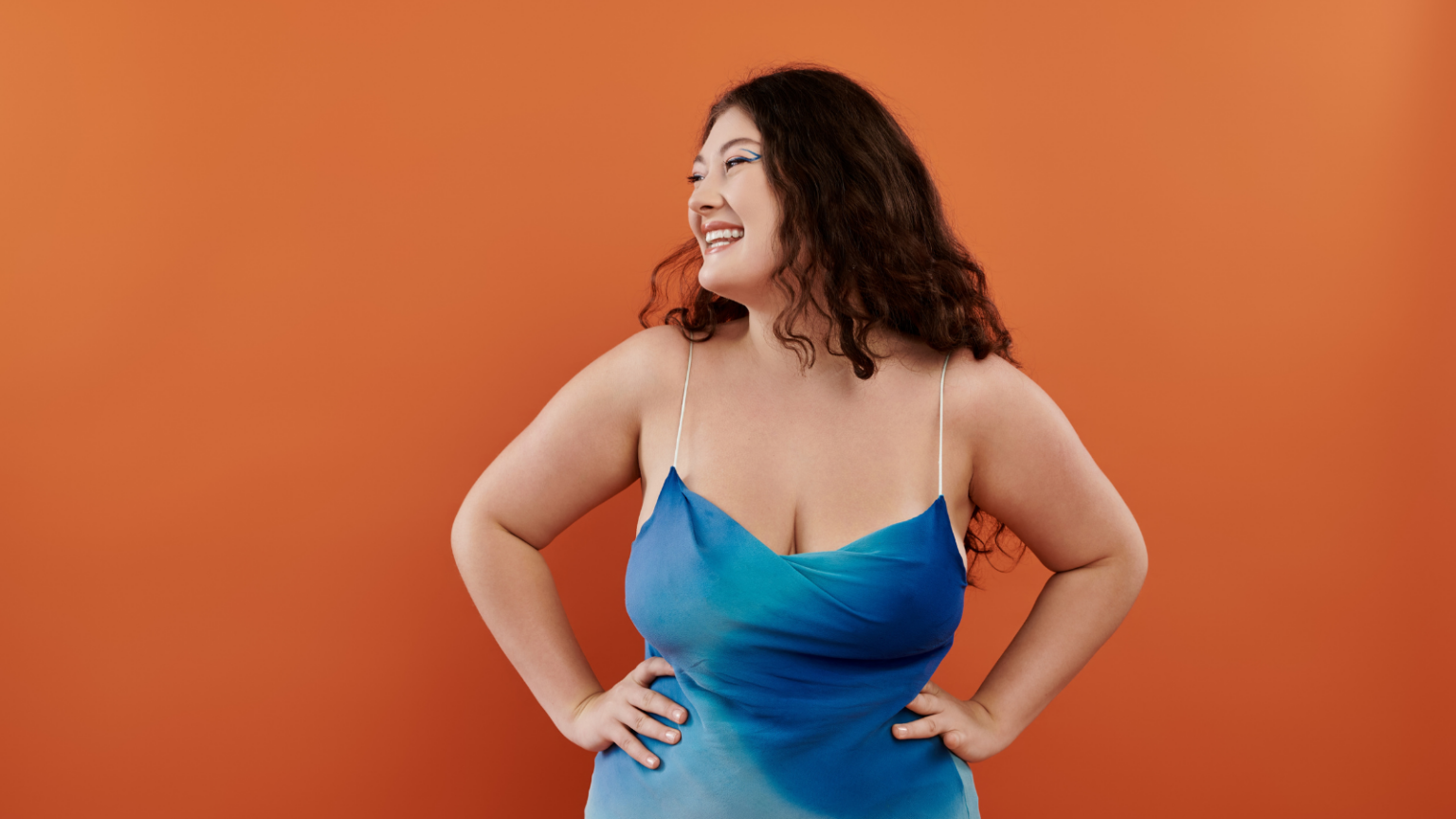
Tight outfits are a quick way to find out who thinks your happiness should come with disclaimers. On smaller bodies, clingy dresses and snug tops are considered sexy or fun; on larger bodies, they’re often rebranded as “brave” or treated like a public debate about modesty.
It’s as if your joy needs a more conservative hemline before some people are comfortable seeing it. When you wear a body‑hugging look, you aren’t asking for permission. You’re asking the room to deal with the fact that being plus-size can look good, feel good, and be openly celebrated.
If your dress triggers concern rather than compliments, the issue is not your outfit; they believe that body confidence should be quietly edited.
Market Numbers and Outfit Reactions Tell Two Different Stories
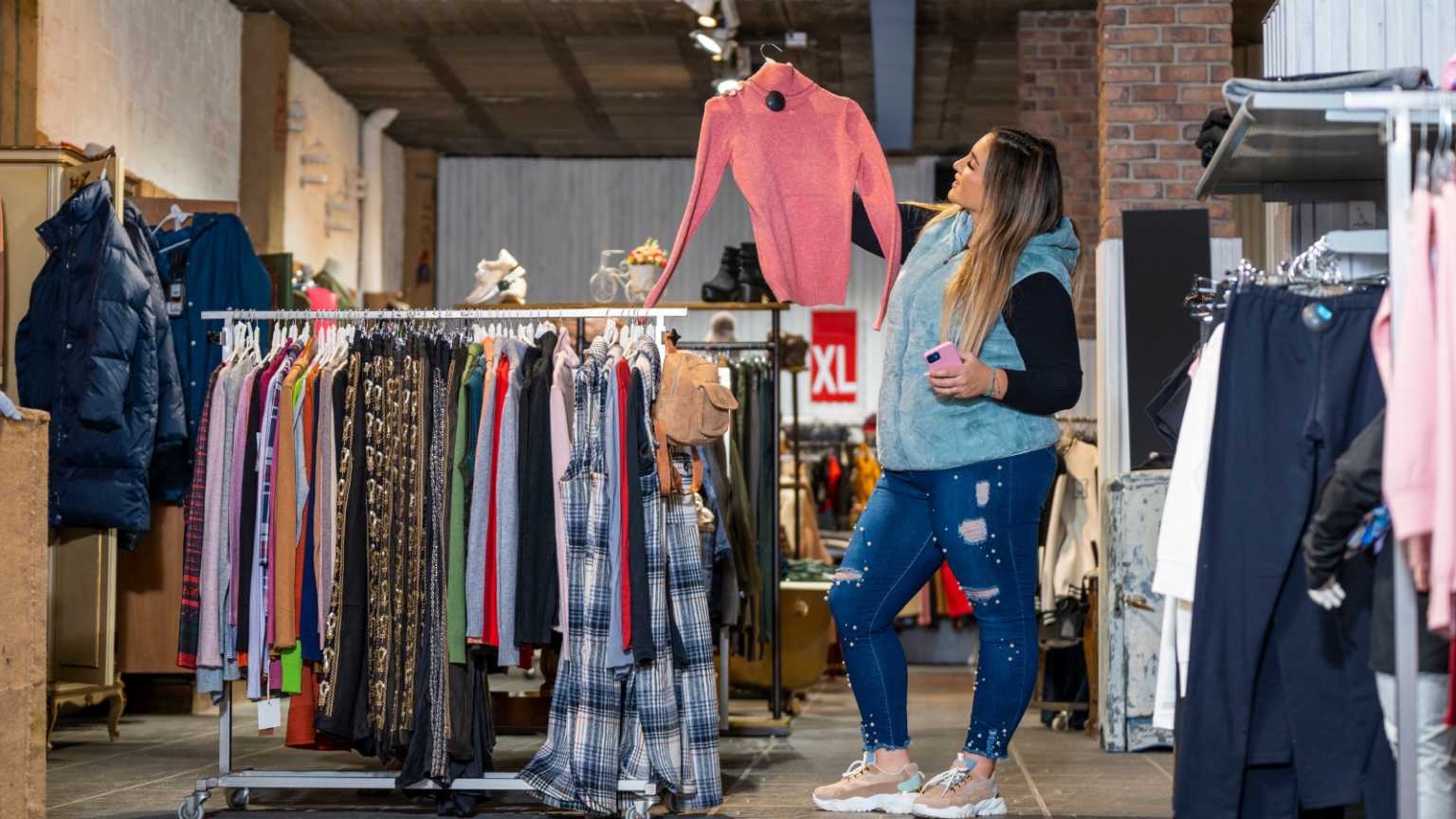
If you look at the money, plus-size clothing is not a side hustle. A 2024 plus-size clothing report estimates the global plus-size market at about $311.4 billion in 2023, projected to reach around $412.4 billion by 2030 with a 4.1% compound annual growth rate. Brands clearly expect larger bodies to keep shopping a lot.
But when you walk into many stores, your outfit options still feel oddly limited. Other people get used to seeing plus-size women in the same few “safe” silhouettes and start assuming that’s all you’re meant to wear.
So when you show up in something outside that narrow uniform, their reaction is less “nice outfit” and more “you’re not following the script,” which is ridiculous considering the script is being heavily funded.
Trend Pieces Show Who Still Associates Fashion With Smaller Sizes
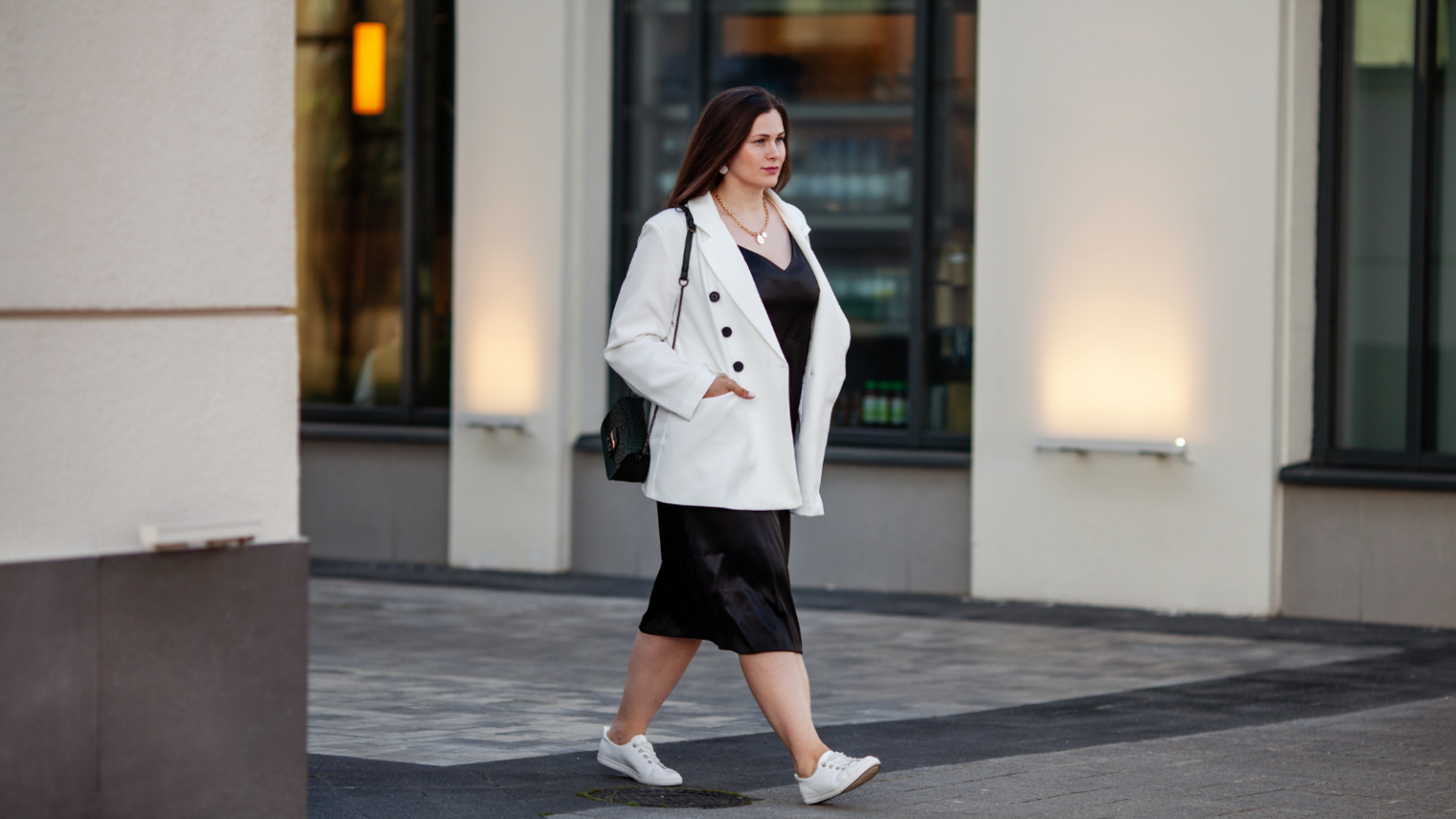
Microtrends move fast: sheer tops, cut‑outs, low‑rise jeans, and all the things Instagram loves. On straight‑size bodies, they’re celebrated as edgy and modern; on plus-size bodies, they can trigger arguments over whether you “should” wear that shape at all.
A 2025 analysis of shrinking retail plus-size visibility notes that many retailers have quietly reduced plus-size ranges while still pushing trend‑heavy marketing. So you’re watching campaigns that promise “style for everyone,” then discovering the trend doesn’t even exist in your size.
If you do manage to buy and wear it, people around you react like the outfit is controversial purely because it’s on your body. The clothes are trendy; it’s their definition of who fashion is for that’s outdated.
“Cute” Prints Reveal Who Thinks Fun is Size‑Restricted
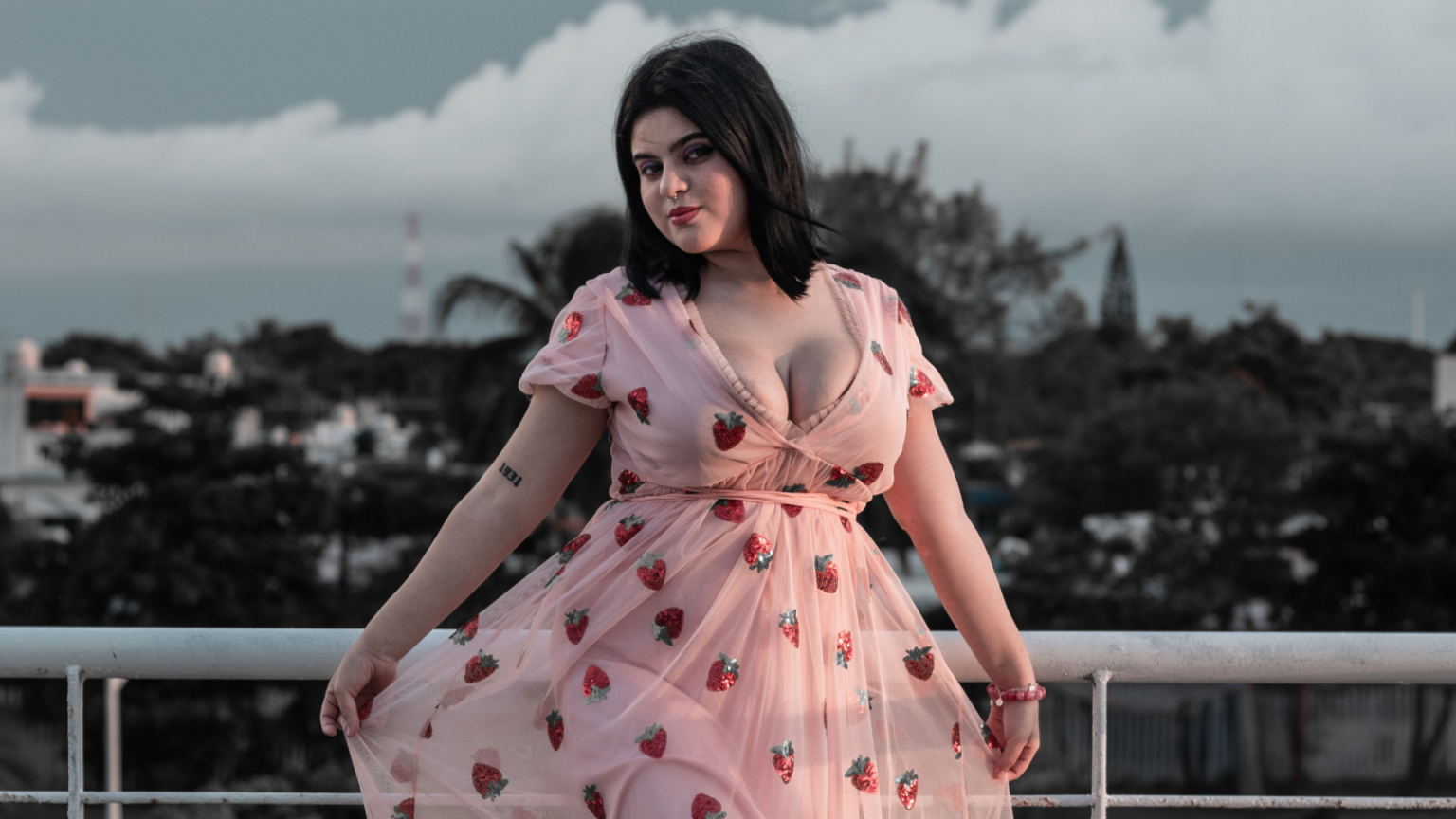
Bright prints, playful graphics, and “cute” details are supposed to be fun. On smaller bodies, they’re called quirky or stylish; on larger bodies, they can suddenly be labeled “unflattering” or “too loud.” Apparently, polka dots and cherries are fine until they cross a certain dress size.
When you wear fun prints at a bigger size, you’re reminding people that delight doesn’t shrink at a certain number on a tag. The reactions you get, eye rolls, surprise, or genuine admiration, show who believes joy belongs to everyone and who still thinks your clothes should apologize for your body. Spoiler: they don’t.
Work Outfits Reveal Who Equates Professionalism With Body Size
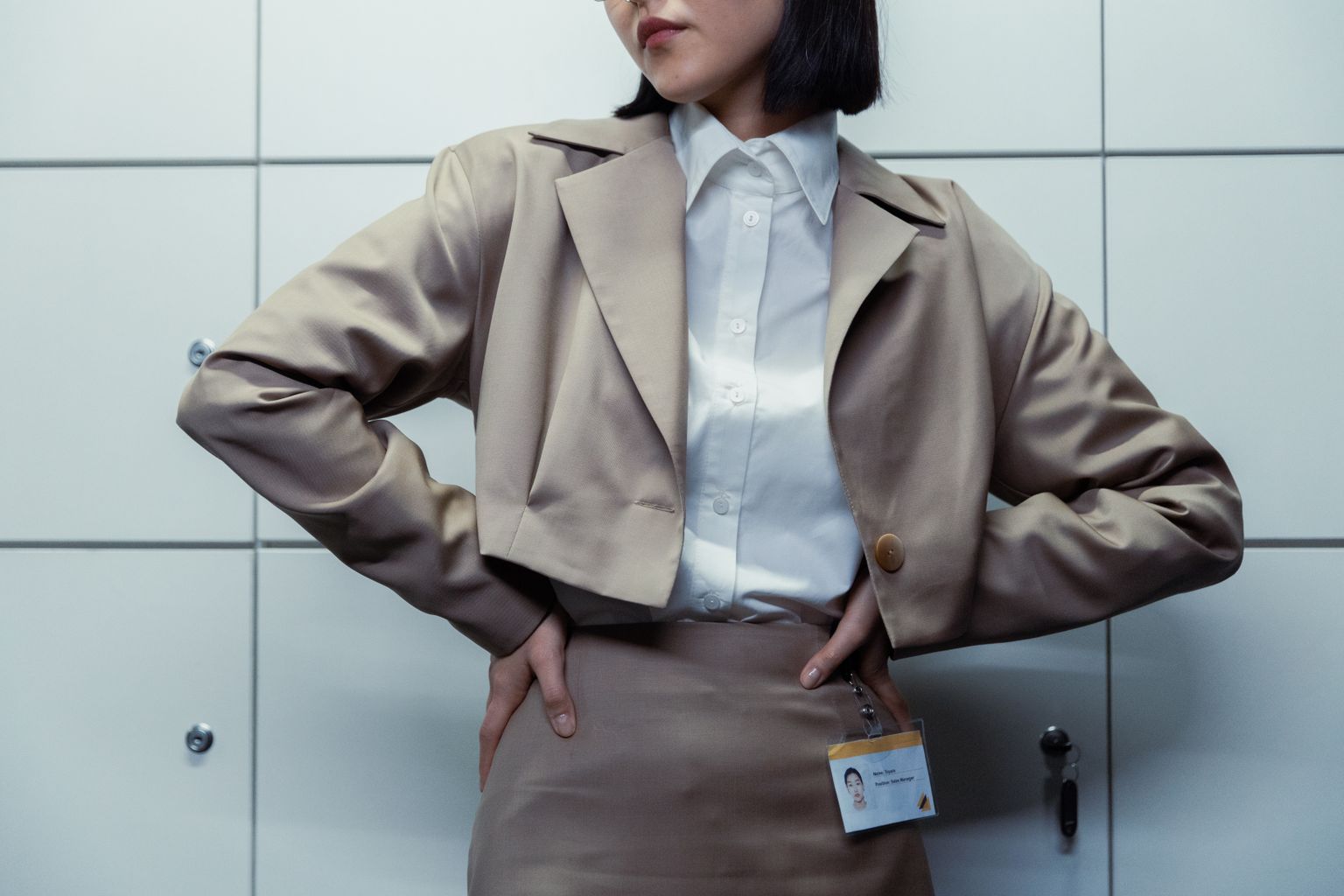
The same blazer and trousers can read very differently depending on the body inside them. On a colleague with a smaller body size, a sharp suit often signals “leader”; on you, it may prompt comments about “cleaning up well” or shock that you “look very professional today.” It’s awkward realizing your outfit is being graded on a curve you didn’t sign up for.
Those reactions reveal how some people still link authority to size. They read your body before they read your clothes and let that guide how seriously they take you. Your work outfits, then, become a filter: who sees your role and who needs you to fit their narrow picture of what “in charge” looks like.
Casual Looks Expose Double Standards Around Plus-Size Fashion
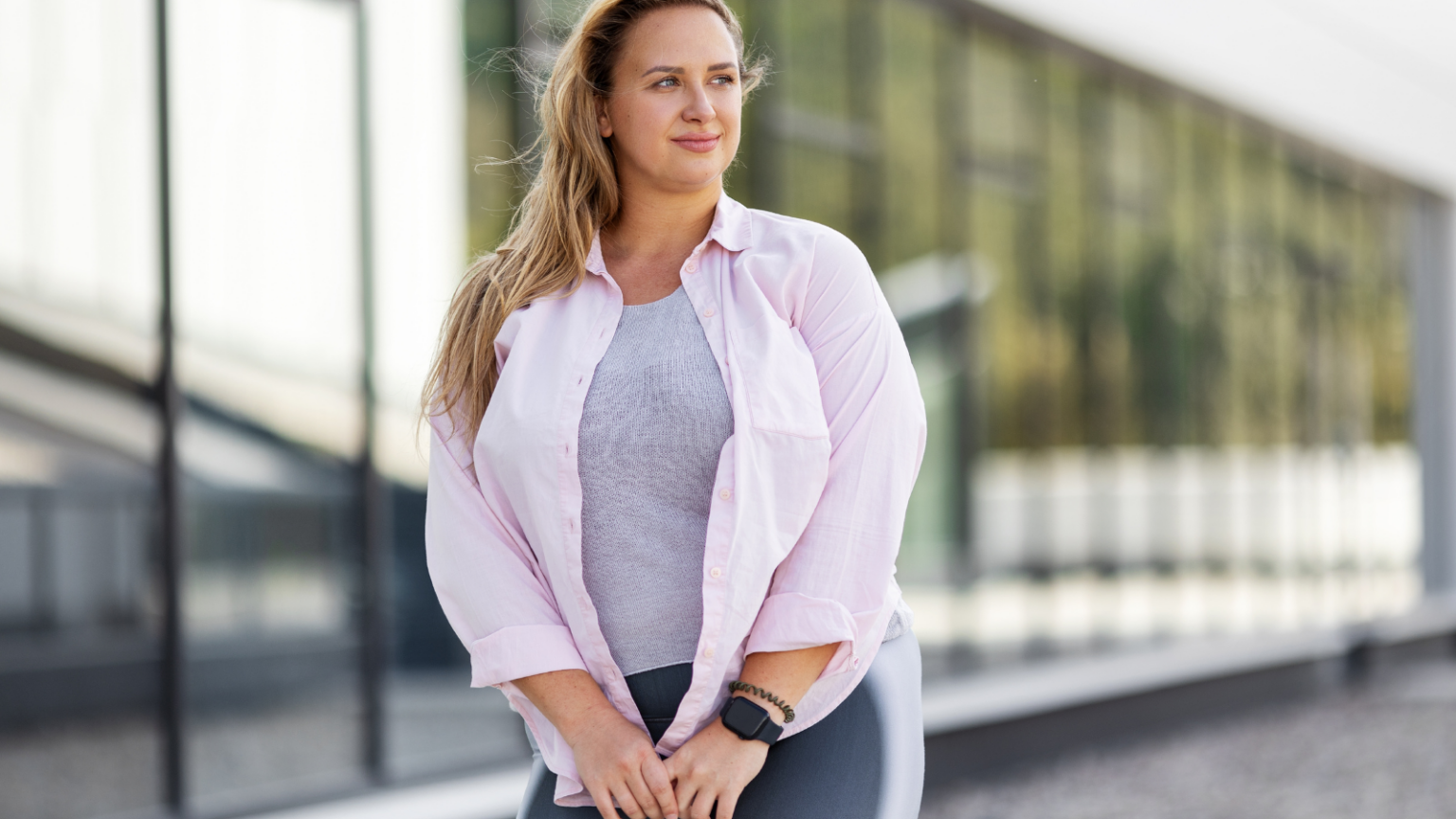
On days when you’re in jeans, leggings, or a hoodie, you may notice people treat you differently than when you’re dressed up. Some are warm and complimentary when you’re clearly “polished,” but casual looks bring shorter conversations, fewer smiles, or more dismissive vibes.
It’s like your respect level slides depending on how much effort they think you put in. That slide says a lot about their expectations. If basic courtesy appears only when you look styled or “elevated,” it means they expect plus-size people to constantly overperform just to be treated normally.
Your off‑duty outfits do a quiet job of exposing who sees you as a whole person regardless of the dress code.
Gym Outfits Reveal Who Treats Your Body Like a Public Project
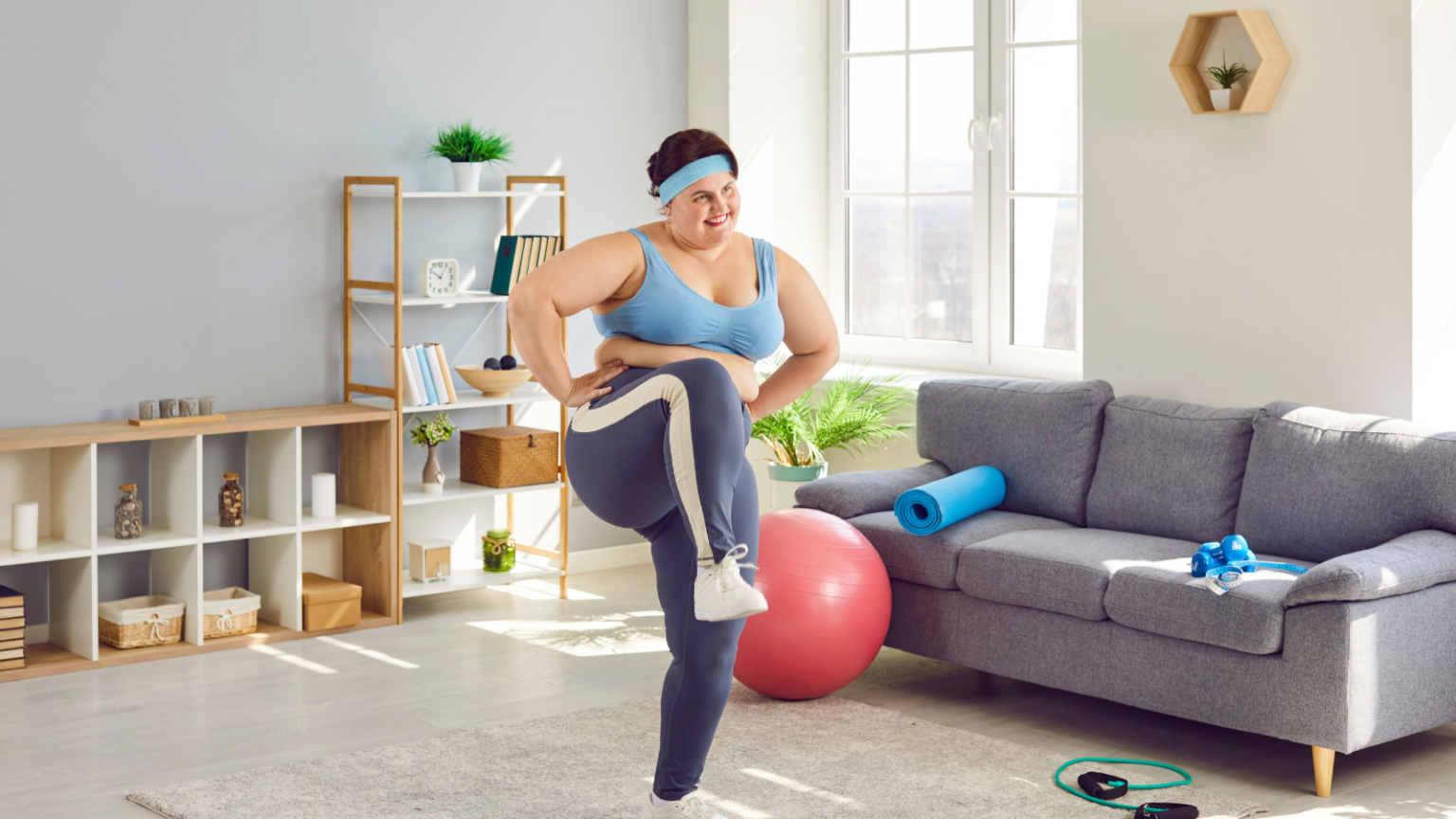
Activewear on a bigger body seems to invite commentary in a way gym clothes on smaller bodies rarely do. Some people cheer you on like you’re a motivational poster; others stare or make rude remarks, as if your leggings and sports bra are evidence in a case they’re building against you.
It’s exhausting when your workout look turns strangers into judges. The clothes themselves are standard: stretchy, practical, built for movement. What’s different is how people decide whether your body is failing or redeeming itself based on those outfits.
You’re there to exercise. You might want to lose weight or keep fit, but you are not auditioning for their approval. Their reactions say more about their obsession with your size than your drive or health.
Everyday Outfits Decide Whether Your Size is Seen as Human or as a Joke
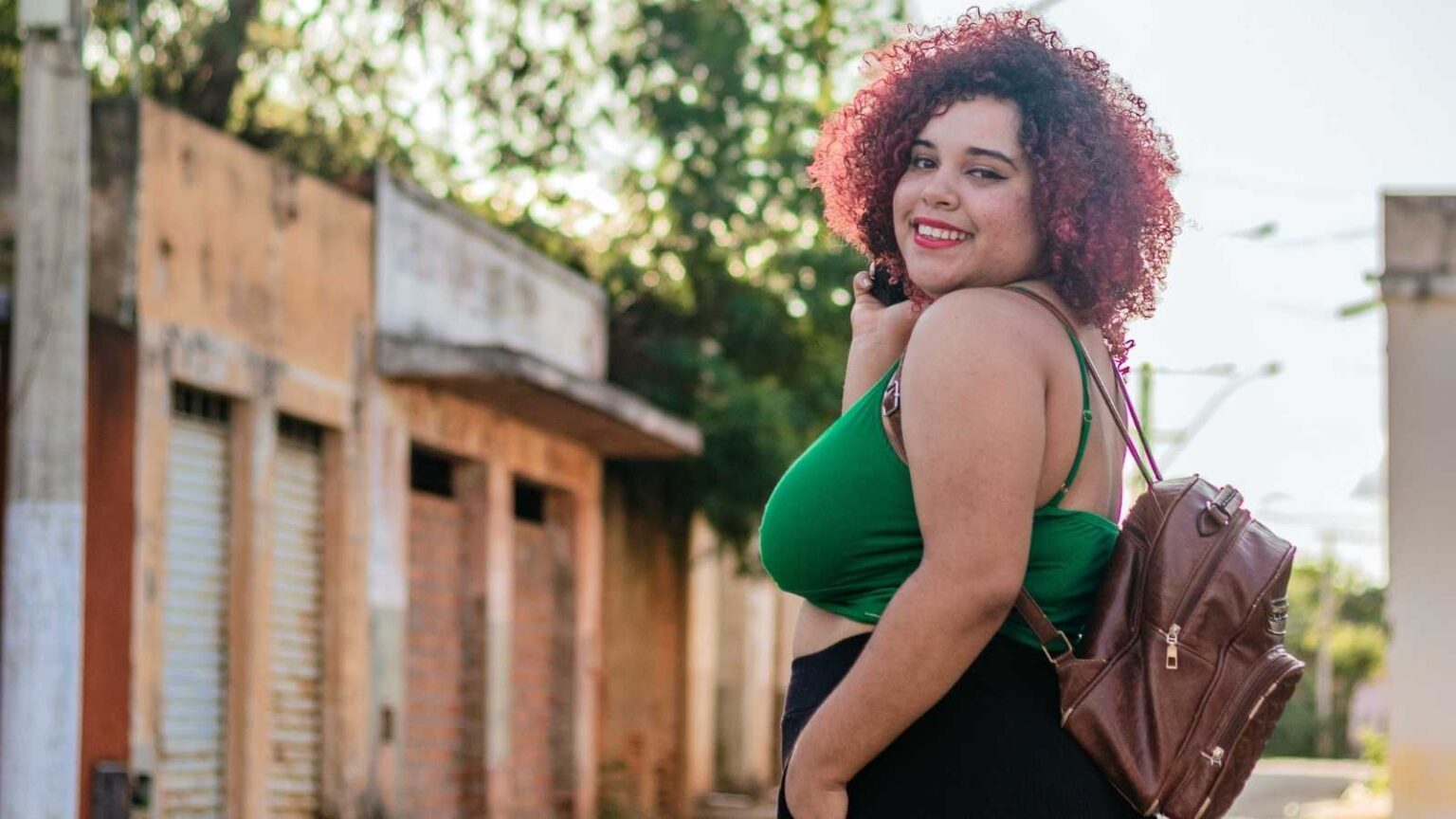
Most days, your clothes are not dramatic jeans, dresses, T‑shirts, or jackets; nothing wild. Yet the way people react can still swing between “nice outfit” and outright cruelty, depending on their attitudes toward body size.
A simple look at a big body can be enough for someone to make an animal comparison or a rude joke, even though the outfit would be unremarkable on a smaller person.
That gap is the core problem. Your clothes aren’t asking for commentary; they are just clothes. The reaction they trigger in some people tells you whether they see your size as another human variation or as a punchline. Your wardrobe is not the issue; their idea of whose body deserves respect is.
Key Takeaway
In 2026, outfits do not just communicate personal style for plus-size women. They also reveal who is willing to treat plus-size bodies as ordinary and who still sees them as a joke, a warning, or a surprise. The most powerful mindset shift is not to make your clothes smaller, safer, or quieter.
It is to understand that reactions to your size in different looks say more about the viewer’s conditioning than your worth, and to choose outfits that honor your taste and comfort first so their gaze becomes commentary, not your compass.
Disclaimer: This list is solely the author’s opinion based on research and publicly available information. It is not intended to be professional advice.
Like our content? Be sure to follow us
MORE TCF GAMES