The moment someone loves what you represent more than who you are is the moment attraction begins to lose its humanity.
Having a “type” is a normal part of human attraction. Some people are drawn to certain personalities, styles, body types, cultural backgrounds, or physical features. A preference by itself does not automatically mean something is unhealthy or problematic. Many people genuinely appreciate qualities in their partners while still loving and respecting them as complete individuals.
The concern begins when attraction shifts from appreciation to reduction. When one characteristic becomes the main reason someone is interested, and the person behind that characteristic starts disappearing. This is where preference can move into fetishization. The U.S. Body Project I research on objectification and interpersonal relationships shows that problems arise when people are treated primarily as bodies or categories rather than as individuals with their own thoughts, emotions, and identities.
For plus-size and curvy women especially, this conversation can feel complicated. Many have spent years receiving messages that their bodies are undesirable, so being openly desired can feel validating. At the same time, genuine attraction should still include respect, curiosity, and appreciation for the whole person, not just one physical trait.
They Focus on Your Body Before They Get to Know You

One of the earliest signs that a dating preference may be moving toward fetishization is when someone becomes interested in your body category before they become interested in you as a person. Early conversations that repeatedly center on your weight, measurements, body shape, or specific physical features may suggest they are approaching you through a label rather than genuine curiosity.
There is an important difference between someone noticing that they are attracted to you and someone treating your body as the main topic of conversation. Reducing someone to physical characteristics can make them feel like an object being evaluated rather than a person being understood. This type of attention can affect how people experience relationships.
If your body becomes the first and most important thing they want to discuss, it may be worth paying attention to that imbalance.
They Use Labels More Than They Use Your Name

Labels can sometimes be harmless, especially when people use them within communities or conversations where everyone feels comfortable. However, when someone begins to define you primarily by a category such as a body type, ethnicity, or identity, it can be a sign that they are interested in the idea of you rather than who you actually are.
Words like “BBW,” “chubby,” or other labels may feel uncomfortable when they replace your individuality. The problem is not always the word itself; it is the role the label plays in the relationship. Does it describe one aspect of you, or does it become the entire way they see you?
People naturally organize information into groups, but problems occur when those categories replace individual understanding. These stereotypes can influence the way people perceive others.
A partner who truly values you should see the label as one small part of your identity, not the reason you matter.
Nearly Every Compliment Is About Your Body
Feeling desired by your partner can be a powerful and positive experience. Many people enjoy hearing that they are attractive, beautiful, or physically appealing. The issue begins when physical compliments become the only type of appreciation someone offers.
If every compliment revolves around your body, your curves, your size, your weight, or specific features while your personality, intelligence, creativity, kindness, and achievements receive little attention, the relationship may start to feel one-dimensional. A study published on PubMed about self-objectification and body image examine how a heavy focus on appearance can affect psychological well-being.
A healthy partner can appreciate your physical appearance while also admiring the rest of you. The question is not whether they find you attractive; it is whether attraction is only one part of their appreciation or the entire foundation of it.
They Seem Most Interested in You During Physical or Sexual Moments
Another potential warning sign is when someone appears deeply engaged during intimate moments but shows limited interest in everyday connection. A true healthy relationship is built through conversations, shared experiences, emotional support, humor, and companionship, not only through physical attraction.
If someone becomes especially enthusiastic about your body in private but seems disconnected when discussing your life, goals, or feelings, it may suggest that they are more attached to a fantasy than a relationship.
A healthy relationship includes attraction, but it also includes friendship. Someone who genuinely values you should enjoy spending time with you whether the situation is romantic, casual, stressful, or completely ordinary.
They Try to Influence Your Weight or Eating Habits to Their Preference

There is a major difference between someone loving your body and someone trying to control it. A partner can genuinely find your body attractive while still supporting your personal choices, including changes you may want to make for health, comfort, or personal reasons.
The concern arises when someone pressures you to gain weight, discourages your goals, encourages you to eat beyond your comfort level, or suggests that you are only attractive when your body fits their ideal.
Research on weight stigma within romantic relationships shows that weight-focused interactions can negatively affect relationship satisfaction and emotional well-being. A study on Pubmed examining weight stigma in romantic relationships found that negative weight-related experiences between partners can influence body satisfaction and relationship outcomes.
The key question is simple: do they love your body because it belongs to you, or do they want your body to belong to their fantasy? Appreciation respects your autonomy. Fetishization often tries to reshape it.
Your Body Becomes the Main Story of the Relationship
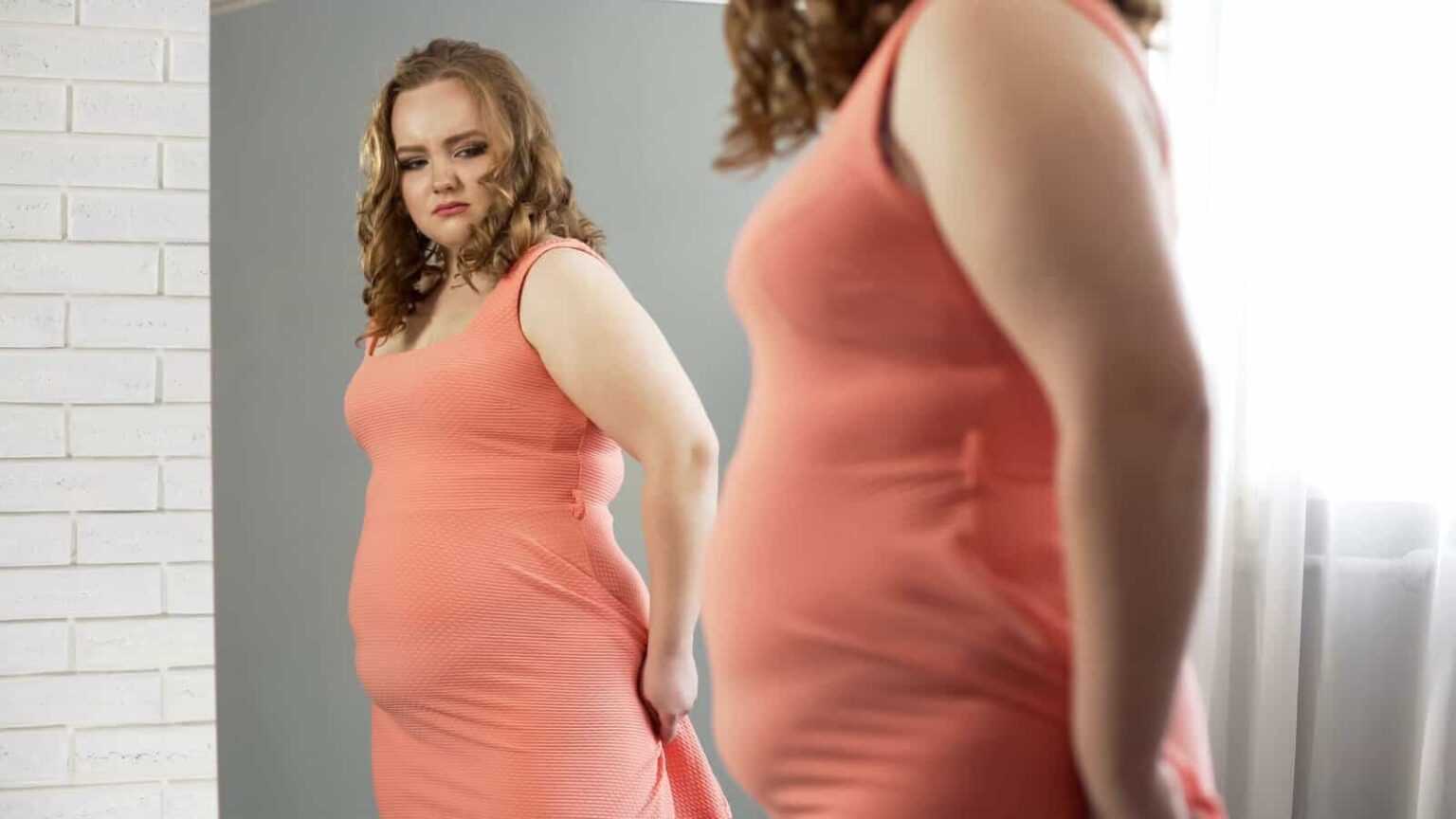
Your body is part of who you are, but it should never become the entire story of who you are. A relationship becomes unhealthy when conversations, decisions, and experiences constantly revolve around your size instead of your personality, dreams, and life.
This can appear in subtle ways. Maybe they constantly bring up your appearance, make every conversation about your body, or seem more interested in discussing your physical traits than learning about your experiences.
A good number of people in larger bodies often face assumptions that reduce them to stereotypes. Tandfonline explores how these perceptions can affect relationship quality and emotional experiences.
A loving partner should know your favorite memories, your ambitions, your fears, and your opinions. Your body can be something they love, but it should never be the only thing they know.
They Make You Feel Like They Like Your Body More Than They Like You
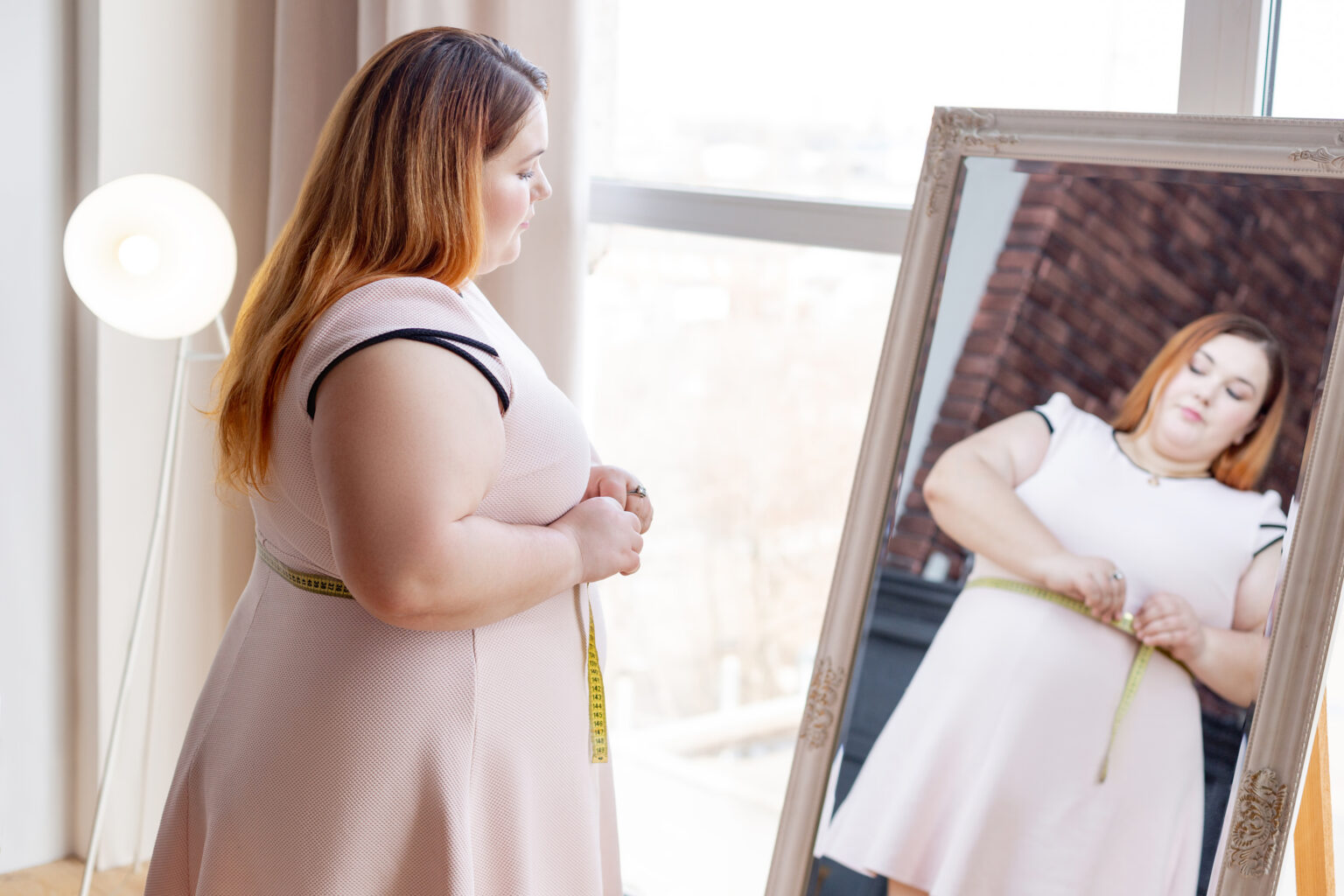
One of the most confusing experiences is wondering whether someone loves you or simply loves a characteristic about you. This question can be especially complicated for people who belong to groups that have historically been judged or stereotyped.
Being attracted to a plus-size body is not automatically a problem. Many people genuinely prefer certain body types, just as others prefer certain hair colors, heights, or styles. The concern is when someone’s attraction seems disconnected from the person. Some people can experience pressure even when certain appearances become desirable.
A healthy partner communicates: “I love you, and I love your body.” Fetishization often sounds more like: “I love your body, and everything else is secondary.”
They Ignore Your Boundaries Around Your Body
Respect is one of the clearest differences between attraction and fetishization. Someone can be strongly attracted to a certain feature and still understand that their body belongs to you.
Problems arise when someone touches you without permission, pressures you to display your body in certain ways, pushes conversations you are uncomfortable with, or becomes upset when you establish boundaries.
Clinical discussions of fetishistic behavior emphasize that concerns arise when a fixation becomes harmful, controlling, or interferes with healthy relationships. The Merck Manual’s explanation of fetishistic disorder explains that problematic patterns involve distress, impairment, or harm.
Attraction should make you feel valued, not monitored or managed. A respectful partner will care about your comfort as much as they care about their own attraction. Your boundaries are not obstacles to love; they are part of what makes a healthy relationship possible.
They Expect You to Represent a Stereotype
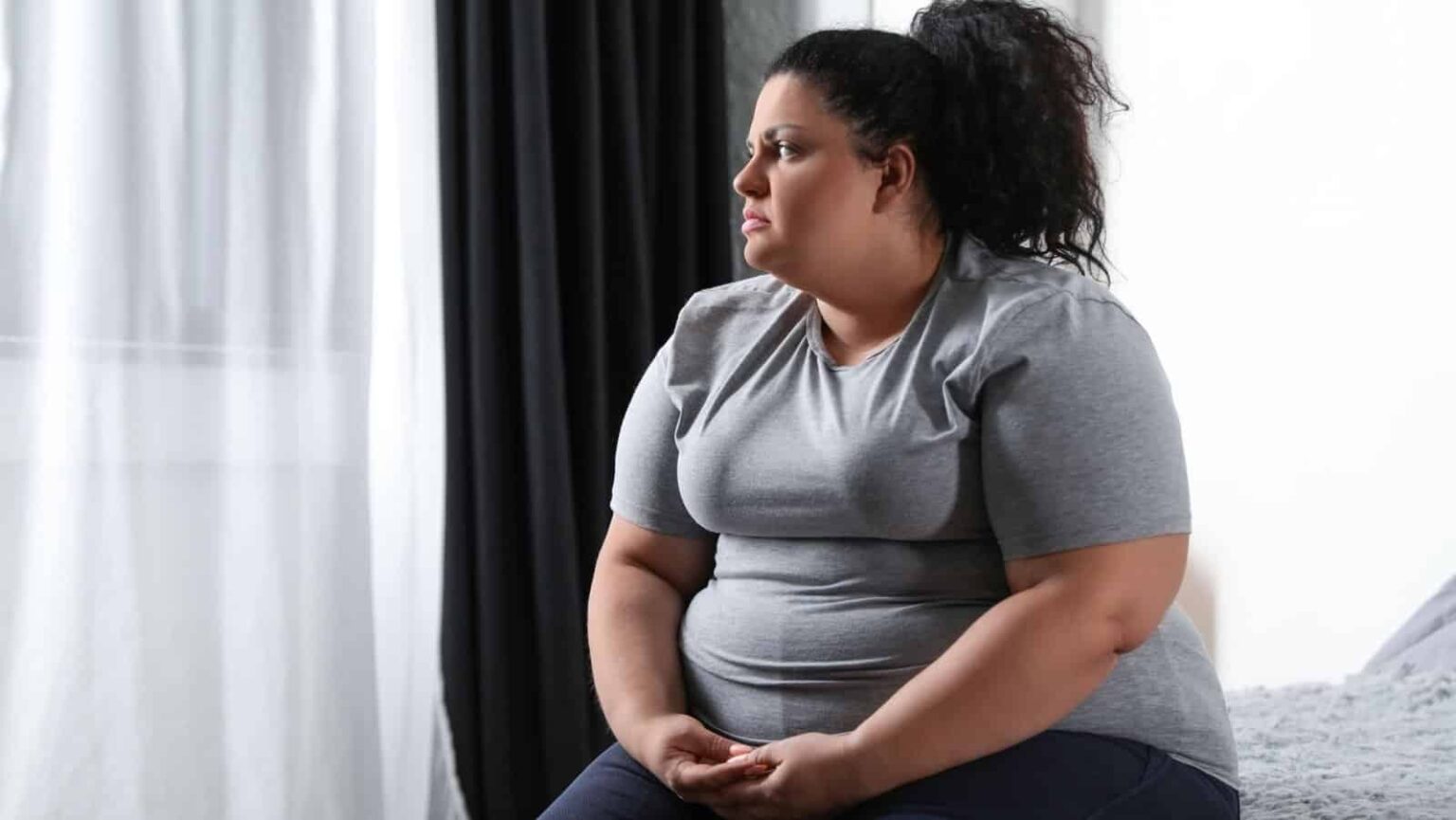
Fetishization often involves turning a person into an idea. Instead of seeing you as an individual, someone may expect you to behave according to a stereotype connected to your body, background, or identity.
For example, they may assume certain personality traits based on your appearance or expect you to fit a fantasy they have created. These assumptions can feel flattering at first because they may sound like compliments, but they can eventually become limiting.
Even seemingly positive assumptions can create pressure because they place people into categories rather than recognizing individual differences. You deserve to be appreciated for who you are, not for how well you match someone’s imagined version of a category.
They Are More Interested in the Fantasy Than the Reality
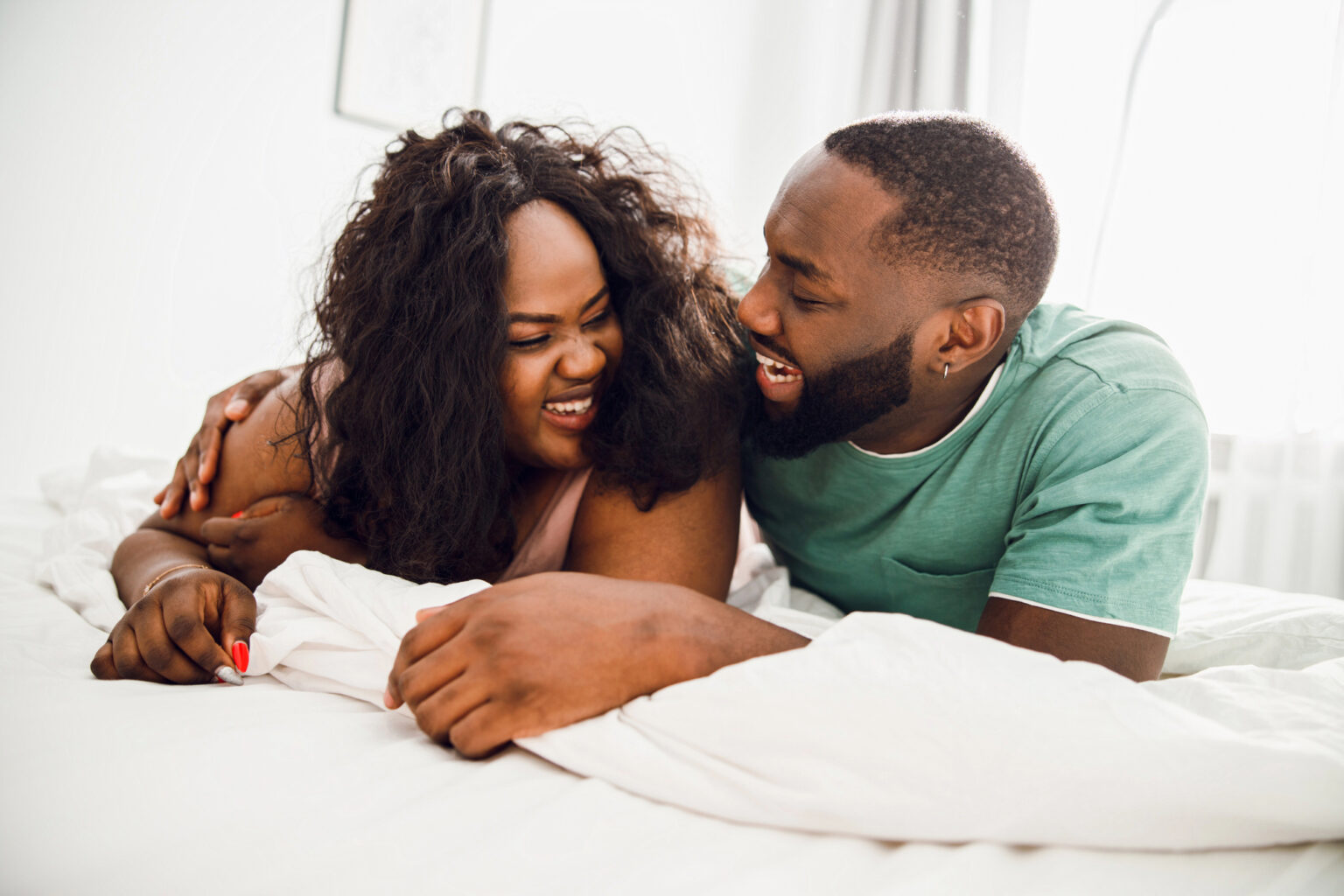
Fantasy is a normal part of human attraction. Many people have preferences, interests, and things they find appealing. The problem occurs when fantasy becomes more important than the actual person standing in front of them.
A person may become attached to an idea of you as the “curvy woman,” the “alternative woman,” the “exotic woman” without making an effort to understand your real personality. Problems arise when someone’s identity is reduced to a single characteristic rather than being recognized as complex and complete.
A healthy attraction allows fantasy and reality to coexist. A person can appreciate what they find attractive while still respecting their individuality, emotions, and changing needs.
They Struggle When You Change

People naturally change over time. Bodies change, styles change, priorities change, and life circumstances change. A strong relationship adapts because the connection is built on more than one physical characteristic.
A warning sign appears when someone becomes upset because your appearance changes or when they make you feel less desirable because you no longer perfectly match their preferred image.
According to Phil and Maude, acceptance and support are important components of peace in a relationship and satisfaction. When both partners feel accepted, they are more likely to communicate openly and resolve conflicts in healthy ways.
Someone who truly loves you should be able to appreciate your body while also understanding that you are a person who will continue evolving. Love that depends entirely on maintaining a specific appearance is not the same as love that grows with you.
They Make You Feel Like Your Body Is the Most Valuable Thing About You
According to Just Stop Dating, one sign that a preference has crossed into fetishization is when you begin feeling like your value depends mainly on the trait someone finds attractive.
You should not be in a relationship feeling like you are only desirable because of your body, identity, or appearance. A healthy partner adds confidence to your life. They make you feel appreciated, respected, and understood.
Negative experiences related to body size can influence self-esteem, relationship satisfaction, and mental health. This is why respect and acceptance matters a lot in relationships.
The goal is not to avoid partners who have preferences. Everyone has preferences. The goal is to find someone who can appreciate something about you without reducing you to that one thing. You deserve to be loved as a whole person, not as a category, fantasy, or feature.
Key Takeaways

The difference between a preference and fetishization is not always obvious. A person can genuinely love a certain body type, appearance, or characteristic while still respecting the person attached to it.
The question is not: “Do they like this part of me?” The better question is: “Do they still see all of me?”
Healthy attraction says, “I love this about you.” Fetishization says, “I only love you because of this.”
Everyone deserves a relationship where they feel desired, respected, and valued, not just for how they look, but for everything that makes them who they are.
Disclaimer: This list is solely the author’s opinion based on research and publicly available information. It is not intended to be professional advice.
Like our content? Be sure to follow us
MORE TCF GAMES