
There is a quiet shift happening in digital commerce, and it is being led by plus size fashionistas who understand trust better than most brands ever have.
Plus size women are not just posting outfits or sharing hauls. They are shaping buying behavior, influencing confidence, and driving real revenue through social commerce. Not loudly. Not performatively. Just consistently and effectively.
If you have ever clicked add to cart because a plus size woman showed you how something actually fits, stretches, or holds up in real life, then you already understand the power of plus size social commerce. This is not hype or trend chasing. This is credibility built through lived experience and community trust turning into sales.
And the data backs it up.
Plus Size Women Are Redefining Digital Commerce
Digital commerce did not change because platforms added new tools. It changed because audiences changed what they rewarded.
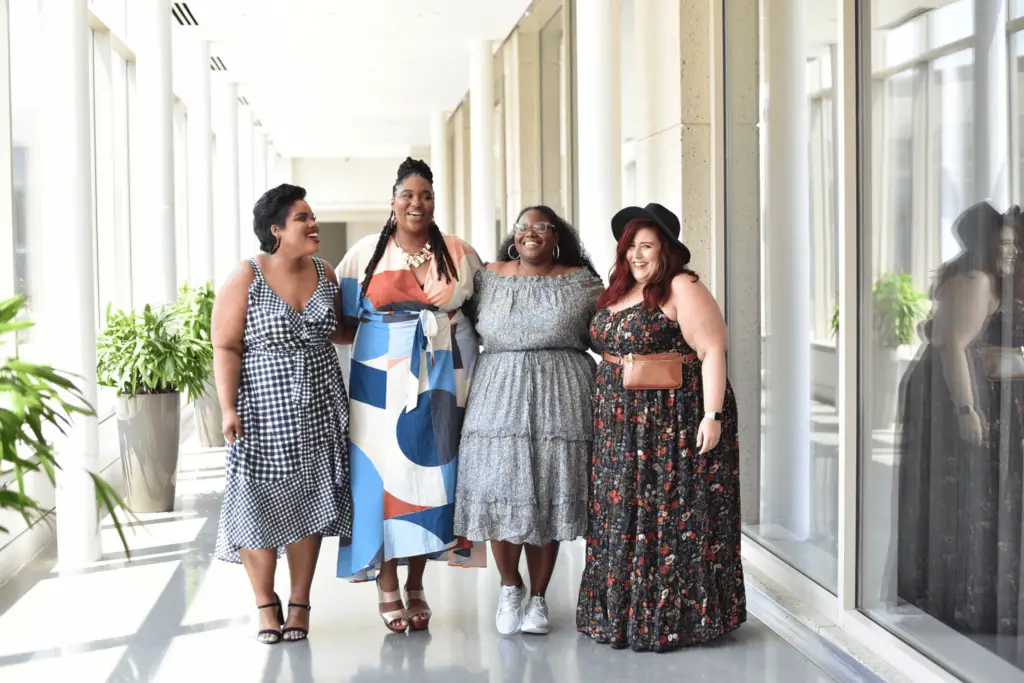
In my research, one pattern kept showing up. Content rooted in body acceptance and body neutrality is not just more visible. It performs better.
Industry trend reporting from Hootsuite shows that posts centered on body acceptance and neutrality have increased by roughly 25 percent since 2019. More telling is the response. Engagement on those posts surged by more than 300 percent in the same period. That kind of growth does not happen by accident.
It signals a behavioral shift. Consumers are no longer rewarding aspirational distance. They are rewarding relatability, honesty, and context.
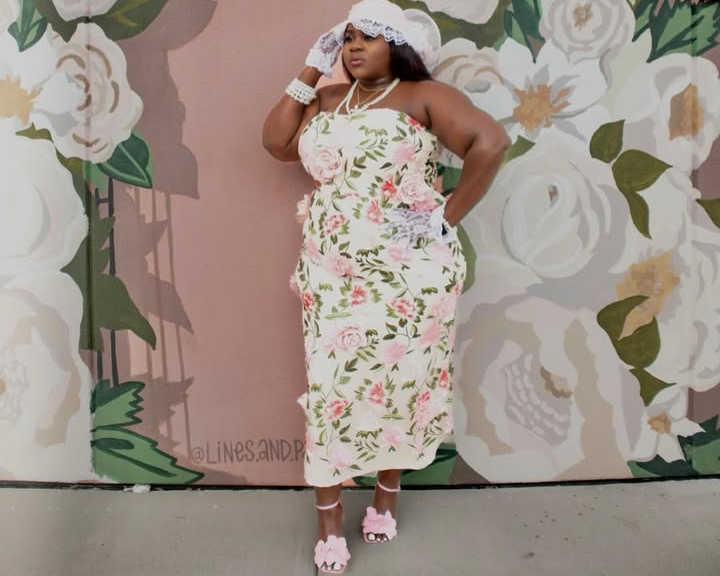
Plus size fashionistas have been operating in that lane for years. They show how clothes move. How fabrics stretch. How outfits look after sitting, walking, commuting, and living. That transparency fundamentally changes how people buy.
This is what redefined digital commerce. Not polish. Proof.
The Market Is Big and Plus Size Social Commerce Moves It
The global plus size womenswear market is projected to reach hundreds of billions of dollars over the next decade, driven by demand for better fit, expanded sizing, and real representation.
That growth is not powered by fantasy. It is powered by repeat customers who feel informed and respected.
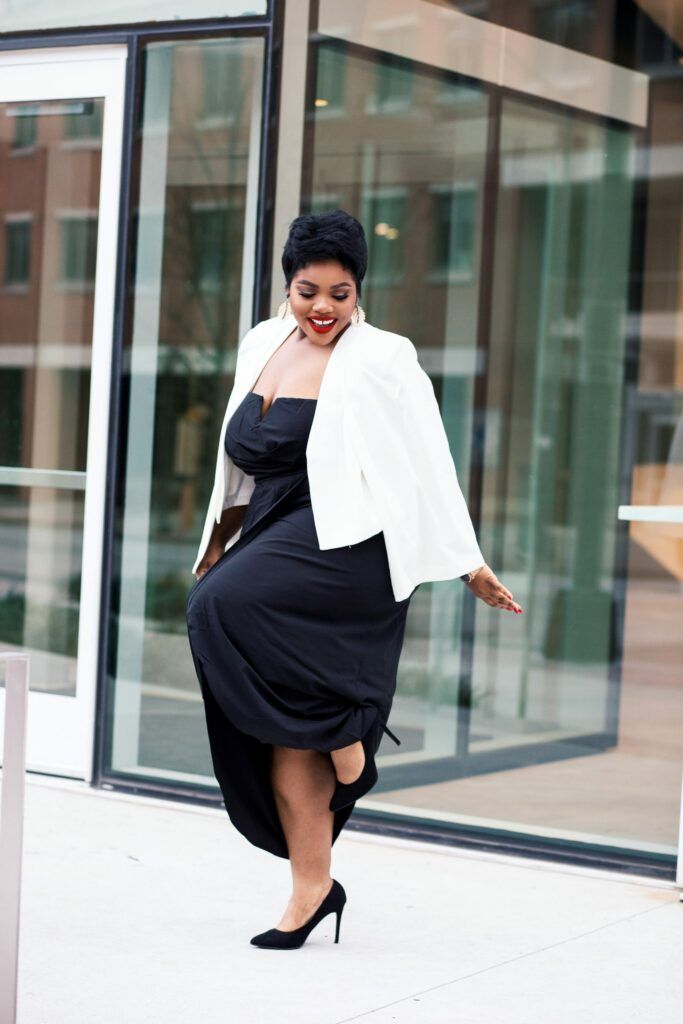
Plus size women have always had to shop with intention. In store access was inconsistent. Fit was unreliable. Marketing rarely reflected reality. So plus size shoppers learned to research deeply, rely on reviews, and trust peer experience.
Plus size social commerce works because it aligns perfectly with that behavior. Plus size fashionistas did not invent intentional shopping. They refined it and scaled it.
Plus Size Fashionistas Are the Trust Layer of Social Commerce
This is the part that still gets underestimated.
Plus size fashionistas are not just influencing style. They are influencing confidence to buy.
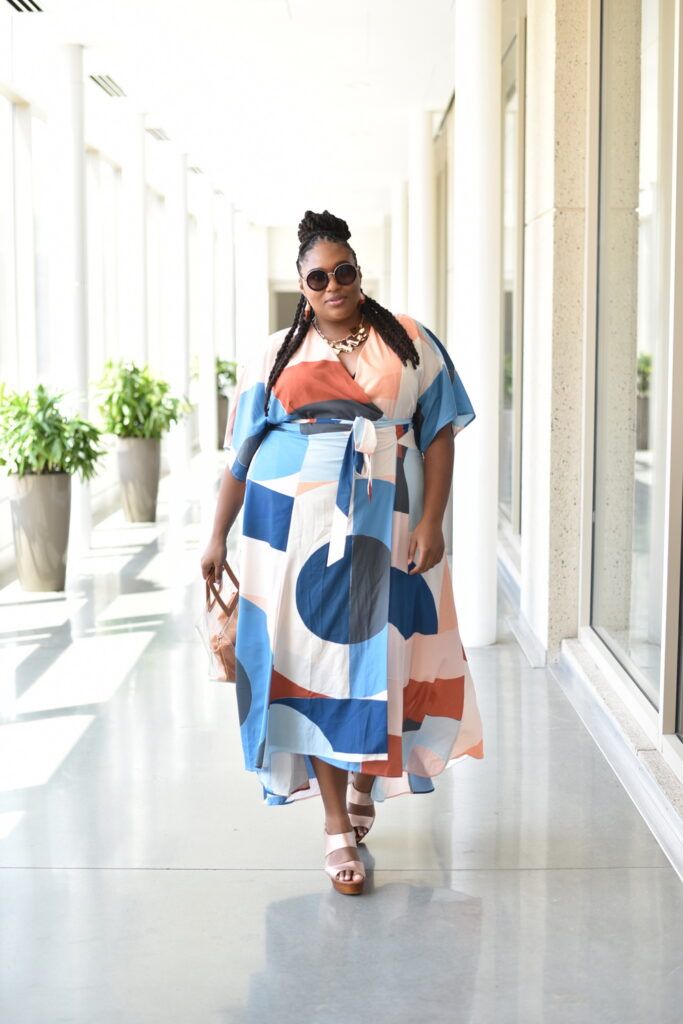
For years, plus size shoppers navigated inconsistent size charts, limited visuals, and product pages that left too much to the imagination. Peer knowledge became essential. Try-ons mattered. Honest reviews mattered. Context mattered.
That behavior is exactly what social commerce now rewards.
As plus size stylist and writer Nicolette Mason has explained, seeing clothing on bodies that reflect your own reality removes guesswork and builds confidence in purchasing decisions.
Trust is not a buzzword here. It is infrastructure. Plus size fashionistas earned their influence by telling the truth when the industry would not.
Engagement Rates Explain the Power Better Than Follower Counts
Here is where the math starts telling the truth.
Follower count has always been the industry’s favorite distraction. Big numbers look impressive on a pitch deck, but engagement is what actually moves product. And when you look at engagement, the hierarchy flips.
In digging through influencer performance benchmarks, one thing becomes very clear.
Smaller creators consistently outperform larger ones. Data analyzed by SocialInsider shows that nano and micro creators regularly pull engagement rates nearly double those of macro and mega influencers. Not because they are louder, but because they are trusted.
This is the lane where plus size fashionistas thrive.
Many plus size creators sit in those nano and micro tiers, building audiences that actually talk back. These are not passive followers. These are people asking questions, saving posts, clicking links, and coming back for updates. When a plus size fashionista recommends something, it does not feel like an ad. It feels like someone already did the trial run and is reporting back.
And that is exactly why this matters for plus size social commerce.
Higher engagement is not about vanity metrics. It is about readiness. It signals attention, trust, and confidence to buy. When someone feels seen and informed, the jump from scrolling to checkout gets a whole lot shorter.
This is why plus size fashionistas consistently punch above their weight.
Not because they have the biggest platforms.
But because they have the strongest relationships.
And relationships are what convert.
Plus Size Fashionistas Were Built for Social Commerce
This is a story about who was prepared when the moment arrived.
Plus size women have long relied on shared knowledge to shop confidently. Fit was never guaranteed. Representation was rare. So, communities formed around honesty, comparison, and lived experience.
When social platforms introduced shopping tools, that behavior did not need to be taught. It simply scaled.
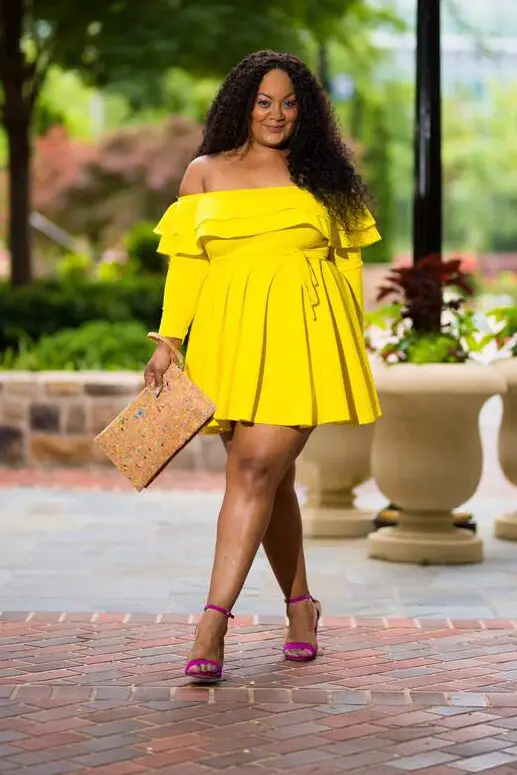
Social commerce rewards trust, repetition, and context. Those are the exact conditions plus size fashion communities have operated in for years. Creators, brands, and consumers were already in conversation. The platforms just added links and checkout buttons.
That is why plus size fashionistas convert so well. Not because they are louder or trendier, but because their influence is grounded in accountability and care.
Revenue Is Already Flowing
Social commerce is no longer experimental, and the money trail makes that clear.
In looking at creator economy data, it is evident that creators are no longer just influencing purchases.
They are closing them.
According to reporting compiled by Business Insider and industry surveys tracking creator monetization, roughly one in four creators actively sold products or services directly through social platforms in 2023, using tools like in-app checkout, affiliate links, and creator storefronts. A significant share of those creators generated between $1,000 and $5,000 in social commerce revenue within a single year, even without massive followings.
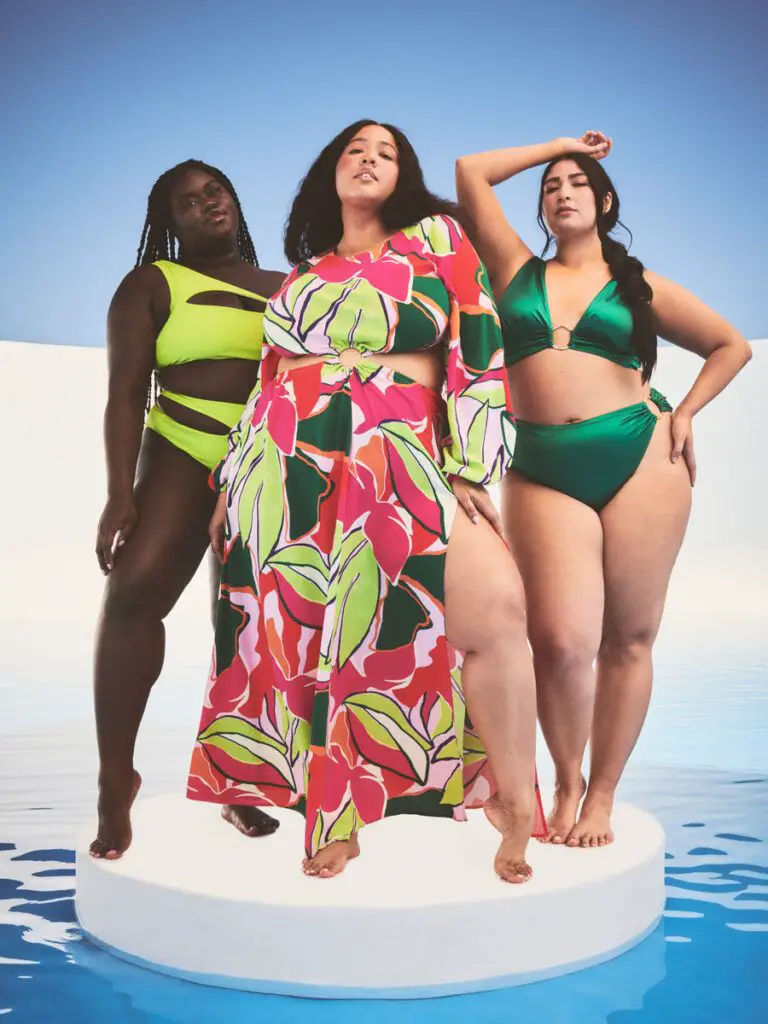
That context matters in the plus size space.
Plus size fashionistas are often operating with smaller but more engaged audiences, which means revenue is driven less by scale and more by trust. When a recommendation comes from someone who has already done the fit testing, the return process, and the real-life wear, the friction drops.
What makes this especially notable is that monetization in the plus size space frequently happens alongside advocacy. These creators are not choosing between values and income. They are proving that honesty builds loyalty and loyalty builds revenue.
This is not passive influence.
This is active commerce.
This Influence Extends Beyond Fashion
Plus size fashionistas are not just changing how clothes are sold. They are reshaping narratives around visibility, professionalism, health, and confidence.
Fitness creators normalize movement in plus size bodies. Wellness voices challenge diet culture. Fashion creators redefine what style looks like outside of sample size standards.
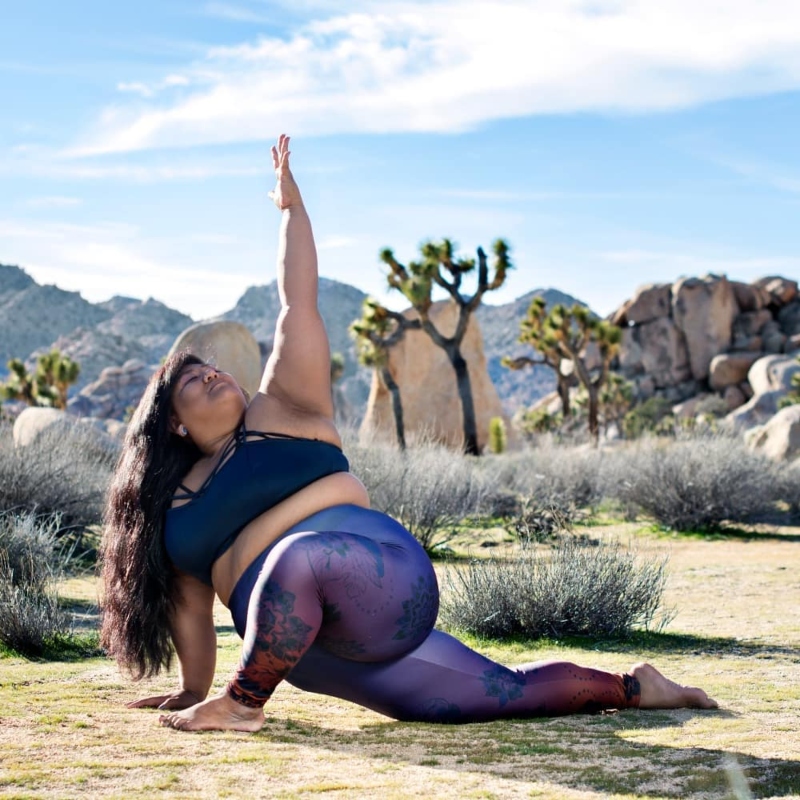
For brands, partnerships in this space offer more than reach. They offer alignment with values audiences already hold and defend.
The Future of Plus Size Social Commerce Is Already Here
Social commerce continues to grow, driven by younger consumers who expect transparency, alignment, and ease of purchase. Plus size women are not emerging in this space. They are established.
This is what brands and platforms need to understand.
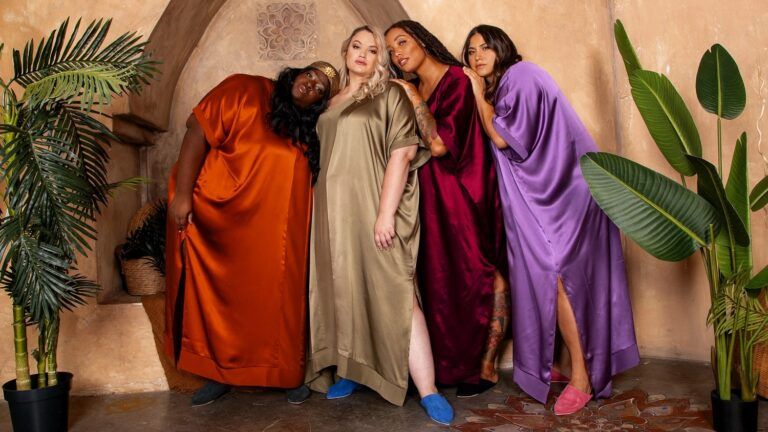
Plus size fashion lovers did not wait for inclusion. They created ecosystems where trust mattered more than trends and community mattered more than polish. Social commerce did not invent this movement. It simply gave it infrastructure.
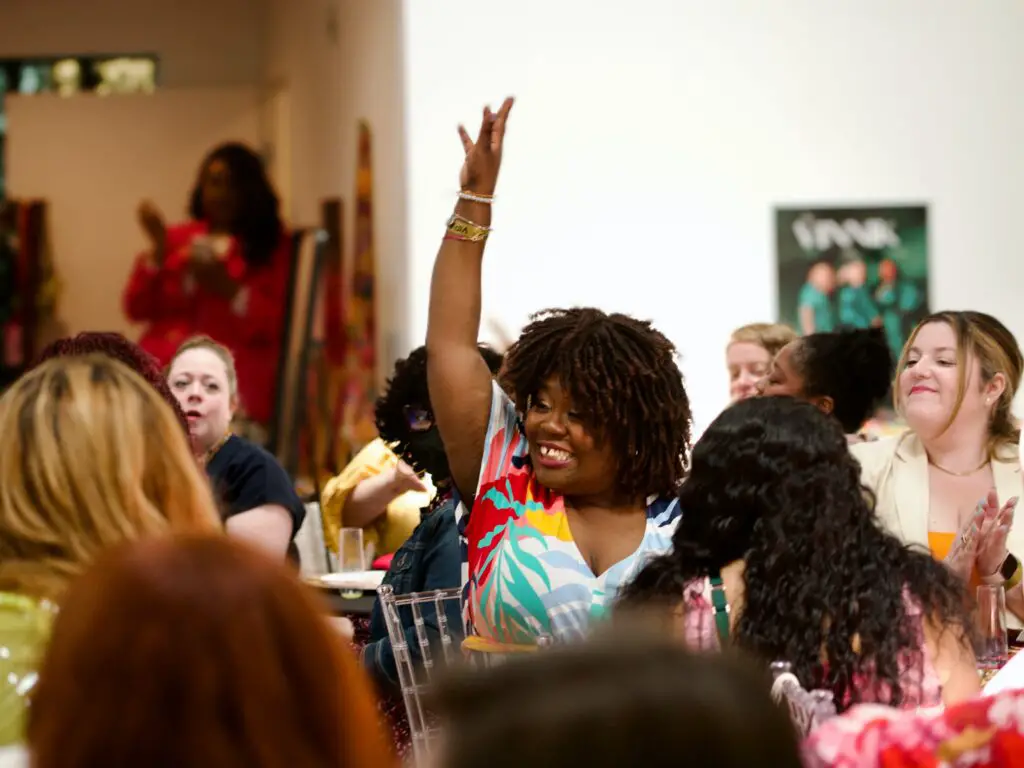
Representation turned into credibility. Credibility turned into influence. Influence turned into revenue. And now plus size social commerce stands as one of the clearest examples of what happens when people who have historically been excluded are allowed to lead.
If anyone is still questioning whether plus size women move markets, the answer is already visible in the engagement, the conversions, and the loyalty.
The future of commerce is not aspirational fantasy.
It is plus size fashionistas telling the truth and getting paid for it.
And that is not a trend. That is a shift.
So, if brands are still asking whether plus size creators matter, the answer is simple.
Check the revenue.
And then catch up.