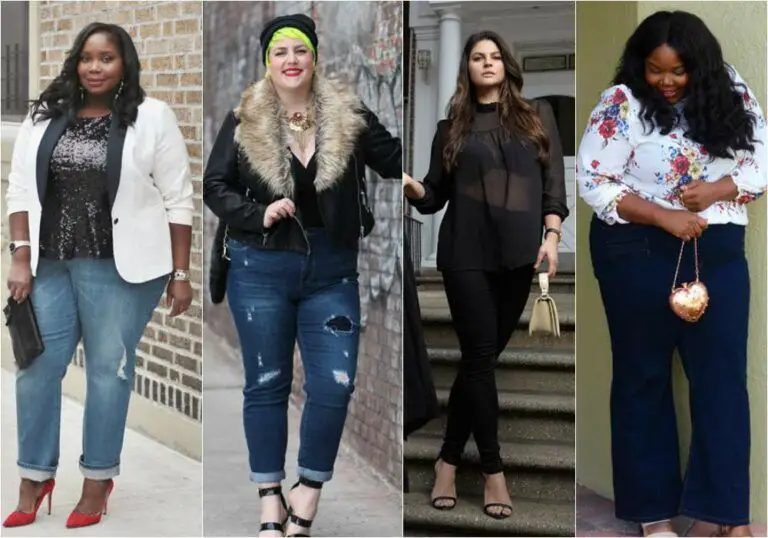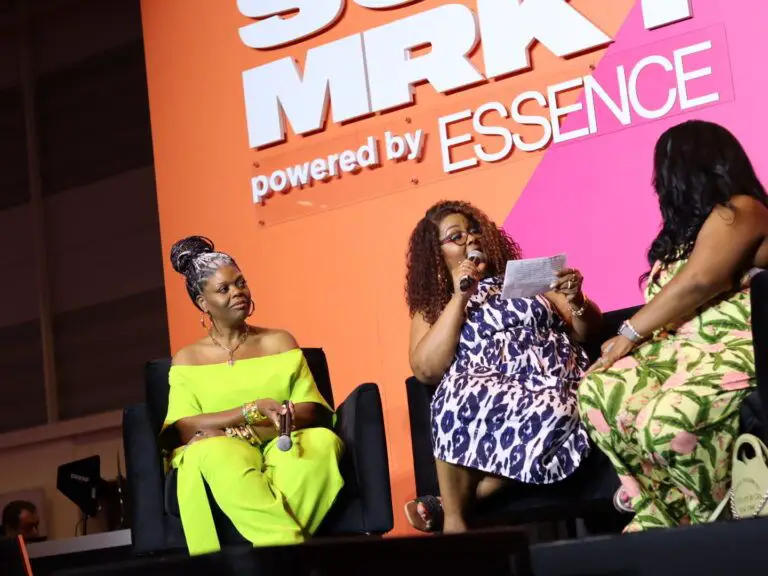
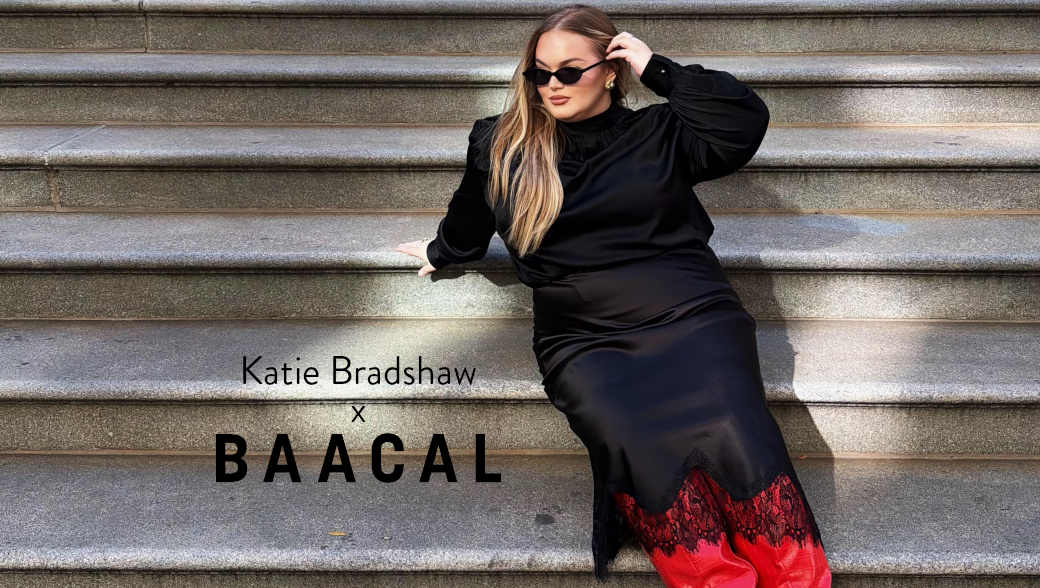
There was a time when walking into a contemporary fashion store as a plus size woman felt like being invited to the party, handed a drink, and then told not to sit on the furniture. The clothes were right there. Sharp tailoring. Elevated fabrics. That grown woman with taste price point. And yet the size range made one thing very clear. This space was not built with you in mind.
For years, plus size contemporary fashion existed in a strange limbo. The clean lines, the effortless polish, the cool girl energy were everywhere, just never in our sizes. If you wore above a size 14, contemporary fashion had a polite but firm suggestion. Admire from afar. Shop somewhere else. Do not ask follow-up questions.
And still, plus size women wanted exactly what those brands were selling. Not watered down versions. Not a separate tab online. The same clothes. The same quality. The same experience. Because style does not magically change once you cross a certain number on a tag.
Now, the tone is shifting. Contemporary brands are expanding their size ranges, casting plus size models, and in some cases actually putting these sizes on the sales floor. Not as a favor. Not as a trend cycle moment. But because the industry is finally catching up to what plus size shoppers have always known.
We belong here. Always have.
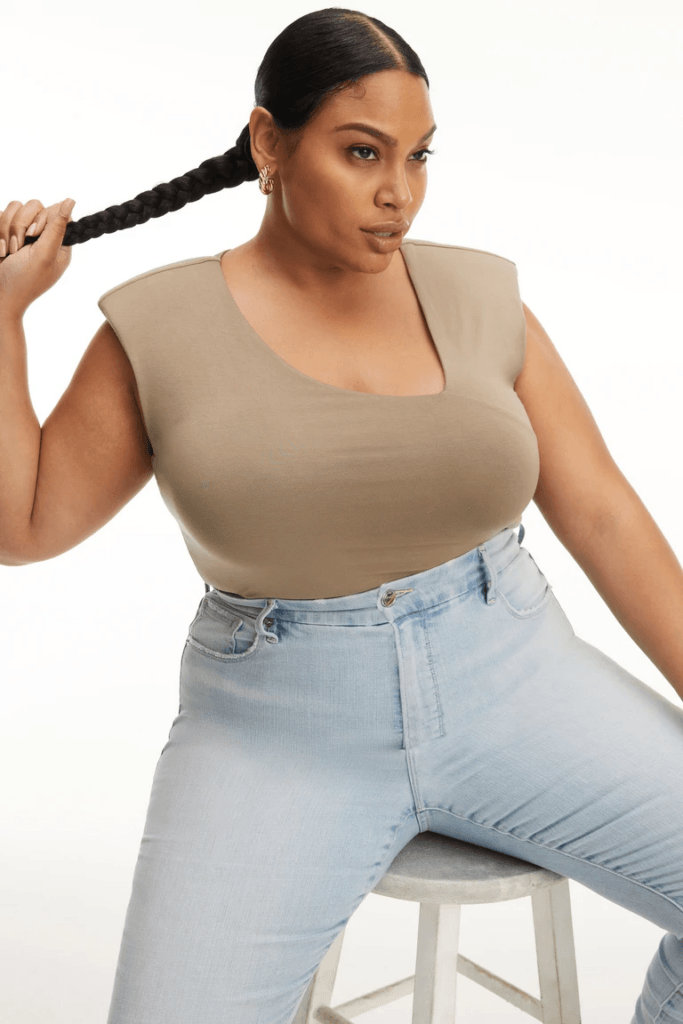
So why now? And what does this shift in contemporary fashion actually mean for plus size shoppers moving forward?
The Plus Size Contemporary Fashion Market Was Never Small
The plus size apparel market in the United States alone is valued at over $60 billion, according to data from Statista. That is not niche. That is not experimental. That is a major consumer segment with real spending power.
As retail analyst Marshal Cohen of The NPD Group told The New York Times,
“Retailers that ignore the plus size customer are leaving significant money on the table.”
For years, contemporary brands convinced themselves that plus size shoppers were not their customer. Meanwhile, those same shoppers were spending money elsewhere, often out of necessity rather than preference.
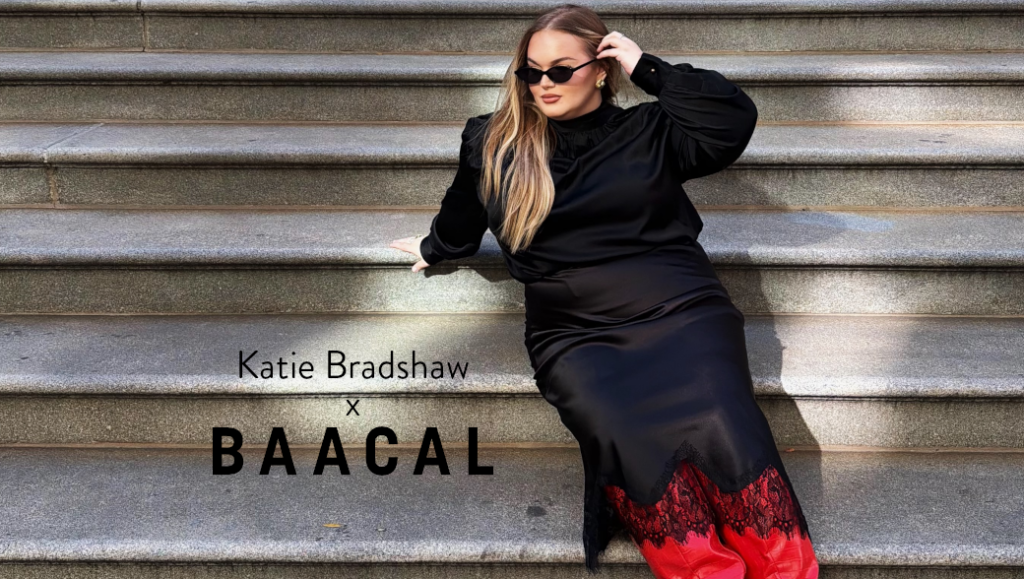
Once brands started seeing independent designers, size inclusive retailers, and direct to consumer labels build loyalty and revenue with plus size shoppers, the financial case became impossible to ignore.
This was not about discovering a new customer. It was about finally acknowledging an existing one.
Social Media Changed Who Gets to Shape Fashion Narratives
Before social media, brands controlled the story. Now, consumers do.
Platforms like Instagram and TikTok gave plus size women the ability to document shopping experiences, call out exclusion in real time, and celebrate brands that actually showed up. One viral fitting room video can undo years of polished brand messaging.
Fashion psychologist Dr. Dawnn Karen explains that visibility creates accountability.
“When consumers see themselves represented and then excluded in real life, that disconnect creates distrust and backlash.”
Contemporary brands quickly learned that silence was no longer neutral. If you did not offer inclusive sizing, people noticed. And they talked.
Publicly.
Younger Shoppers Expect Better, Not Just Prettier
Millennials and Gen Z are not shopping the way previous generations did. They care about values, representation, and alignment. According to McKinsey & Company, younger consumers are more likely to support brands that reflect diversity and inclusivity across race, size, and gender.
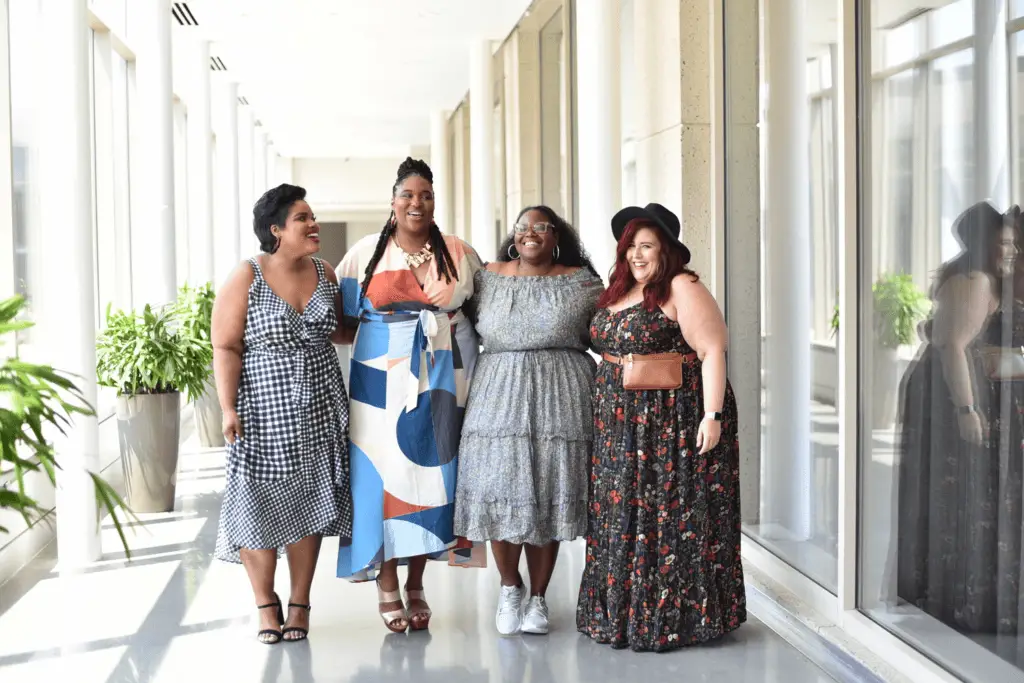
McKinsey reports:
“Consumers increasingly expect brands to stand for something beyond product.”
For contemporary brands trying to build long term relevance, ignoring plus size shoppers is not just exclusionary. It is short sighted.
You cannot market yourself as modern while clinging to outdated size standards.
The Technical Excuses Did Not Hold Up
For years, brands leaned on the same explanation. Fit is complicated. Patterns do not translate. Quality will suffer.
Except that was never true.
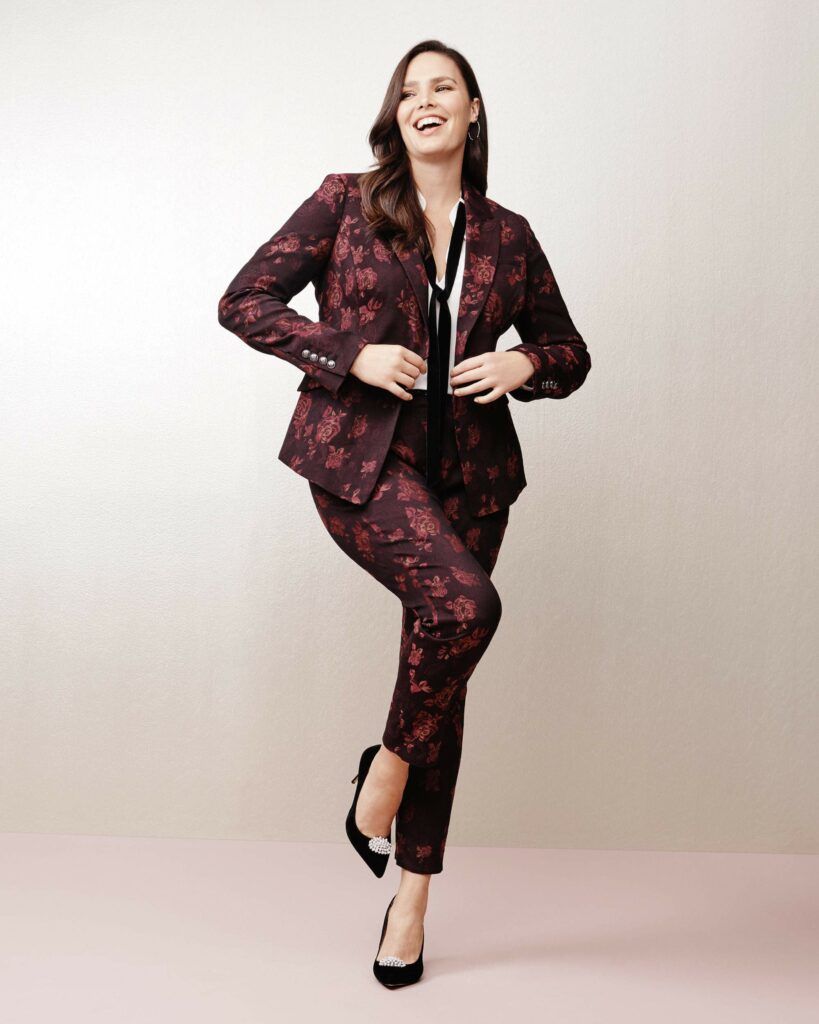
As Vogue Business reported, size extension is entirely feasible when brands invest in proper fit models and pattern grading.
“The challenge is not technical capability, but willingness to invest.”
Once brands decided plus size shoppers were worth the investment, those so called barriers disappeared quickly.

Funny how that works.
Plus Size Creators Proved the Clothes Looked Good All Along
When plus size influencers styled contemporary fashion through vintage finds, tailoring, or limited extended sizing, they showed what brands refused to imagine. The clothes worked. The silhouettes translated. The aesthetic held up.
Fashion editor Emilia Petrarca noted in The Cut that representation shifts perception.
“Once people see clothing styled well on different bodies, the argument against inclusion collapses.”
Brands took note. Not because it was right, but because it was effective marketing they were missing out on.
What Plus Size Contemporary Fashion Still Gets Wrong
Let’s be honest. Progress does not equal arrival.
Many contemporary brands still limit plus size options to online only. Size ranges often stop short. In store experiences remain inconsistent. Representation is still sometimes performative instead of integrated.
One model is not inclusivity. One collection is not commitment.
But the shift matters.
The door that was once locked is now open. And plus size shoppers are not asking for permission anymore. We are walking in with expectations.
What Needs to Happen Next
And here is the part contemporary fashion sometimes forgets. Plus size women are not standing around with empty closets and crossed fingers. While some brands debate size ranges and roll out cautious, half-hearted expansions, we are already shopping plus size indie contemporary designers who understand fit, respect bodies, and deliver inclusion with a side of real style.
These designers are not treating inclusivity like a marketing experiment. They are building it into the foundation. The patterns. The proportions. The experience. Season after season, they prove that contemporary fashion works beautifully on plus size bodies when it is designed with intention, not hesitation.
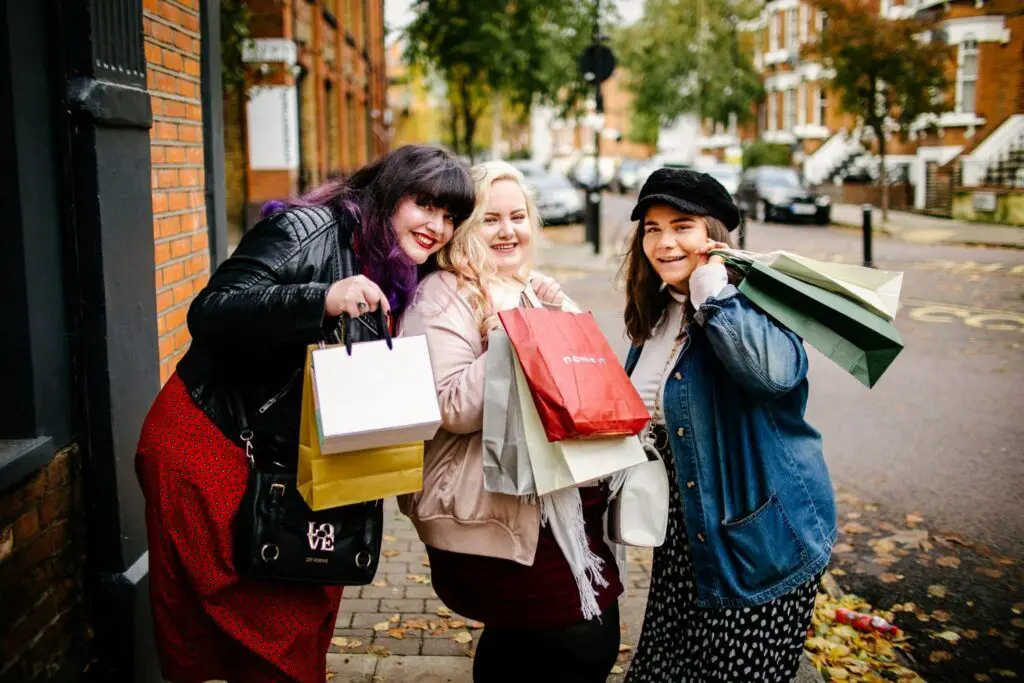
So yes, we are paying attention. We see which contemporary brands are stepping up thoughtfully and which ones are still dragging their feet. But until size inclusion is fully integrated, consistent, and visible, we will continue to support the size-inclusive and plus size designers who already see us, serve us, and style us without conditions.
Because plus size shoppers were never asking for permission to belong. We have always belonged. And we will keep spending our money accordingly.