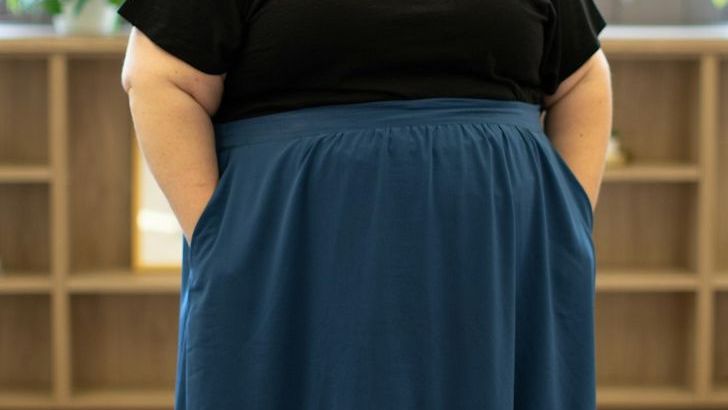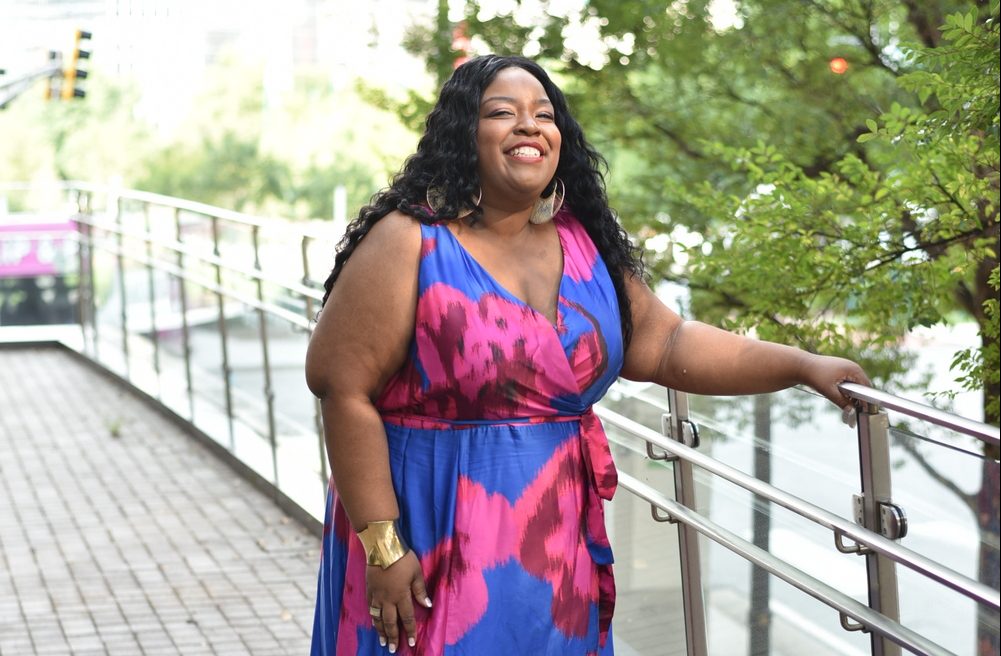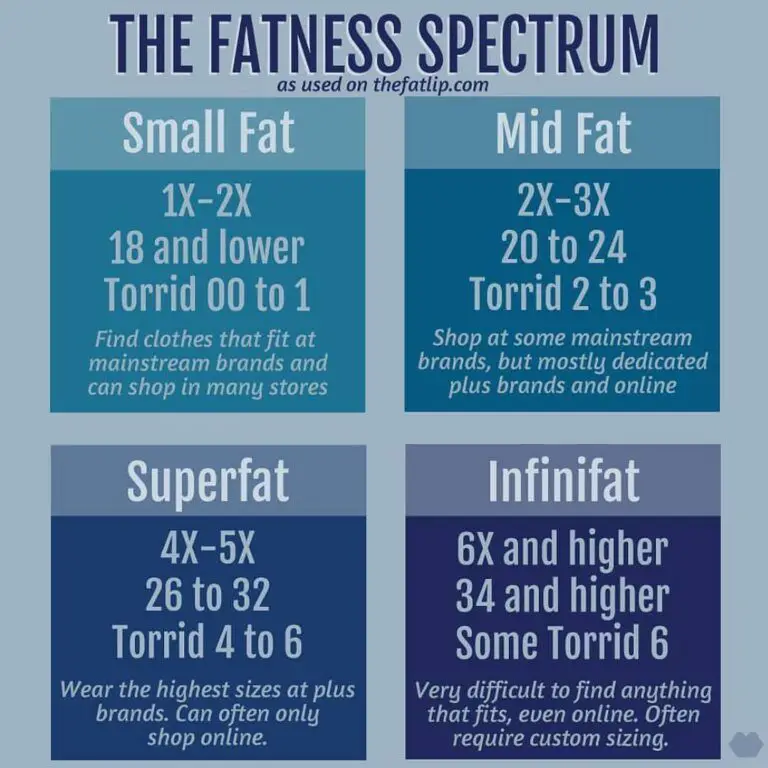

We love to say we value diversity in leadership. We post the statements. We host the panels. We applaud the progress around race, gender, and age. And yet, somehow, leadership still has a very specific look. Tall. Thin. Able-bodied. Polished in a way that quietly communicates, I belong here. Body diversity in leadership remains the conversation we avoid, even as we claim to be building inclusive workplaces. And yes, that disconnect matters.
Take a moment to picture a CEO. Be honest. The image that popped into your head probably did not include a visibly fat body, a mobility aid, or someone whose presence challenges conventional beauty standards. That is not accidental. That is conditioning. We have normalized a narrow leadership aesthetic and treated it like a merit badge. The result is a professional landscape where talent is abundant, but opportunity is filtered through bias that rarely gets named out loud.
The Unspoken Rules of the Leadership Look
Leadership is often framed as a skill set, but in practice, it comes with an unspoken dress code that goes far beyond clothing. Bodies are read as symbols. Thinness is mistaken for discipline. Height is equated with authority. Able-bodiedness is interpreted as stamina. These assumptions are not rooted in evidence, but they are deeply embedded in hiring, promotion, and perception.

Body diversity in leadership challenges those assumptions at the root. When leaders all look the same, we confuse familiarity with competence. We reward people who fit the mold rather than those who stretch it. That costs organizations far more than they realize.
Weight Bias Is Not a Vibe, It Is Data
Weight discrimination at work is well documented, even if it is rarely addressed head-on. Research consistently shows that people in larger bodies experience lower wages, fewer promotions, and harsher performance evaluations compared to their thinner peers with the same qualifications. Women face especially steep penalties, with higher weight correlating to reduced earnings and perceived leadership potential.
As roles become more senior, bodies become more uniform. This is not because fat people lack ambition or capability. It is because bias compounds as the stakes rise. When leadership decisions rely on subjective measures like executive presence or culture fit, body size becomes an easy proxy for exclusion.
Representation Is Not Cosmetic, It Is Cultural
Leadership teams send signals, whether they mean to or not. When every executive looks like they came from the same catalog, employees notice. Body diversity in leadership tells people that success is not reserved for one type of body. That matters for morale, retention, and psychological safety.
When employees see leaders who reflect their lived realities, trust grows. Engagement deepens. People are more likely to speak up, take risks, and imagine themselves advancing. Inclusion is not just about who is hired. It is about who is visible, valued, and believed.
The Health Excuse Needs to Retire
Body bias often hides behind the language of health, especially in leadership spaces. The implication is subtle but damaging. Health is framed as a prerequisite for leadership, and body size is used as evidence. This logic collapses under even mild scrutiny.
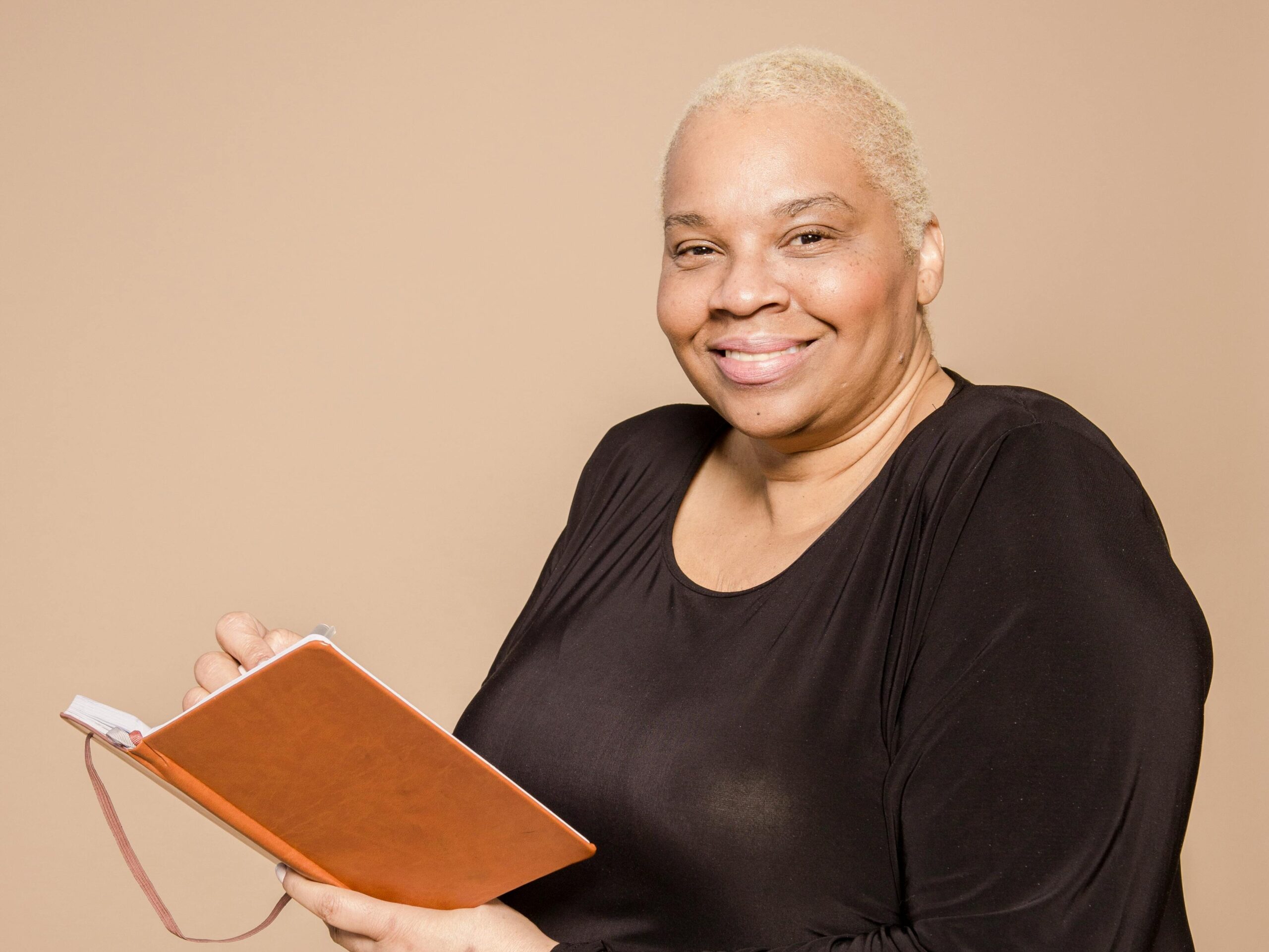
Health cannot be determined by appearance. Thin people can be chronically ill. Fat people can be metabolically healthy. Stress, burnout, and overwork are rampant in leadership and rarely visible on the outside. Using health as a justification for excluding certain bodies is not a concern. It is biased dressed up as professionalism.
Lived Experience Builds Better Leaders
Body diversity in leadership brings more than optics. It brings perspective. Leaders who have navigated spaces not built for their bodies develop adaptability, empathy, and resilience that cannot be taught in an MBA program. They understand barriers because they have lived them.
That lived experience translates into sharper decision-making. Leaders who know what exclusion feels like are more likely to challenge systems that perpetuate it. They are better equipped to design products, policies, and cultures that work for more people.
Consider the economic impact alone. The plus size consumer market represents billions in spending power, yet remains underserved and misunderstood. Leaders who understand the market from the inside are not niche voices. They are strategic assets.
Executive Presence Is Not a Body Type
Executive presence is one of the most abused phrases in corporate culture. It is vague enough to sound objective and subjective enough to justify almost any exclusion. Too often, it becomes shorthand for looking the part rather than doing the work.
True executive presence is about clarity, confidence, communication, and credibility. None of those qualities is size-dependent. When we conflate leadership with aesthetics, we reduce the role to performance instead of impact.
History is full of influential leaders who did not conform to beauty norms, yet moved people, markets, and movements. The idea that leadership requires a specific body is not traditional. It is laziness.
What Exclusion Actually Costs
When body diversity in leadership is absent, organizations lose more than representation. They lose innovation. Homogeneous leadership teams are more likely to suffer from groupthink, blind spots, and risk aversion. Diverse teams challenge assumptions and produce better outcomes.
There is also a talent cost. When capable leaders are overlooked due to bias, they disengage or leave. Replacing that talent is expensive. Developing it internally would have been smarter.
Beyond business metrics, there is an ethical cost. When leadership pathways are shaped by appearance, merit becomes conditional. That undermines trust in the system itself.
Inclusion Requires More Than Statements
Real inclusion demands structural change. Organizations serious about body diversity in leadership must interrogate their processes. Are interviewers trained to recognize weight bias? Are physical requirements actually necessary? Are leadership development programs accessible to bodies of all sizes?

Talent pipelines should be expanded intentionally. Sponsorship matters. Mentorship matters. Who gets tapped on the shoulder matters. Inclusion does not happen passively. It happens when leaders decide it will.
And no, wellness initiatives that shame bodies do not count as inclusion.
Leadership Sets the Tone
Current leaders have disproportionate influence over what is considered normal. That influence can either reinforce bias or disrupt it. Advocating for body diverse candidates in promotion conversations matters. Challenging appearance-based commentary matters. Modeling inclusive behavior matters.
Silence maintains the status quo. Leadership requires discomfort sometimes. This is one of those moments.
Why This Extends Beyond the Boardroom
Body diversity in leadership reshapes entire workplaces. Policies become more humane. Spaces become more accessible. Dress codes become less restrictive. Culture becomes less performative and more human.
When younger professionals see leaders who look like them, possibilities expand. Representation is not about inspiration alone. It is about permission.
The Future Is Bigger Than One Look
The future of leadership cannot be constrained by outdated aesthetics. Body diversity in leadership is not radical. It is realistic. It reflects the world we actually live in and the customer organizations actually serve.
The companies that embrace this will not just feel better about themselves. They will perform better, retain better talent, and build cultures that last.
The question is not whether body diversity in leadership matters. The question is how long organizations will keep pretending it does not.