
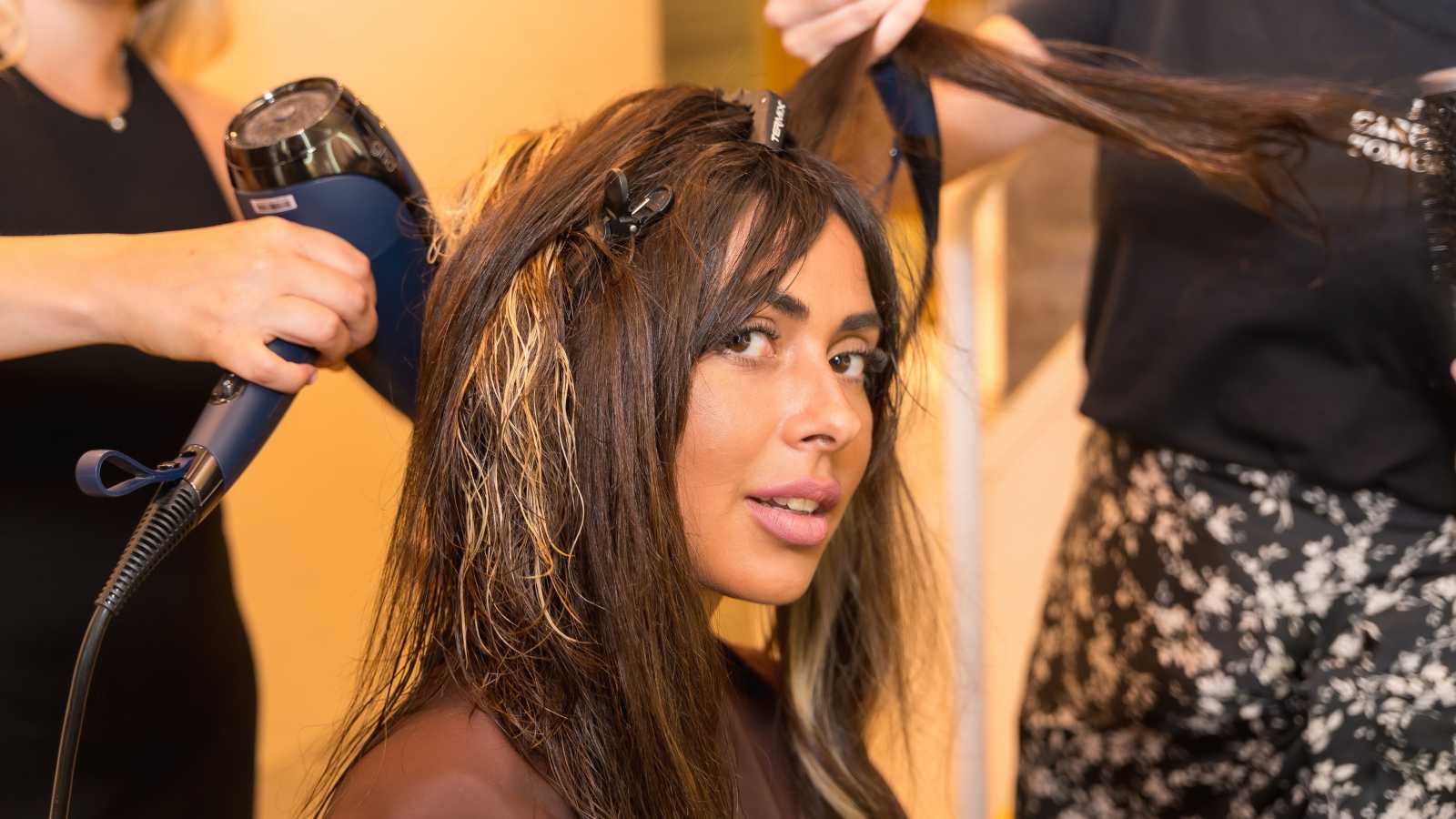
In America, there is a long-standing cultural tendency to treat a woman’s hair as public property; a canvas for societal expectations rather than personal expression.
As noted by sociologist Rose Weitz in her research on the politics of hair, “Women’s hair is never just hair.” In her work, she explores how hair serves as a constant site of social control, noting that because hair is visible and alterable, it remains one of the primary ways society enforces gender norms and judges a woman’s professionalism, morality, and even her character.
When a woman chooses a style that defies the conventional ideal, she often faces more than just a bad hair day; she faces a chorus of unsolicited critiques. Here are 14 of the most infamous styles, backed by the stylists who witnessed the fallout and the cultural pressure that keeps these critiques alive.
The Graduated Bob With Blunt Fringe
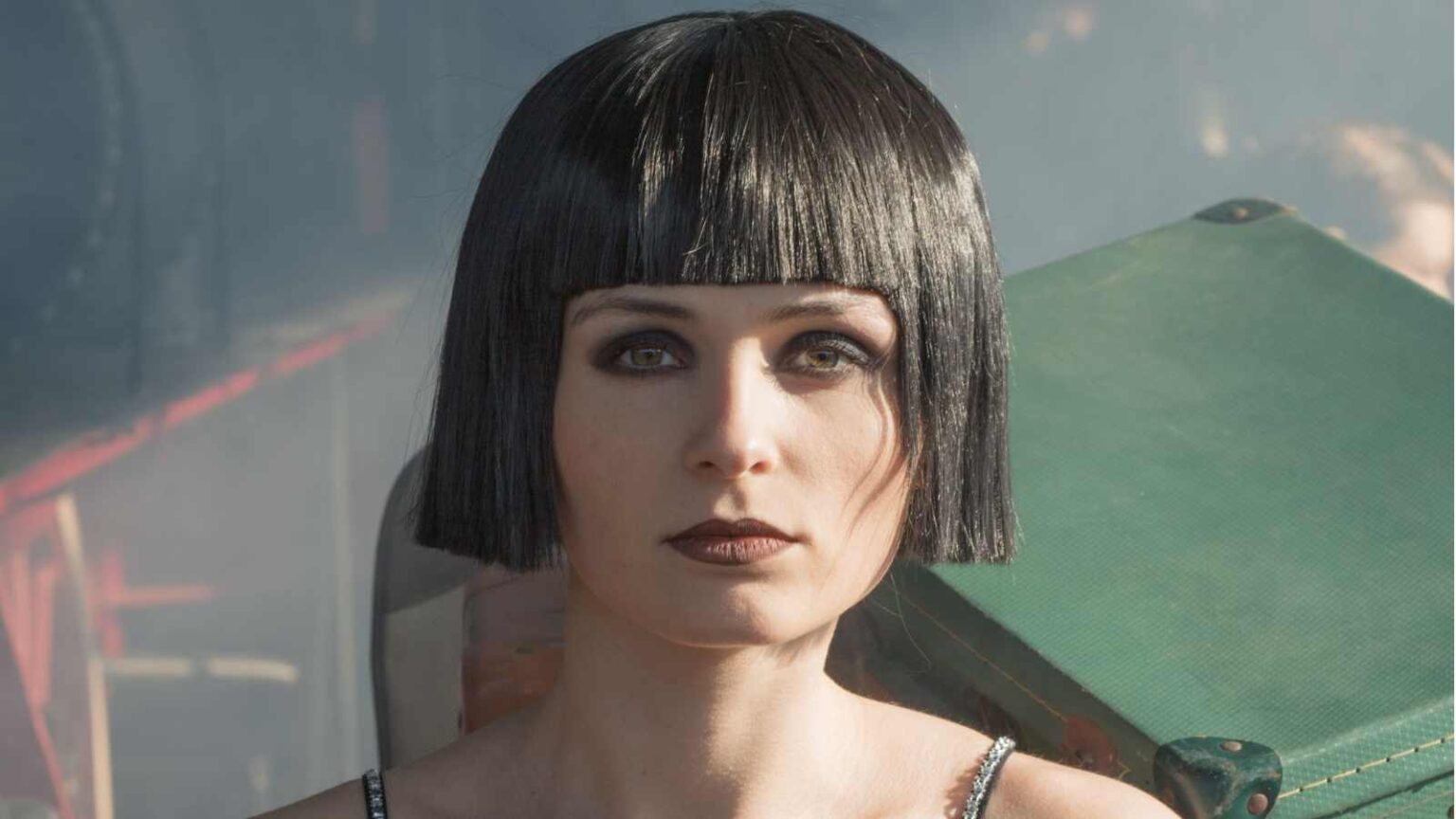
Stylists Luna Viola and Sandra Petrut, both consulted by Glam, single out the sharply angled bob paired with a straight-cut fringe as one of the fastest ways to add years to a face. The severe lines create a symmetry that highlights fine lines and asymmetry rather than softening them, Viola explains, since the cut offers the face nothing to work with.
Petrut adds that the style falls flat on aging features, especially once paired with dark, uniform color. Sharp geometry photographs beautifully under studio lighting and less kindly under fluorescent office bulbs or a phone’s front camera.
The fix stylists recommend most often involves swapping hard edges for texture that moves with natural bone structure, softening the exact lines that made the cut feel severe in the first place.
Heavy Layering
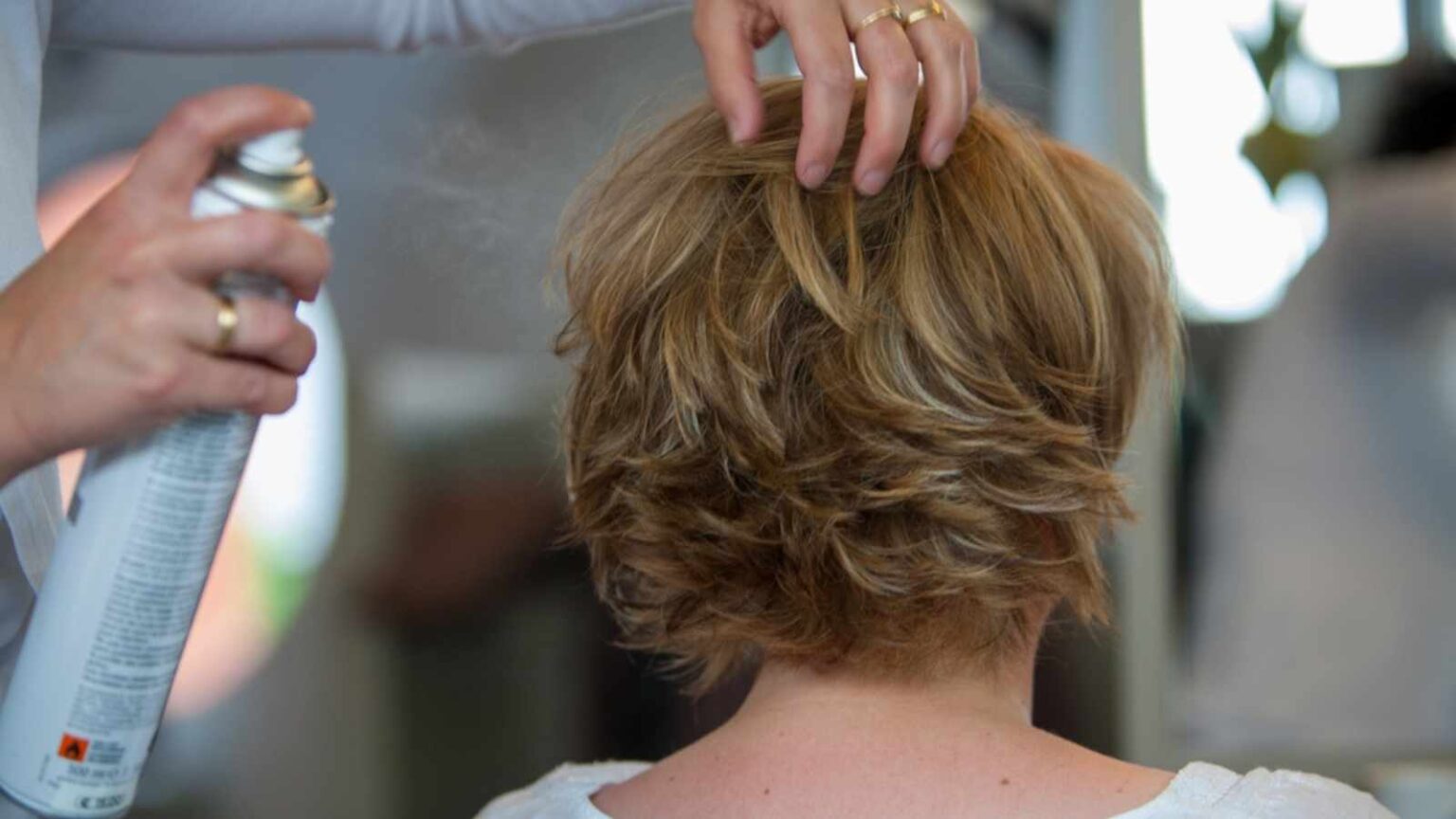
Stacking layers past a certain point stops adding volume and starts stripping it away, leaving fine hair looking thinner and more lifeless than before the cut. A shag depends on restraint. Push the texturizing too far, and the silhouette drifts into the same unbalanced shape that made mullets famous for the wrong reasons.
The line between a covetable shag and an accidental mullet often comes down to inches removed at the crown rather than the overall length of the cut. Working with a natural texture, rather than fighting to manufacture volume through over-cutting, tends to hold up better between salon visits and survives humidity with far less frizz to manage on a daily basis.
The Bowl Cut
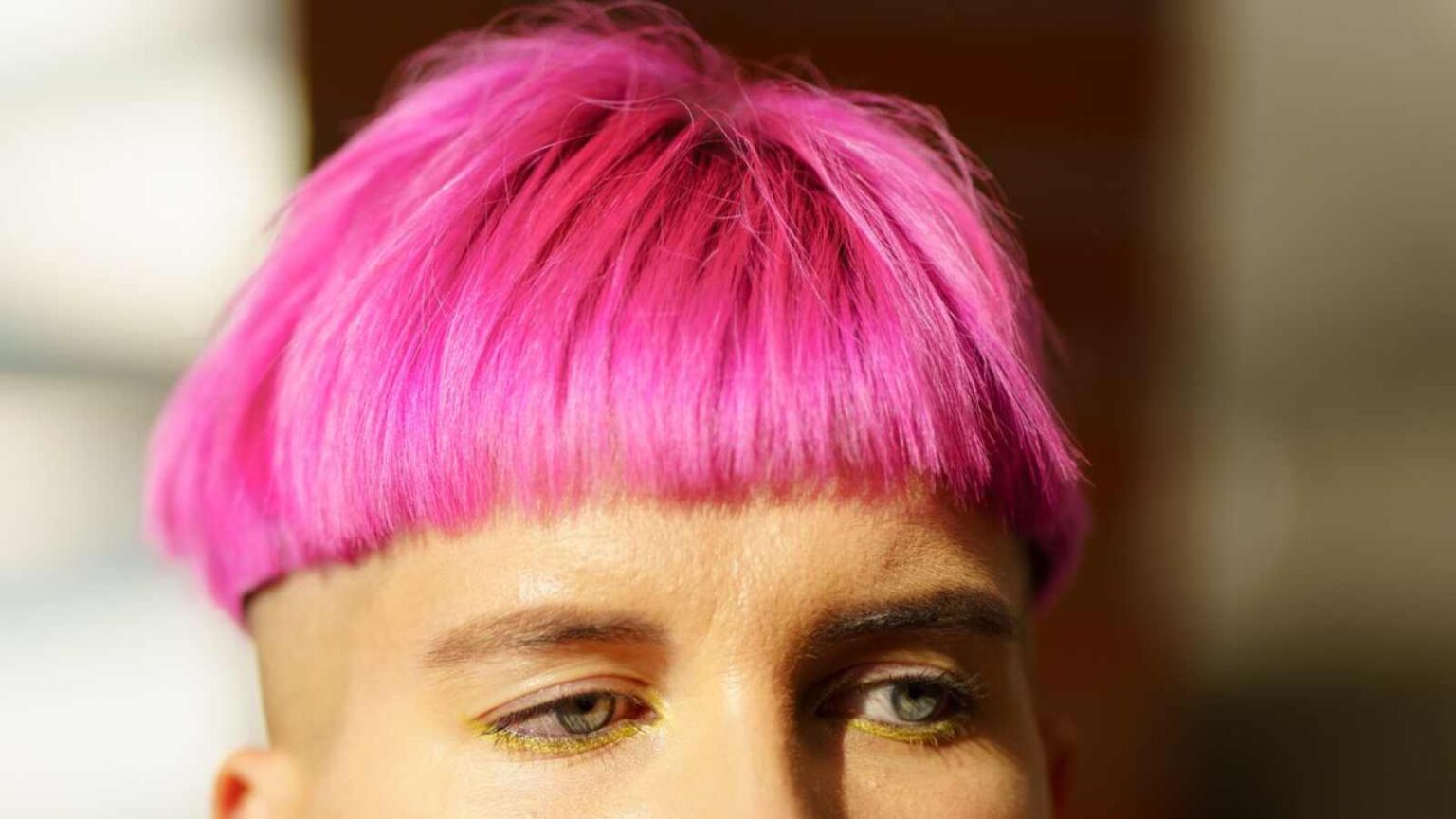
Few cuts trigger a stronger reaction than the bowl. The style dates back to home haircuts and school photo mishaps long before it became shorthand for a cut gone wrong, and that cultural memory has never fully faded.
Its silhouette leaves almost no room for individual face shape to influence the outcome, which is part of why so many versions of it look nearly identical regardless of who is wearing one. Modern versions with soft, textured layers around a pixie base manage to borrow the cropped convenience without the same visual weight sitting flush against the skull.
Precision without room for movement is precisely what keeps this one on regret lists decade after decade.
The Stacked Karen Bob
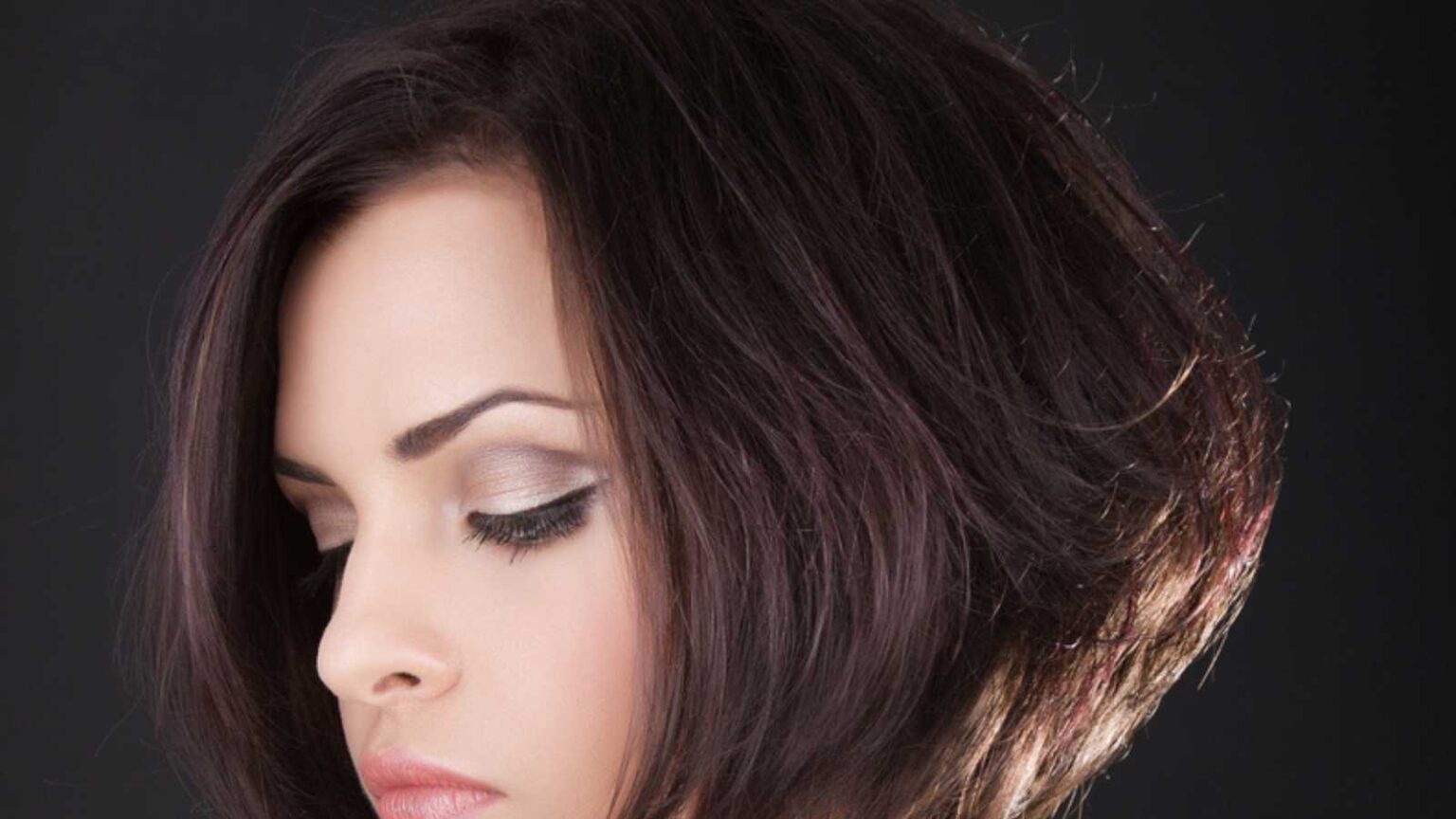
The inverted bob with heavy side-swept bangs and chunky highlights traces back to Kate Gosselin’s reality television years, before internet culture turned the shape into shorthand for entitled behavior. The technical cut, short at the nape and long through the front, is not inherently flawed.
The meme attached itself once every element got exaggerated at once, stiff crown volume, an extreme diagonal line, and high-contrast color left unblended. Removing any single ingredient tends to soften the whole impression considerably, which is why the base bob shape never actually disappeared from salon menus.
Softened, blended layers with subtle length transitions keep the underlying bob shape intact while sidestepping the reputation it picked up online over the past decade.
The Rachel
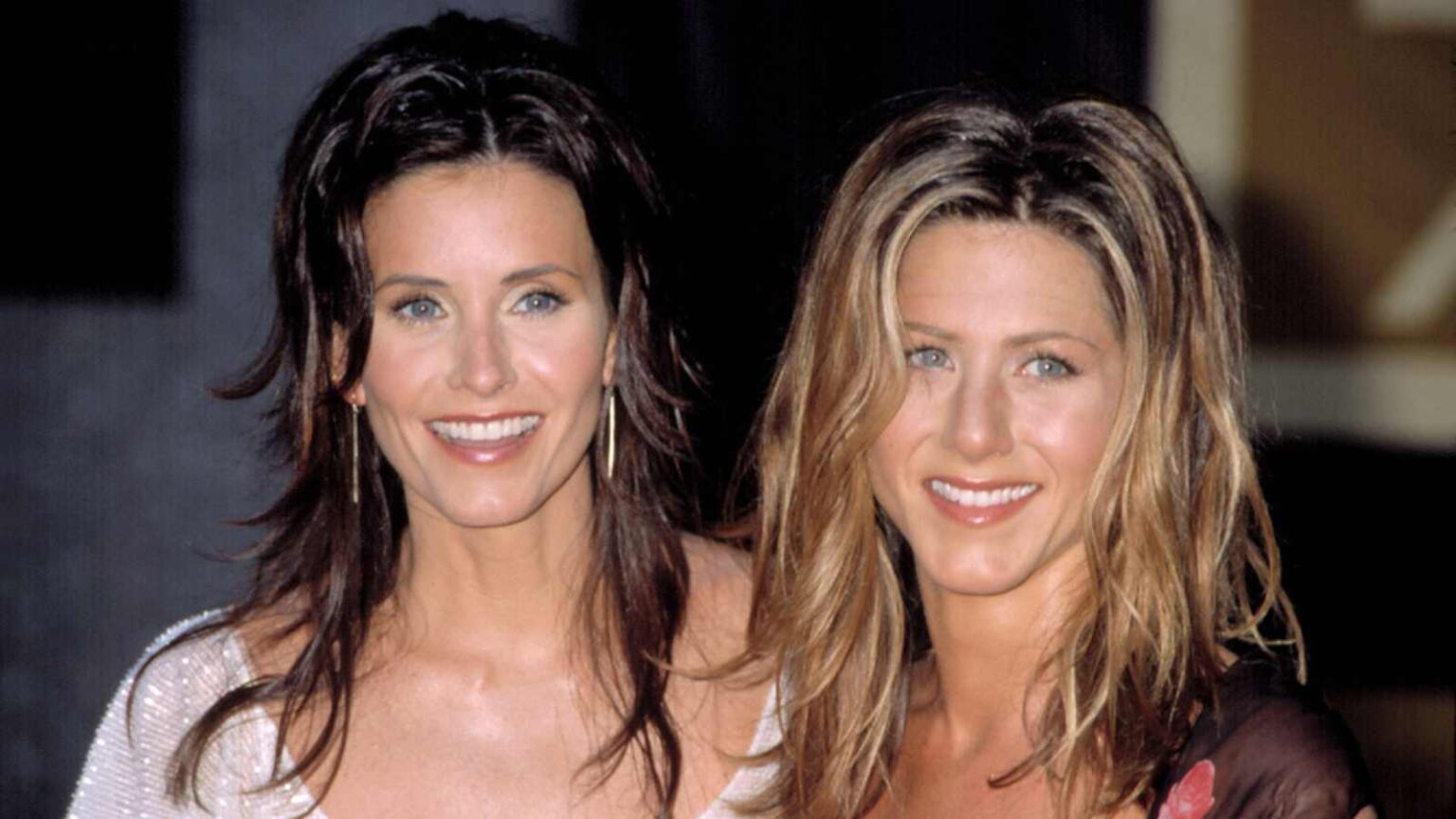
Jennifer Aniston’s razor-cut layers from Friends launched a thousand salon requests in 1995, yet Aniston herself told Allure she thought it was the ugliest haircut I’ve ever seen.
Stylist Chris McMillan built the look using a razor instead of shears, tapering layers around Aniston’s face to blend with her bangs, a technique salons nationwide scrambled to replicate that same season.
The maintenance told a different story from the fame. Aniston later described the daily routine to Marie Claire as requiring three separate brushes just to recreate the shape, calling the process more like surgery than styling.
What reads as effortless on screen rarely translates to effortless in a bathroom mirror before a nine-to-five, and this cut is one of the clearest examples of that gap on record.
DIY Box Bangs
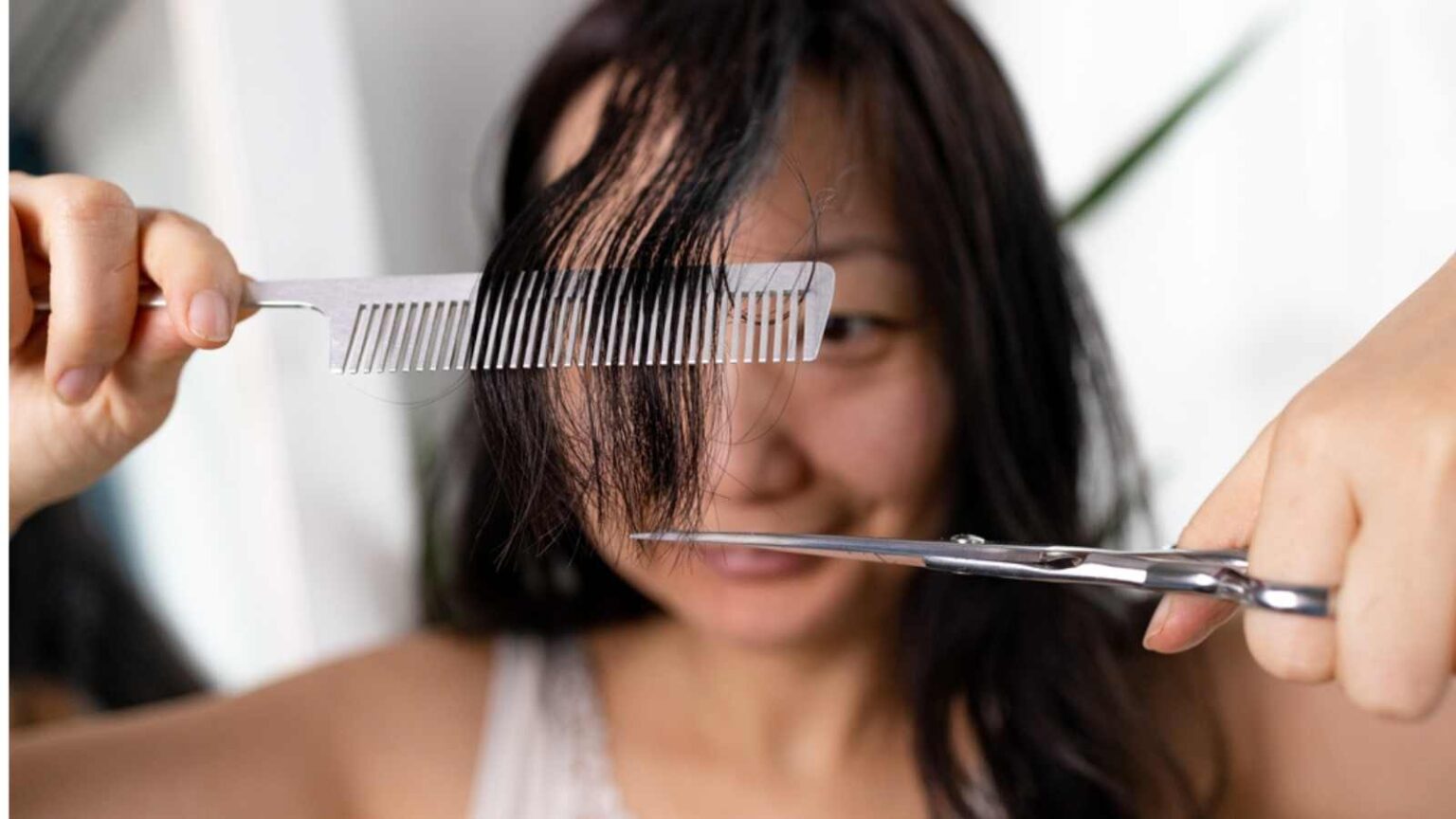
Most bang regret traces back to a mismatch between the words a client uses and the cut a stylist delivers, with curtain bangs requested and long face-framing layers meant instead.
Cutting fringe at home skips that translation step entirely, along with the angle adjustments a trained eye makes for face shape, hair density, and natural texture. A blowout-only bang looks flawless in a salon mirror and becomes a daily grievance the moment real life, humidity, or a lazy morning gets involved.
Photos showing both outline and thickness, brought straight to a professional, prevent most of the damage before scissors ever touch hair.
Sticky Bangs
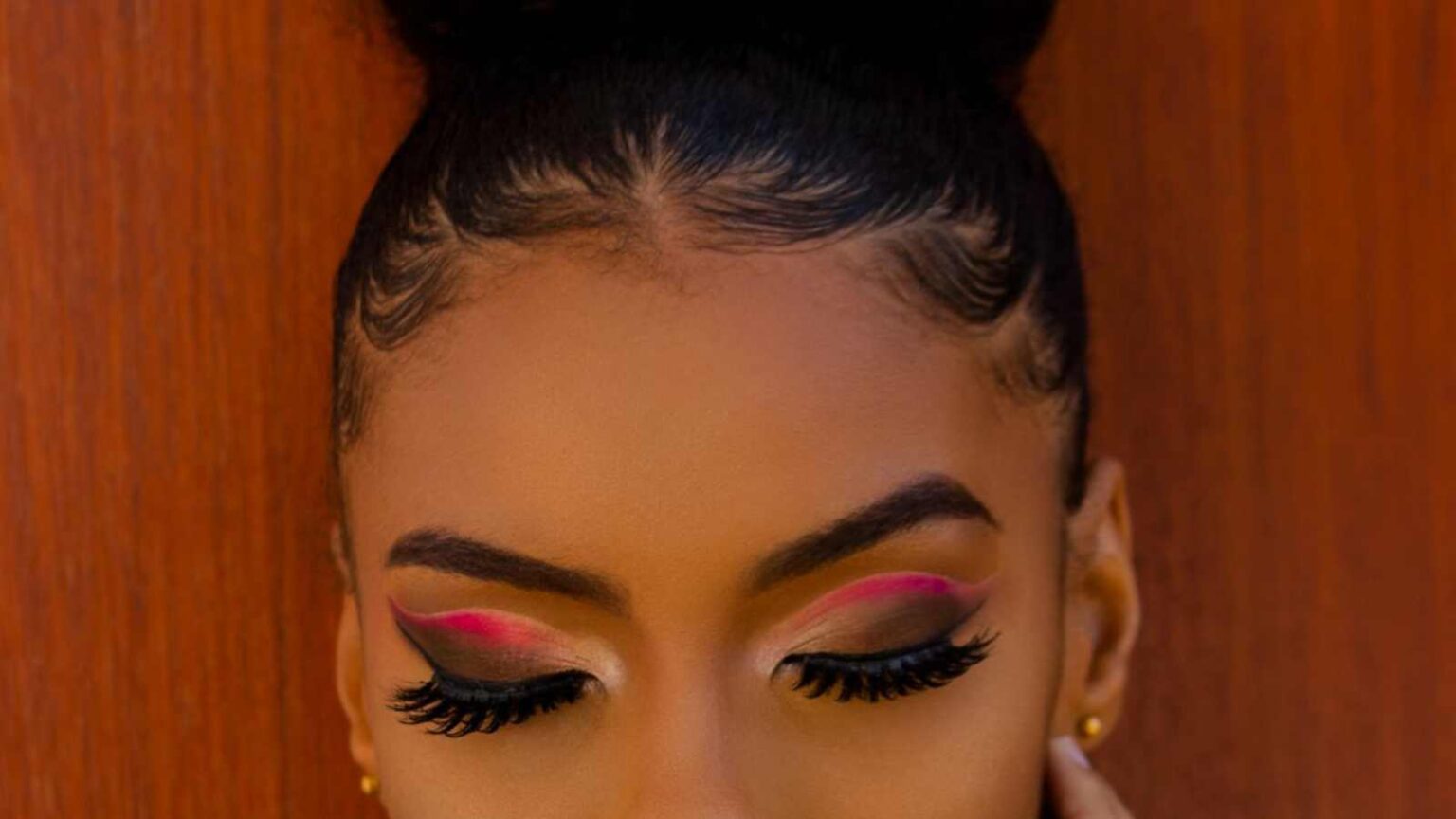
When the laid, gelled-down edges long associated with Black hairstyling were rebranded online as sticky bangs, creators pushed back hard, pointing out that the technique had circulated in Black and Brown communities for generations before a new label made it feel like it was invented.
The backlash was not really about the style itself. It was about a pattern in which hairstyles absorb hype only after the source community, language, and history are stripped from the packaging.
Beauty trends move fastest on platforms built for short attention spans, and stripped context travels just as quickly as the technique once a catchy new name attaches to it.
Crediting the origin costs a trend nothing and tends to earn far more goodwill than a rebrand ever does.
Extra-Long Hair
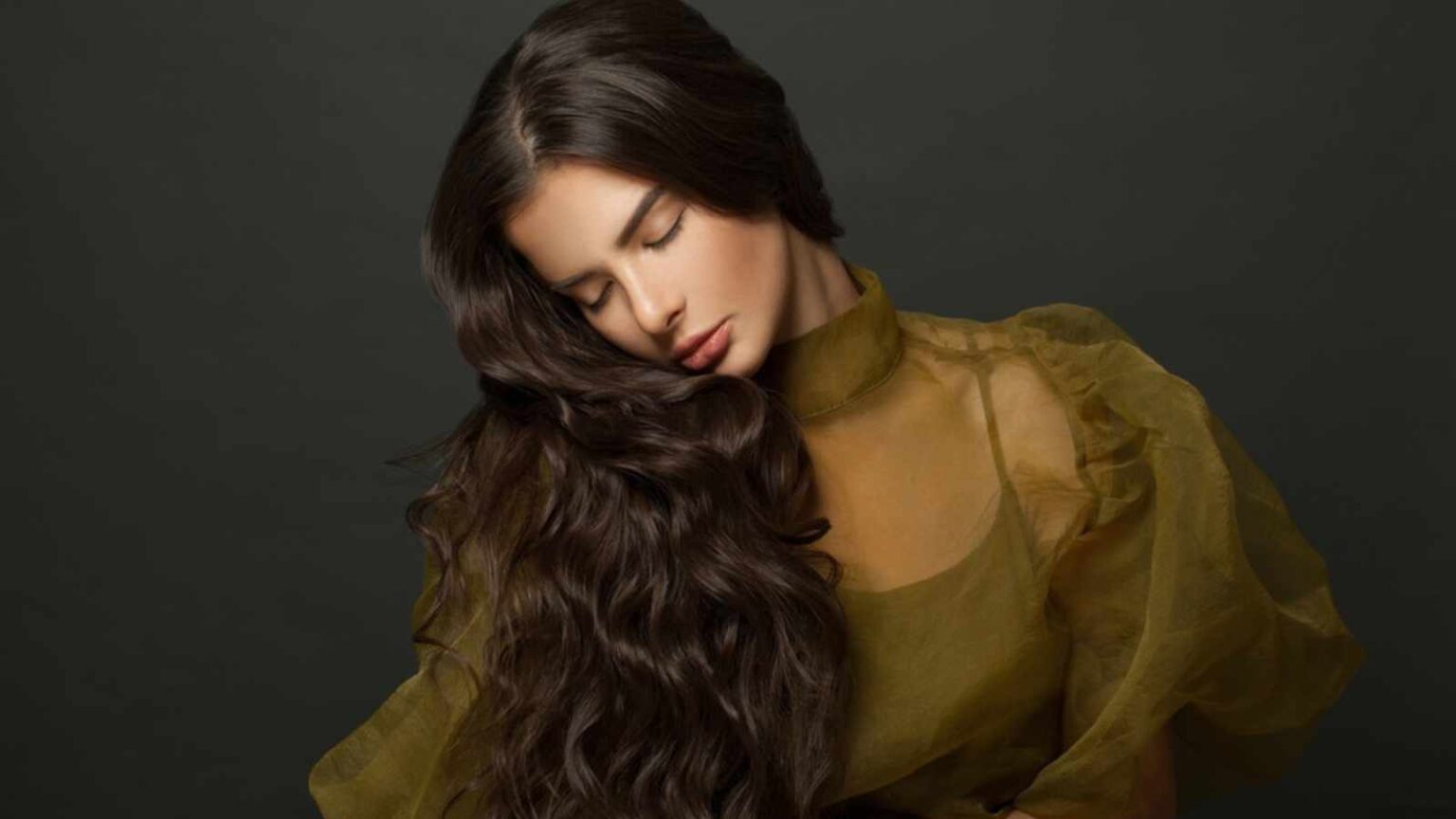
Extreme length reads as effortless in a photo and heavy in person. Hair past a certain length pulls features downward rather than lifting them, as shorter shapes can. Weight is the culprit more than length alone.
Strands with no layering to break up the mass hang in front of the face like a curtain, flattening cheekbones and dulling natural movement instead of framing anything worth framing. The heaviest concentration of weight tends to sit right at jaw level, which is exactly where most women want lift rather than drag.
Landing somewhere between mid-length and past the shoulder tends to preserve the drama of long hair while keeping enough shape near the face to allow for actual styling.
Digital Perms
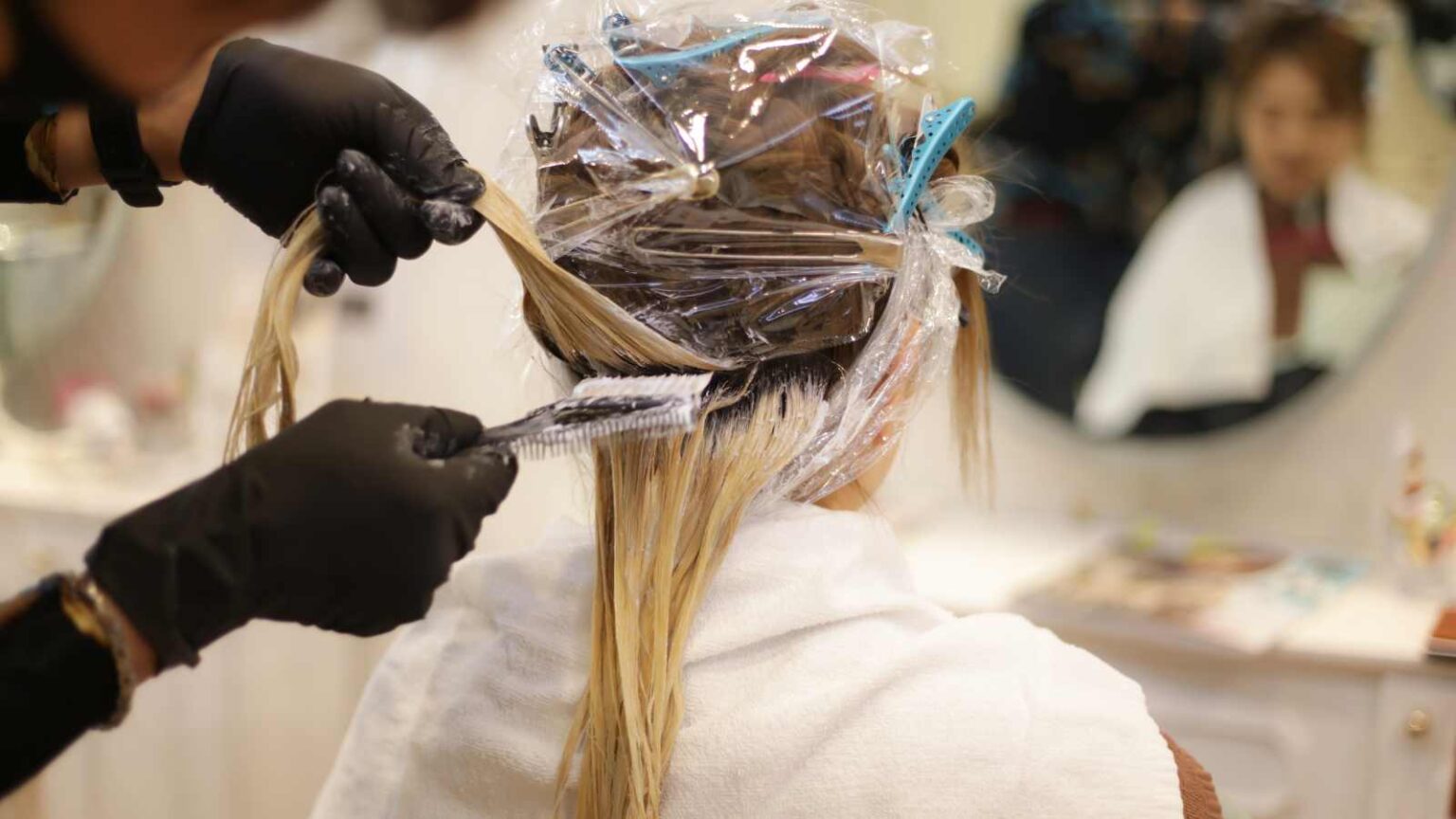
Celebrity stylist Michelle Hershberger flagged digital perms, which use heat instead of the classic chemical solution, as one of the more surprising comebacks heading into recent seasons, noting that true perms had not dominated salons for roughly four decades.
Reforming the hair’s structure, whether through heat or chemistry, still stresses the strand, regardless of the method used to bend it.
Curl pattern longevity depends heavily on condition going into the service, and hair already weakened by color or heat styling tends to come out of a perm brittle rather than bouncy. A strand test before committing saves more regret than any trend forecast can.
The Mullet
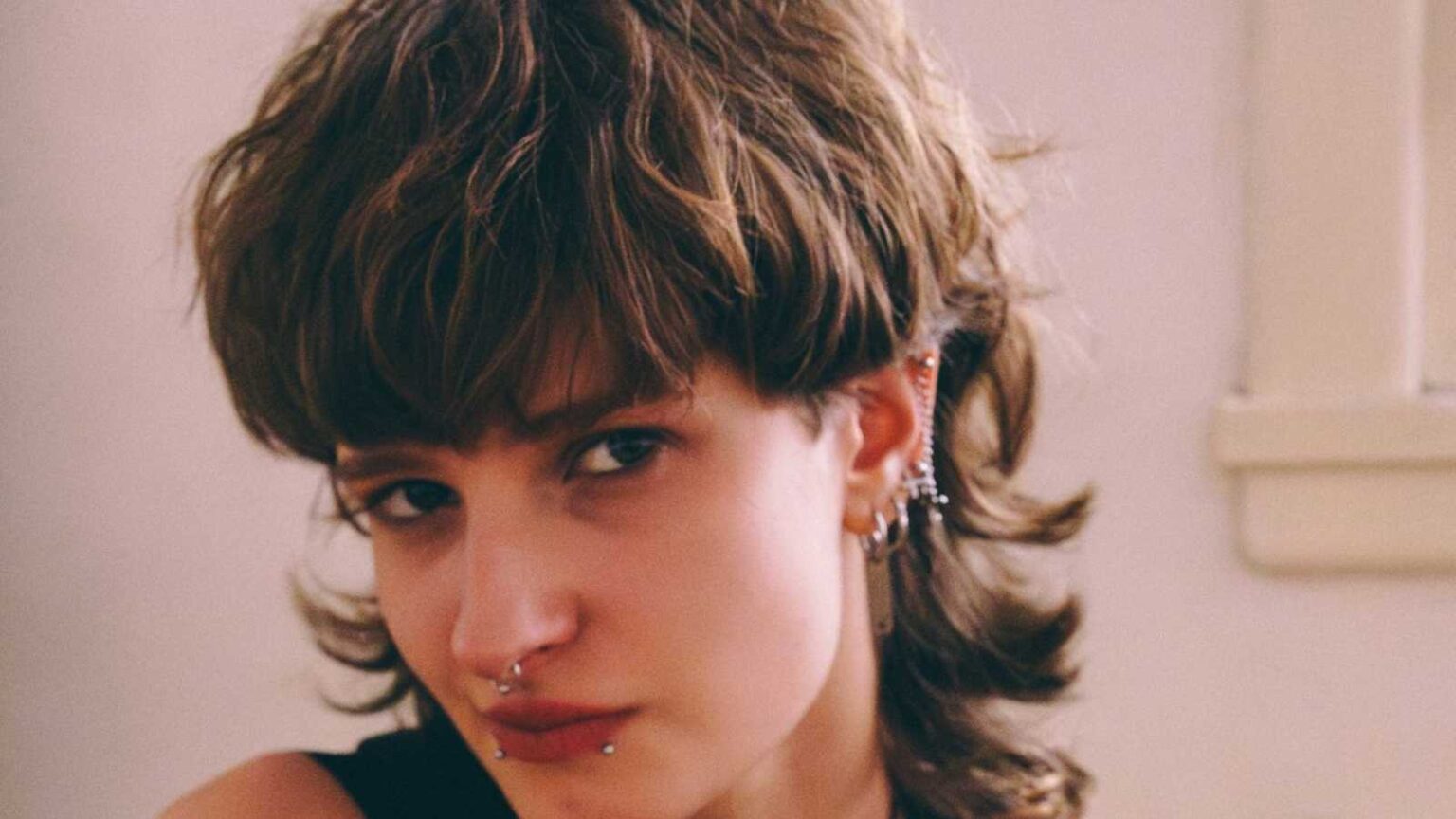
Short in front, long in back, the mullet has never settled into consensus. The shape often reads as unbalanced on most face types, even as it maintains a loyal following among women drawn to its rebellious history.
Punk and glam rock scenes kept the cut alive through decades when mainstream fashion abandoned it entirely, which is part of why the style still carries an edge other throwback cuts have lost along the way.
Every resurgence brings a fresh wave of stylists insisting theirs is the modernized, wearable version, and every resurgence gets the same skepticism in return. A shaggier, more blended version softens the length contrast considerably. The binary reaction it produces, adored or avoided with almost nothing in between, is arguably the whole point of wearing one.
Chunky Two-Tone Highlights
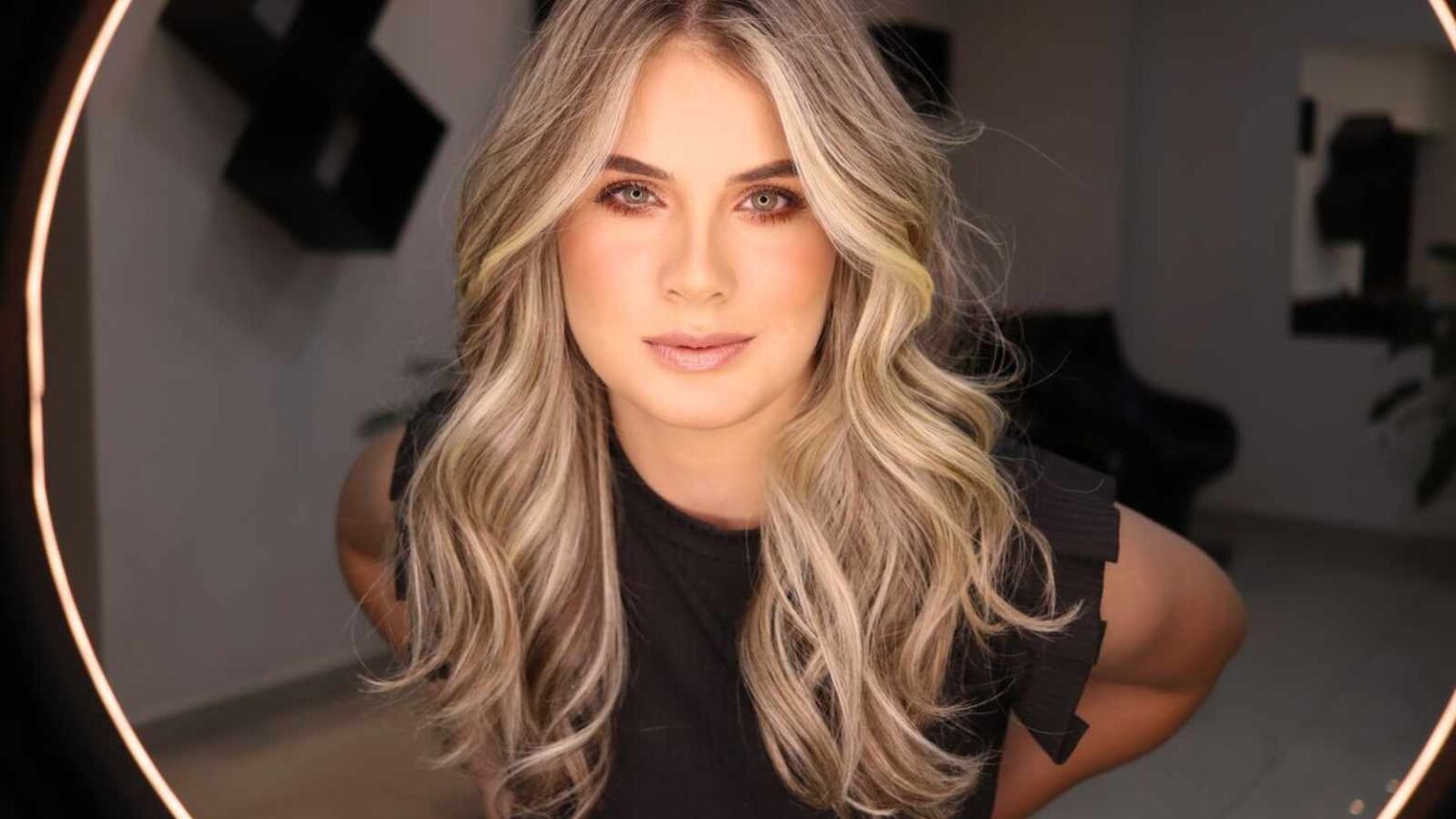
Color does more work than the cut itself in dating a hairstyle, and few techniques age a look faster than thick, high-contrast highlighting laid over a uniformly dark base. The chunky money-piece placements popular in the early 2000s created dramatic panels of light and dark that photographed well under club lighting and considerably less well in daylight.
Root shadowing existed then too, but nowhere near as precisely as the soft, grown-out blends colorists produce now with modern lightening formulas. Finer, hand-painted balayage placements that blend gradually into the base color have mostly replaced the technique in professional color rooms.
The tell is almost always the transition line. Blended color ages gracefully. Blocked color announces its decade the moment it catches the light.
Feathered 70s Layers
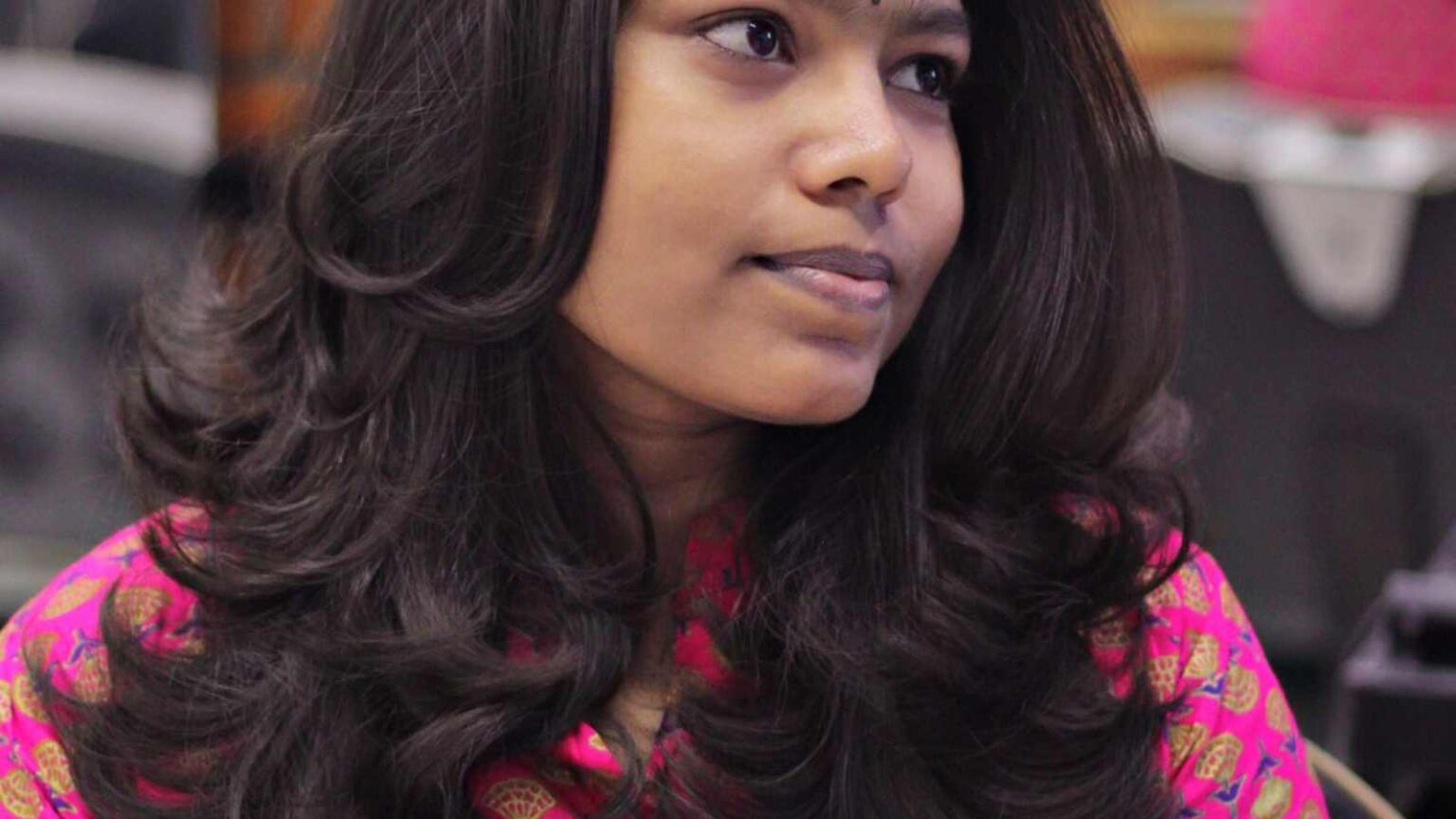
Farrah Fawcett’s feathered waves remain one of the most referenced hairstyles in pop culture history, right alongside Lucille Ball’s pompadour and Jennifer Aniston’s Rachel, each one requiring far more daily labor than its effortless reputation implies.
Feathering depends on a round brush, sustained heat, and arm strength to flip layers away from the face in mirrored wings on both sides at once. Humidity collapses the shape within minutes without a strong hairspray hold, and one side inevitably falls before the other.
Nostalgia sells the look as breezy and low-effort in every throwback photo circulating online. Anyone who has actually styled feathered layers before a nine a.m. meeting knows the reality involves more product and patience than the archival footage lets on.
Flat Center Parts
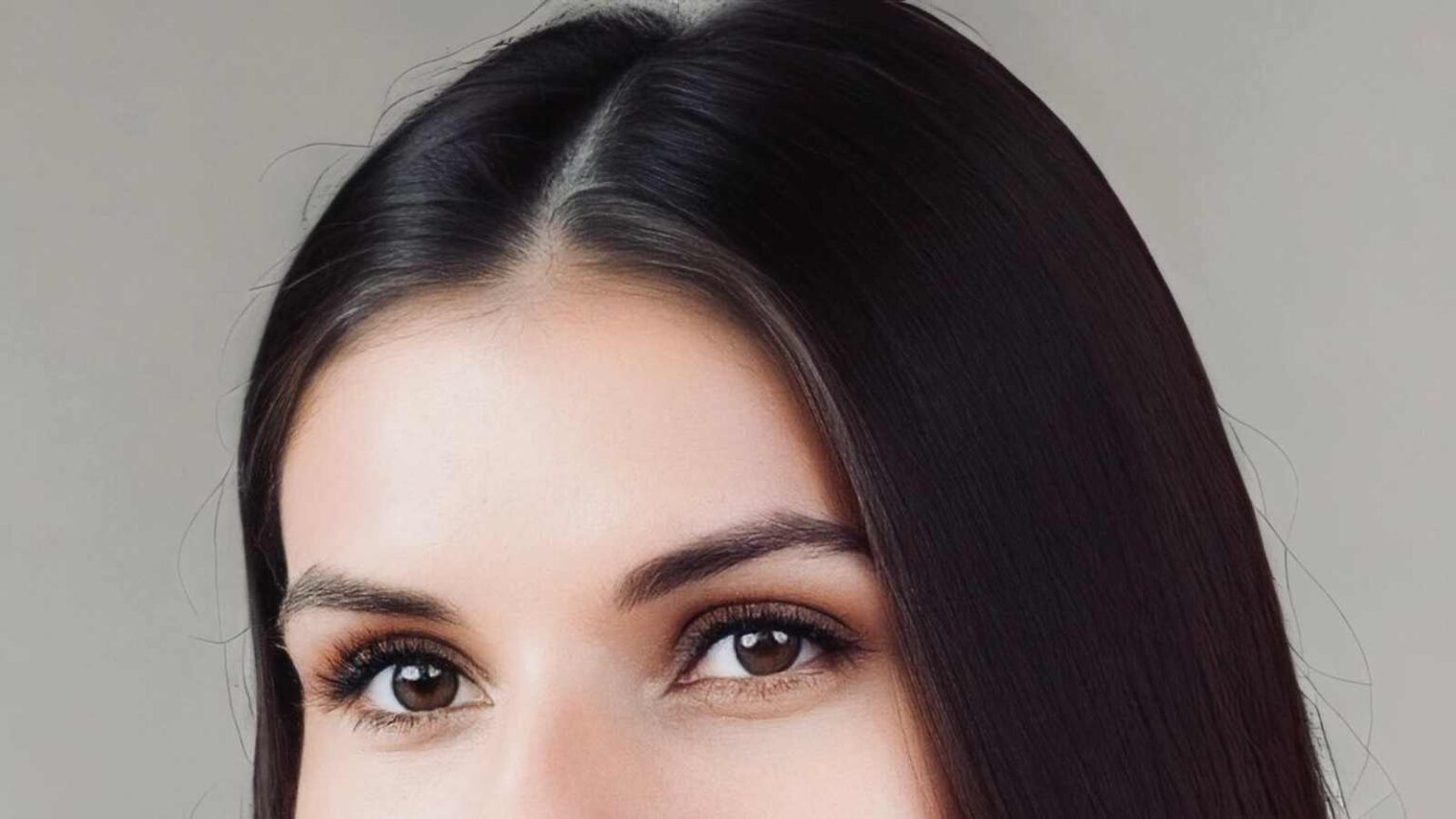
Symmetry has its limits, and a rigid center part paired with no face-framing layers is where stylists most often see that limit reached, particularly on video calls and phone cameras where flat lighting erases the small variations a side part naturally creates.
The part itself is not the issue. The absence of any movement around it is.
Perfectly even hair on both sides draws the eye straight to any asymmetry in the face itself, an effect most people never notice until a straight-on camera lens points it out. A deep side part, or even a slightly off-center line, breaks up facial symmetry just enough to look intentional rather than accidental, which is the difference between a polished cut and one that reads unfinished on screen.
The Self-Chop Pixie

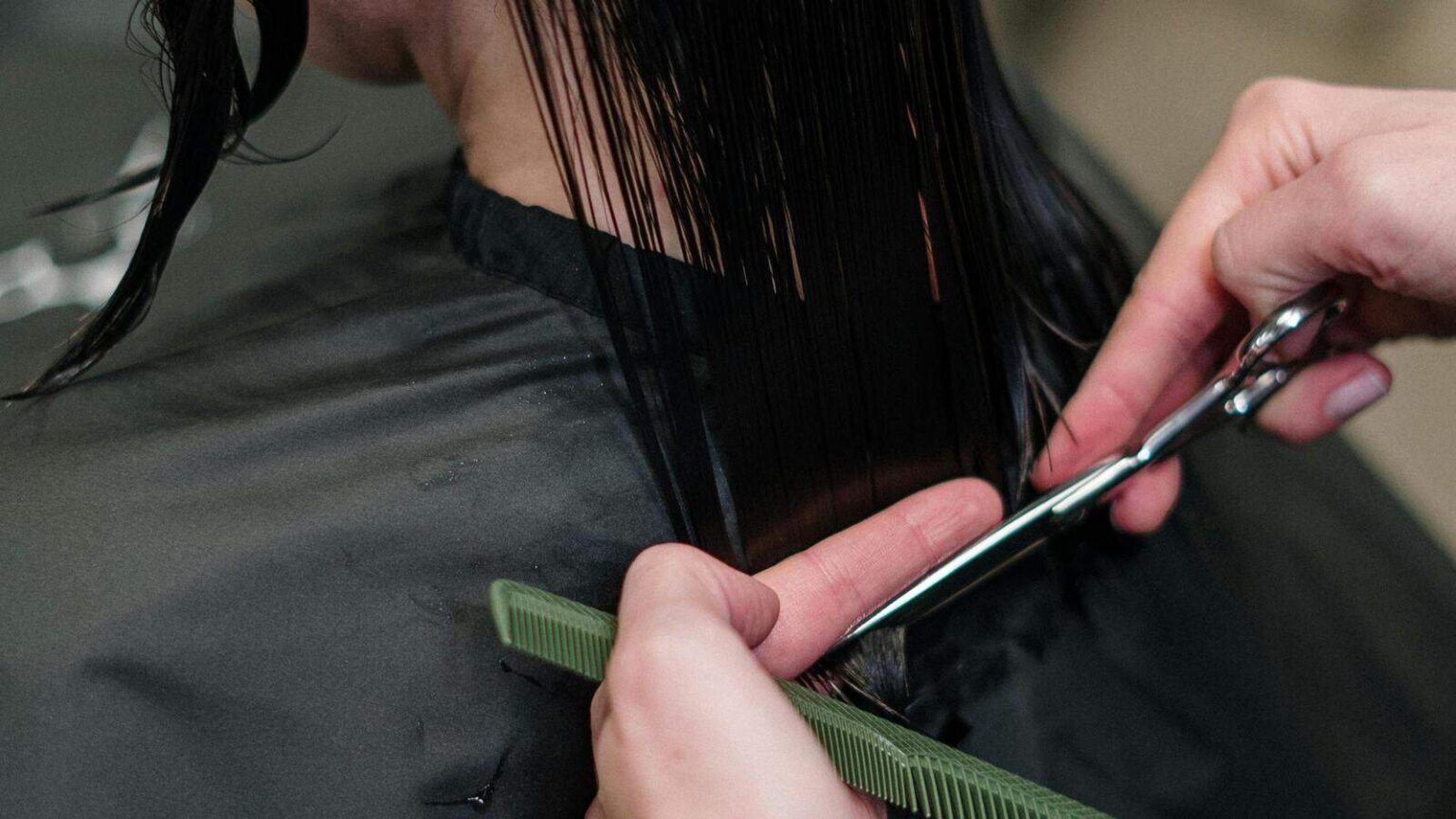
Cutting a full pixie at home requires precision; most kitchen scissors and bathroom mirrors were never built to deliver, since the style relies on graduated layers around the ears and nape that shift dramatically once wet hair dries into its natural texture.
What looks clean and cropped mid-cut often reveals uneven patches, blunt edges where there should be taper, and a shape that reads more like a bad accident than an intentional crop once fully dry.
Professional pixies stay in shape because a stylist cuts in line with the hair’s natural growth pattern, not against it. A cut this unforgiving rarely survives a first attempt without a follow-up salon visit to fix it.
Key Takeaways
- Cultural scrutiny often treats a woman’s hair as public property, with specific cuts judged against narrow societal expectations of femininity, professionalism, and age.
- Many iconic styles, such as The Rachel or 70s-style feathered layers, carry a reputation for being effortless that rarely survives the daily realities of maintenance, humidity, or time-consuming styling requirements.
- Styles that rely on rigid, sharp geometry, like blunt bobs or center parts without framing layers, tend to highlight facial asymmetries and fine lines, whereas cuts with textured, blended movement are generally more forgiving.
- Home-cut trends, particularly bangs and pixies, often lead to regret because they lack the professional expertise needed to account for natural hair growth patterns, density, and face shape.
- Trends often cycle back, but they succeed when adapted with modern techniques (like soft blending or balayage) and fail when they repeat the stiff, exaggerated versions that have become shorthand for dated aesthetics.
Disclaimer: This list is solely the author’s opinion based on research and publicly available information. It is not intended to be professional advice.
Like our content? Be sure to follow us
MORE TCF GAMES



This was such an interesting and relatable take on popular haircut trends. I especially liked how the article explains that many styles aren’t necessarily “bad,” but may simply require more maintenance or need to be adapted to suit different hair textures, face shapes, and personal preferences. The discussion around outdated trends and modern ways to soften or customize them was particularly useful.