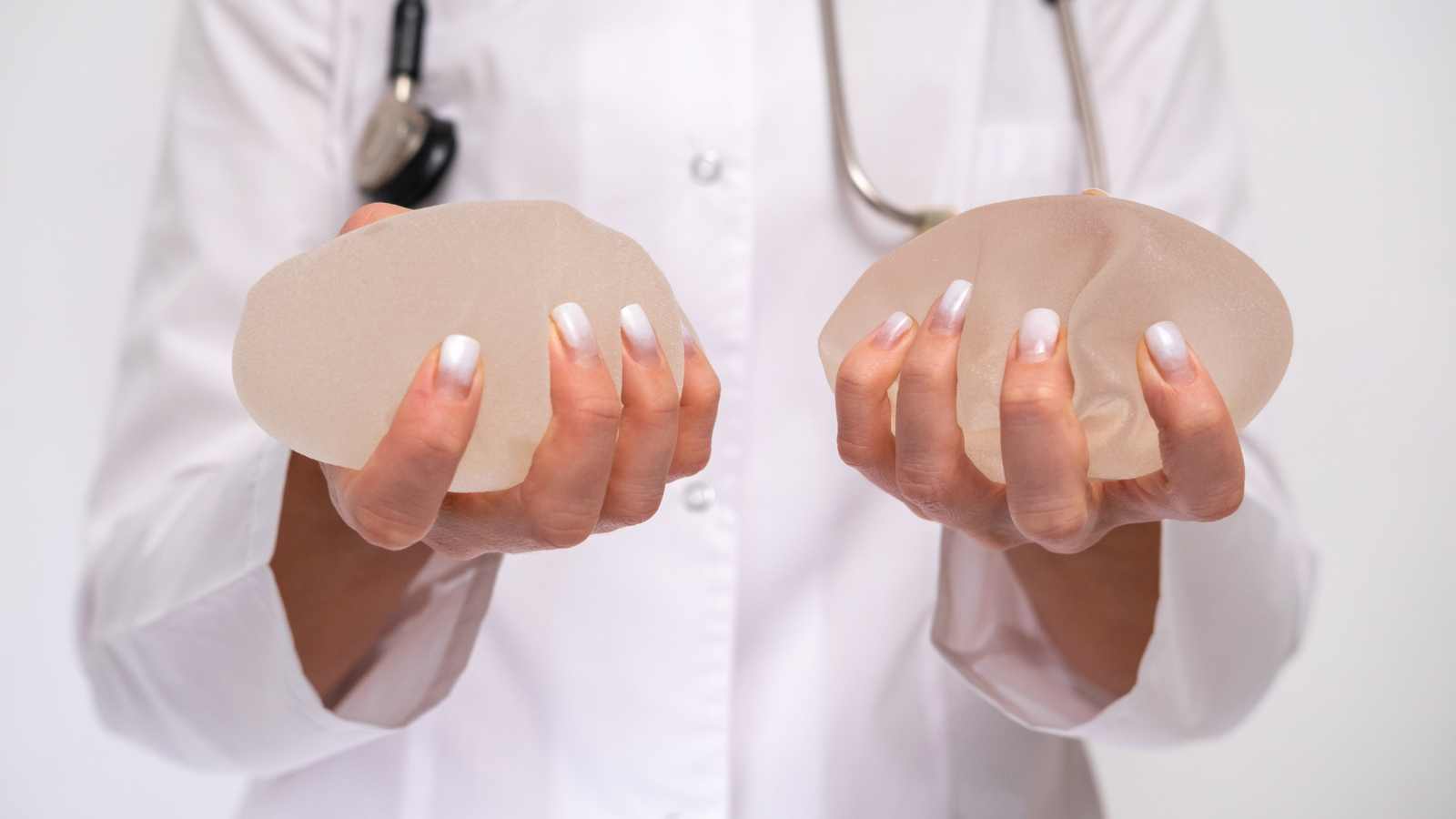
Cardi B had 95% of the silicone removed from her backside in 2022. Blac Chyna followed with a breast and buttock reduction, undoing years of augmentation in a single announcement. In 2025, Stassie Karanikolaou, one of Kylie Jenner’s closest friends, reversed her own Brazilian butt lift and told her podcast audience not to surgically alter their bodies for a trend, since trends never stay relevant for long.
The same silhouette that fashion and beauty culture spent a decade telling women to build is now the one plastic surgeons are getting paid to shrink back down. Corsets became waist trainers. Amphetamines became detox tea.
A padded bikini top got a rebrand instead of a recall. And a decade of Kardashian curve marketing is now quietly being dissolved by the same industry that sold the volume in the first place. Here are twelve times fashion found insecurity first and built a bestseller around it.
Spanx Turned Shame Into a Billion-Dollar Business

In 1998, Sara Blakely was selling fax machines door-to-door in Florida when a pair of cream-colored pants exposed an entire industry’s blind spot. She had left the pants hanging in her closet for eight months because she couldn’t get the smooth look she wanted underneath them without visible panty lines or the bulk of a traditional girdle.
So she cut the feet off a pair of control-top pantyhose, wore the cropped version under the pants, and built a pitch nobody in hosiery manufacturing had ever field-tested on their own body. She later traced the industry’s decades of ill-fitting waistbands to one detail: everybody making shapewear and hosiery was a man, and the men doing the making weren’t the ones wearing it.
Neiman Marcus put Spanx in seven stores in 2000, Oprah Winfrey named it a favorite thing that same year, and the scissors-and-desperation prototype eventually became a company valued at nearly $1.2 billion. The pitch worked because it named the discomfort of hiding a body rather than pretending it didn’t exist.
“Hello Boys” Sold Cleavage as Spectacle
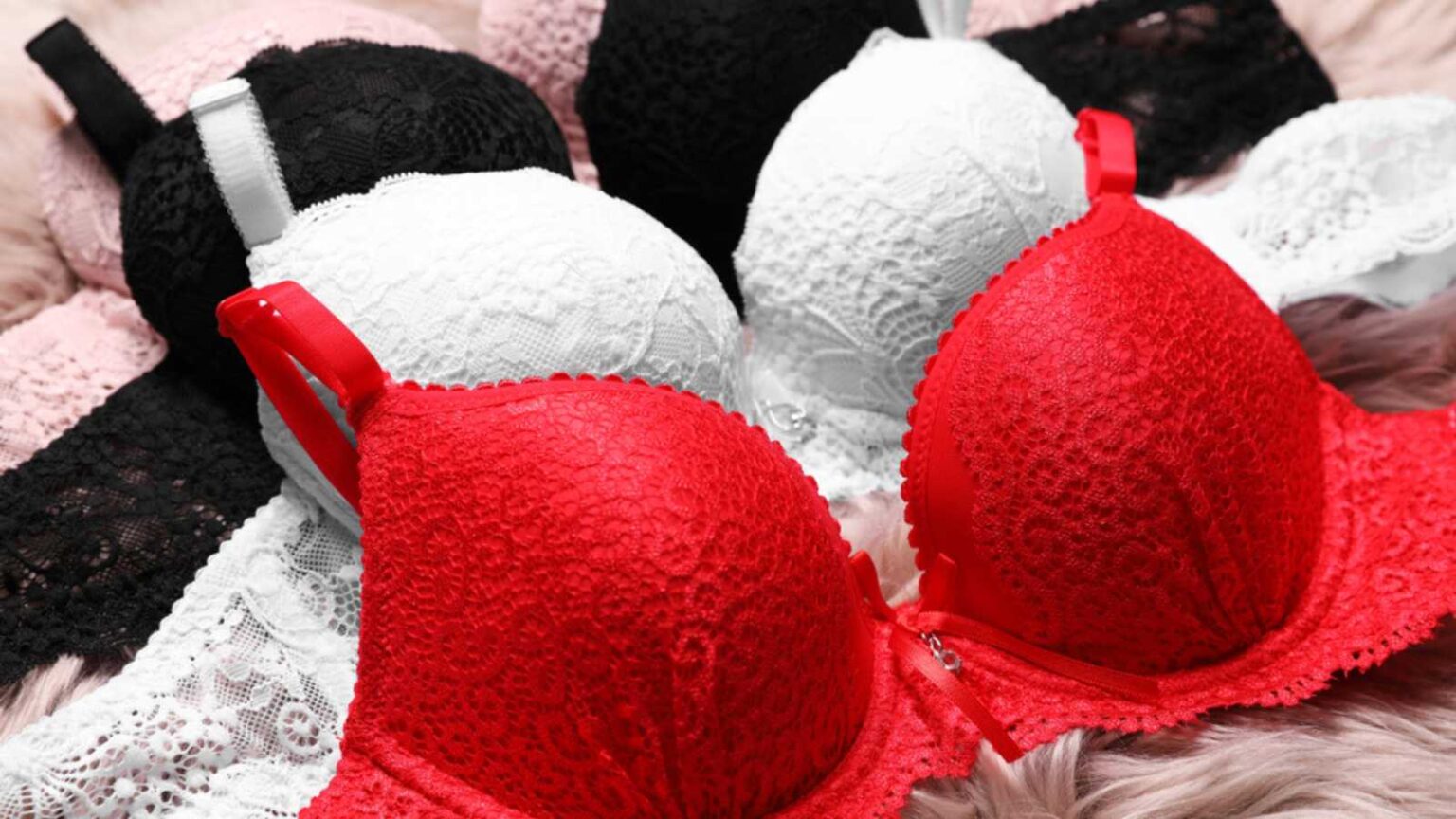
In 1994, Czech model Eva Herzigová looked down at her own chest on a London billboard under a headline that read simply, “Hello Boys.” The Wonderbra campaign was credited in the United Kingdom with causing traffic accidents as drivers turned to stare, and newspapers reported it generated an estimated $50 million in free publicity for a $25 million product line.
The push-up bra itself had existed since the 1960s, but the ad reframed a padded undergarment as public spectacle rather than a private fix for a perceived shortfall. Washington Post style writer Roxanne Roberts wrote at the time that the modern bosom is no longer an accident of nature but a fashion option.
The campaign was banned from billboards in Birmingham and drew accusations of sexism for years, since its entire premise addressed men rather than the women actually buying the product. It remains cited in advertising courses as one of the most effective posters ever printed, proof that insecurity sells fastest when it’s dressed up as confidence.
Waist Training Repackages the Corset
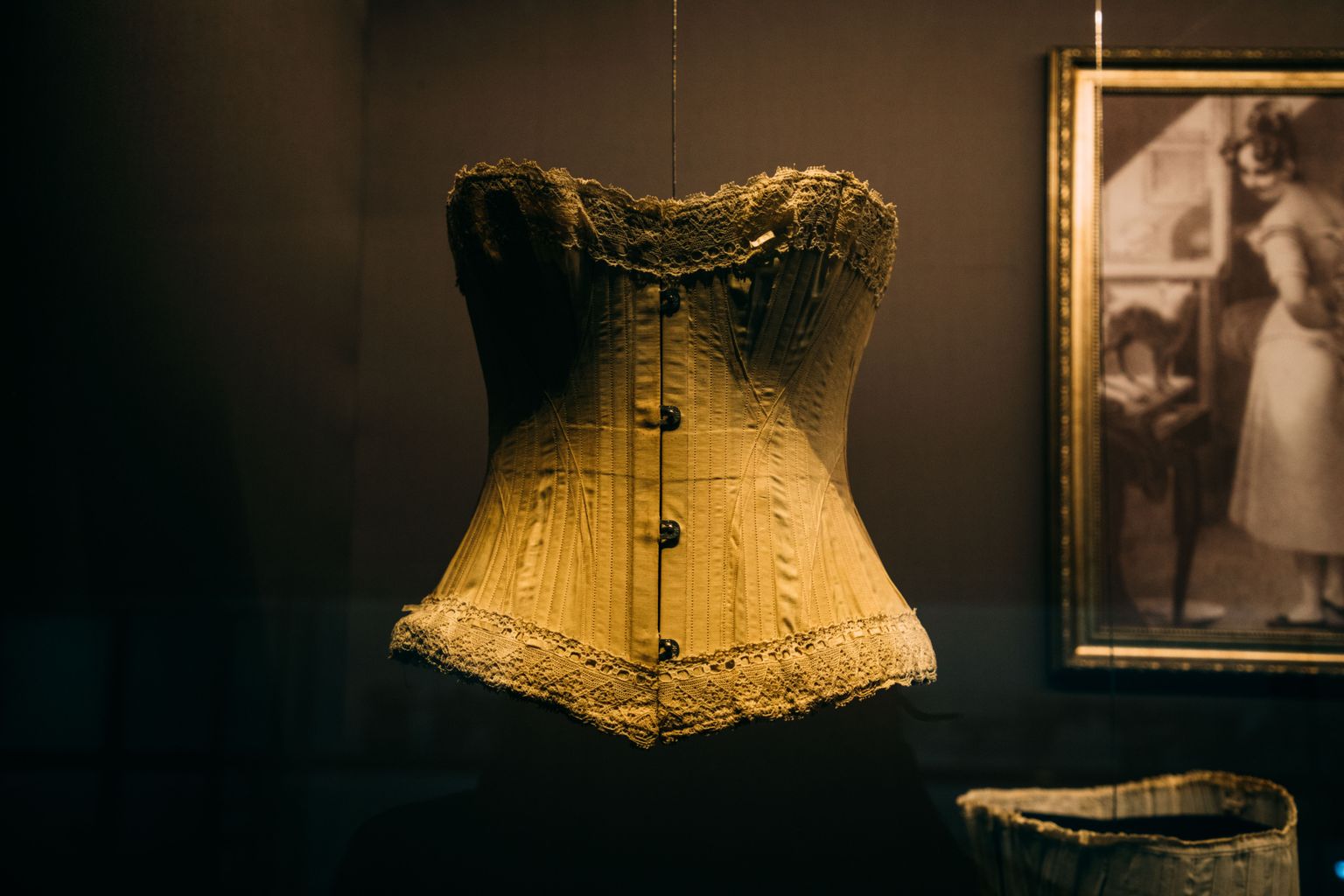
Kim Kardashian’s tightly corseted waist at the 2024 Met Gala reopened a debate fashion never actually closed. Cleveland Clinic physicians warn that prolonged waist training can compress internal organs, restrict breathing and circulation, and cause digestive problems, including acid reflux.
The corset itself carries more myth than fact. Historians have found no evidence that Victorian women ever had ribs surgically removed to achieve smaller waists, despite the rumor’s persistence for well over a century.
Anthropologist Rebecca Gibson’s skeletal research did confirm that sustained corset use from a young age can permanently reshape the ribcage, though she argues this didn’t necessarily shorten a wearer’s life.
Modern waist trainers operate on the same physics as a 19th-century boned bodice, just marketed as a postpartum shortcut or a gym accessory rather than a status symbol. The through line across two centuries is compression sold as transformation, whether the customer calls it tight lacing or a wellness routine.
Tummy Tuck Jeans Made Flattening a Feature
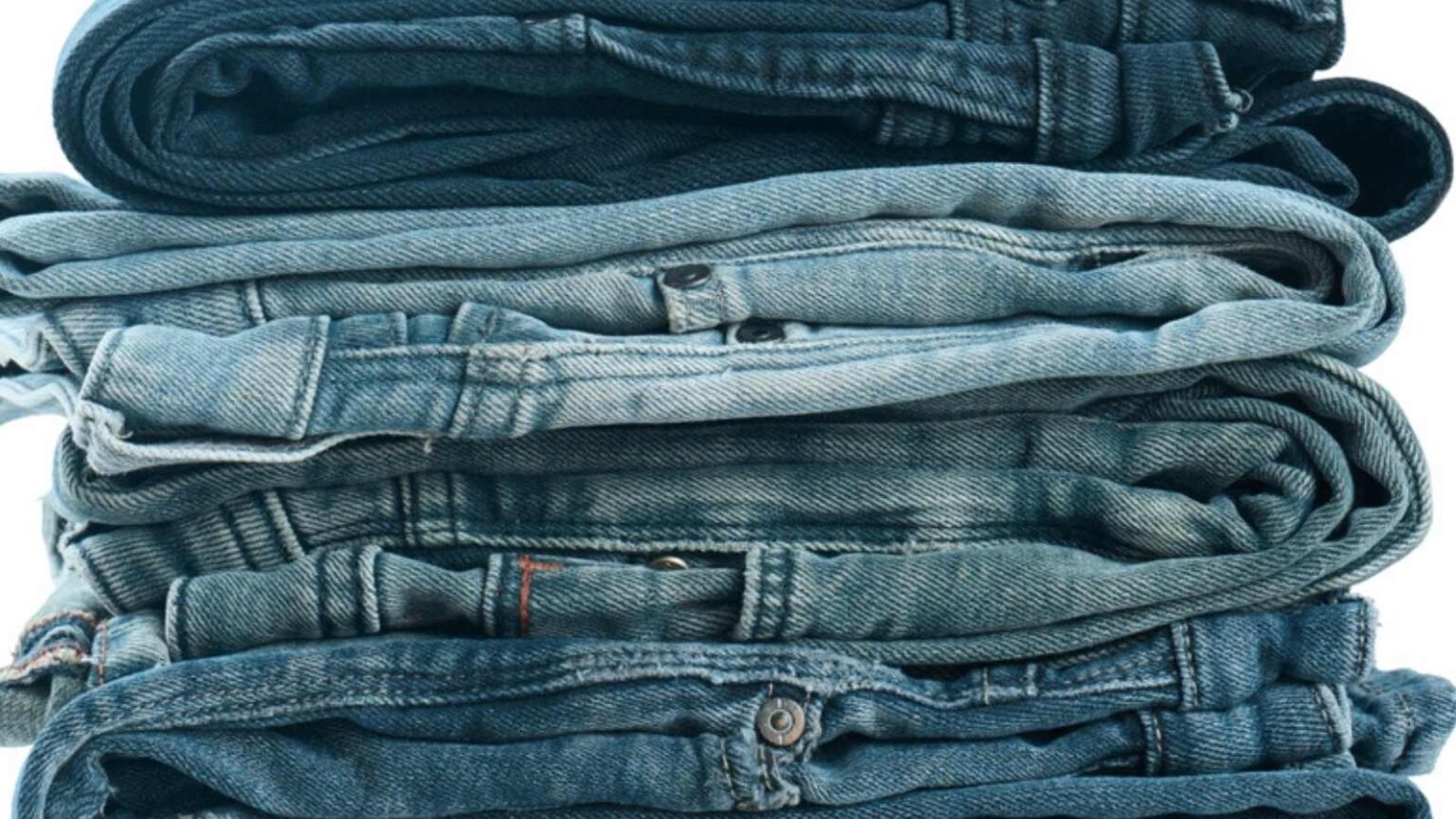
Lisa Rudes Sandel spent years unable to find jeans that fit her body until she and her father, George, launched Not Your Daughter’s Jeans in 2003, aiming the brand specifically at women with fuller, more mature figures.
The jeans used a higher waistband and a generously cut leg so even the skinny styles skimmed curves rather than squeezing them, a deliberate departure from the low-rise standard of the early 2000s.
By 2005, the brand’s Tummy Tuck line used strategic interior panels to flatten the stomach discreetly, built around a proprietary Lift Tuck crisscross construction, and NYDJ has held the title of best-selling women’s denim brand at U.S. department stores since 2011.
Flat Tummy Co Turned a Laxative Into a Lifestyle
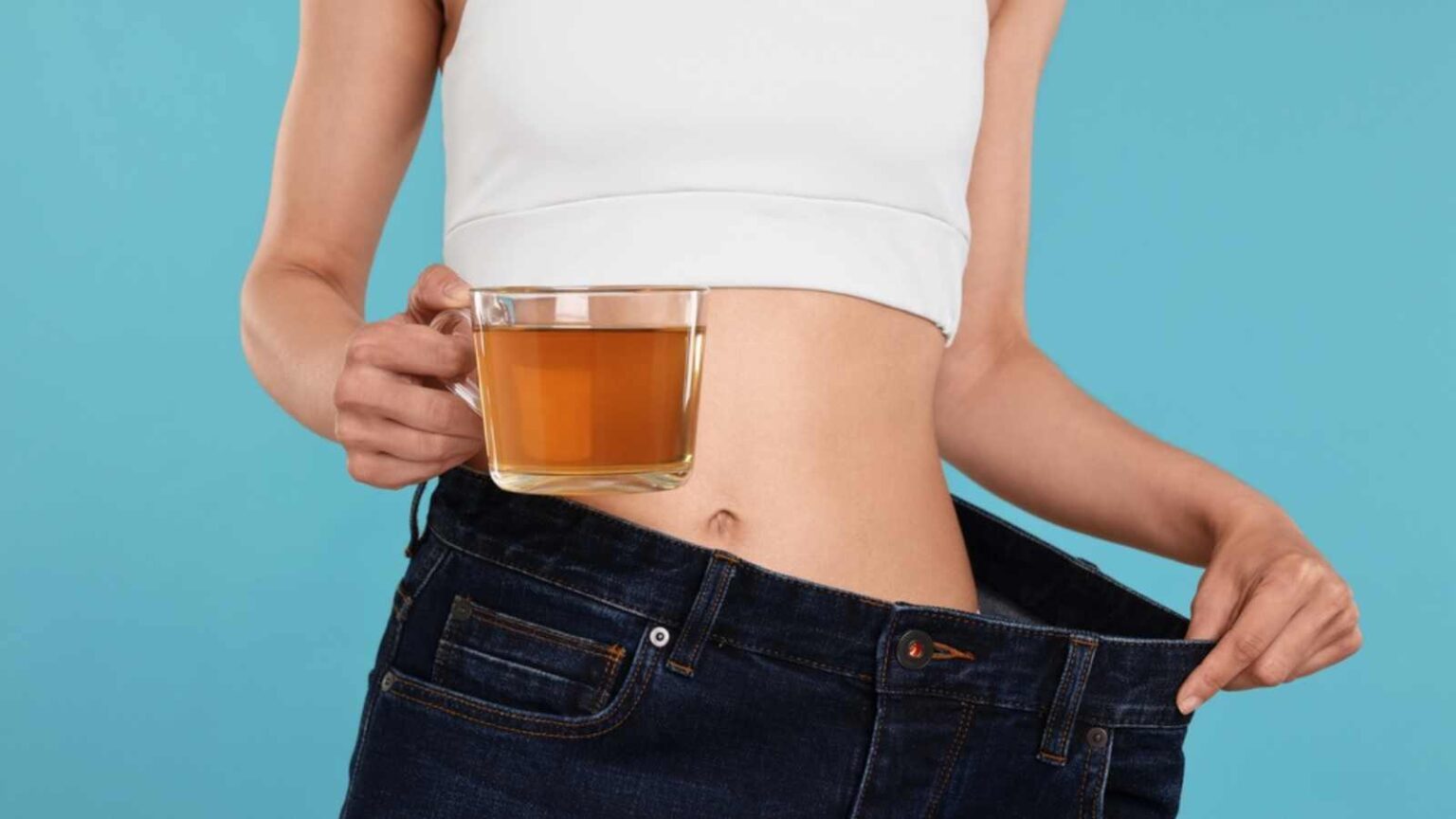
Flat Tummy Co built its following through sponsored posts by Khloé Kardashian and other reality television stars, selling a tea whose primary active ingredient is the laxative senna. Consumer watchdog group Truth in Advertising flagged the brand in 2018 for marketing the detox tea to followers as young as 16.
Senator Richard Blumenthal wrote to the Federal Trade Commission in 2019, calling the marketing tactics of Flat Tummy Co, Lyfe Tea, BooTea, MateFit and Fit Tea misleading and predatory and noting the products targeted adolescents already vulnerable to body shaming.
He pointed to a nearly $70 billion weight-loss industry built on claims about ingredients with no clinically demonstrated benefits. The FTC never brought formal charges against the named companies, though Instagram tightened its own policy on weight loss promotion soon after. The tea doesn’t dissolve fat. What it reliably produces is a bathroom trip, rebranded as a flat stomach.
Contouring Made Bone Structure a Problem
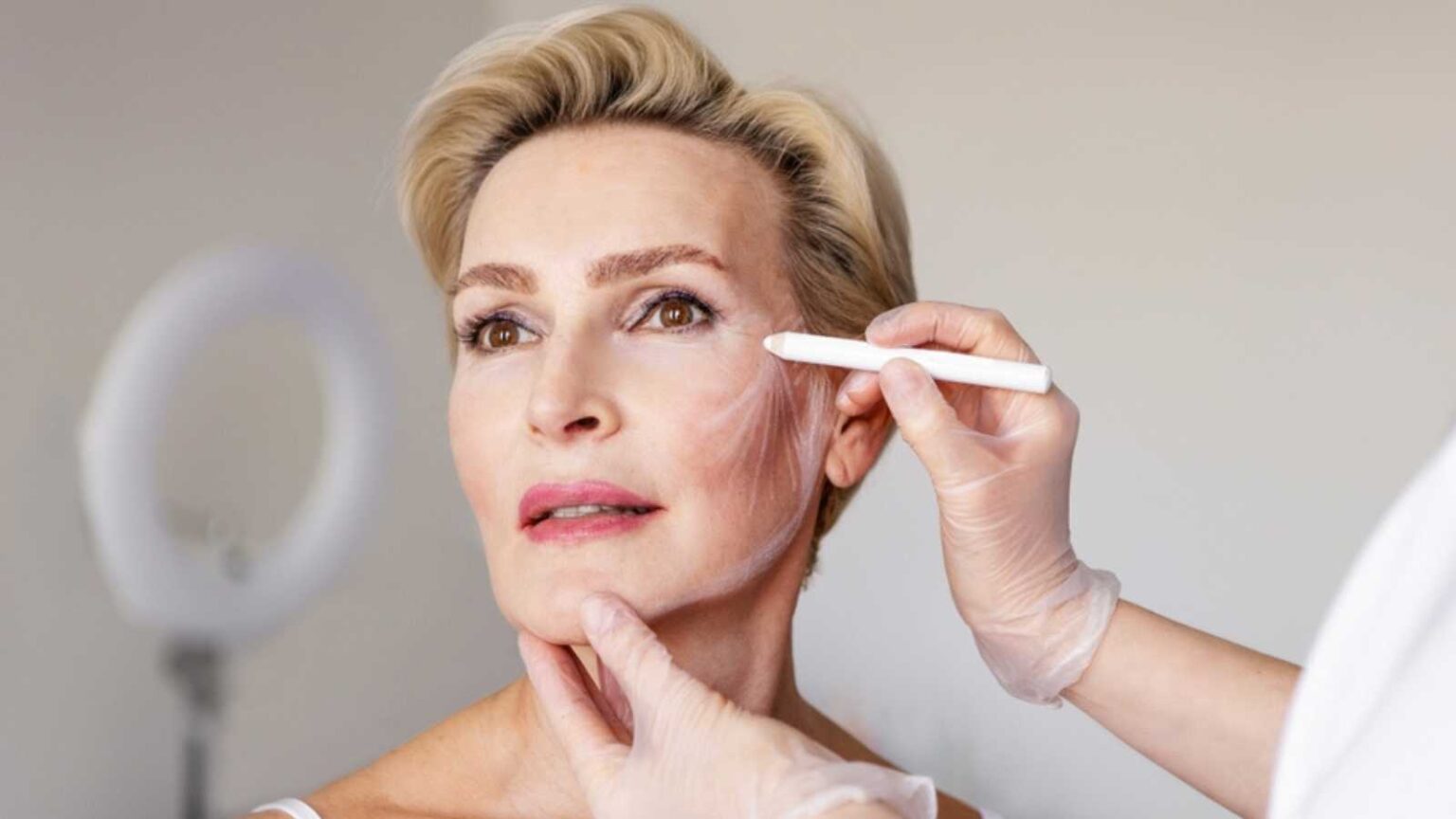
Contouring didn’t start on Instagram. Elizabethan stage actors used chalk and soot to define their features for audiences seated far from the stage, and by the 1930s, Hollywood makeup artist Max Factor Sr. had built a system for shading faces so they wouldn’t read as flat on film. The technique reached mainstream beauty culture in 2012, when Kim Kardashian posted before-and-after photos of makeup artist Scott Barnes carving razor-sharp cheekbones onto her face, and Sephora later named contouring its most requested in-store makeover.
The commercial version asked women to treat their own bone structure as a problem that could be corrected with two extra products, one shade darker and one shade lighter than their actual skin tone.
Makeup artists have since pulled toward a softer application, and the trend has partly migrated off the face entirely into injectable fillers marketed as three-dimensional contouring. The shift says less about changing taste and more about an industry that never runs out of ways to resell the same insecurity under a new name.
Cellulite Cream Sells a Fix for Normal Skin
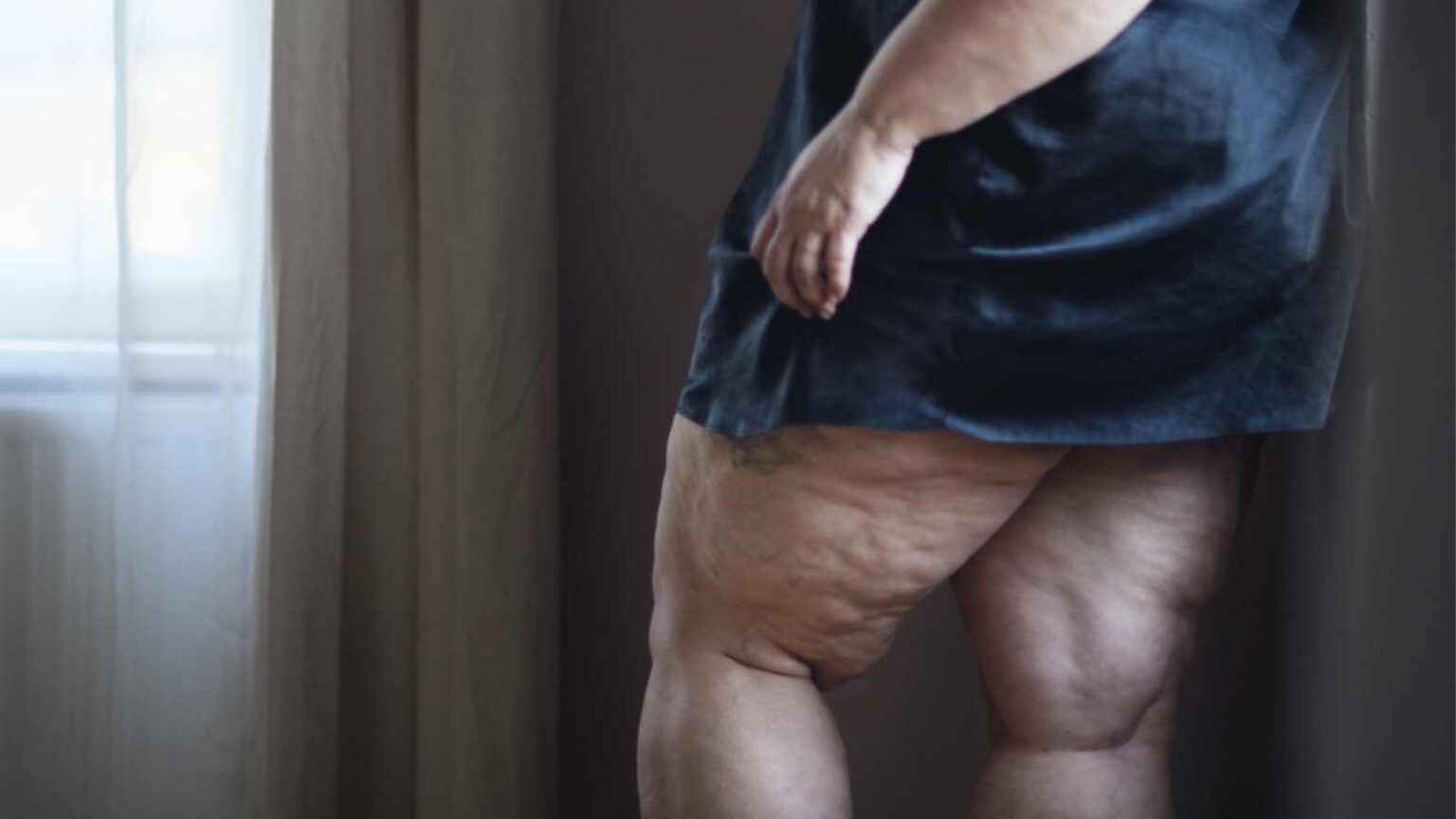
Cellulite affects up to 90% of women at some point in their lives, regardless of age or weight, which makes it less a defect than a near-universal feature of female skin. The global cellulite treatment market was valued at $1.4 billion in 2022 and has grown at a double-digit annual rate since then, driven largely by over-the-counter creams promising smoother skin within weeks.
Dermatologists have long been skeptical that a topical cream can meaningfully alter the structural fat and connective tissue that create dimpling, yet caffeine and retinol formulations keep selling on the promise of visible tightening.
The industry’s real innovation was never a working formula. It was convincing women that a texture most of them already had needed its own product category at all. Buying the cream doesn’t fix the skin. It briefly fixes the feeling of having done something about it.
Ozempic Is Rewriting Fashion’s Size Curve
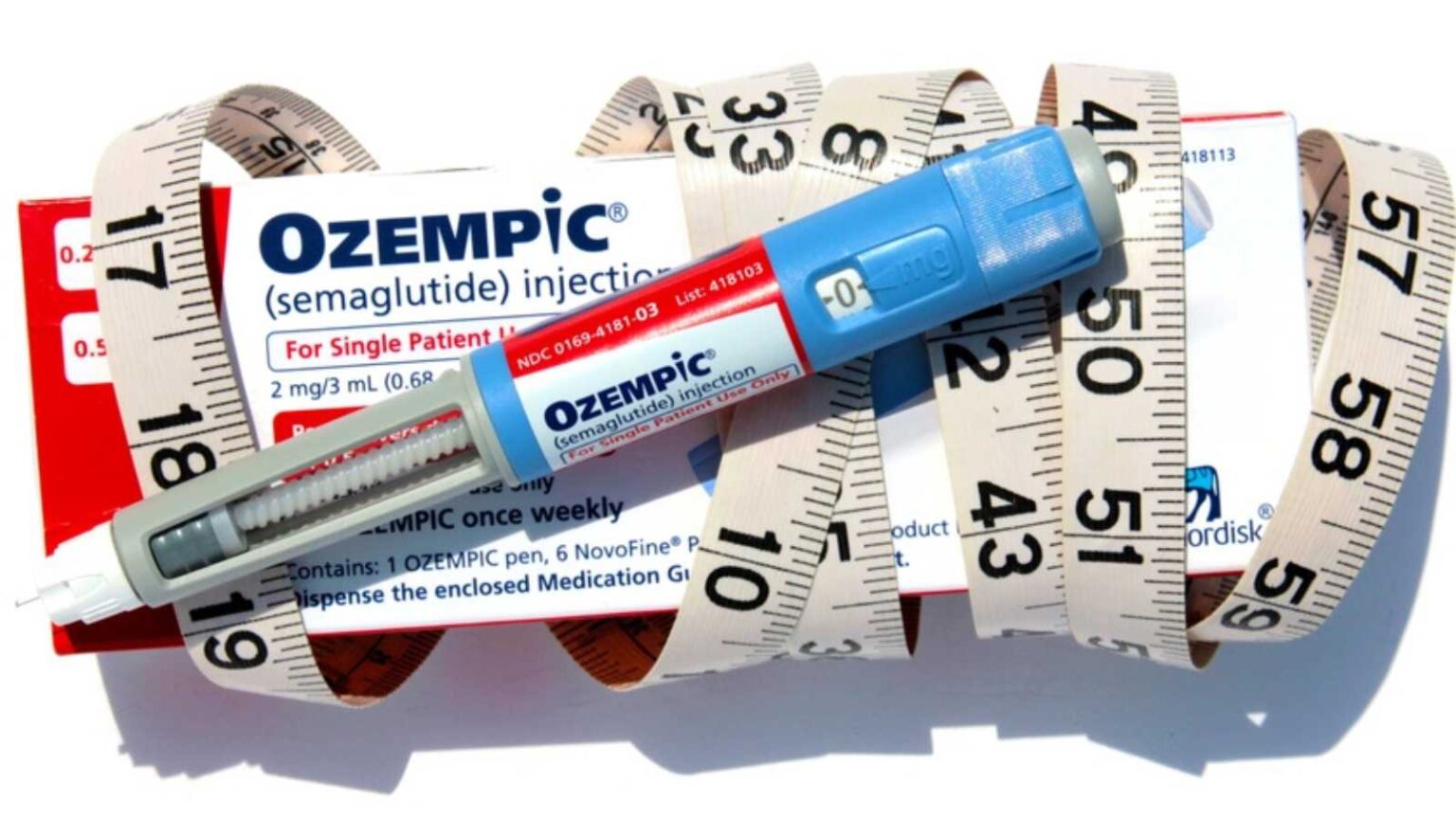
A Rand survey found that nearly 12% of U.S. adults reported having used a GLP-1 drug, with another 14% expressing interest, and menswear brand Regent Row has already seen its size curve shift from 5XL and 6XL toward 3XL and 4XL.
Retail forecasting firm Impact Analytics warned that up to 400 million apparel units could be misaligned with actual demand by 2027 if GLP-1 use rises from its current 6 percent adoption rate to 8 percent, a mismatch it estimates could cost retailers $5 billion.
Plus-size representation on the runway was already thinning before the drugs went mainstream. By March of 2025, only 24 of the 8,703 looks shown at major fashion weeks were plus-size, a share below 1%.
The majority of American consumers wear plus sizes, even though the category accounts for only 12% to 18% of apparel revenue. A drug approved for diabetes and obesity management is now quietly deciding which bodies fashion bothers to design for.
Abercrombie Marketed a Bikini to Second Graders
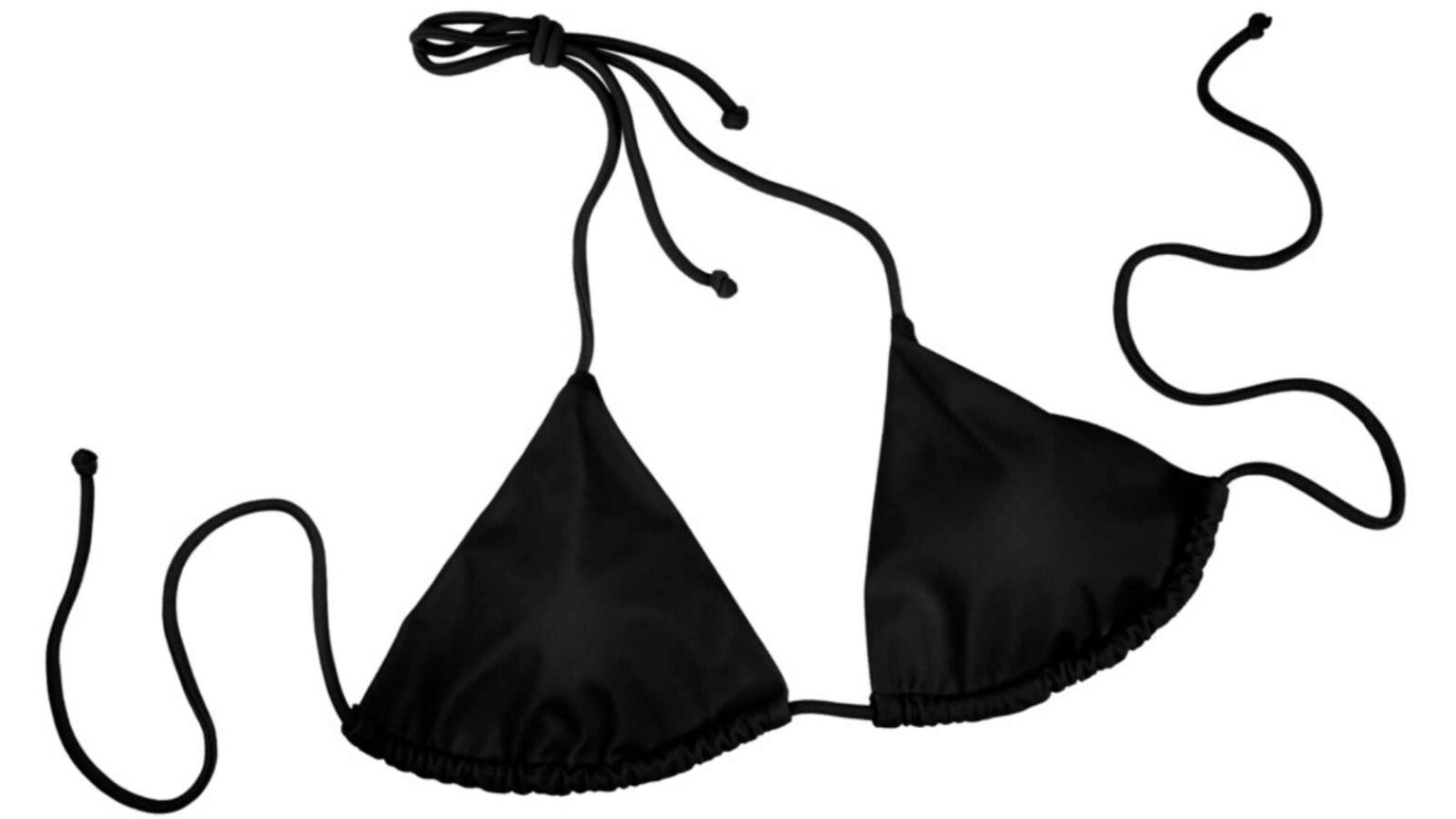
In 2011, Abercrombie Kids introduced a padded push-up triangle bikini top marketed to girls as young as seven or eight years old. Wheelock College sociology professor Gail Dines said publicly that the top would encourage girls to view themselves in sexual terms before they were developmentally ready to do so. The company quietly renamed the item the striped triangle after the backlash spread across parenting blogs and morning television, though it continued to sell the padded version under the new name.
Abercrombie later stated that the bikini was best suited for girls 12 and older, without ever withdrawing it from the size range that had made the controversy possible in the first place. The company had been here before, having sold thong underwear printed with suggestive phrases to preteens years earlier. Manufacturing an insecurity and the product that fixes it in the same transaction may be the most efficient version of this entire pattern.
Rainbow Diet Pills Sold Amphetamines as Thinness

Smith, Kline and French began marketing amphetamine to American housewives for weight loss shortly after World War II, having spent the war years selling the same stimulant to keep soldiers awake on the battlefield.
By the 1960s, doctors were dispensing what became known as rainbow diet pills, combinations of amphetamines, barbiturates, thyroid extract, diuretics, and laxatives distinguished mainly by the color of the tablet.
A 1968 magazine investigation sent a reporter posing as a patient into ten obesity clinics, where she was prescribed more than 1,500 pills, and the exposé, combined with a Senate investigation linking the pills to deaths, finally pushed the FDA to pull them from the market.
Amphetamine became a Schedule II controlled substance in 1970, but the underlying pitch never really left beauty marketing. It just changed packaging, from a prescription bottle advertised in a women’s magazine to a supplement capsule sold through nearly identical channels decades later.
Anti-Aging Skincare Sells Aging as a Defect
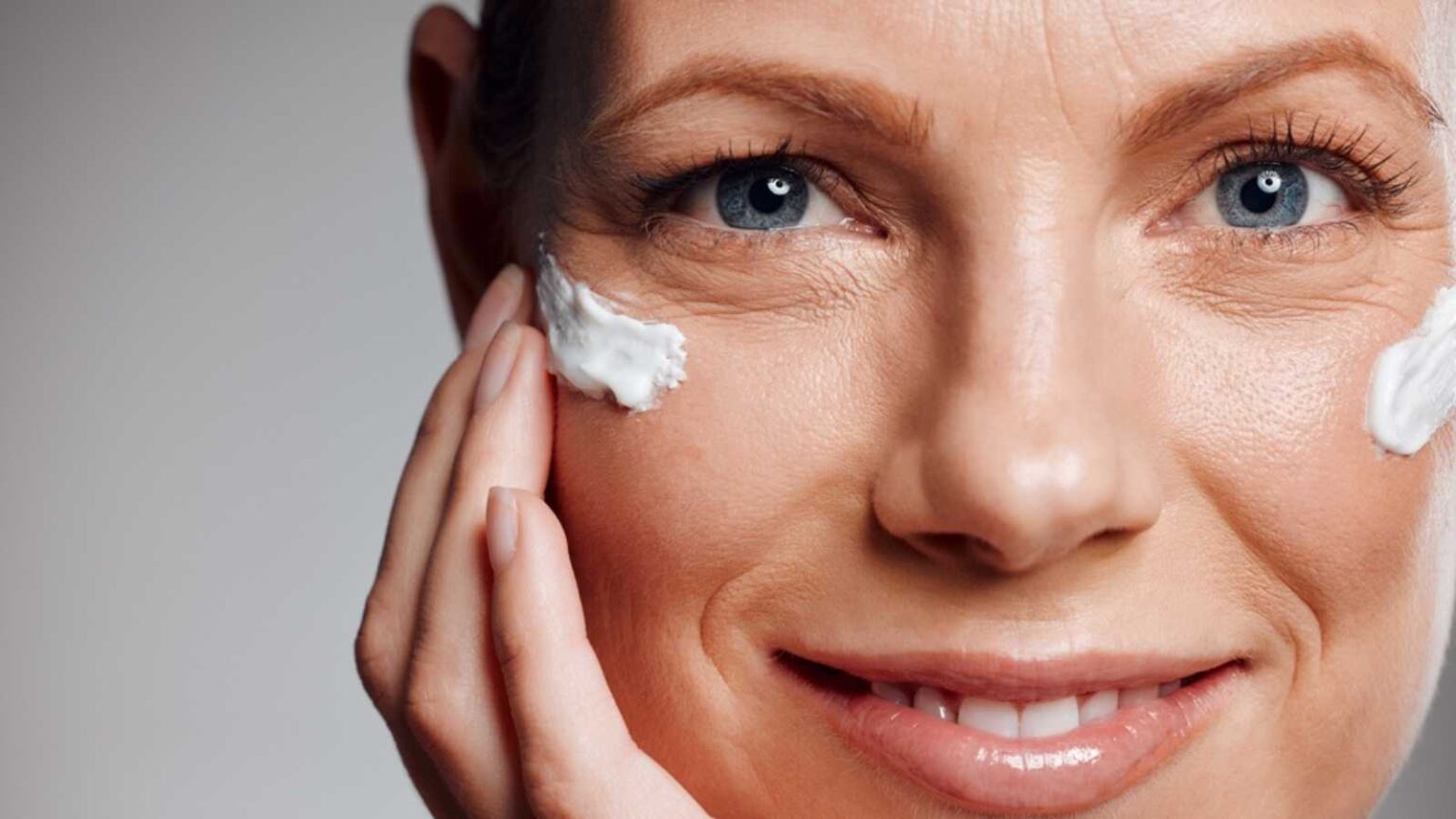
The global anti-aging products market was valued at roughly $50 billion in 2024 and is projected to approach $80 billion by the early 2030s. Women account for nearly 72% of that revenue, buying multi-step routines built around serums, night creams, eye treatments, and targeted repair formulas aimed at fine lines and loss of firmness. The category’s entire premise depends on treating a biological process, aging skin, as a defect requiring intervention rather than a fact of being alive long enough to develop wrinkles.
Retinol and peptide formulations do have measurable effects on collagen production, so the science isn’t fabricated the way rainbow diet pills once were, which arguably makes the marketing more effective rather than less.
The global botulinum toxin market for aesthetic use is now estimated at nearly $7 billion on its own, evidence that the industry has moved comfortably from creams into needles without losing customers along the way. Aging was never really the problem. Being seen aging, in an industry that prices youth into nearly every category, is.
Snapback Culture Sold an Impossible Timeline

Johns Hopkins physician Shari Lawson has said it’s unrealistic for new mothers to compare their bodies to celebrities who have personal trainers and personal chefs on call. Actress Tia Mowry said that after her first pregnancy, seeing only flat postpartum stomachs in magazines left her believing something was wrong with her own body, which didn’t return to its pre-pregnancy shape immediately after a cesarean section.
Belly wraps and postpartum shapewear brands market themselves as recovery support, distinct from ordinary shapewear, yet the language selling them, snap back, bounce back, get your body back, treats a body that has just built and delivered a person as a temporary detour from the real one.
A wrap can genuinely support abdominal muscles after birth when used correctly and briefly. What it cannot do is compress six weeks of healing into six days, no matter how many celebrities imply otherwise in a bikini photo timed to their due date.
Key Takeaways

- The mechanism repeats across a century: name an ordinary body feature as a flaw, then sell the fix.
- Regulatory and medical pushback (FTC letters, Cleveland Clinic, dermatologists) rarely stops the product, only slows the marketing language.
- GLP-1 drugs are the newest version of an old pressure, now applied at the level of retail inventory rather than individual products.
Disclaimer: This list is solely the author’s opinion based on research and publicly available information. It is not intended to be professional advice.
Like our content? Be sure to follow us
MORE TCF GAMES