
Have you ever looked at a popular outfit and wondered how it became a cultural sensation overnight? Sometimes the biggest hits in our closets did not start as brilliant ideas drawn up in a fancy studio. In fact, many of the most famous clothing items you love wearing only exist because someone completely messed up.
It turns out that getting things wrong can completely change what people wear daily. The beauty of these accidents lies in how society embraces them without knowing the true backstory. You might be surprised to learn that your favorite weekend attire was actually a massive failure at first.
The Majestic Purple Dye

Back in the nineteenth century, an eighteen-year-old chemistry student named William Perkin tried to create an artificial cure for malaria. His experiment failed and left a dark sludge at the bottom of his laboratory flask. When he washed the flask with alcohol, the sludge suddenly turned a beautiful and vibrant purple color.
Instead of throwing the mess away, Perkin realized he had just created the first synthetic dye in history. This accidental discovery made colorful clothing affordable for regular people instead of just royalty. The global synthetic dyes market was estimated at a whopping $6.35 billion in 2023, proving that his mistake remains incredibly profitable.
Rubber Soles On Sneakers
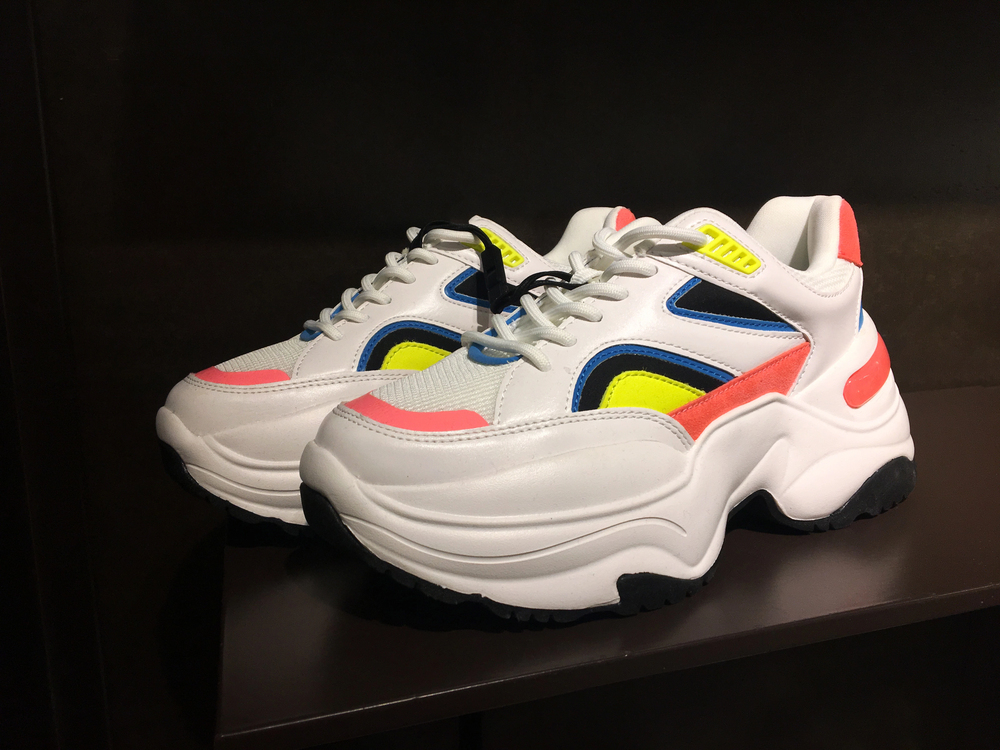
Charles Goodyear spent years trying to figure out how to make rubber durable enough to withstand extreme temperatures without melting or freezing. One day in 1839, he accidentally dropped a mixture of rubber and sulfur onto a hot factory stove. To his absolute shock, the material hardened perfectly while keeping its flexible bounce.
This happy accident led to the vulcanization process that makes our modern athletic shoes possible. Without this completely unintentional drop on a stove, we would not have the comfortable athletic shoes we depend on today. In fact, the global sneakers market reached approximately $92.43 billion in 2024, showcasing just how essential that clumsy moment became.
Velcro Straps And Fasteners
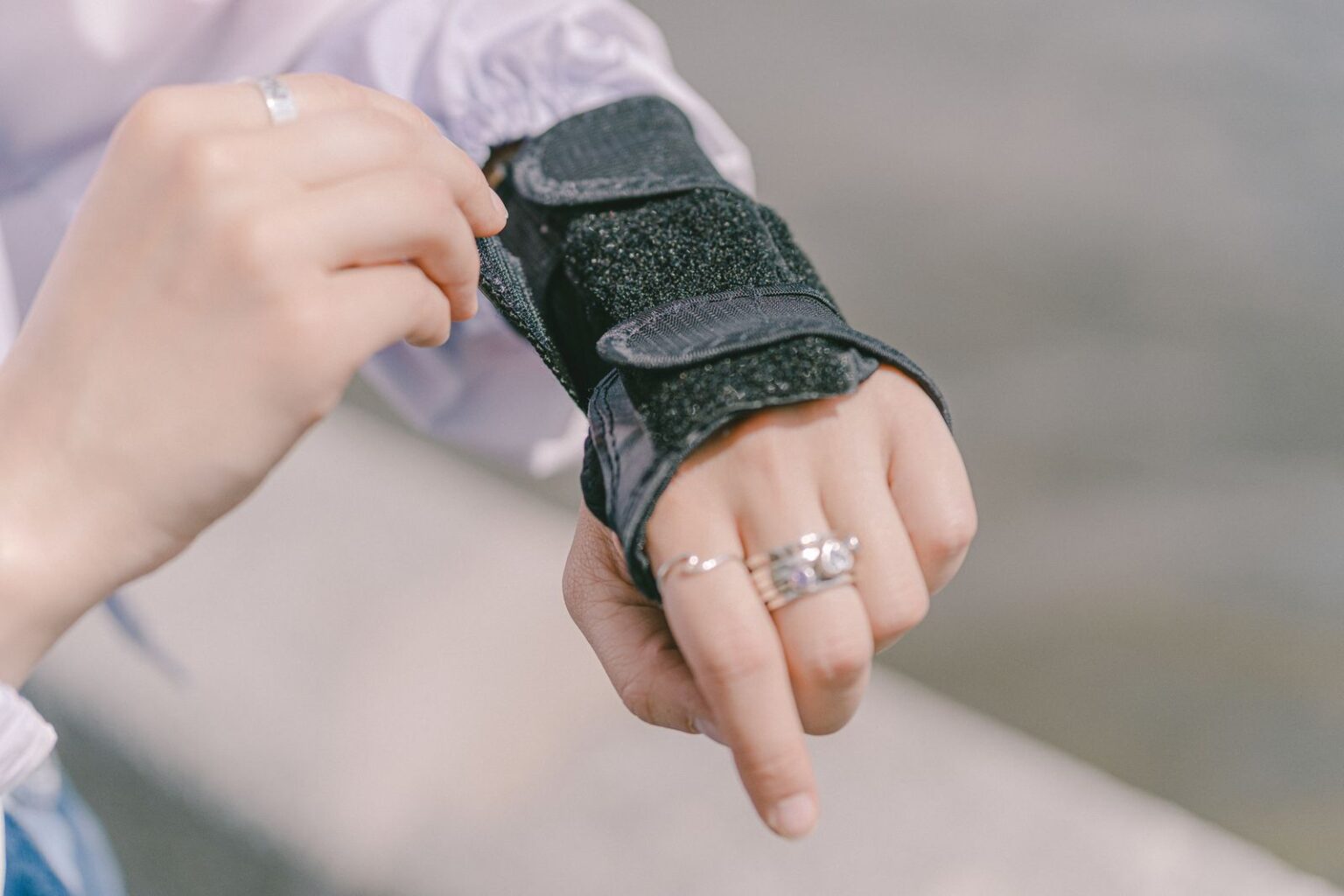
Swiss engineer George de Mestral took his dog for a routine hike in the woods and came home covered in annoying plant burrs. Frustrated by how tightly they stuck to his dog and his pants, he looked at them under a microscope. He discovered tiny hooks on the plants that effortlessly attached to the loops of his fabric.
That annoying walk inspired him to create a two-sided fastening system that mimicked the same hook-and-loop concept. The fashion industry eventually embraced his creation as a futuristic alternative to shoelaces and buttons. Kids and adults alike now rely on this accidental inspiration for everything from winter coats to quick-release sandals.
Stain Resistant Clothing

Chemist Patsy Sherman was trying to develop a new type of rubber for aircraft fuel lines during the 1950s. An assistant accidentally dropped a bottle of the experimental chemical mixture right onto her new canvas tennis shoe. When she tried to wash the spill away with water and cleaning solvents, the liquid simply beaded up and rolled off.
She immediately recognized that her ruined shoe was actually a miraculous breakthrough for fabric protection. This lab blunder eventually became the famous Scotchgard treatment that keeps our favorite outfits looking completely spotless. You can thank that clumsy assistant the next time you spill coffee on your pants, and they wipe it clean.
Dr Martens Chunky Boots

Klaus Märtens injured his ankle during a skiing trip in the Bavarian Alps and found his standard military boots far too painful to wear. Seeking a softer option, he decided to modify his footwear by adding air-padded soles made from discarded tire rubber. He just wanted a comfortable shoe to help his foot heal, but he unknowingly sparked a massive cultural movement.
His orthopedic experiment caught the attention of British shoe manufacturers, who refined the design for factory workers. Decades later, grunge kids and punk rockers adopted the heavy boots as a staple of rebellious street style. The brand has remained so deeply iconic that Dr. Martens achieved a milestone revenue of $1.24 billion in its fiscal year 2023.
Ripped And Distressed Denim

During the wild punk rock explosion of the 1970s, teenagers wore their clothes until they literally fell apart at the seams. Rips and tears usually happened by accident during loud concerts or chaotic skateboarding sessions in the neighborhood. Instead of throwing the damaged pants in the trash, rebellious kids safety pinned them back together as a badge of honor.
Mainstream designers eventually noticed this gritty aesthetic and began tearing brand-new fabric on purpose to mimic the street look. People now pay top dollar for pants that come with preset holes and frayed edges straight from the store. A tattered mistake essentially birthed a multimillion-dollar subcategory within the casual clothing sector.
The Casual Crop Top

Athletes and gym goers in the late 1970s constantly complained about overheating while wearing thick sweatshirts during intense workouts. To cool down faster, they grabbed scissors and carelessly hacked off the bottom halves of their tops. The jagged cut was purely functional and never intended to make a stylish statement on the street.
Pop stars and aerobics instructors soon brought this accidental gym modification onto television screens across the nation. Teenagers instantly copied the breezy look, turning a desperate cooling technique into a summer wardrobe essential. It remains a massive hit today that perfectly pairs with high-waisted pants and skirts.
Plain Shirts As Outerwear

For a very long time, simple white undershirts were strictly considered private garments that decent gentlemen never showed in public. Soldiers stationed in tropical climates during World War II began wearing only their undergarments because the blistering heat was unbearable. The military-issued tops were meant to be hidden, but survival comfortably took priority over strict dress codes.
When returning veterans kept wearing them alone, Hollywood actors caught on and popularized the relaxed aesthetic on the big screen. A completely inappropriate lack of layering transformed the humble undershirt into the undisputed king of casual tops. Everyone now owns multiple variations of an item that was originally just a sweat-catching base layer.
Copper Riveted Denim Jeans
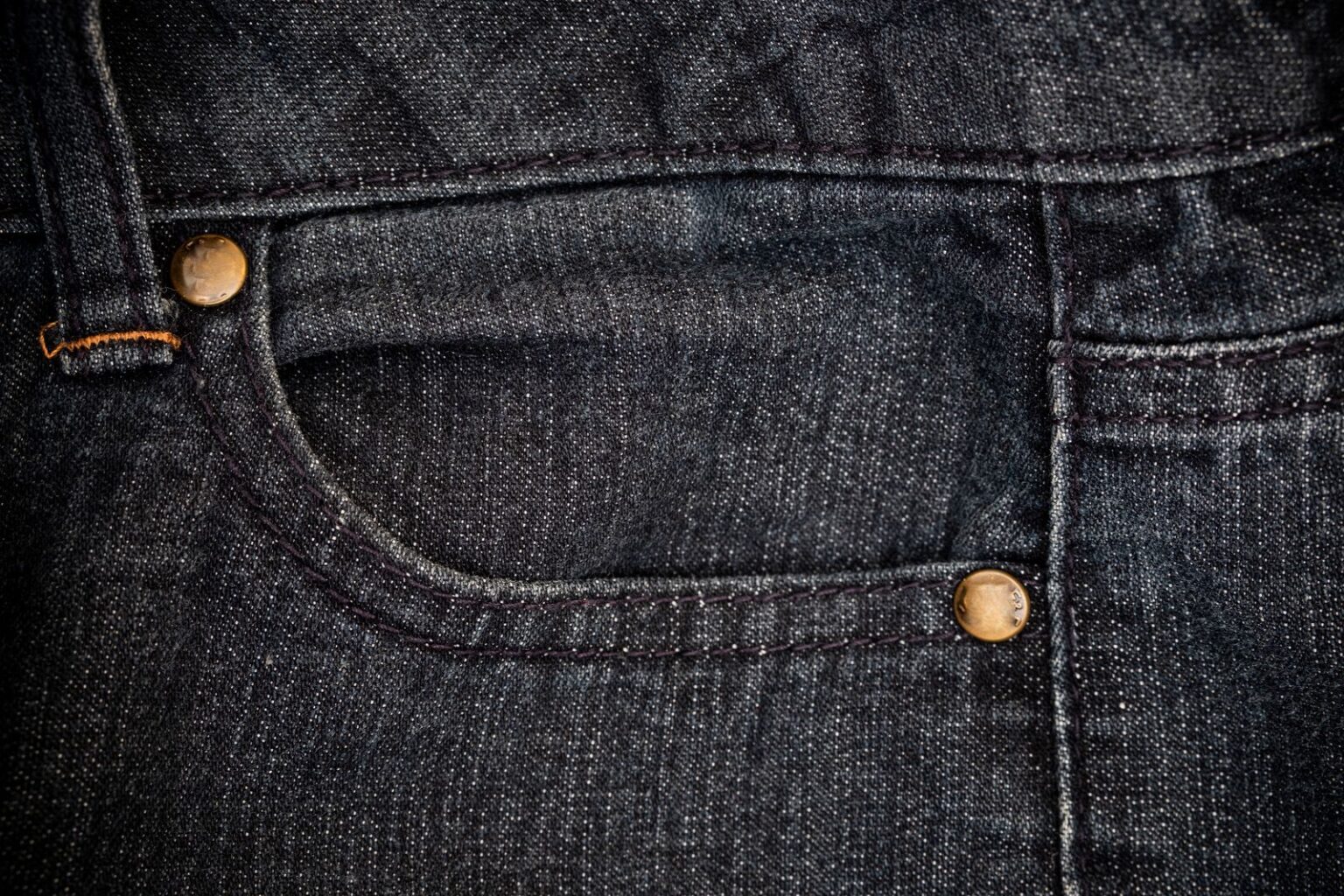
During the California Gold Rush, hardworking miners kept complaining that their heavy tools were accidentally tearing the pockets right off their pants. A local merchant named Jacob Davis realized he needed a tough solution for these frustrating wardrobe malfunctions. He impulsively decided to hammer metal rivets into the stress points of the fabric to prevent the seams from bursting open.
This practical fix worked so perfectly that he partnered with Levi Strauss to patent the indestructible design. What started as a desperate attempt to keep pockets attached turned into the most universally worn garment on earth. The global denim jeans market size was valued at a staggering $69.48 billion in 2023, completely fueled by that simple metal reinforcement.
Artificial Silk And Rayon

French scientist Hilaire de Chardonnet was working in a photography darkroom when he accidentally spilled a liquid chemical called collodion onto his table. He ignored the puddle for a little while, and when he finally tried to wipe it up, the chemical had transformed. It stretched out into long, shiny threads that looked exactly like expensive silk.
Chardonnet spent the next several years perfecting this mistake to create the very first affordable alternative to natural silk. The fabric was eventually named rayon, and it brought luxurious draping to everyday dresses without the hefty price tag. That clumsy spill gave regular consumers a taste of high society elegance that completely democratized the textile industry.
Disclaimer: This list is solely the author’s opinion based on research and publicly available information. It is not intended to be professional advice.
Like our content? Be sure to follow us
MORE TCF GAMES