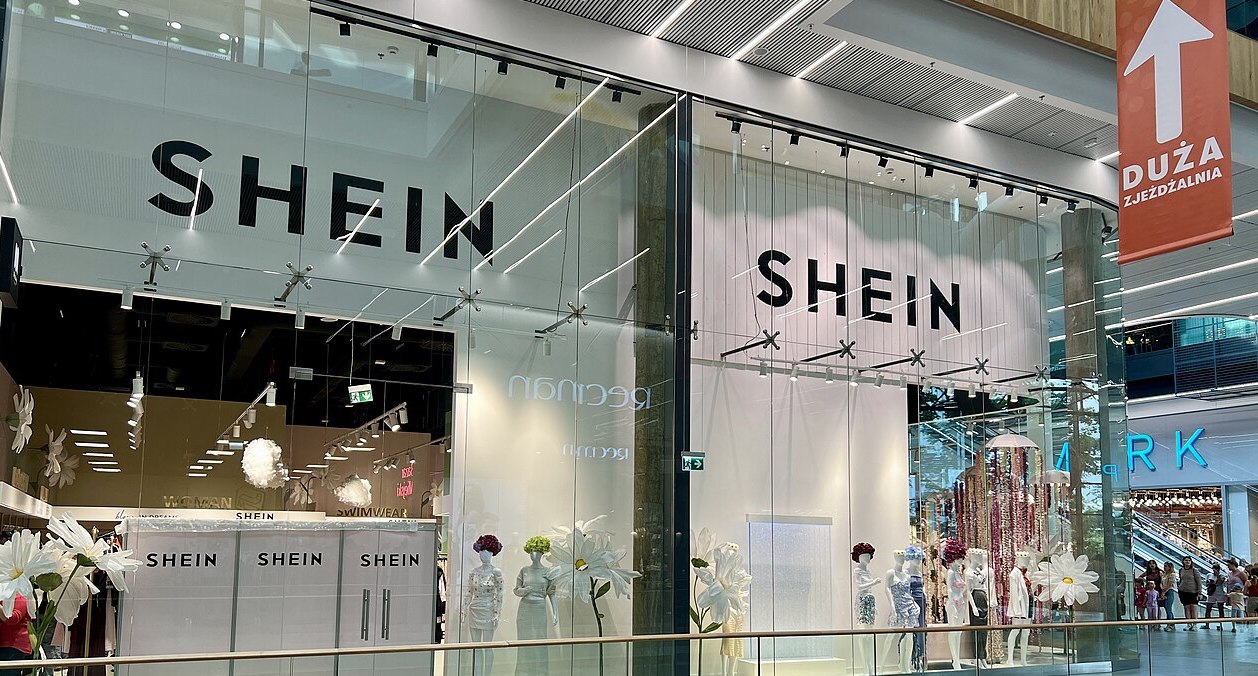
The sudden and completely unexpected announcement that the Chinese fast fashion giant Shein purchased the sustainable clothing pioneer Everlane for a cool one hundred million dollars caused massive ripples across the entire retail industry this past May.
For many long years, dedicated shoppers firmly believed they were buying into a completely transparent ecosystem that valued ethical manufacturing practices far above the pursuit of pure corporate profit.
Now, those same devoted fans feel completely betrayed and incredibly angry because the new buyer is widely considered by environmental advocates to be the biggest polluter in the global apparel business.
How Crushing Financial Debt Forced An Unlikely Corporate Marriage
The uncomfortable truth hiding quietly behind this surprising acquisition boils down to cold, hard math rather than some sudden and dramatic change of moral principles from the executive leadership team.
According to a recently published CNN report, Everlane had accumulated roughly ninety million dollars in crippling liabilities just before this highly controversial deal finally went through and saved them from total collapse.
The executives essentially had their backs firmly pressed against the brick wall and desperately needed a massive cash injection just to keep the virtual lights on for their dedicated corporate employees.
When the private equity firm L Catterton started quietly shopping the struggling brand around in March, they were desperately looking for absolutely anyone who could completely absorb that massive financial burden without destroying the company.
Shein swooped in almost out of nowhere with their incredibly deep pockets and offered exactly the right amount of cash the original investors needed to cut their painful losses and walk away from the negotiating table.
It is a very harsh reminder that even the most well-intentioned businesses cannot possibly survive on good vibes and organic cotton if their official balance sheet constantly bleeds serious money every single quarter.
The Radical Difference In Core Business Models Creates Massive Friction
If you take a close look at how these two very different companies actually operate daily, they could not possibly be further apart on the traditional retail spectrum. BBC recently pointed out that Shein has upwards of six hundred thousand individual products available on its website at any given moment to constantly satisfy fleeting internet microtrends.
Meanwhile, the smaller San Francisco-based brand originally built its entire pristine reputation on offering a very limited selection of timeless staples meant to last for many years in your carefully curated closet.
Trying to smash these two opposite design philosophies together feels a lot like aggressively mixing oil and water in a kitchen blender while blindly hoping for a perfectly smooth fruit smoothie.
The loyal American customers who happily paid a premium price for guaranteed ethical labor practices are currently flooding various social media platforms with absolute outrage over the brand-new ownership structure.
They simply cannot understand how a respected label famous for radical supply chain transparency can exist comfortably underneath a massive umbrella organization famous for churning out cheap and highly disposable party garments.
What This Mega Deal Means For The Future Of Sustainable Fashion
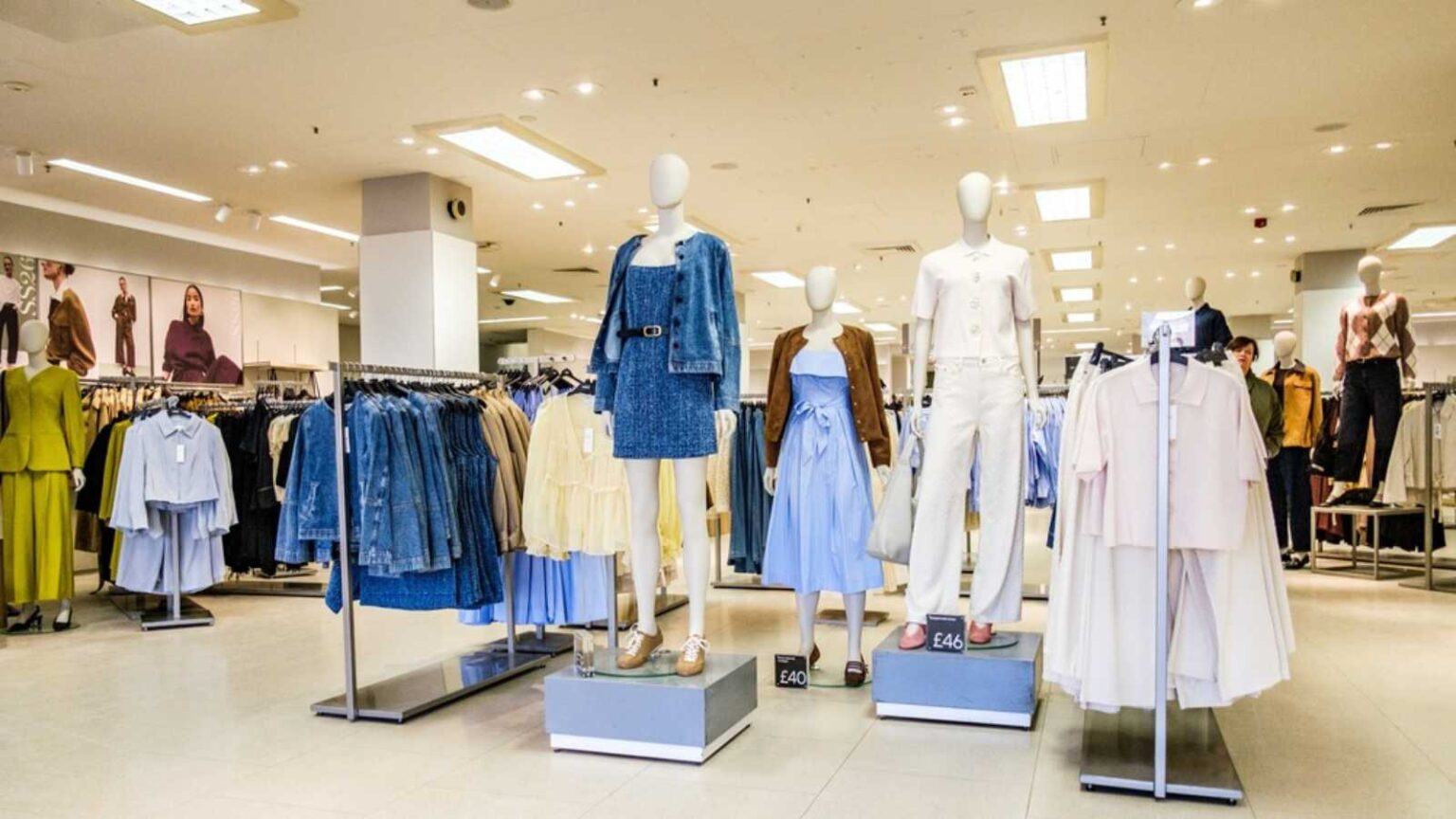
Many seasoned industry experts strongly worry that this high-profile buyout might destroy the optimistic millennial dream of building highly profitable consumer companies that actually care deeply about the planet.
If a famous pioneer of supply chain transparency cannot make the basic math work without eventually selling out to a fast fashion giant, smaller eco-friendly clothing startups might simply lose hope entirely.
Venture capital investors could very easily look at this specific disappointing outcome and permanently decide that funding sustainable apparel is simply too risky compared to traditional high-volume clothing operations.
However, we should probably remember that the original public push for strict environmental accountability did force massive positive changes across the entire global manufacturing sector over the last incredibly busy decade.
Looking at recent historical economic data, L Catterton initially led an eighty-five million dollar investment round back in 2020 that valued the ethical brand at roughly six hundred million dollars.
Even though the final sale price ended up being just a tiny fraction of that absolute peak valuation, the initial massive hype proves that modern consumers genuinely want responsibly made products.
How The Parent Company Benefits From Acquiring A Prestigious Label
You might be legitimately wondering why a massively profitable international conglomerate would even bother picking up a financially struggling niche brand that caters to a completely different socio-economic demographic.
The logical answer lies squarely in the intense public relations battle the ultra-fast fashion behemoth is currently fighting as it eagerly prepares for a highly anticipated initial public offering on the stock market.
Purchasing a widely respected American label instantly gives them a huge boost in corporate credibility and provides direct access to a wealthier customer base that typically completely ignores cheap trendy clothes.
They are basically trying to literally buy the good corporate reputation that they could never actually build from scratch using their own highly controversial overseas manufacturing methods and ultra-cheap synthetic fabrics.
Recent corporate financial filings revealed that Shein impressively doubled its overall profits to over two billion dollars, giving it plenty of loose spare change to easily buy up smaller competing clothing brands.
By adding a premium ethical division directly to their massive corporate portfolio, they can proudly show hesitant Wall Street investors that they are properly diversifying their financial assets and taking environmental concerns quite seriously.
The Ultimate Fate Of Radical Transparency Under New Corporate Leadership

The absolute biggest question on everyone’s mind right now is whether the beloved minimalist clothing brand can actually maintain its strict ethical standards while directly answering to its brand new corporate bosses.
The current chief executive officer recently promised his highly anxious staff that they would operate as a totally independent subsidiary and keep their existing environmental commitments completely intact moving forward into the future.
Of course, highly skeptical online shoppers have heard these same empty public relations promises during dozens of other messy corporate mergers, and they are definitely not buying the overly positive spin just yet.
Only time will eventually tell if the famous online cost breakdowns and detailed virtual factory tours remain a staple of the official website or if they quietly disappear into the dark corporate ether.
Environmental watchdogs and former customers alike will be watching closely like hungry hawks to see if the overall fabric quality suddenly drops or if the retail price tags magically shrink to match the new parent company.
Until we actually see the physical clothes hitting the physical shelves next shopping season, former passionate superfans will likely keep their credit cards firmly tucked away in their leather wallets.
Disclaimer: This list is solely the author’s opinion based on research and publicly available information. It is not intended to be professional advice.
Like our content? Be sure to follow us
MORE TCF GAMES