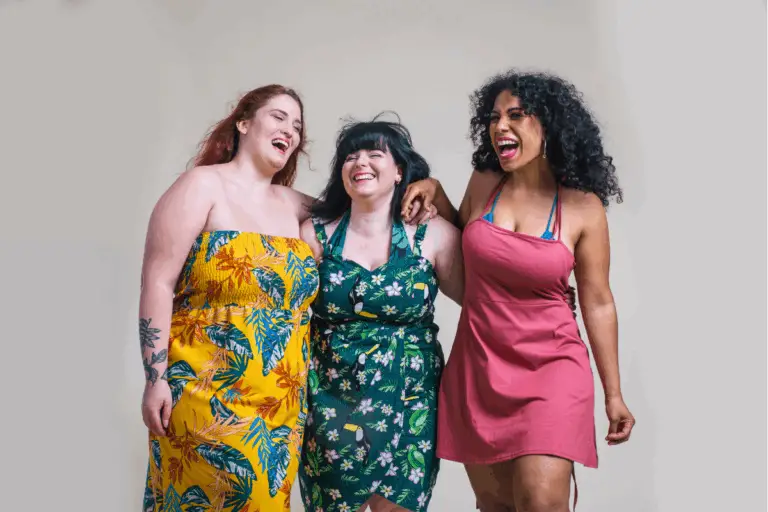

Nordic fashion has long been associated with exceptionally slim silhouettes. That perception is beginning to shift. Copenhagen Fashion Week has emerged as a leader in fashion inclusivity, increasing its representation of mid-sized models from about 2.9% to more than 7% in recent seasons, signaling that one of the world’s most influential fashion capitals is slowly broadening its definition of who belongs on the runway.
At the same time, demographic data by Norden shows that the average clothing size worn by women across Nordic countries is considerably larger than the fashion industry’s traditional sample sizes, highlighting a disconnect between real consumers and the images often used to represent them.
The Scandinavian aesthetic has never been about having a specific body type. It is about thoughtful dressing, quality fabrics, and functional elegance. With a few smart styling adjustments, curvier women can make this understated summer look entirely their own.
Layer With Light Fabrics
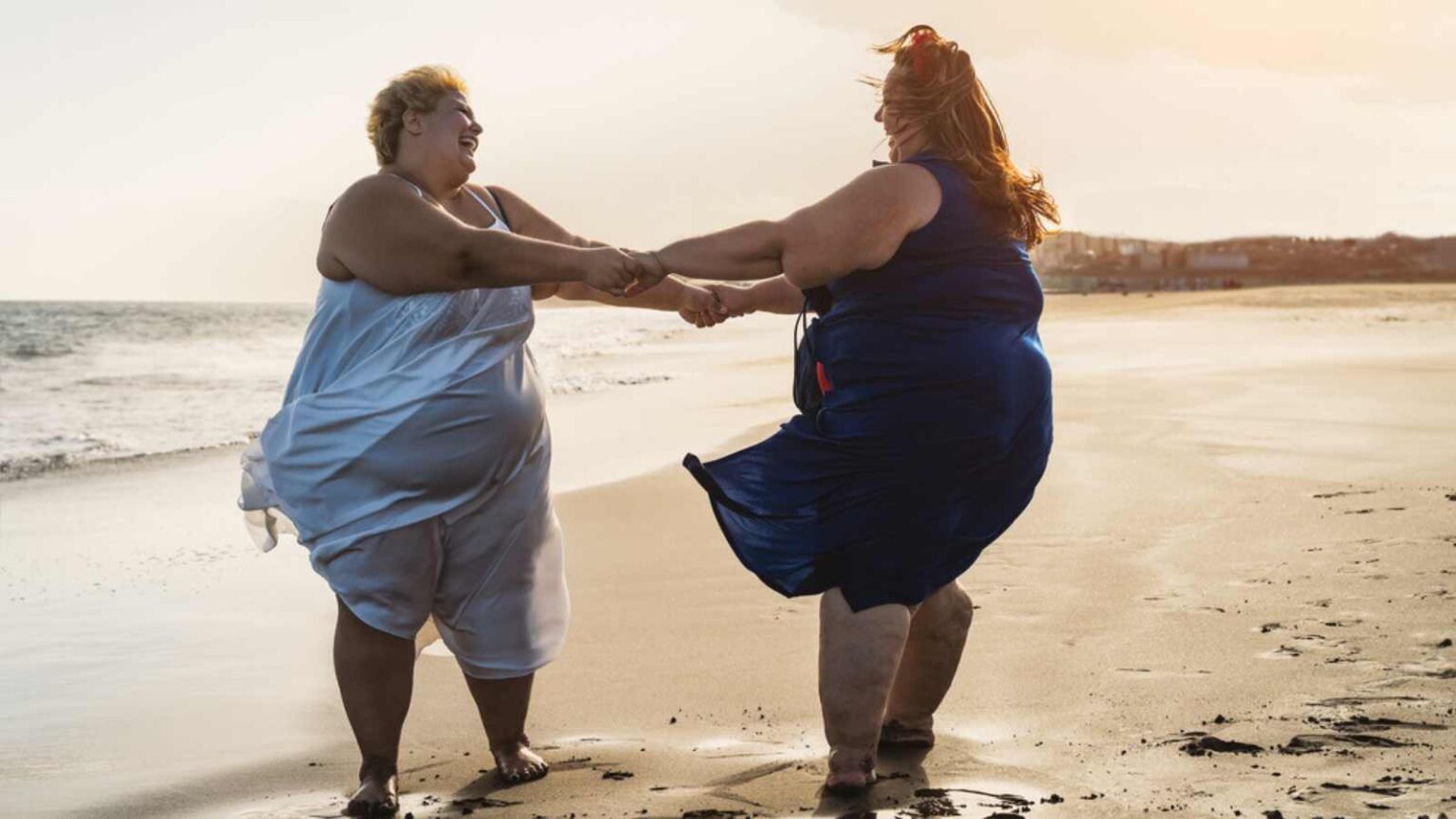
Nordic style relies on the concept of lag-på-lag, a layering method that adds depth without bulk. Opting for sheer linen shirts or silk camisoles over structured undergarments creates a silhouette that dances with the body rather than constricting it.
Scandinavian minimalism prioritizes function, yet its visual impact stems from how fabric interacts with light and movement. Choosing high-quality, breathable textiles like Tencel or organic cotton prevents the overheating often associated with layering.
Consumer shifts toward longevity are reshaping the industry, with buyers increasingly investing in versatile trans-seasonal wardrobes rather than fast-paced micro-trends.
Utilizing lightweight, semi-sheer pieces allows for the necessary coverage while maintaining the airy, effortless look that defines the Northern summer, effectively balancing architectural structure with personal comfort.
Wear Structured Oversized Pieces

Scandinavian designers frequently utilize oversized cuts that provide an intentional, sculptural quality rather than simply appearing baggy. Achieving this look for fuller figures involves selecting garments with defined shoulders or structured collars that ground the fabric and provide a clear frame for the silhouette.
Designers like Cecilie Bahnsen demonstrate that volume creates a sophisticated, romantic aesthetic when proportion is balanced by shorter hemlines or tapered wrists. This approach allows the garment to act as a floating structure, honoring the body while providing the breezy comfort required for warmer weather, proving that high-fashion volume serves as a tool for expression rather than concealment.
Choose Monochrome Looks
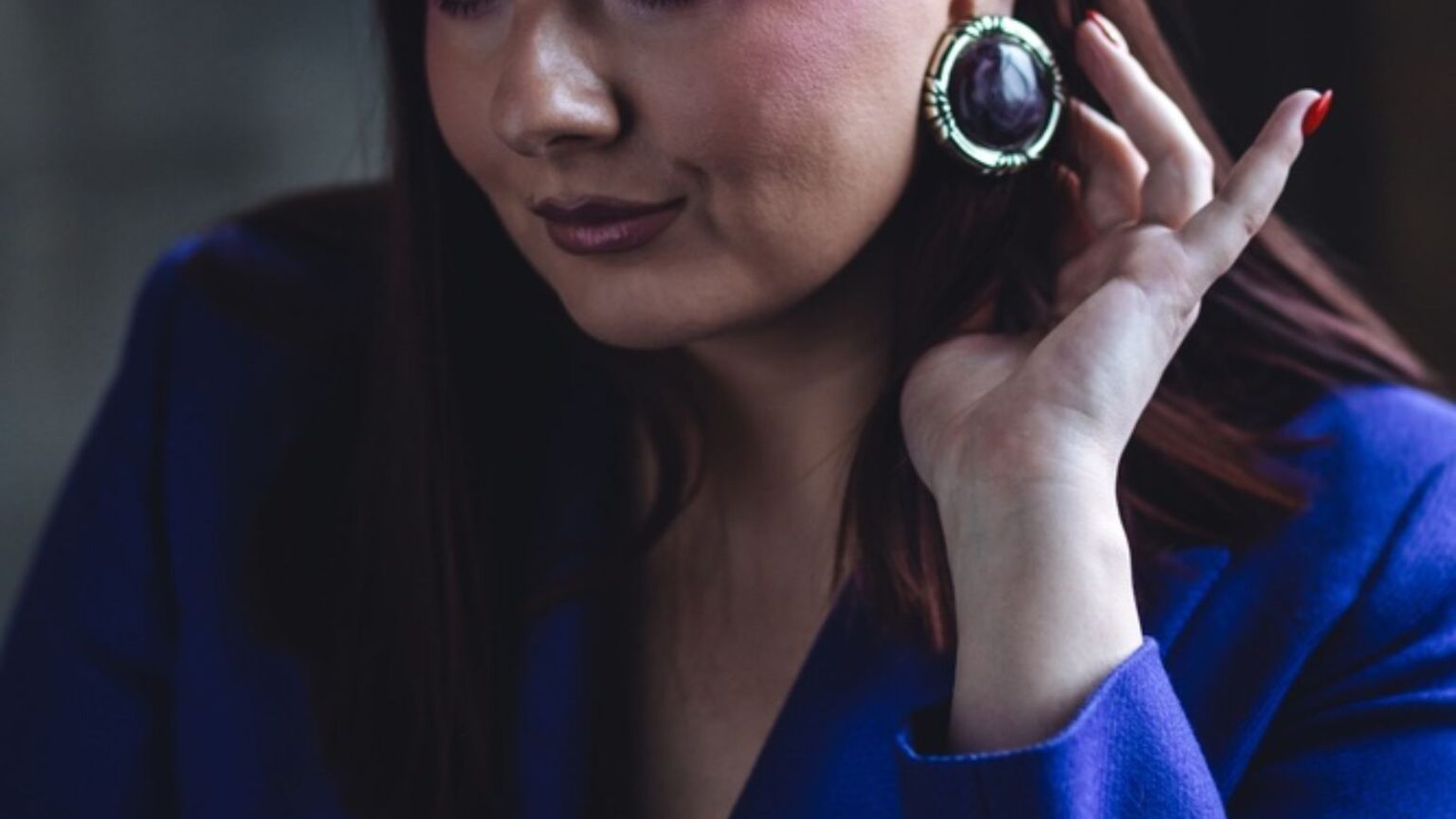
Neutral color schemes serve as the bedrock of Nordic style, providing a clean canvas that emphasizes texture and cut. Wearing a single tone from head to toe creates a continuous visual line that naturally draws the eye vertically and creates a streamlined appearance.
Color theory dictates that low-contrast outfits reduce visual clutter, allowing the focus to remain on the fit and quality of the construction. As reported in industry outlooks such as the McKinsey State of Fashion, neutral, tonal palettes are the visual shorthand for this multi-billion-dollar shift in consumer preferences.
While bold prints offer more personality, the minimalist approach provides a sophisticated alternative that relies on the richness of fabrics like raw silk or heavy jersey to create interest. This deliberate choice of palette simplifies the styling process while maximizing the elegance inherent in a monochromatic ensemble.
Choose Quality Jersey

Jersey fabric, especially high-weight options, provides a superior drape that hugs the body in a way that is both flattering and comfortable. This material choice is vital for pieces like mid-length dresses or wide-leg jumpsuits that move with the wearer.
Natural fibers like bamboo or modal jersey offer superior moisture-wicking properties, essential for maintaining a fresh look throughout the day.
By focusing on the jersey’s weight, one can ensure the garment retains its structure while remaining breathable. This choice of material allows for a fluid, sophisticated silhouette that requires minimal styling to look put together, representing the intersection of comfort and high-end design.
Invest in Tailoring

Investing in pieces that are professionally tailored to specific measurements ensures that elements like waist seams and hemlines hit exactly where they are meant to, enhancing the body’s natural lines.
A garment’s longevity depends on the precision of its construction, with well-fitted seams preventing the fabric from pulling or bunching. Global research from sources such as Dataintelo and Next Move Strategy Consulting confirms that the custom clothing and tailoring market is expanding at a significant double-digit CAGR (10%–11%), with demand for personalized fit and individualization rising even faster among Gen Z and Millennial cohorts.
By prioritizing a piece’s structural integrity, one ensures the garment maintains its intended shape throughout the day, providing a polished look that feels inherently intentional and bespoke, regardless of the wearer’s size.
Define Your Waist
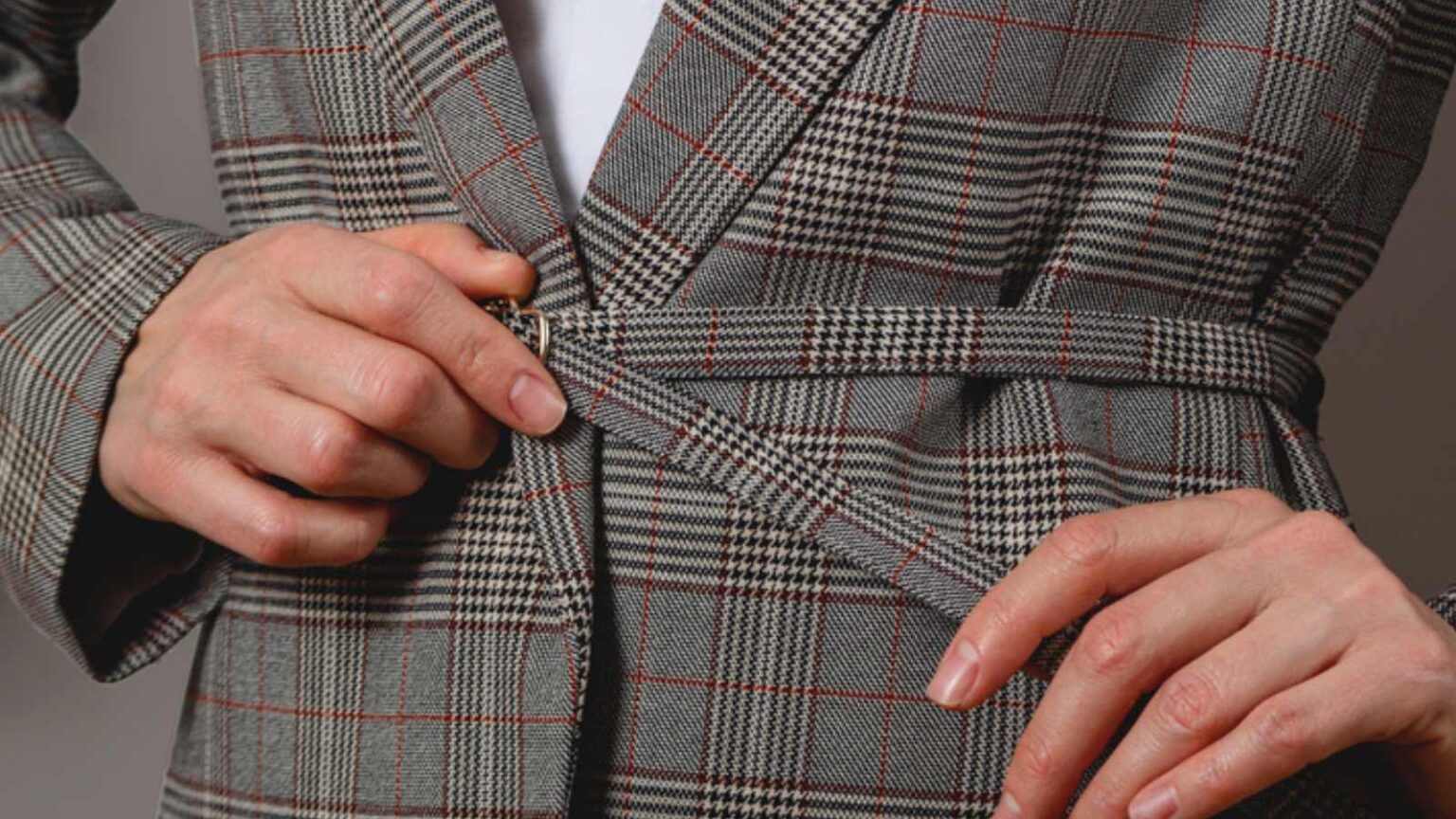
While the Scandinavian look often favors a loose, relaxed fit, introducing a subtle cinch adds intentionality, enhancing the natural shape. Utilizing belts made of supple leather or using a wrap-style closure allows for adjustable comfort while creating a point of visual interest.
A competing view holds that the true essence of Nordic style lies in complete freedom from restrictions, yet many contemporary stylists argue that a defined waist serves as a necessary anchor for voluminous pieces.
Incorporating a waist-defining element into loose garments increases wearer confidence by providing a sense of proportion that complements oversized top layers. This technique bridges the gap between high-fashion architectural volume and accessible everyday wear, creating a silhouette that is both comfortable and striking.
Anchor With Footwear

Platforms and chunky sandals provide the necessary height to complement long-line skirts or wide-leg trousers while maintaining a grounded, stable aesthetic. Footwear designers often focus on ergonomics, as comfort dictates the success of a summer wardrobe.
Sales of utilitarian-chic footwear have outperformed stiletto styles by a wide margin in markets. Lighter, more delicate shoes are more feminine, but a heavier sole provides a necessary visual balance to the soft, breezy fabrics typically worn in Scandinavian summers.
Selecting a high-quality leather sandal or a minimalist loafer ensures the outfit looks finished and deliberate, preventing the overall aesthetic from leaning too far into loungewear.
Embrace Slow Fashion
The Scandinavian approach to fashion is deeply rooted in the concept of slow fashion, which prioritizes items designed to last for years rather than months. Selecting pieces crafted from sustainable materials such as linen, hemp, or recycled wool ensures the wardrobe remains relevant regardless of current micro-trends.
This philosophy is not just about environmental consciousness but about building a cohesive aesthetic that feels authentic to the wearer.
Sustainability-minded consumers are more likely to feel satisfied with their wardrobe choices, as each item serves both functional and aesthetic purposes.
By curating a collection of high-quality basics that fit well, one avoids the trap of fast fashion and instead builds an enduring style that celebrates craftsmanship over quantity.
Match Your Accessories
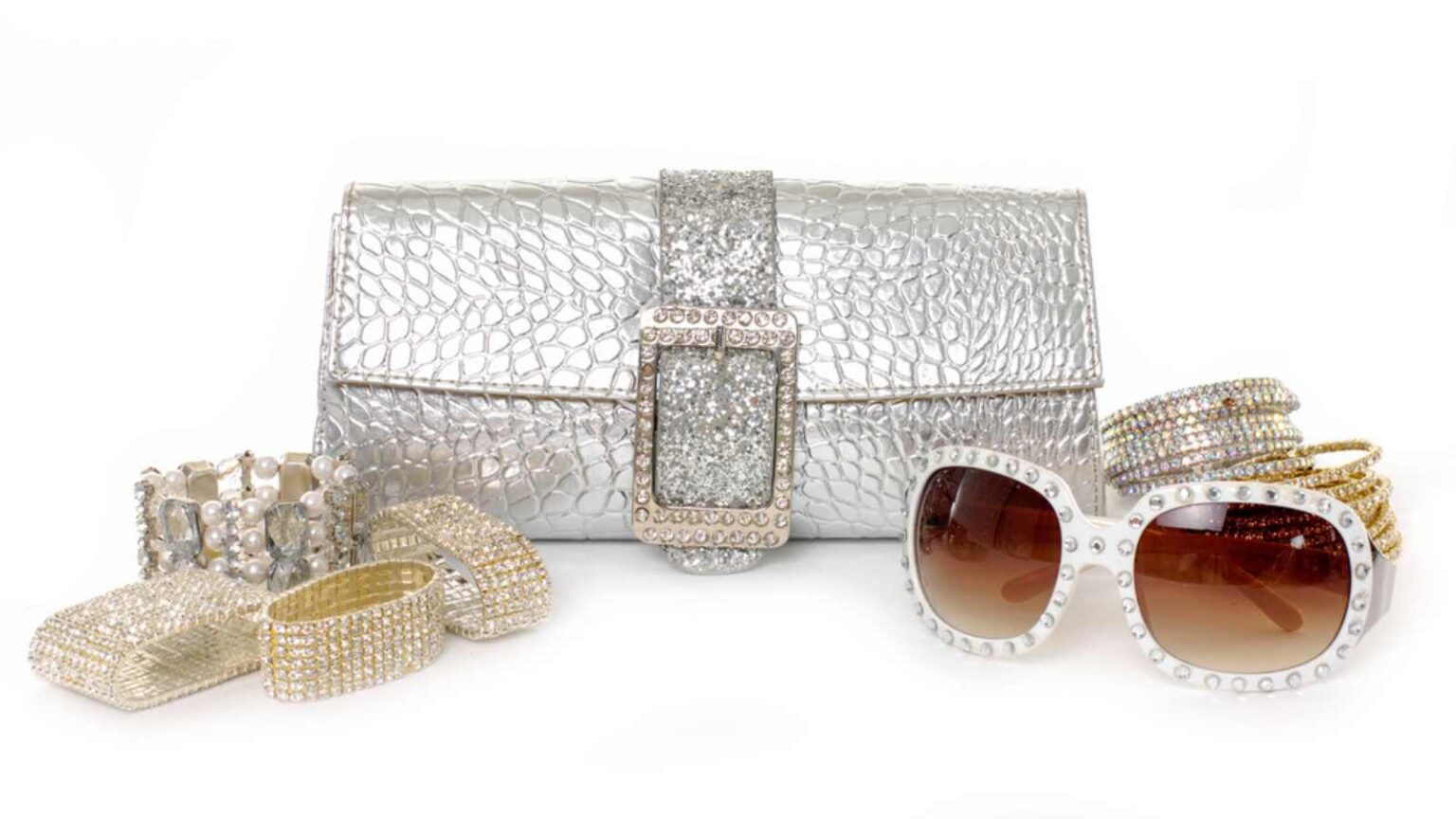
In a wardrobe defined by neutral palettes and clean lines, accessories offer a way to inject personality without disrupting the overall minimalist flow. Choosing bags, eyewear, or jewelry in the same color family as the primary outfit maintains a cohesive, intentional appearance that feels sophisticated.
A different perspective holds that high-contrast accessories provide a necessary pop of color, yet the monochromatic approach remains the hallmark of true Northern elegance.
By matching the tone of leather goods to an outfit’s primary color, the look appears elongated and meticulously styled. This strategy emphasizes the importance of subtle details, proving that impact can be achieved through color harmony rather than loud, contrasting statements.
Balance Skin Exposure

Scandinavian summer style often involves showing skin in calculated, elegant ways that feel intentional rather than forced. Off-the-shoulder necklines, high slits, or open-back designs provide a way to embrace the warmth while keeping the focus on the garment’s architecture.
Stylists suggest that choosing one area to highlight allows the rest of the outfit to maintain its breezy, relaxed structure. This approach to dressing fosters a sense of freedom and lightness central to the Scandinavian ethos, ensuring the wearer feels both confident and appropriately styled for the season.
Balancing exposure with coverage is a hallmark of sophisticated design, allowing the individual’s natural shape to be celebrated through the lens of modern, minimalist fashion.
Key Takeaways

- Prioritize structural integrity by utilizing high-quality tailoring to ensure garments drape correctly, framing the body through intent rather than attempting to hide it behind oversized, unconstructed fabric.
- Embrace monochromatic palettes as a tool for visual elongation, using neutral, tone-on-tone dressing to create a seamless, sophisticated silhouette that emphasizes quality and texture over loud, busy prints.
- Master the balance of layering by applying the lag-på-lag principle with fluid, breathable textiles to create architectural depth that remains airy and comfortable in warmer months.
- Invest in artisanal footwear with substantial, ergonomic soles to anchor voluminous outfits, providing a necessary visual weight that keeps the overall aesthetic polished and stable on varied terrain.
- Adopt a slow-fashion mindset by curating a wardrobe of versatile, sustainable pieces that prioritize longevity and fit, moving the focus away from rapid trend cycles toward enduring, intentional style.
Disclaimer: This list is solely the author’s opinion based on research and publicly available information. It is not intended to be professional advice.
Like our content? Be sure to follow us