How Female Founders Are Disrupting the Plus Size Fashion Industry
Plus size fashion did not “evolve.” It got dragged into the present by female founders in plus size fashion. Shoppers can thank them for refusing to beg the industry for crumbs.
Because for years, shopping as a plus size woman meant the same tired routine: one sad rack in the back, an online only section disguised as progress, and a size chart that stopped just short of you and then had the nerve to ask for your loyalty anyway.
And the wild part? The industry still expected our money. Just not our feedback. Not our bodies. Not our leadership.
So, women did what women always do when we are underestimated. We built our own tables, brought receipts, and turned “there’s no market” into “watch this.”
Now let’s talk about what that disruption actually looks like, and why the industry is still leaving money, access, and opportunity sitting right there like an unopened group chat.
The Real Cost of Limited Access (And the Money Sitting Right There)
At this point, we all know the headline stats. Plus size women are not rare. We are not a niche. We are not an edge case.
So, let’s stop repeating what everyone already knows and start asking the questions the industry keeps dodging.
If plus size women represent a dominant share of women shoppers, why is plus size fashion still treated like a digital-only afterthought?
Why are straight sizes merchandised front and center in stores, styled on mannequins, tried on in fitting rooms, and touched before purchase, while plus size shoppers are expected to gamble online?
That is not inclusion. That is restricted access.
And access matters.
When plus size clothing is primarily available online, friction increases immediately. Higher return rates. Fit uncertainty. Shipping costs. Longer decision cycles. Fewer impulse buys. Less brand loyalty. Not because plus size women hesitate to shop, but because the system was never designed to welcome us fully.
So, here’s the real question.
How much money is the industry leaving on the table by limiting plus size access to screens instead of stores?
We already know in store visibility drives conversion. We know customers buy more when they can touch, try, and style pieces in real time. We know physical retail still matters for brand trust, especially in categories where fit is critical.
And yet, plus size shoppers are routinely denied that experience.
Female founders clocked this early. They understood the issue was never demand. It was distribution. It was access. It was the false belief that plus size clothing needed to prove itself before earning equal space.
That mindset costs money. It costs retailers missed sales and it costs customers time, confidence, and patience they should never have had to spend.
Plus size women are not asking for more options. We are asking for equal access. And the industry is still pretending those are the same thing.
Who We’re Actually Talking About When We Say “Female Founders”
And let’s be clear, because this conversation is bigger than ownership papers.
When we talk about female founders in plus size fashion, we are not only talking about designers launching labels. We are talking about the full ecosystem of women building, shaping, and sustaining this industry.
That includes designers creating the clothes, yes. But it also includes plus size creators building audiences and demand long before brands caught up. Stylists rewriting the rules of who gets dressed and how. Editors and publishers, like TCF, who have spent years documenting, critiquing, and amplifying this space when mainstream fashion would not. Media platforms that built trust, visibility, and cultural memory from the ground up.

All of them are founders.
Because influence is infrastructure.
Female founders in plus size fashion did not just sell products. They built pathways.
They created access where none existed. They educated consumers, challenged brands, and made it impossible for the industry to keep pretending plus size fashion was optional.
In plus size fashion, founders are not just people who launch brands. They are people who build belief.
Funding Barriers Did Not Stop the Vision
Let’s be honest. These brands were not built with easy money.
Women led startups have historically received a small slice of venture capital and that gap gets even wider when the product is built for plus size customers, because the industry still treats plus size as “specialty” instead of standard.
So, female founders got resourceful.
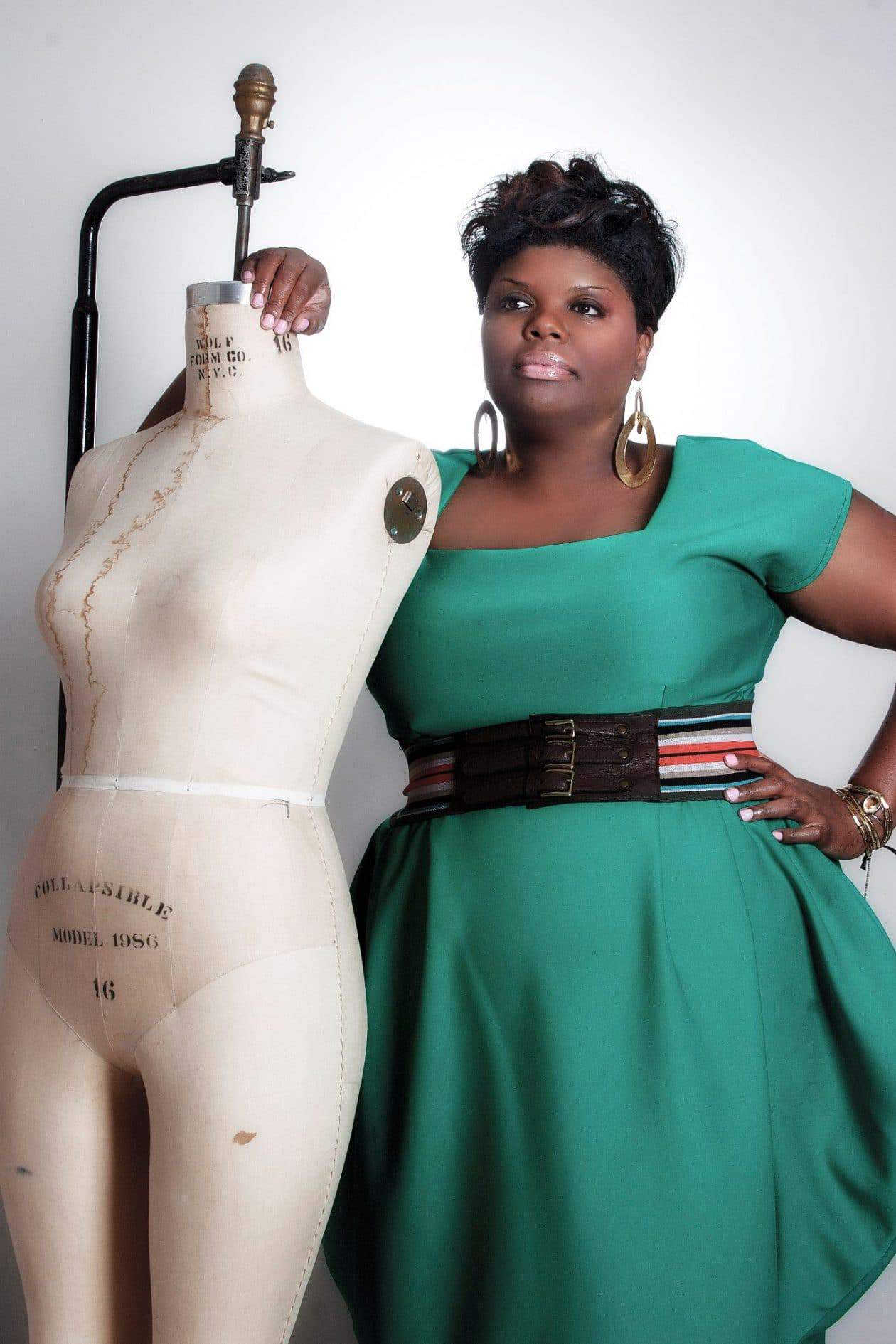
They bootstrapped. They built slowly. They used creative financing. They stayed close to their communities and let real customer needs drive the business.
And here’s the thing. Being underfunded forced a level of discipline legacy brands rarely have. Fit feedback mattered. Fabric choices mattered. Customer trust mattered. Every decision had to earn its keep because the runway was shorter.
That scrappiness did not just build brands. It built loyalty.
Celebrity Partnerships That Actually Made Sense
If you want a masterclass in what happens when plus size inclusion is treated like a strategy instead of a side quest, look at Good American.
Co-founded by Emma Grede, Good American launched with a clear point of view: style is not exclusive, and denim should not be a punishment. The early success was not just about celebrity sparkle; it was about resonance. The brand showed plus size shoppers they were not an add-on customer; they were the customer.
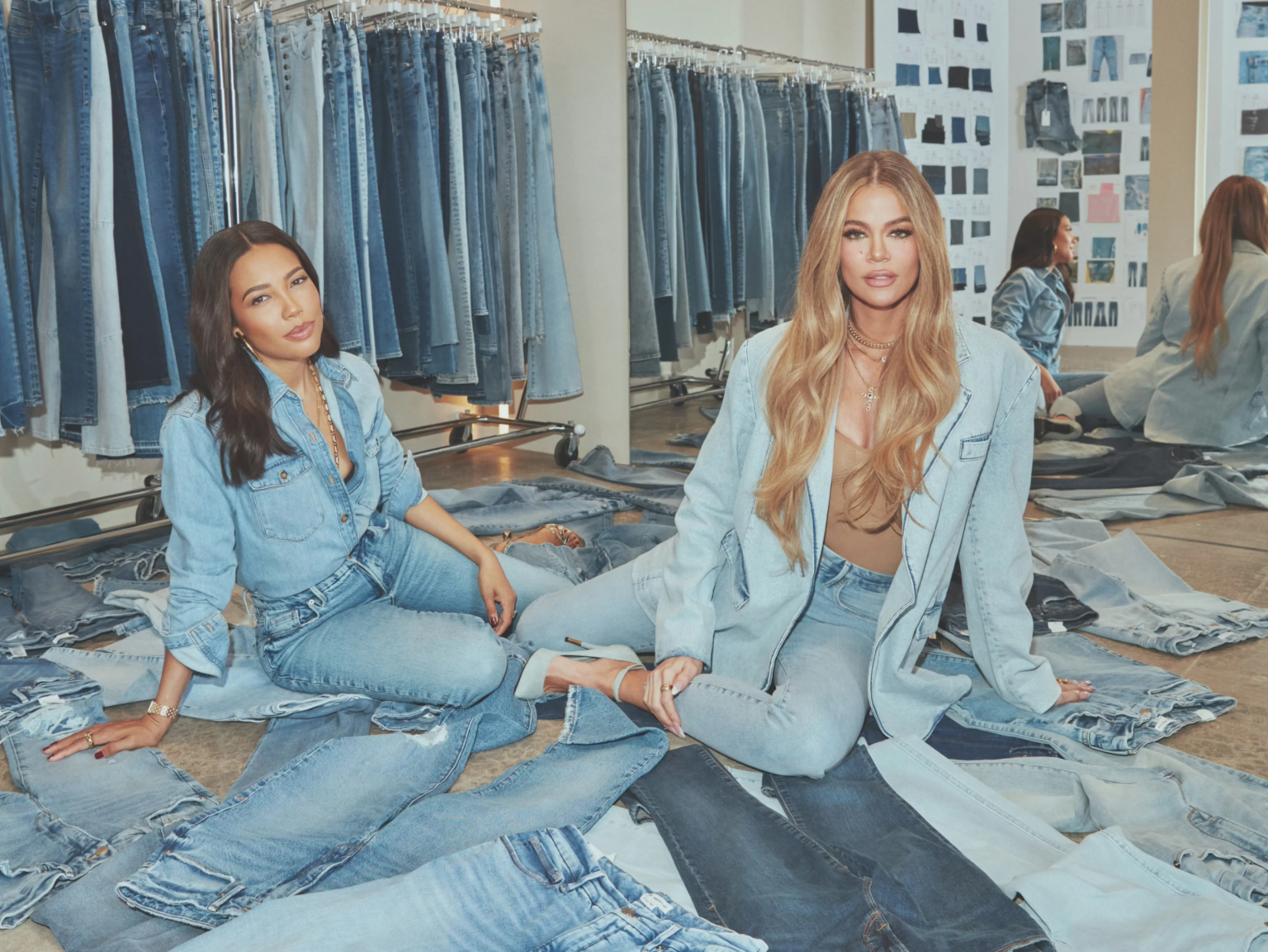
And when people talk about celebrity partnerships “not being real,” I always say this: authenticity is not about who is famous. It’s about whether the brand understands the lived experience it’s selling to. When the product fits and the message respects the customer, the audience responds.
Technology-Driven Personalization
Female founders also understood something most retailers ignored for years: plus size bodies have more visible variation in proportion and shape, so fit problems show up faster.
That is why personalization is not a luxury in plus size fashion. It is access.
Services like Dia & Co built an entire model around the fact that plus size shoppers should not have to order five sizes, keep one, return four, and call it “normal.” Styling, fit guidance, and smarter curation reduce friction, boost confidence, and make shopping feel like support instead of stress.
And yes, the rise of AI, sizing tools, and virtual try-ons matters here too, but only when it solves a real problem instead of becoming another marketing buzzword. Female founders have consistently pushed tech toward function: better sizing, better recommendations, fewer returns, and less wasted time.
Direct to Consumer, Done the Female Founder Way
Here is where female founders in plus size fashion truly separated themselves from the pack.
Instead of waiting for department stores to take a chance, women built direct relationships with their customers. Direct to consumer was not just a business model. It was a refusal to be filtered.
A standout example is Universal Standard, founded by Polina Veksler and Alexandra Waldman. From day one, the brand launched with sizes 00 through 40 as the baseline, not the extension. Fit was informed by data, not assumptions, and plus size bodies were centered, not accommodated later.
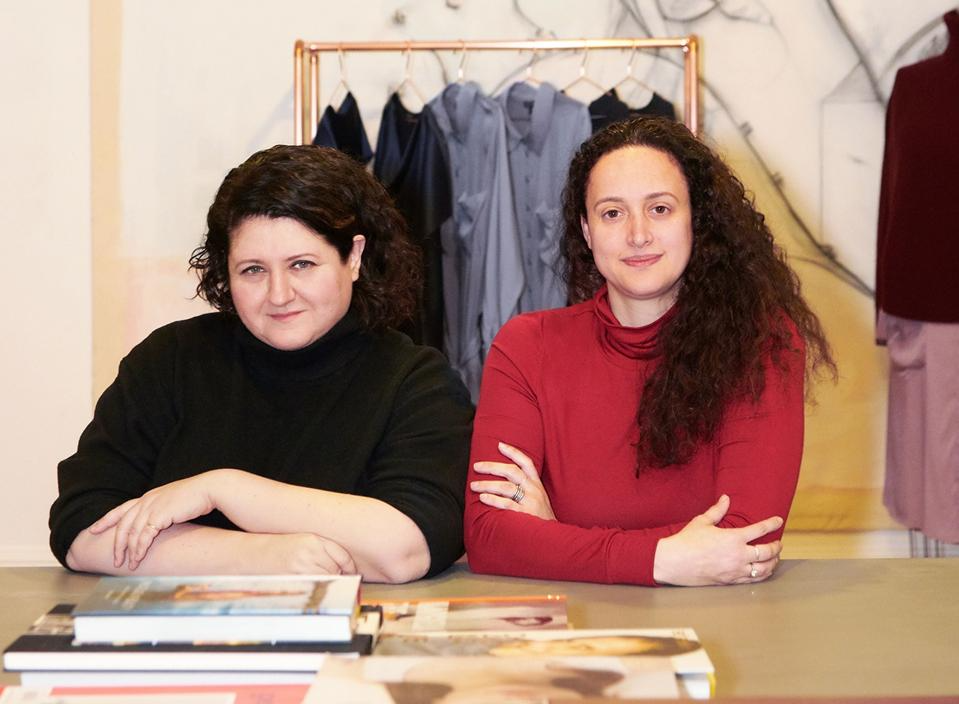
Their Fit Liberty program, which allowed customers to exchange items if their size changed, was not a gimmick. It was an acknowledgment of real bodies and real lives.
This is what disruption looks like when women lead. No testing the waters. No apology tours. Just building infrastructure that assumes plus size women belong in fashion. Period.
And the success of brands like this did something even bigger: it proved the market existed long before traditional retailers pretended to notice. Corporate brands did not “discover” plus size fashion. Female founders in plus size fashion proved it was profitable, scalable, and overdue.
Activewear and Performance Fashion Finally Got the Message
Plus size women did not suddenly decide they wanted to move their bodies. They have always been here. The industry just refused to design for them.
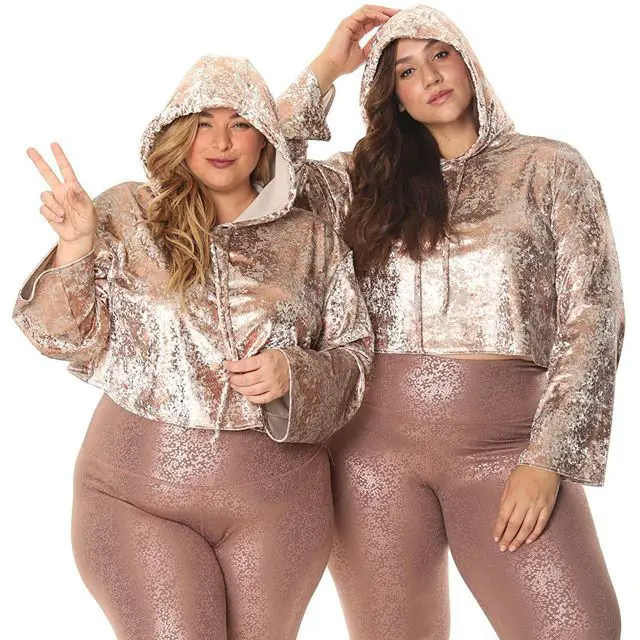
Female founders saw the gap and treated it like the obvious business opportunity it was. High performance apparel that supports movement, comfort, and confidence, without turning plus size shoppers into an afterthought.
The growth of plus size activewear is not random. It is the result of demand meeting designers who finally took that demand seriously.
Sustainability Was Never an Afterthought
One of the biggest myths the fashion industry still pushes is that size inclusion and sustainability cannot coexist. That making clothes for plus size bodies somehow cancels out ethical production, responsible sourcing, or environmental care.
Female founders have been calling nonsense on that for years.
For many plus size indie designers, sustainability was never a trend or a talking point. It was a necessity. When you are self-funded, underfunded, and designing for bodies the industry ignores, waste is not an option. Precision is.
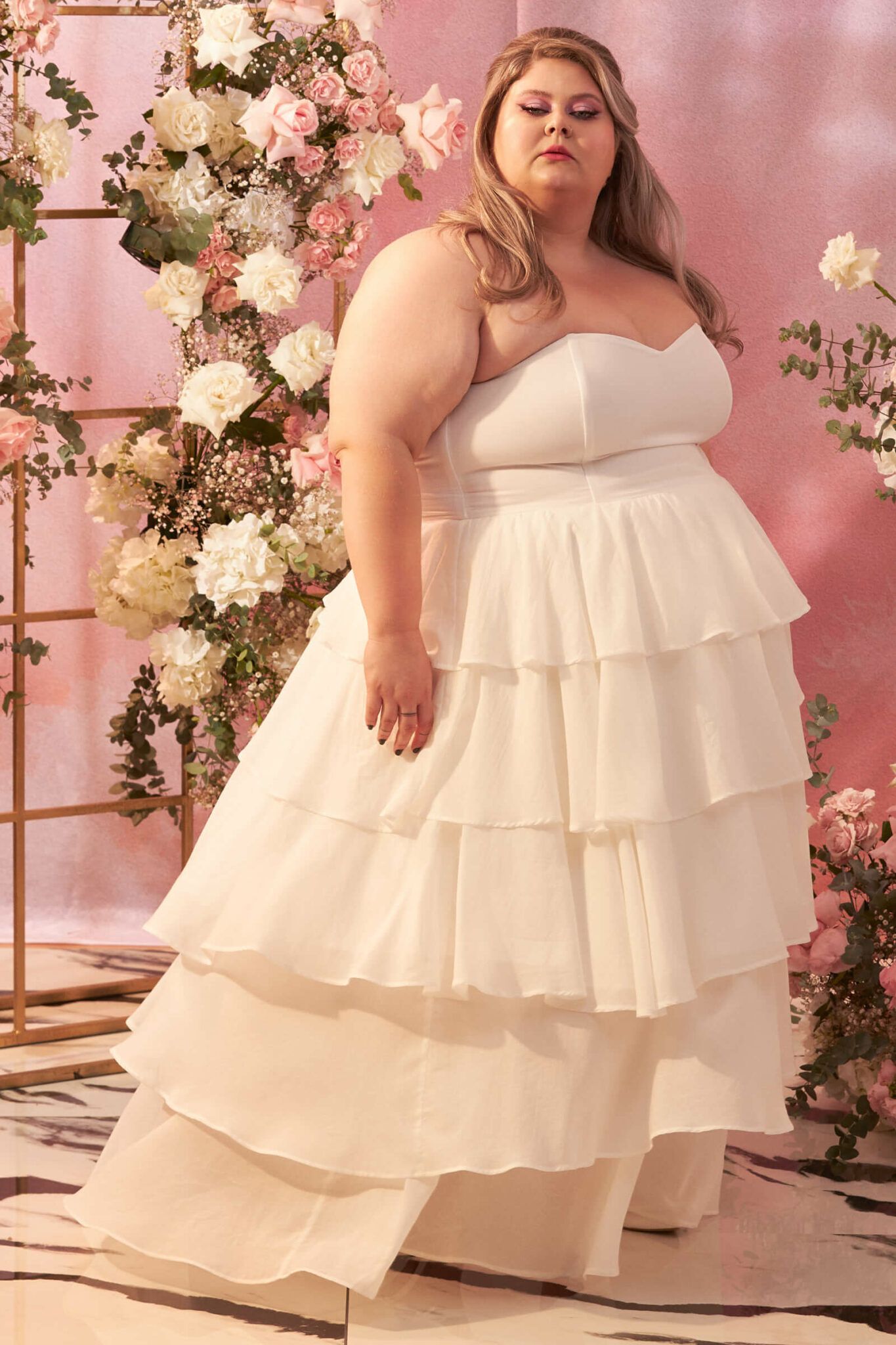
Take Loud Bodies, founded by Patricia Luiza Blaj. The brand is known for its made to order model, size range that extends well beyond traditional limits, and commitment to paying garment workers a living wage. Loud Bodies produces pieces only after they are purchased, dramatically reducing excess inventory and textile waste. That is not just sustainable. That is smart business.
Then there is Baacal, founded by Cynthia Vincent, a name TCF readers know well. Baacal operates with intention at every level, from fabric sourcing to production volume. The brand is known for using deadstock and responsibly sourced materials, designing timeless silhouettes, and producing in limited quantities. The result is luxury plus size fashion that values longevity over trend cycles.
And this conversation would be incomplete without Sue Rock Originals.
Sue Rock Originals has been quietly proving for years that plus size fashion does not have to be boring, disposable, or mass produced to be successful. The brand creates bold, expressive pieces in sizes up to 6X using deadstock fabrics, keeping both environmental impact and overproduction low.
Her work is a reminder that sustainability in plus size fashion did not start with corporate initiatives. It started with independent designers doing the work long before it was marketable.
This is where indie plus size designers quietly outpace larger brands.
Most plus size indie labels produce on demand or in small batches. They do not overproduce “just in case.” They do not gamble on volume discounts that lead to clearance racks and landfills. They produce what they know will sell because they are in constant conversation with their customers.
This model keeps costs manageable, reduces environmental impact, and allows designers to focus on fit and fabric instead of chasing impossible margins.
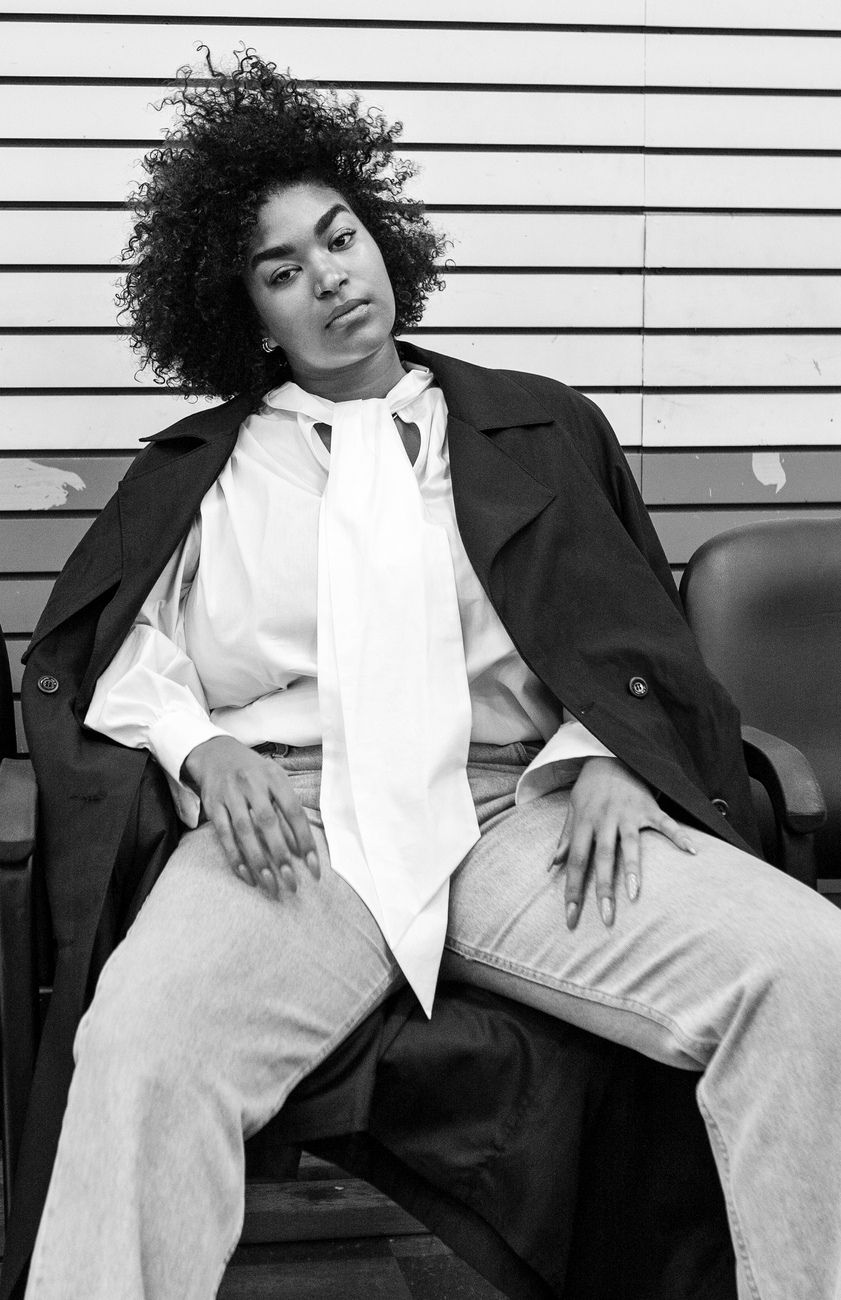
And yes, producing plus size clothing often requires more fabric and more pattern development. Female founders did not see that as a reason to opt out. They saw it as a reason to slow down, design better, and charge what the work is worth.
That is the real disruption.
Not pretending sustainability is easy. But proving that it is possible when inclusion is not negotiable.
Progress Never Comes Without Resistance (a.k.a. The Great Pullback Nobody Wanted to Talk About)
Now here is where things get wild.
Just as female founders were building smarter, more intentional brands, some legacy retailers decided to reverse course. Quietly. Casually. Like we would not notice.
And yes. We noticed.
Let’s start with Old Navy.
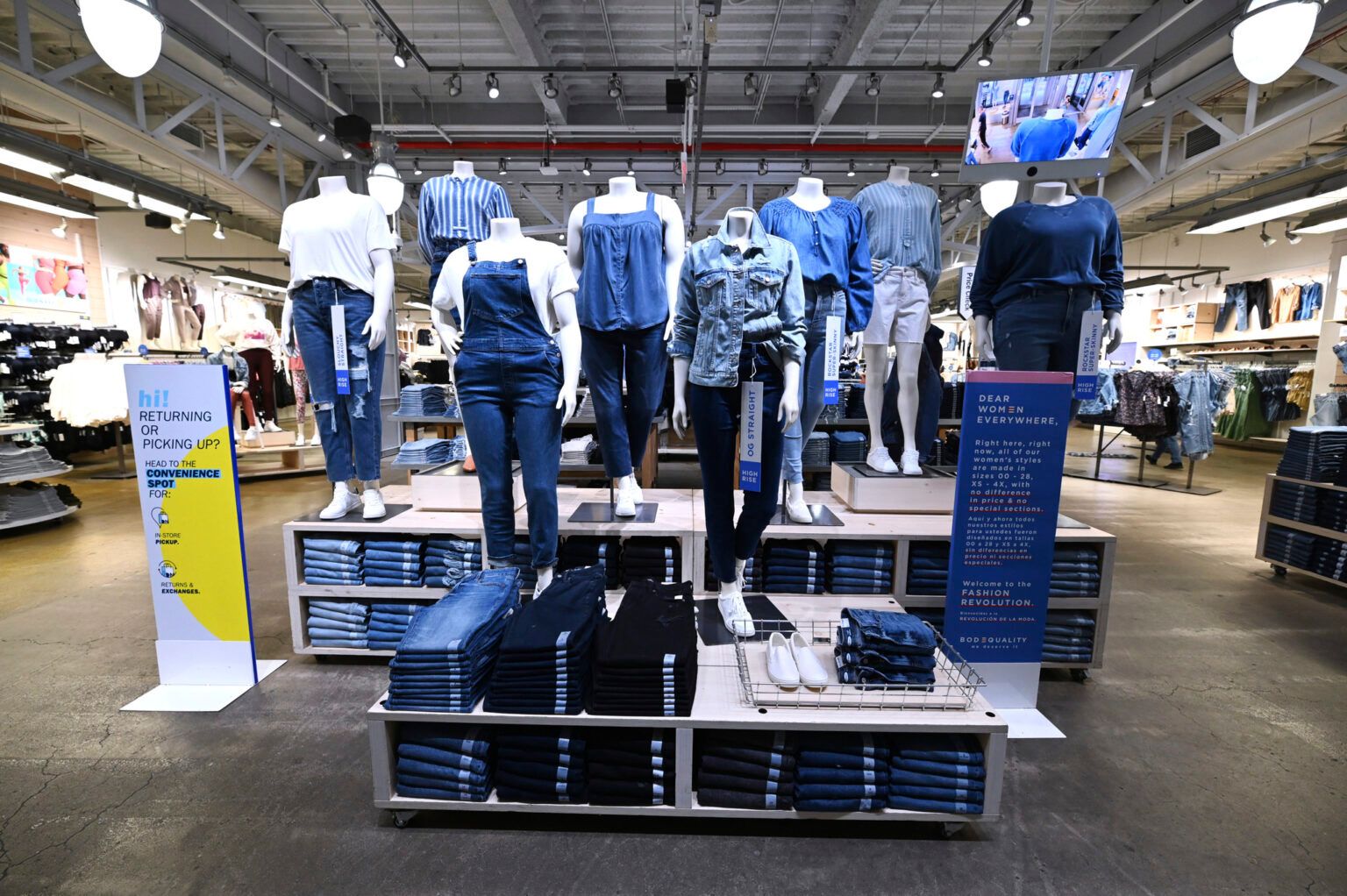
In 2021, Old Navy made a huge deal out of its BODEQUALITY launch, promising sizes 0 through 28 available together, in store and online. No separation. No shame. No back corner racks. It was positioned as a “this changes everything” moment for retail. And honestly? It felt like progress.
Fast forward just a couple of years and… poof.
Old Navy quietly walked it back, removing extended sizes from many stores and limiting availability. No big press tour. No accountability tour. Just a corporate shrug wrapped in “inventory optimization.”
Then there’s White House Black Market.
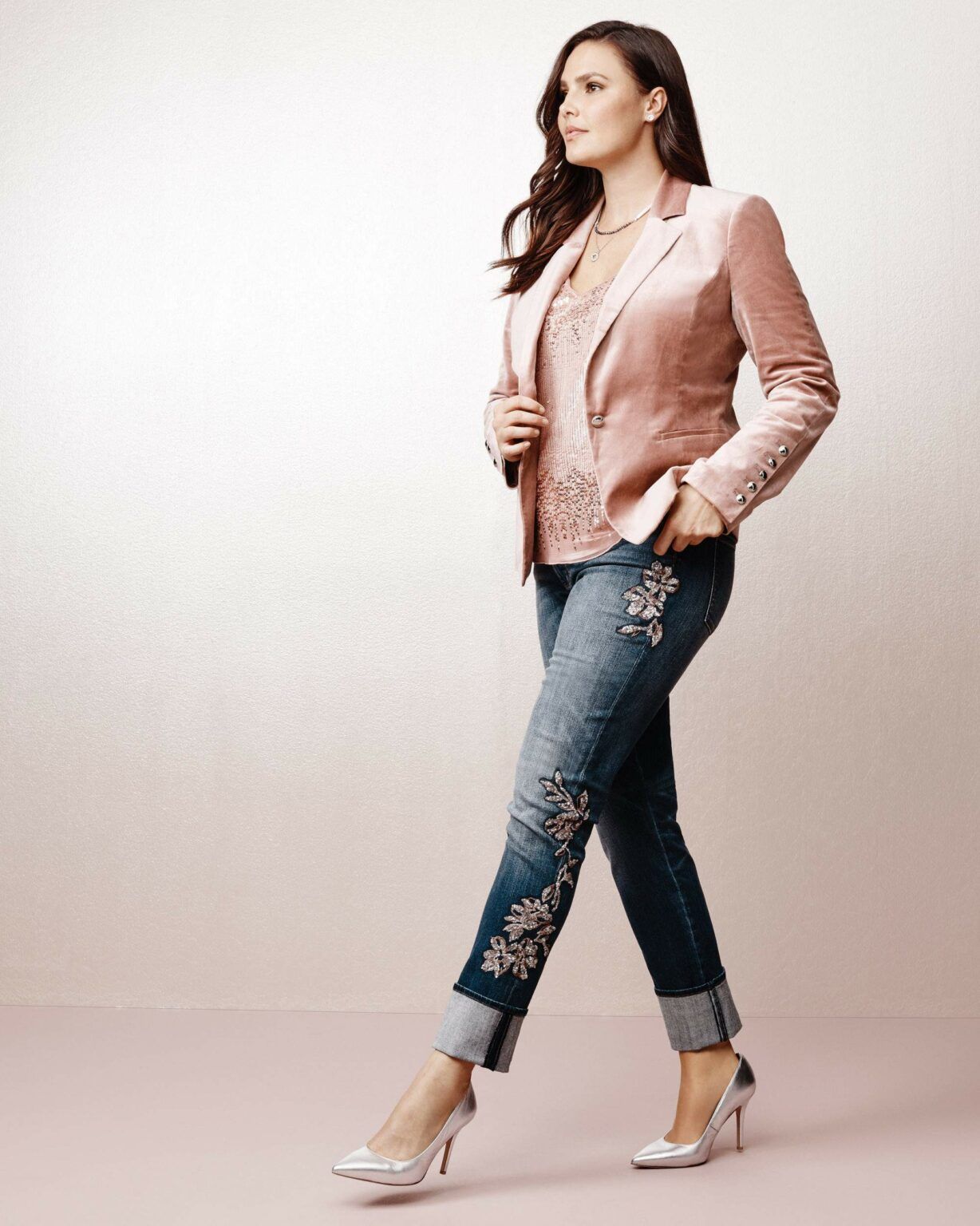
Once upon a time, WHBM publicly expanded into plus sizes. And then those options became harder and harder to find, until most plus size shoppers realized they were effectively pushed back out without a memo. The clothes did not disappear overnight. They just stopped being accessible. Which somehow feels worse.
And department stores were not immune either.
Shoppers have been openly reporting that Nordstrom locations reduced or minimized their in store plus size sections, even as the brand continues to carry plus size clothing online. You can still shop it digitally, sure. But the physical presence? Shrinking.
Here is the part that deserves the side-eye.
Many of these retailers did not fail at plus size because plus size does not sell. They failed because they never invested properly in fit, marketing, inventory strategy, or visibility. Then, when sales did not magically explode, they labeled plus size the problem.
Female founders knew better.

While legacy brands treated plus size as a trend they could test and toss, women led brands treated it as foundational. They stayed. They adjusted. They listened. They refined fit instead of retreating. And they built loyalty instead of excuses.
So, when big retailers pulled back, the consumer did not disappear. She just redirected her dollars to brands that never treated her like a seasonal experiment.
And honestly? Can you blame her?
A Cultural Shift You Can Not Undo And the Question That Comes Next
This is bigger than clothing.
Female founders in plus size fashion did not just create brands. They shifted power. They changed who gets to be seen, who gets to lead, and who gets to profit. They built demand, built trust, and built cultural memory in a space that mainstream fashion tried to treat like an afterthought.
So, the real question now is not whether female founders in plus size fashion matter. They already proved that.
The question is: how do we keep this momentum from being diluted, erased, or co-opted?
Because pushing forward does not happen by accident.
It happens when stylists stop defaulting to the same five brands and intentionally pull from indie plus size designers. When editors and publishers stop treating plus size fashion as a seasonal topic and cover it with the same consistency, critique, and cultural context as straight size fashion.
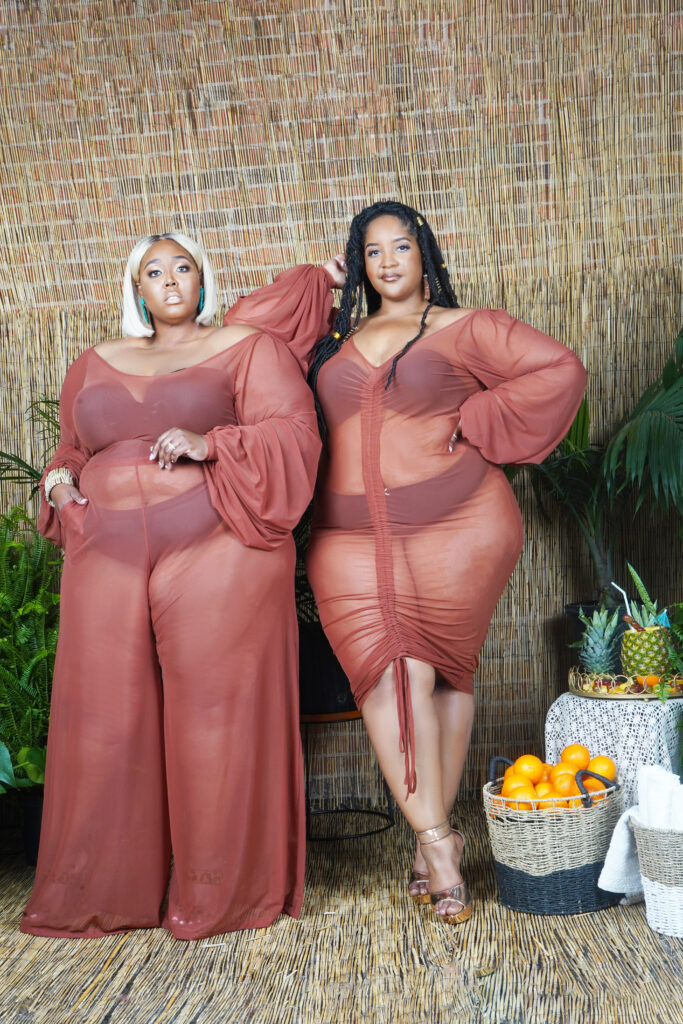
It happens when plus size creators understand their power not just as influencers, but as ecosystem builders. When they collaborate with female founded brands in addition to fast fashion. When they tell the full story, not just the outfit details. When they remind their audiences that where you spend your money is a political act, whether the industry wants to admit it or not.
And it happens when indie designers are supported beyond applause. When we respect pricing that reflects ethical production. When we understand made to order and small batch models are not inconveniences, but intentional choices that protect both bodies and resources. When we stop asking founders to be grateful for crumbs and start asking retailers why they keep pulling the plate away.
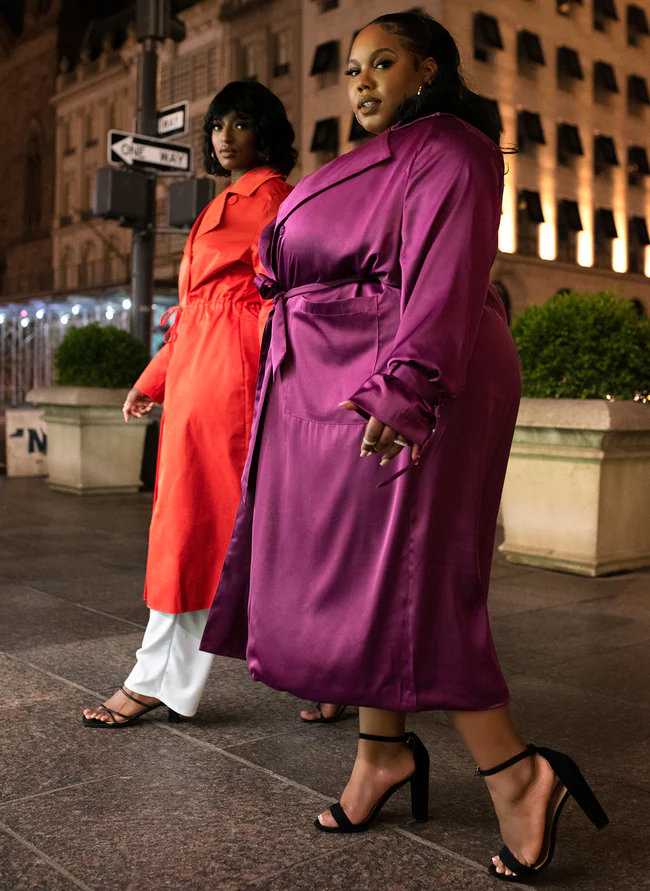
Female founders built this space without permission. They built it while being underfunded, underestimated, and often copied without credit. The least we can do is make sure their work is not treated like a moment.
Because this movement does not need saving. It needs sustaining.
So, the next phase of plus size fashion is not about waiting for the industry to catch up. It is about all of us deciding, every day, who we amplify, who we invest in, and who we refuse to let be erased again.
That is how we push forward. Together.
PS. This list or the mentions are by no means exhaustive. There are so many other plus size brands that are female founded that are killing the game, consistently!
MORE TCF GAMES