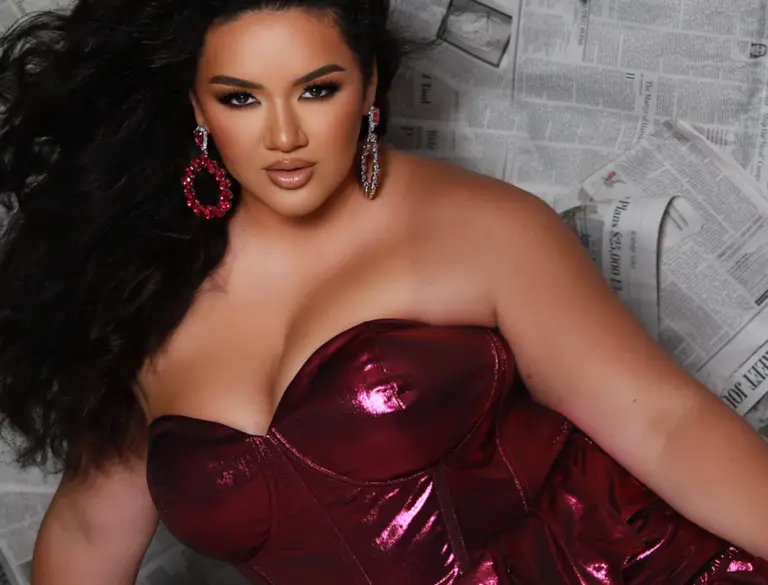

There is a theory circulating well beyond fashion circles that the swing toward low-effort, minimalist dressing is not really about comfort at all. Fashion historian Vincent Quan has pointed to muted, low-maintenance style shifts as an early economic signal, the kind of thing that shows up in closets before it shows up in a headline about the job market.
A whole genre has been made out of this, tagging blazers, quiet-luxury basics, and pared-back palettes as so-called recession indicators. The theory is that when people pull back on spending, they also pull back on the visual effort of getting dressed. Whether or not you buy the economics, the instinct tracks.
Low effort does not mean low-impact. It means the thinking happens once, in July heat, before 8 am ever asks you to make a decision you are too tired to make well. Here is how to build a summer wardrobe that runs on autopilot and still looks intentional.
Build a Capsule That Does the Work
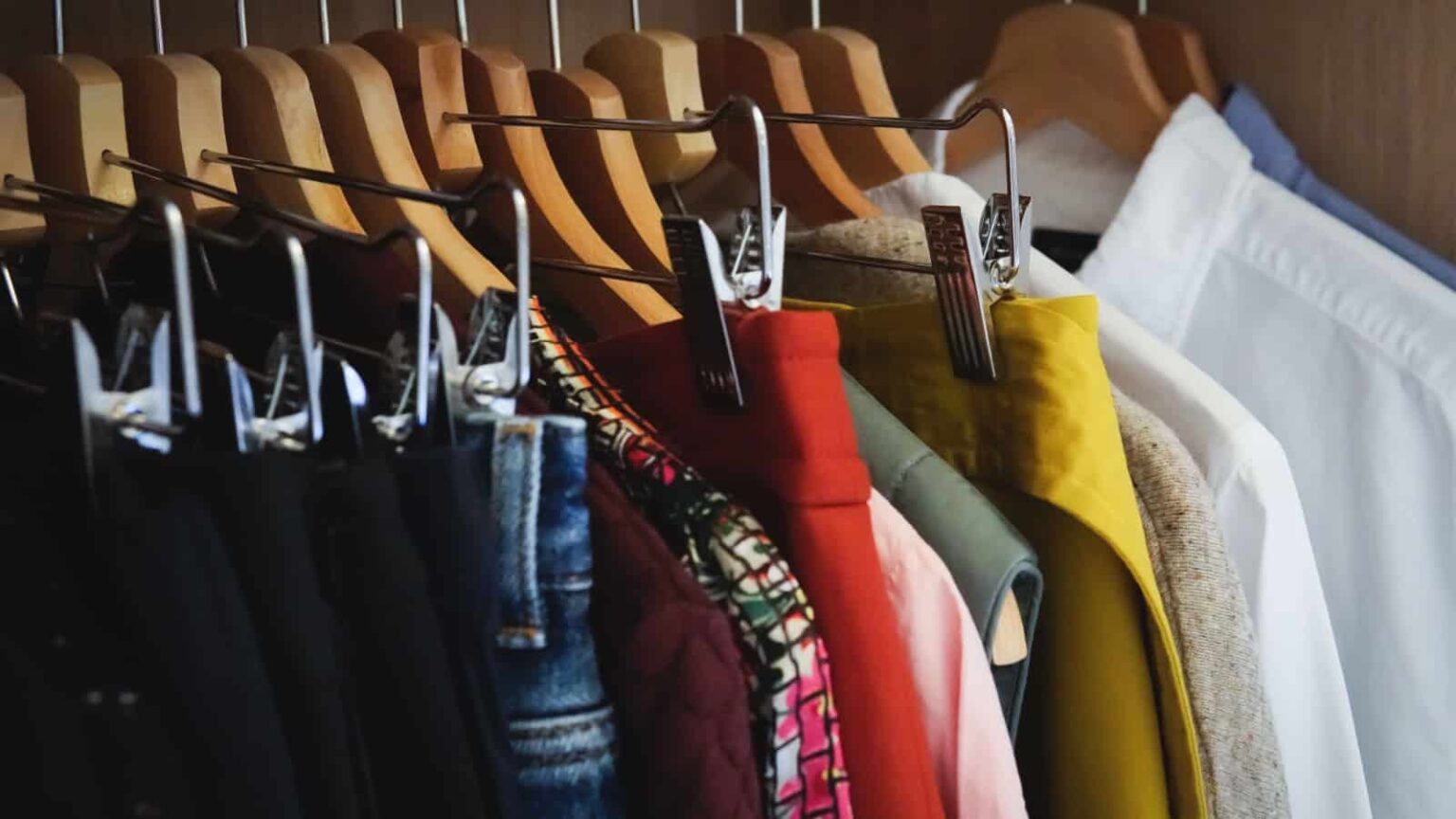
A capsule is not a restriction; it is math working in your favor. Editors at Editorialist built their 2026 summer capsule around thirteen anchor pieces, three tops, three bottoms, two dresses, two skirts, a sweater, a blazer, and a swimsuit, and pointed out that combination alone generates roughly thirty distinct outfits from that small set.
Start with a white button-down, one pair of wide-leg trousers, a slip dress, a denim short, and a tank, then let every new purchase earn its place by pairing it with at least four things you already own. The goal is not owning less for its own sake.
The goal is to remove the morning math so that getting dressed becomes a reflex rather than a negotiation.
Stick to a Simple Color Palette
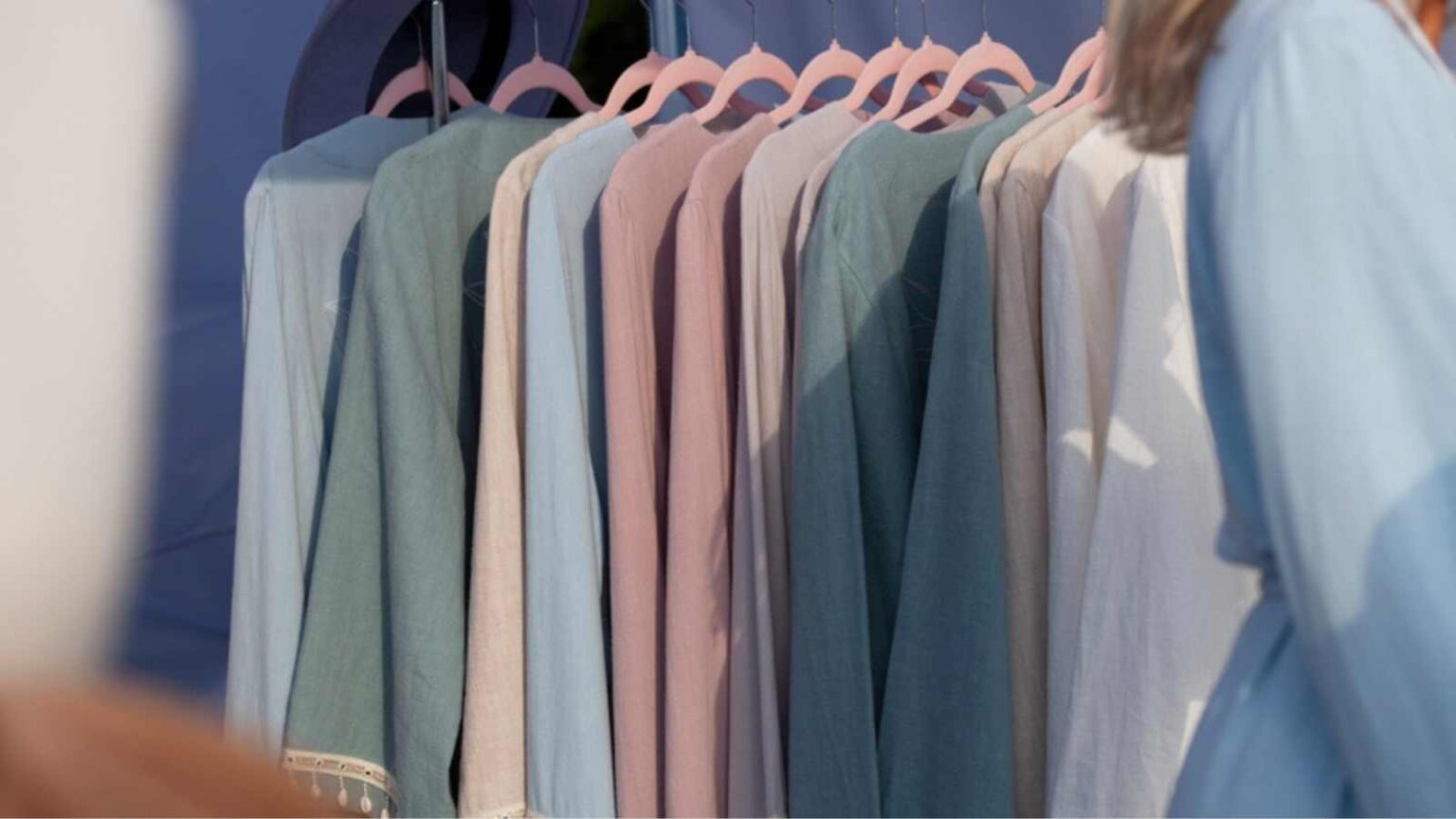
Color discipline is the quiet engine behind a wardrobe that always seems to match. Lean toward warm neutrals, cream, ivory, beige, and stone, with black and navy for grounding and an accent tone like butter yellow or sage green layered in for personality.
The logic holds regardless of your palette. Pick three neutrals and two accents, then refuse anything that cannot speak to at least two other pieces already hanging in the closet.
A tight palette lets you grab two random items at 6 am and trust they belong together, no swatch matching and no second-guessing under fluorescent bathroom light.
Keep the five colors written down if you shop often, since the rule only applies before checkout.
Let One-Piece Outfits Do the Heavy Lifting

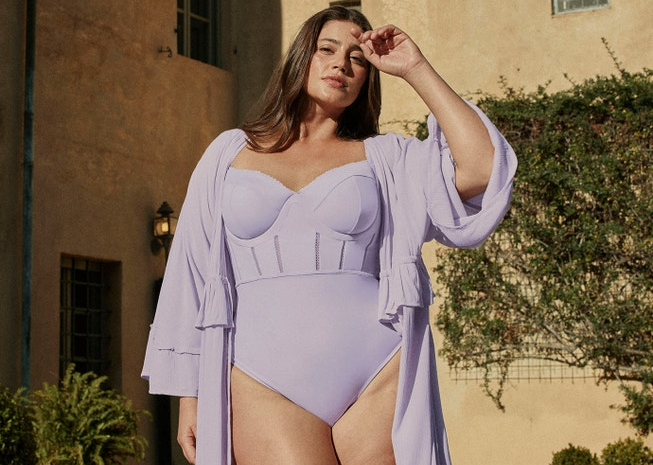
Rompers and jumpsuits solve dressing the way a good password manager solves logins: one decision unlocks everything else. The one-piece is a genuinely time-saving category, because it eliminates the back-and-forth of matching a top to a bottom while reading as fashion-forward, and, unlike a swimsuit, it holds up across seasons rather than vanishing after August.
Look for a jumpsuit with a defined waist and adjustable straps so the fit does the flattering work rather than the fabric doing it alone. Add sandals, a bag, and nothing else. The entire decision tree collapses into one hanger, which is precisely the point. A wide-leg jumpsuit in fluid fabric does more forgiving work through the midsection than a fitted romper, so size up rather than sizing to the waistband alone.
Choose Fabrics That Beat the Heat
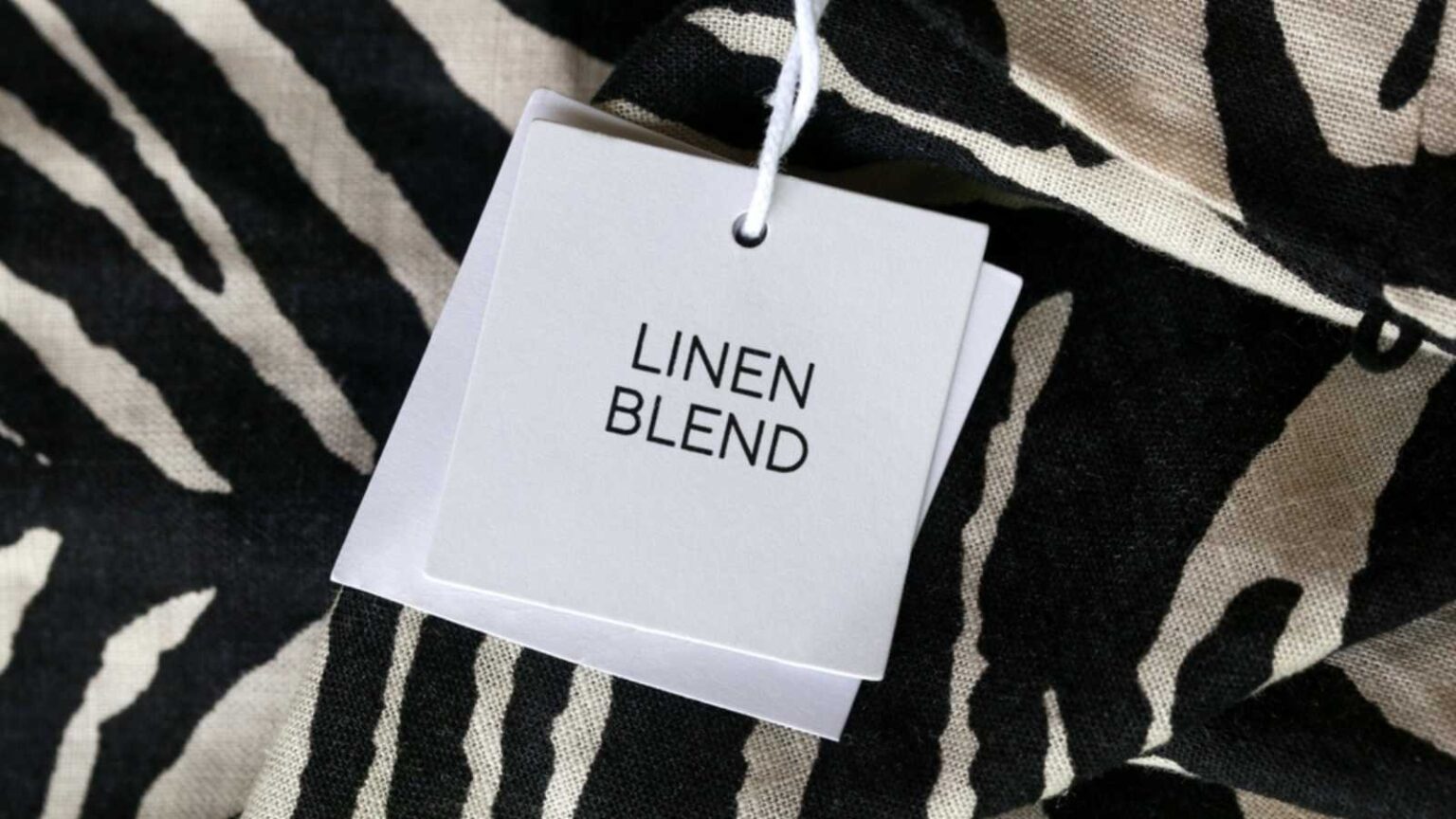
Georgia Tech textile researcher Sundaresan Jayaraman studied why some fabrics feel unbearable by 10 a.m., and others hold up until dinner, and found linen’s moisture vapor transport rate significantly outpaces both cotton and polyester because its rigid fiber structure keeps the weave from clinging to skin.
Cotton absorbs sweat effectively but holds onto it longer, which is why a cotton tee feels damp by noon while linen dries against the body. This is not an argument against cotton entirely; it is an argument for reading your closet by climate math instead of habit.
Reach for linen or a linen blend on days above 85 degrees, save cotton jersey for air-conditioned indoor stretches, and let the forecast pick the fiber before you pick the outfit.
Plan Outfits Before the Week Begins

/Shutterstock
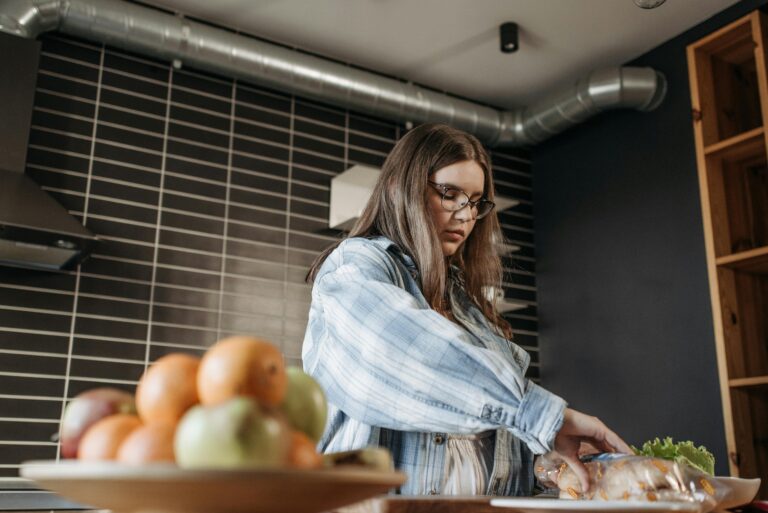
Getting dressed drains more mental fuel than most people admit.
A 2024 Stitch Fix client report found that over half of respondents felt mentally overwhelmed or stressed deciding what to wear. That exhaustion comes back to how shopping habits, not closet size or shape, shape the feeling of having nothing to wear.
Pre-deciding five outfits on a Sunday, photographing them, and simply rotating the images through the week removes the daily negotiation entirely. This is not about wearing the same thing every day like a tech founder chasing a productivity myth.
It is about making the decision once, rather than seven times, and then letting Monday’s brain rest.
Prioritize Fit Over Styling Tricks
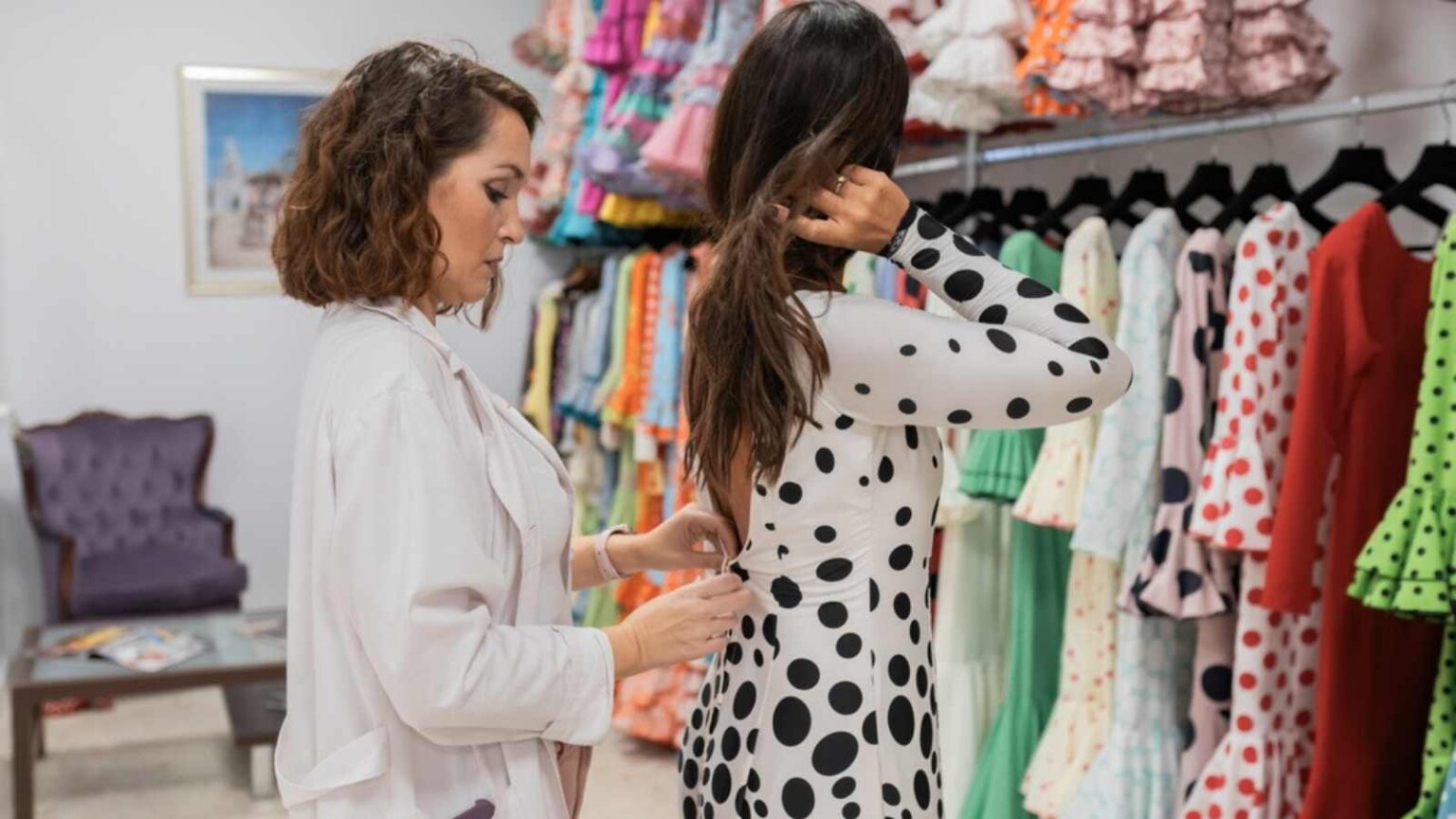
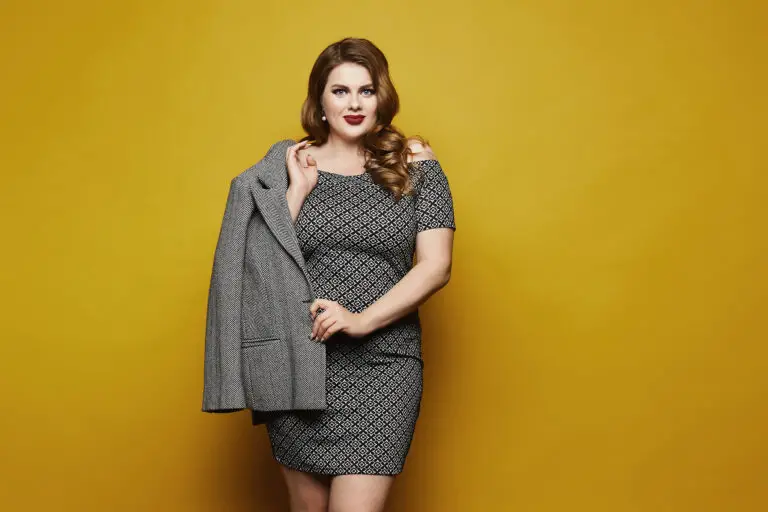
Fit is the actual engineering problem in plus-size dressing, and the market has started treating it that way. Mordor Intelligence’s 2026 analysis shows the women’s plus-size apparel segment expanding as brands move beyond simply scaling up straight-size patterns toward garments built with different rise, dart placement, and sleeve architecture from the pattern stage.
A dress designed around a curvier proportion drapes differently through the waist than a scaled-up straight-size block, which is the difference between fabric that skims and fabric that fights you all day. Shop construction details, not just size charts. A well-placed seam does more low-effort flattering work than any styling trick layered on top of a badly cut garment.
Use Accessories to Refresh Basics

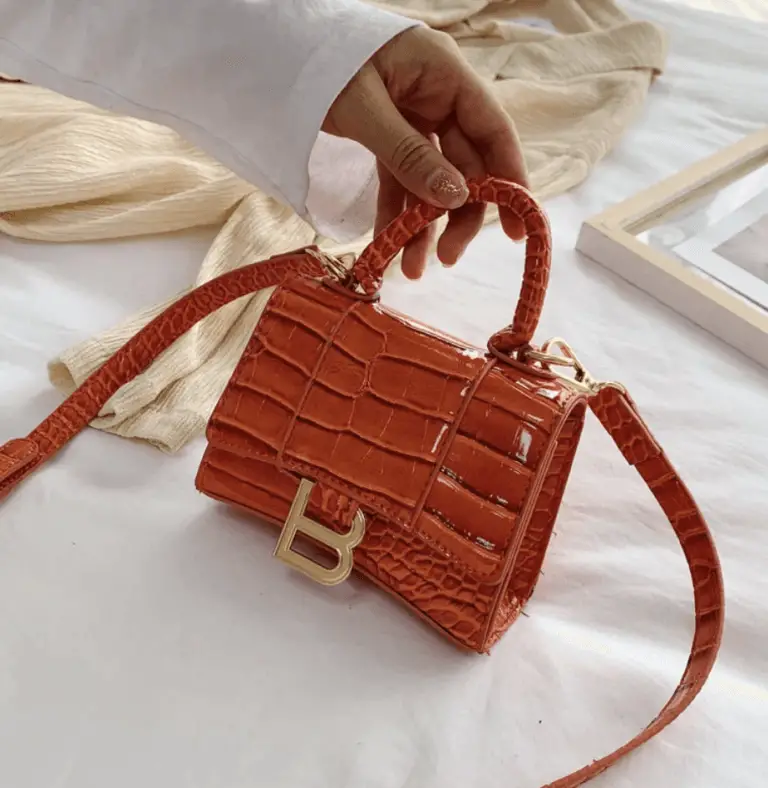
When the clothing stays simple, accessories become the entire creative decision, and that is a feature, not a shortcut. Raffia and woven textures are the accent doing the heaviest lifting this season, with a citrus-toned raffia bag able to lift an otherwise neutral outfit without touching the clothes at all.
One statement bag, one pair of gold hoops, and a pair of sunglasses can turn the same linen shirt and trousers into five different moods across five different days.
Buy fewer clothes and more texture instead. Raffia, woven leather, and mixed metals photograph as intentional, even when the actual outfit underneath took 90 seconds to assemble.
Wear Sandals You Can Walk In

Birkenstock-style molded slides are still anchoring the category for Spring/Summer 2026 beach and resort footwear, with brands layering in playful trims and buckles rather than abandoning the comfort-first silhouette entirely.
A slide sandal with a contoured, cushioned footbed can move from a grocery run to a dinner reservation without a second shoe change, which single-handedly removes one more decision from the day.
Keep one neutral leather slide and one slightly dressier version, perhaps with a woven or metallic finish, and skip anything that requires a break-in period. Comfort that photographs well beats a beautiful sandal you quietly dread putting on.
Pack Smarter With a Travel Capsule
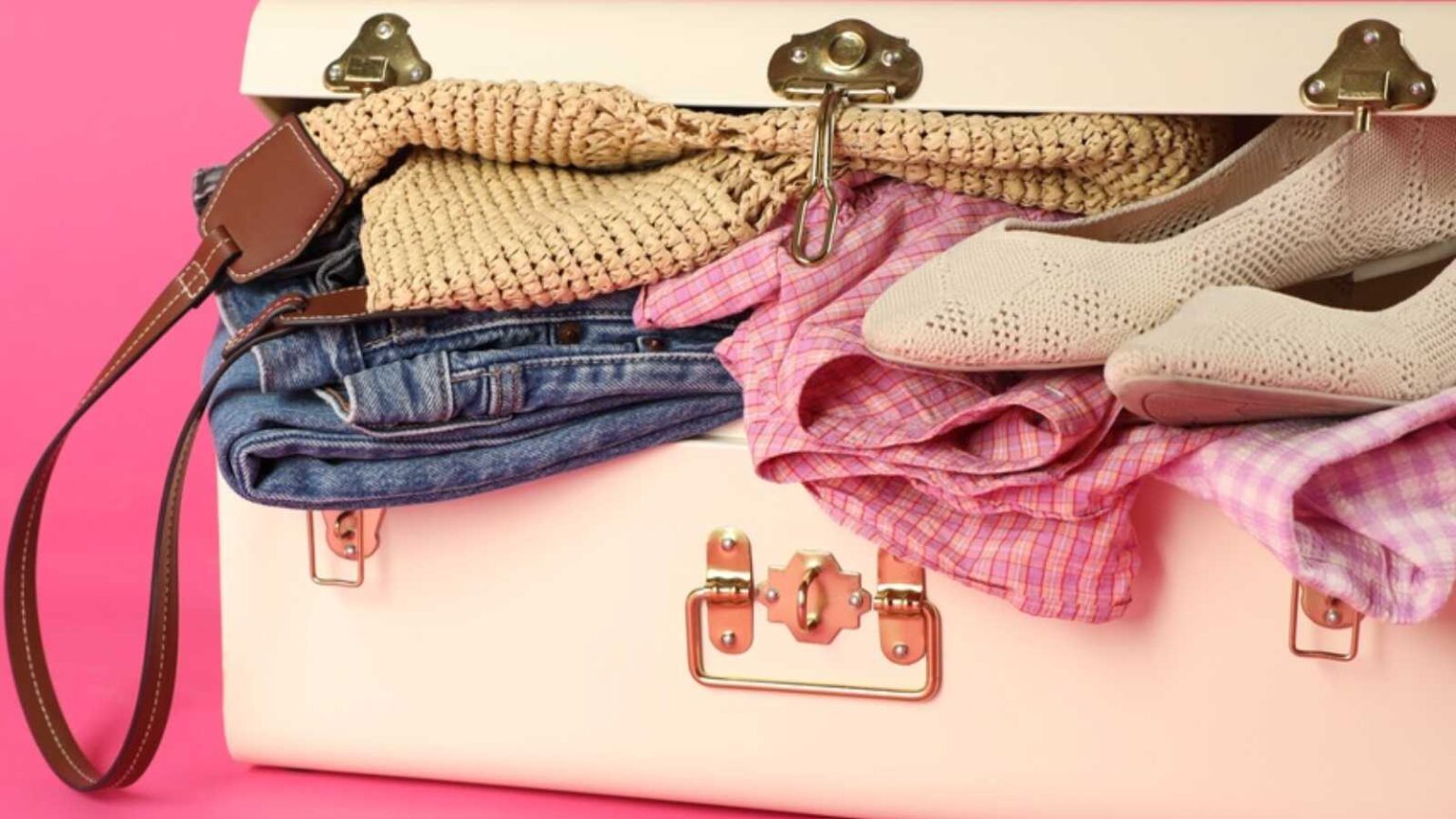
A packing list built like a capsule wardrobe is really just your everyday system compressed for a suitcase. The tunic is an underrated workhorse, modest, streamlined and layerable over trousers or jeans for a breezy dress-length look that also functions as a cover-up, meaning one garment quietly does the job of two.
Pack pieces that cross categories this way: a slip dress that layers under a blazer for dinner, and sandals that work either barefoot on sand or buckled for a city walk. Every item earning at least two jobs is what keeps a carry-on from becoming a second suitcase.
Lay everything on the bed before it goes in the bag, and cut anything that cannot handle two scenarios in the summer travel itinerary.
Choose Prints That Hide Summer Wrinkles

Pattern and color are not just decoration; they are functional tools for a season full of long car rides and sweaty commutes. People form subconscious judgments about a color palette within roughly 90 seconds of seeing it, which means a busy floral or a tonal stripe reads as intentional before anyone clocks the actual wrinkle underneath.
Small-scale prints and mid-tone colors hide travel creases and heat flush far better than stark white or pale pastel, which show every crease and sweat mark by early afternoon. Save the crisp, solid white for air-conditioned indoor events and let print carry you through anything outdoors.
Keep Your Beauty Routine Minimal

Low-effort dressing collapses the moment the beauty routine underneath still takes forty-five minutes. Move toward lighter eau de toilette concentrations for summer, specifically because heat accelerates the evaporation of fragrance molecules from skin, meaning a heavier eau de parfum can turn overwhelming by noon in a way it never would in December.
Pair that logic with a tinted SPF instead of separate sunscreen and foundation, and a cream blush that doubles as a lip and cheek color. The wardrobe and the routine should share the same philosophy: fewer steps, each doing more than one job, rather than more products stacked to compensate for a complicated closet.
Maintain the System, Not Just the Wardrobe
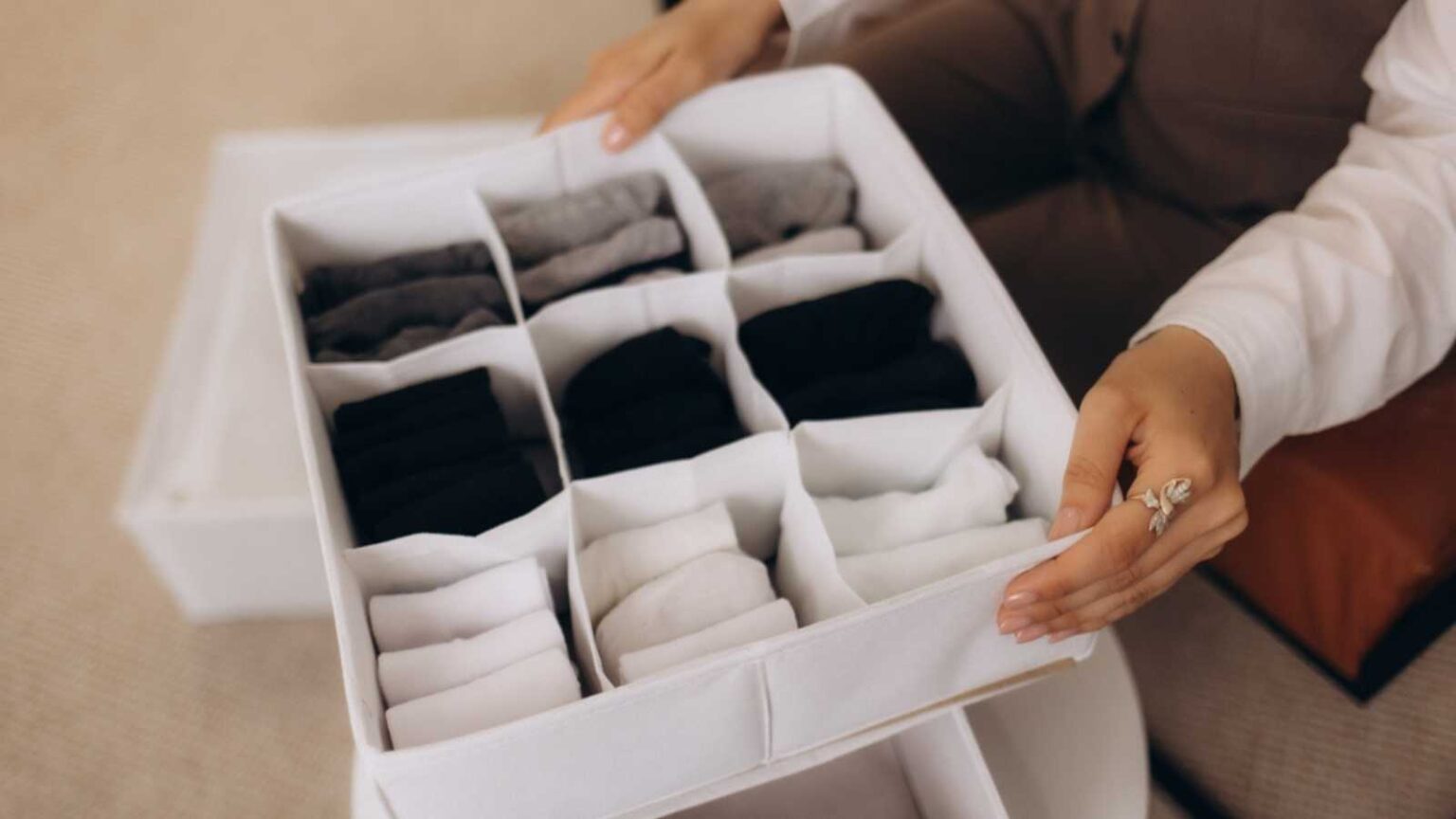
None of the previous eleven habits survives without one final discipline, protecting the system once it exists. A capsule falls apart the moment one impulse purchase doesn’t match the palette, and a five-outfit rotation collapses in the first week when nobody bothers photographing the choices.
Treat the wardrobe less like a finished project and more like a maintained one, checking every new piece against the palette and proportion rules before it even enters the closet. The effort was never gone; it simply moved earlier, into one Sunday afternoon of decisions instead of scattered across every morning that follows.
Revisit the palette once a season and retire pieces that no longer earn their four-outfit minimum.
Key Takeaways
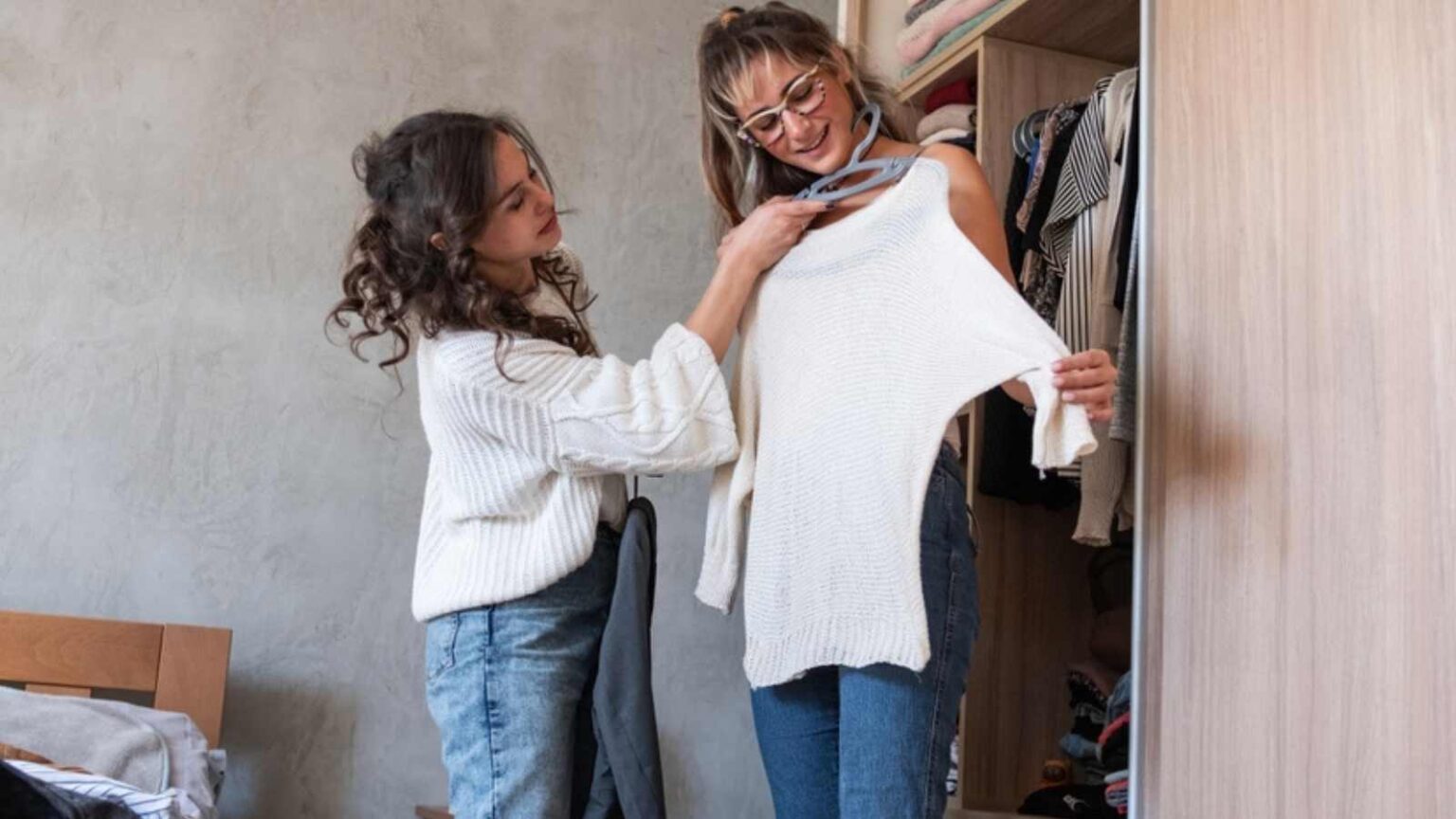
- Build a five-to thirteen-piece core that mixes into dozens of outfits instead of buying one-off pieces.
- Lock a palette of three neutrals and two accents before you shop so new buys are pre-approved.
- Let a jumpsuit or romper act as a full outfit in one hanger.
- Pack only pieces that answer two or more scenarios on the trip.
- Use small-scale prints and mid-tones to hide creases and heat flush that stark white shows.
- Simplify the beauty routine alongside the wardrobe: fewer multi-use products, more single-use ones.
- Protect the system by checking every new purchase against the palette and proportion rules before it enters the closet.
Disclaimer: This list is solely the author’s opinion based on research and publicly available information. It is not intended to be professional advice.
Like our content? Be sure to follow us
MORE TCF GAMES