For most of history, beauty standards fell almost entirely on women, a tax paid for love, marriage, and social survival in eras when a woman’s options outside those things were slim to none. The pressure hasn’t disappeared so much as changed shape and, increasingly, changed gender.
Looksmaxxing, the 21st-century ritual, is turning young Western men into the newest recruits in an old arms race. Researchers at Michigan Medicine note the trend is aimed almost exclusively at boys and young men in a way that pro-eating-disorder culture once targeted young women.
Some are drifting into techniques flagged by a 2025 review in Facial Plastic Surgery & Aesthetic Medicine as bordering on body dysmorphic disorder. History suggests where that kind of obsession tends to lead.
Here are twelve beauty trends, most of them borne by women, that show exactly how far people will go and exactly what it costs them.
Elizabeth I’s Deadly White Lead Makeup
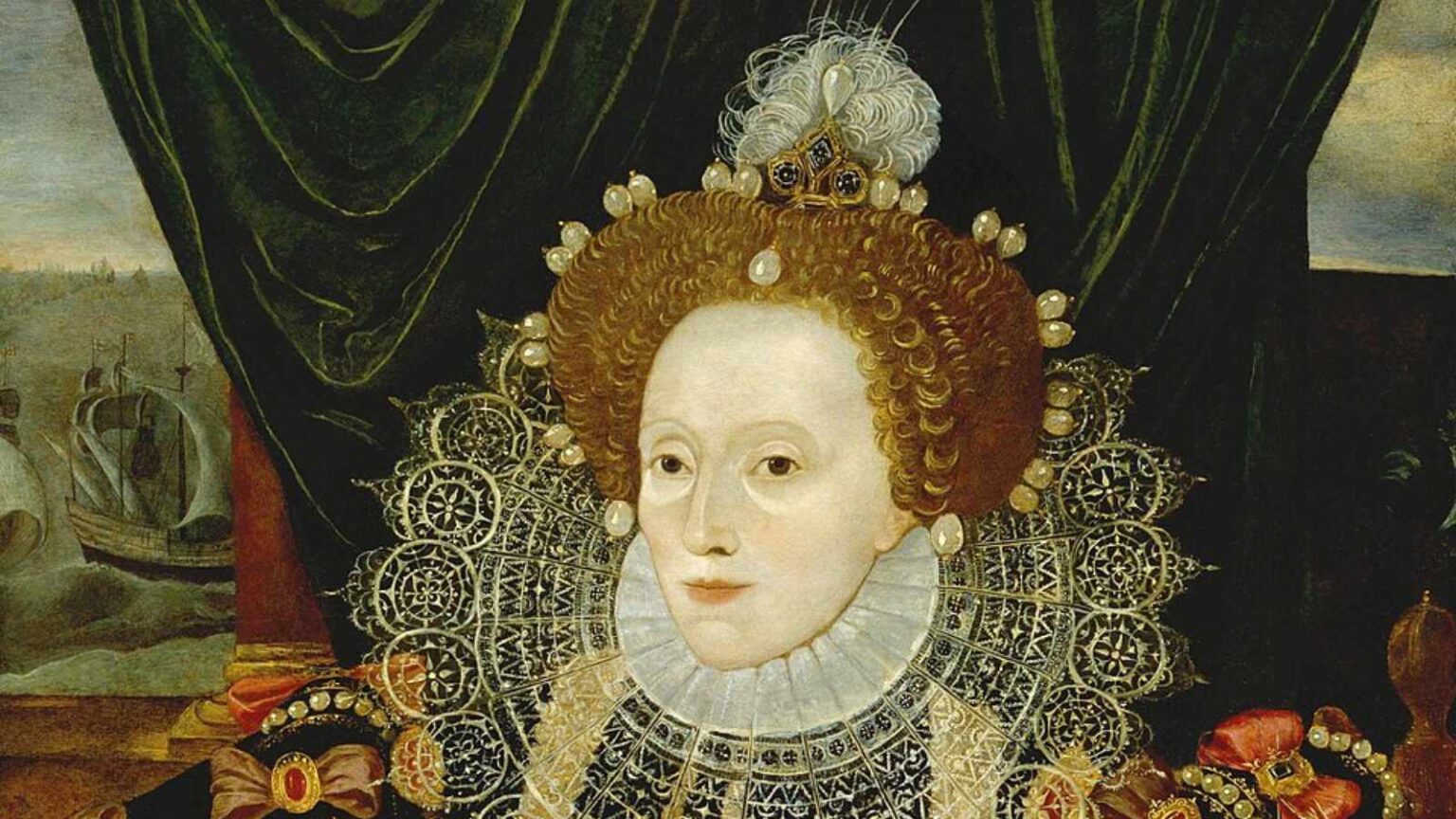
Queen Elizabeth I built her entire image around Venetian ceruse, a paste of white lead and vinegar that Elizabethan nobility called the spirits of Saturn. Fashion historian Lisa Eldridge says that archaeologists have traced white lead residue in the graves of upper-class women dating back centuries, proof that the look outlasted the wearers.
Elizabeth reportedly wore the paste in layers nearly an inch thick, refreshed daily and left on for a week at a stretch, giving the lead ample time to seep through her skin. Contemporary accounts link her documented hair loss and skin deterioration to the ritual, and historians studying her final illness cite chronic lead exposure as a likely contributor to her decline.
The irony sits in the name she gave her painted face: the mask of youth, worn in pursuit of permanence, may have hastened the opposite.
Renaissance Women Poisoned Their Own Eyes to Look Prettier
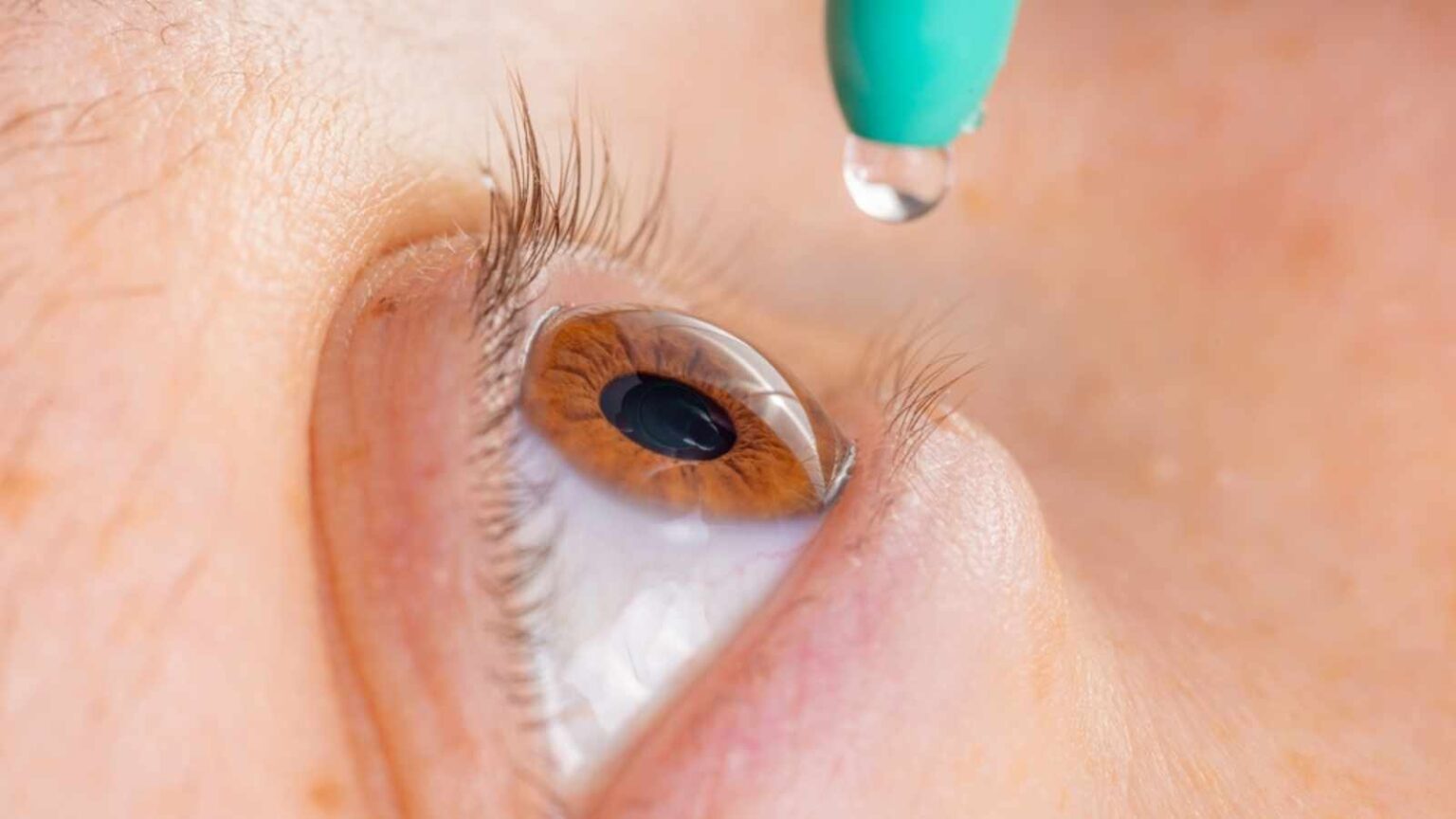
Wide, glassy pupils read as seductive in Renaissance Italy, so women turned to Atropa belladonna, a plant so associated with the trend that its species name translates to beautiful woman. A few drops of the berry juice into each eye triggered dramatic pupil dilation lasting for days at a time, a look immortalized in paintings such as Titian’s Woman with a Mirror.
The active alkaloid, atropine, interferes with the nervous system’s control over the iris, and repeated use brought blurred vision, extreme light sensitivity, and, with enough exposure, permanent damage to sight.
Modern ophthalmology still relies on refined atropine to dilate pupils for eye exams, which means a version of this Renaissance beauty ritual survives in every optometrist’s office today, minus the risk of going blind for the sake of a portrait.
Victorian Druggists Used Arsenic Wafers For Perfect Skin
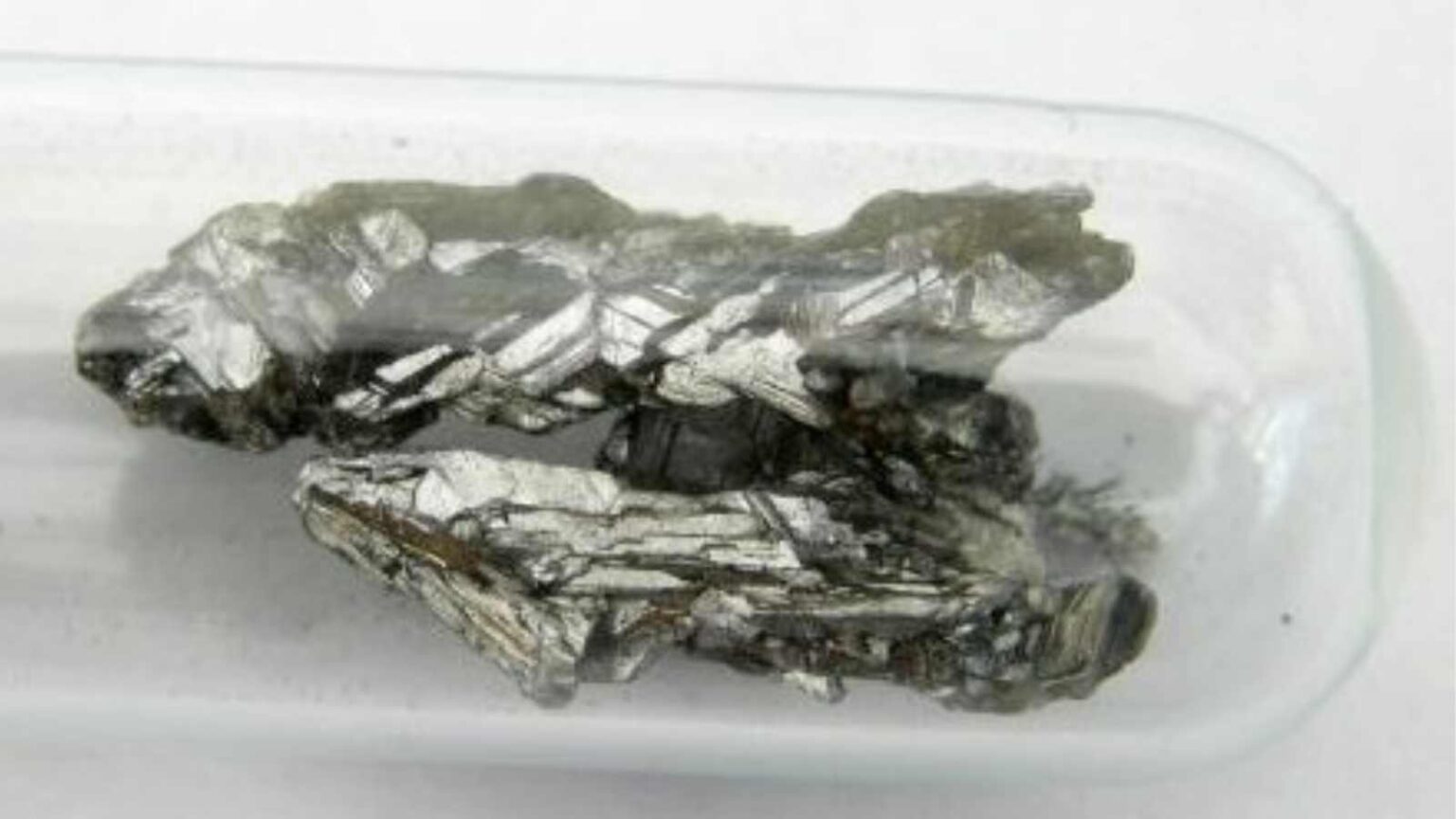
By the 1890s, arsenic had shed its reputation as a poison of choice for murderesses and rebranded itself as a skincare staple, sold openly through catalogs including Sears and Roebuck.
Dr James P Campbell marketed his Safe Arsenic Complexion Wafers with a guarantee they were absolutely safe and harmless to anybody, a claim that historian and Quack Doctor researcher writing on the era notes was aimed squarely at readers of ladies’ fashion magazines chasing the fatal thirty deadline for lost youth.
The wafers worked in a grim sense: arsenic kills red blood cells, producing exactly the pale complexion Victorian beauty standards prized. It also caused kidney failure, nerve damage, hair loss, and arsenical keratosis, skin growths that eventually betrayed the very poisoning women were trying to hide.
Consumption Became the Look Women Faked With Chalk and Starvation
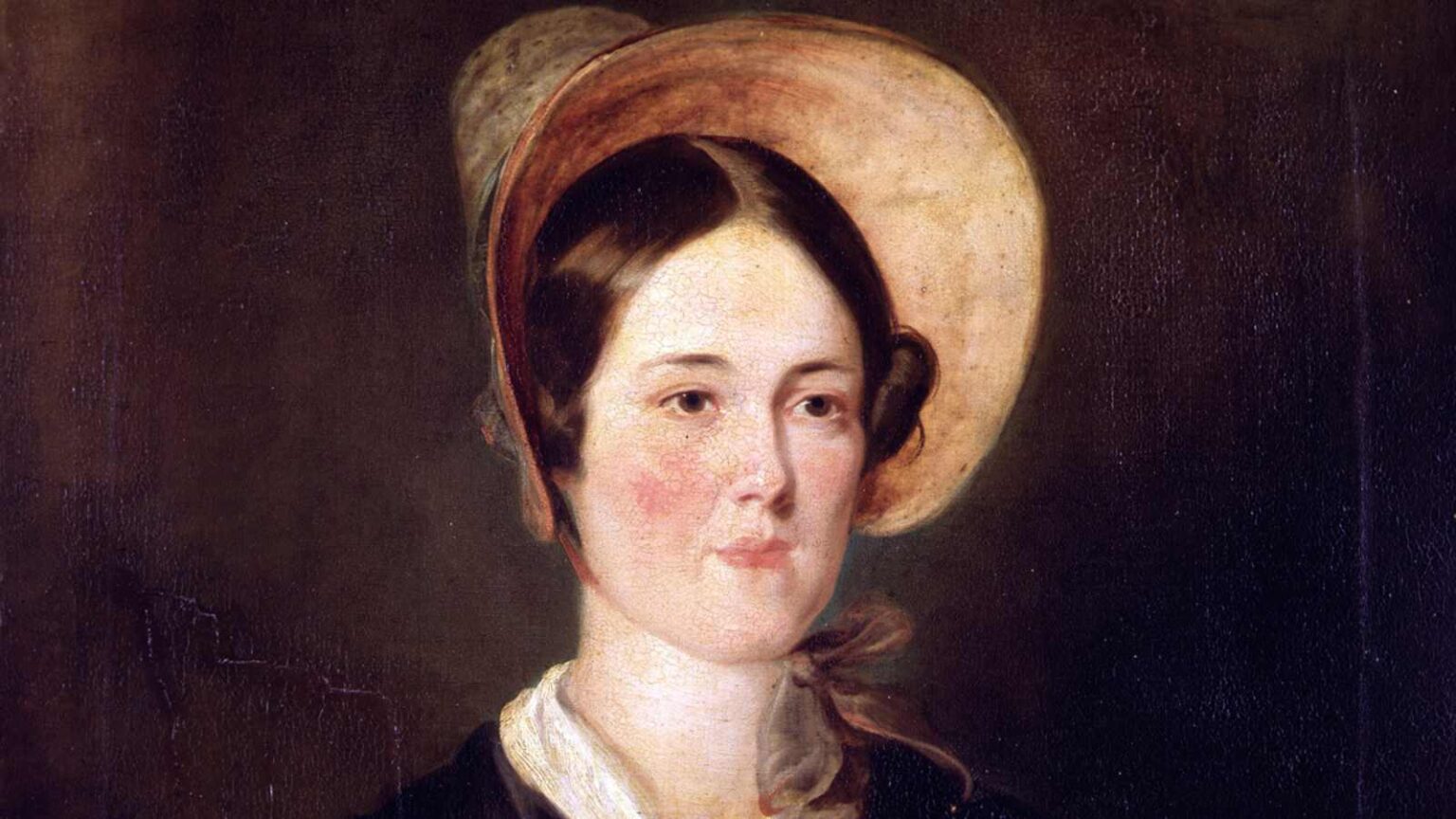
Tuberculosis killed with brutal efficiency across nineteenth-century Europe and America, yet its symptoms somehow became aspirational among wealthy women.
Watery eyes were considered attractive specifically because, paired with pale skin, they signaled the same look as a consumption sufferer. Women cultivated the effect deliberately, tight-lacing their corsets, whitening their faces, and dropping belladonna or citrus juice into their eyes to fake the glassy stare of illness.
The style even had a name among historians studying the period: the consumptive look, chased by women who never had the disease. This trend was also occasionally sought out by women who did, believing a shortened life was a fair trade for looking the part while it lasted.
Corsets Reshaped Victorian Ribcages
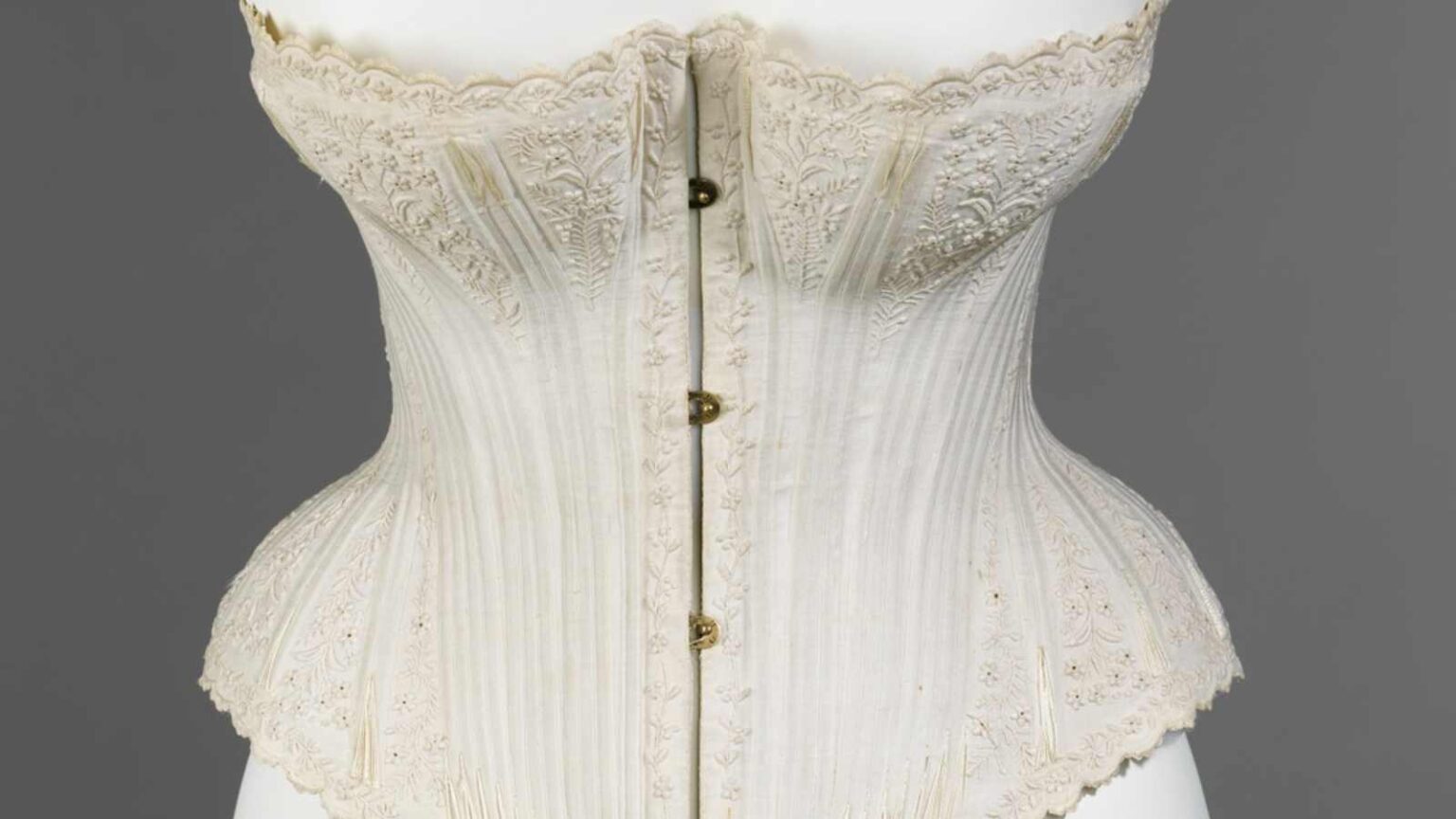
Waistlines cinched down toward 17 to 19 inches during the height of Victorian tight lacing, a practice that drew public medical alarm as early as 1793, when physician Samuel Thomas von Soemmerring published a treatise arguing the garment constituted a genuine health hazard.
Long-term wearers experienced restricted breathing, fainting spells, digestive trouble and, per bioarchaeological studies of preserved skeletons, measurable flattening and inward displacement of the lower ribs. That said, corset historians researching the myth versus the record have pushed back on the wilder claims.
No credible evidence supports the popular story of rib removal surgery, and one morphological study found affected women often outlived their unlaced peers, suggesting the garment reshaped bodies without necessarily shortening lives.
Romans Used Lead and Crocodile Dung to Whiten
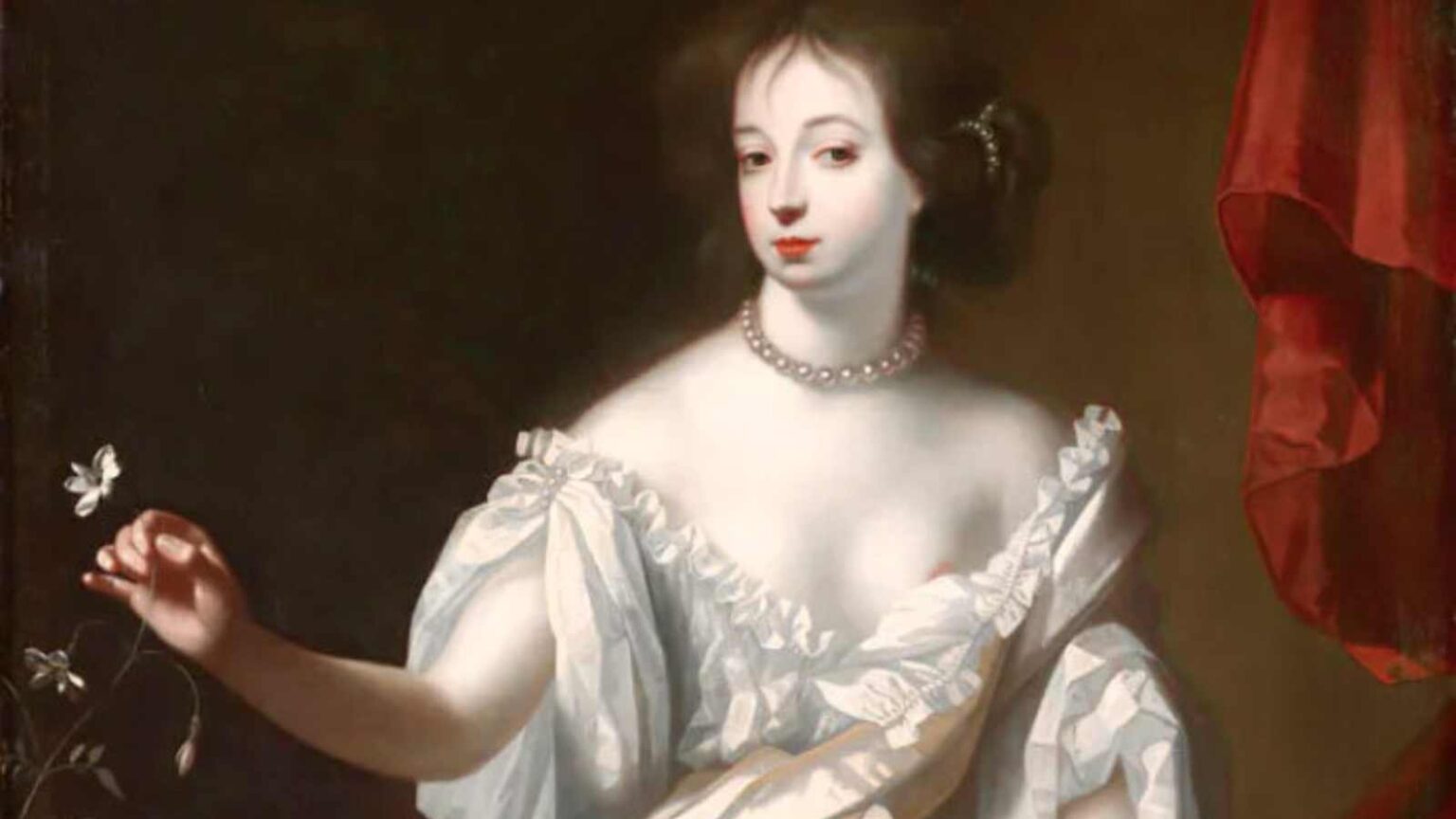
Pale skin signaled a life spent indoors among Roman elites, and achieving it meant dusting the face with chalk, white marl or lead-based cerussa, a formula the ancient historian Pliny recorded alongside a stranger ingredient: crocodilea, or crocodile dung, mixed into rouges and whitening pastes.
The practice appears mostly in writing by male authors keen to mock women’s vanity, so its true prevalence remains debated among historians. What is not in dispute is the toxicity of the era’s white lead creams, which slowly poisoned users the longer they were worn.
A 2nd-century canister recovered from Roman London and analyzed by modern scientists turned out to contain a safer alternative, a tin oxide lotion, evidence that some Roman women knew enough to avoid the worst of it.
Chinese Foot Binding Became a Beauty Standard
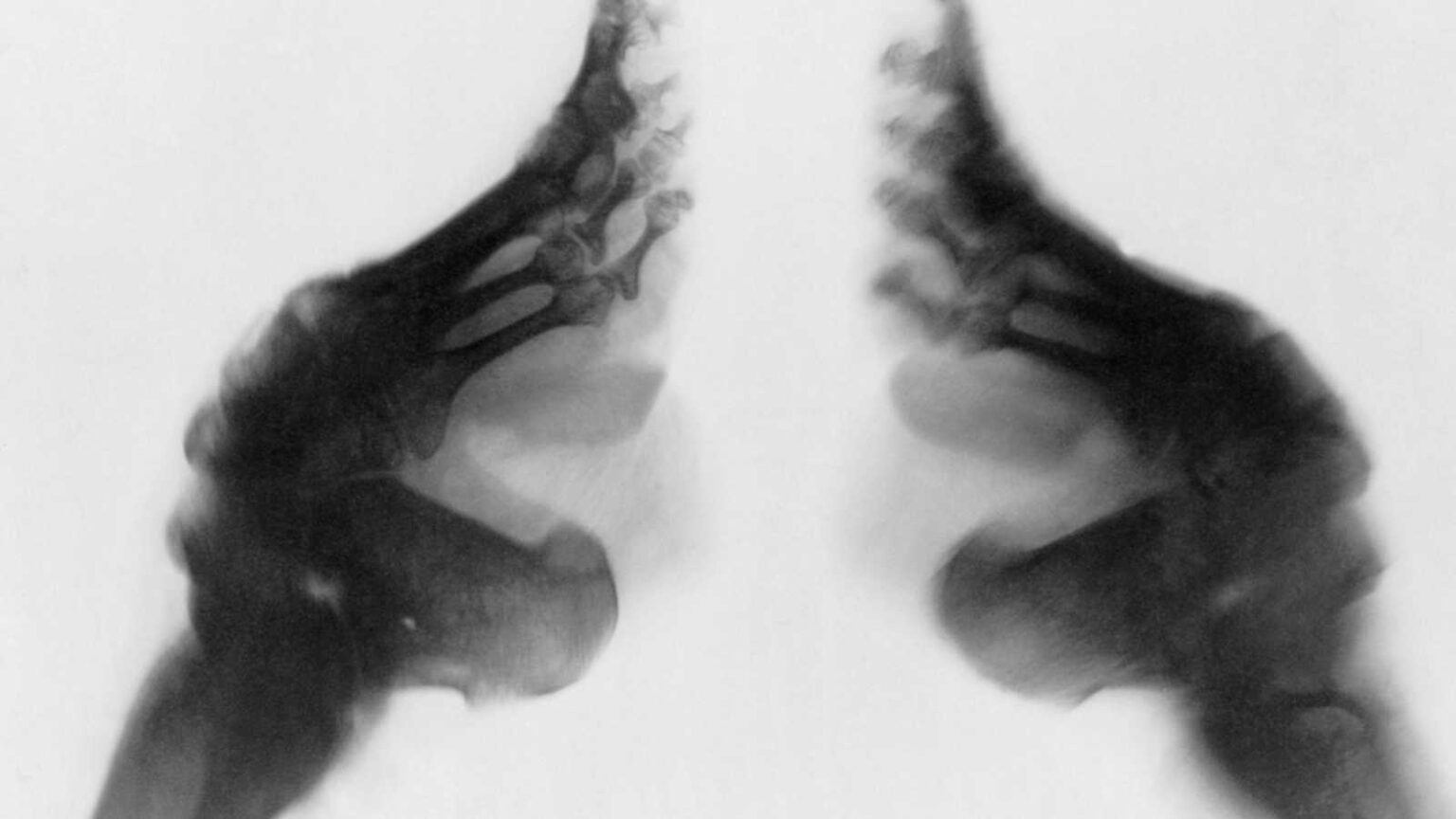
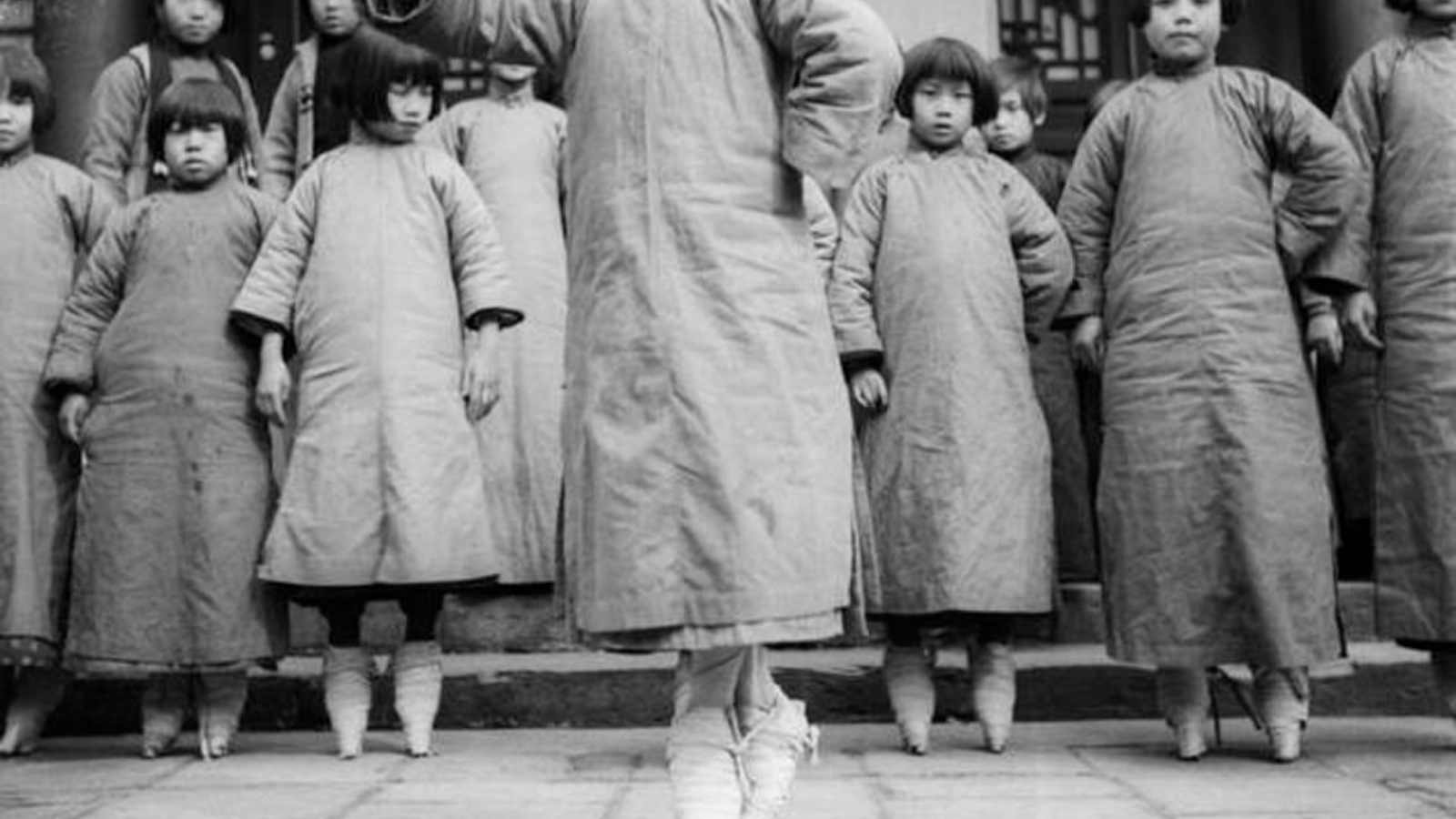
Foot binding began, according to the twelfth-century text Mo Zhuang Man Lu, at the court of the last Southern Tang emperor, who had his favorite dancer bind her feet into the shape of a crescent moon to perform on a golden lotus platform.
The look spread from court dancers to the Chinese elite during the Song dynasty and was applied to girls as young as three, with toes folded under and bound tight enough to reshape the bones toward an idealized three-inch length.
The process could cause paralysis, gangrene, or ulceration. Historians estimate that by the nineteenth century, as much as 40% of Chinese women had bound feet, a figure that climbed toward universality among the upper class, where a smaller foot genuinely raised a bride’s marriage prospects.
Radium Was Once a Beauty Ingredient in French Beauty
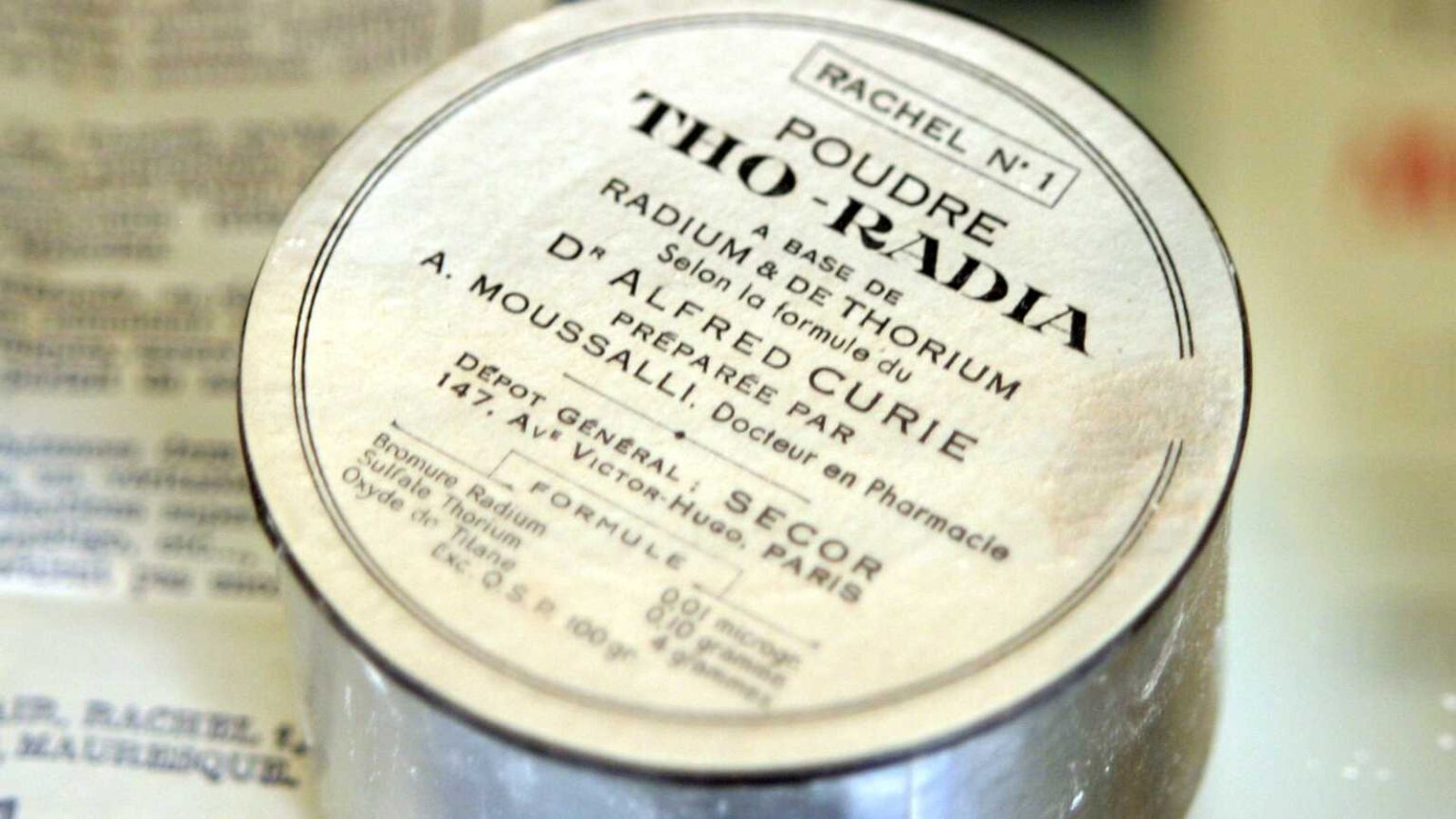
Marie and Pierre Curie’s discovery of radium sparked a decade-long fad for radioactive beauty. No brand rode it harder than Tho-Radia, launched in Paris in 1932 and fronted by a doctor named Alfred Curie, who bore no relation to the actual Curies.
The company’s own certified lab analysis found each 100 grams of cream contained a measurable dose of radium bromide, and its advertising, designed by publicist Tony Burnand, showed a glowing blonde lit from below to suggest radioactive luminosity was itself a beauty benefit.
France did not classify radium and thorium as poisons requiring prescription until late 1937, years after occupational medicine had already linked radioactive exposure to disease. Tho-Radia quietly reformulated its products and kept the name alive commercially into the 1960s.
X-Rays Were Used for Hair Removal
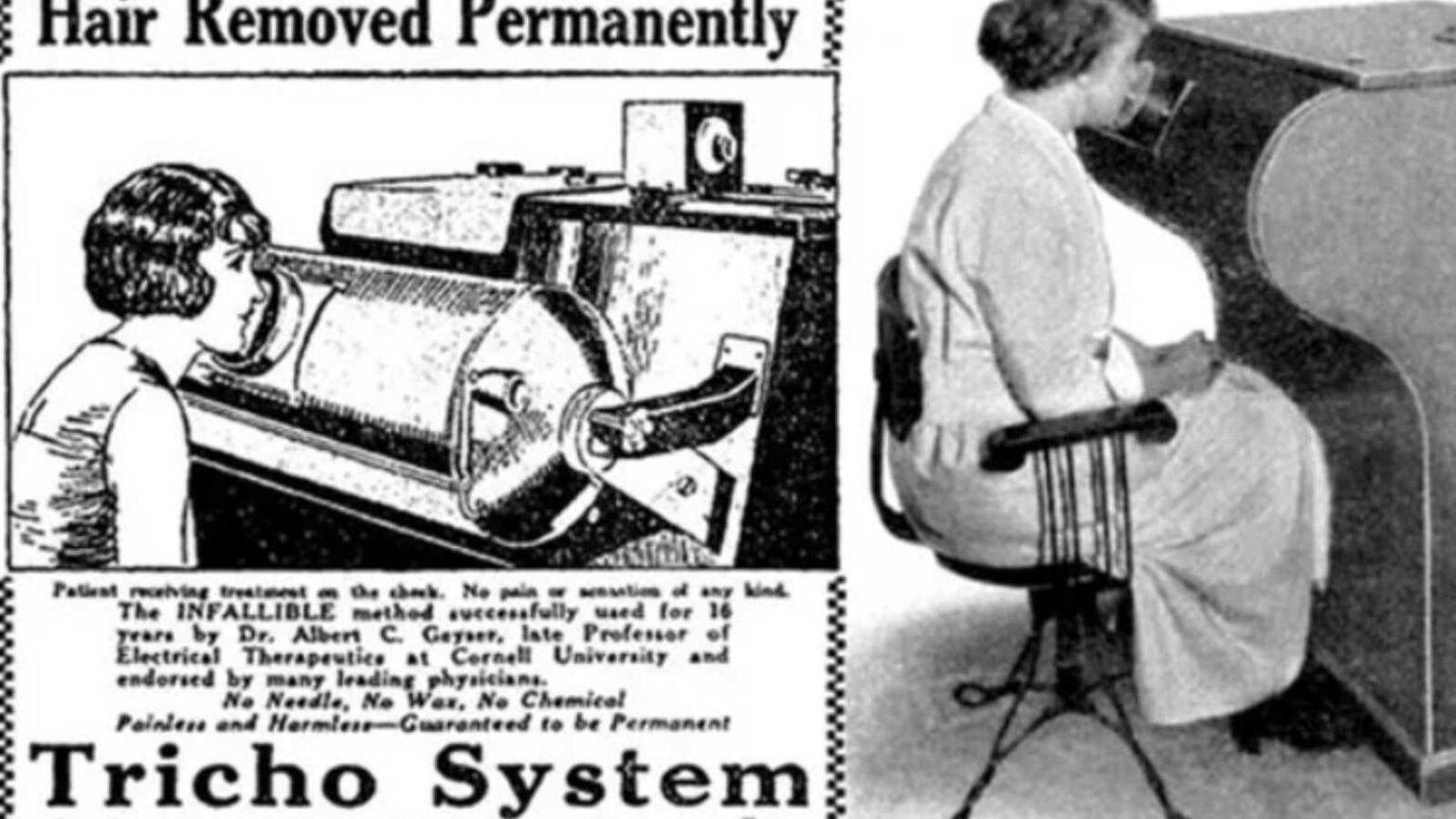
Inventor Albert Geyser built the Tricho system around a cabinet that beamed direct X-rays at a woman’s chin or upper lip for three to four minutes, promising painless permanent hair removal with a five-year guarantee. More than 75 Tricho salons operated across American cities by 1925, according to the Museum of Questionable Medical Devices, with clients averaging twenty sessions each.
The American Medical Association condemned the practice by 1929 after collecting case studies of lesions, ulceration, and skin cancer among mostly young clients, and the company dissolved by 1930 following a wave of lawsuits.
Researchers later traced roughly a third of all radiation-induced cancers documented in women over a 46-year span back to X-ray hair removal, a legacy some historians of the field have called North American Hiroshima maiden syndrome.
Lead Combs Dyed Roman and Victorian Hair Black
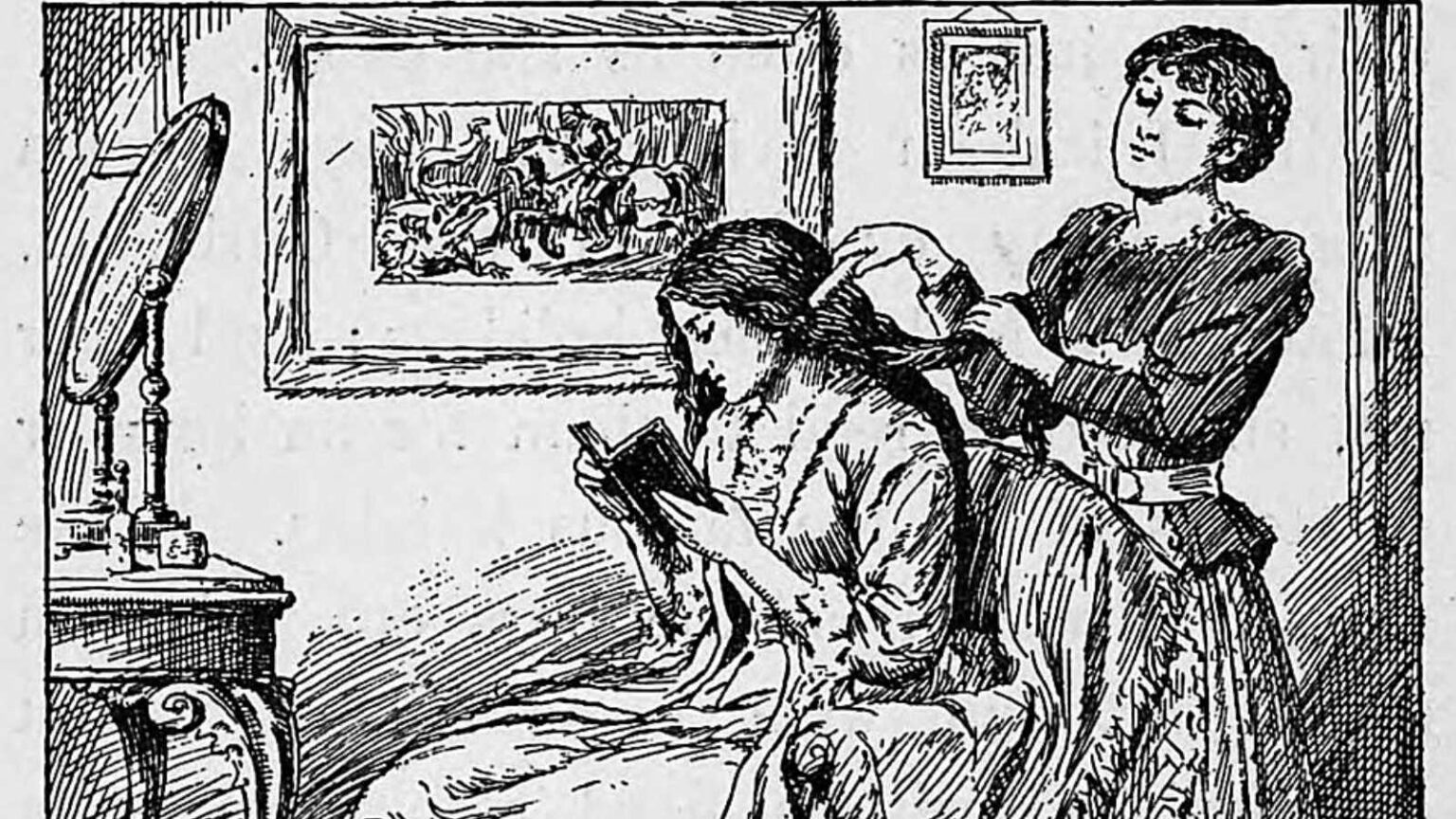
Long before synthetic dye existed, Roman and Greek women reportedly darkened graying hair by combing it repeatedly with lead dipped in vinegar, a reaction chemists later confirmed produces lead acetate, which binds to sulfur in the hair shaft to create a lasting black tint.
The World Health Organization’s cancer research monographs note lead acetate remains, alongside henna, one of only two hair colorants with more than a century of continuous use, a distinction that speaks less to its safety than to how slowly regulation caught up with cosmetic chemistry.
Repeated scalp contact allowed lead to absorb steadily through the skin, contributing to the same slow neurological poisoning that plagued users of lead-based face paint. The comb did the job. It just did other things too.
High Hairlines Signaled Intelligence
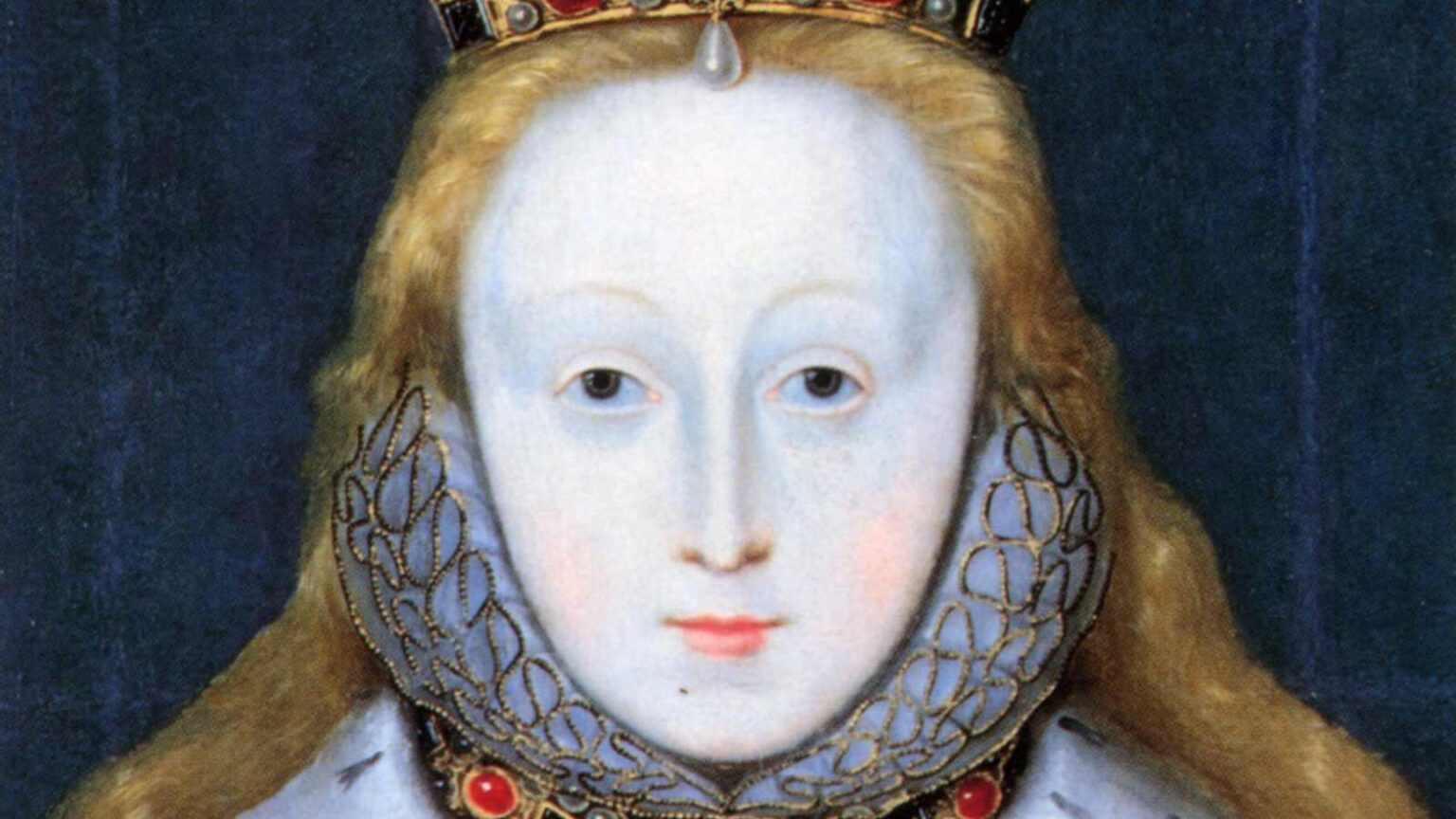
A high, exposed forehead read as a mark of intelligence and noble breeding in Elizabethan England, so fashionable women plucked their hairlines back by an inch or more and thinned their eyebrows to near invisibility.
Queen Elizabeth herself reportedly practiced the look, tweezing strand by strand to elongate her own forehead alongside her signature white lead complexion. The effect required constant upkeep, since regrowth threatened the illusion within weeks, and it stood in sharp contrast to the low, soft hairlines favored by later centuries.
Only women with the leisure time to maintain the ritual could sustain it, which made the exposed forehead as much a status marker as an aesthetic choice.
Victorian Dieters Swallowed Tapeworm Pills for Weight Loss
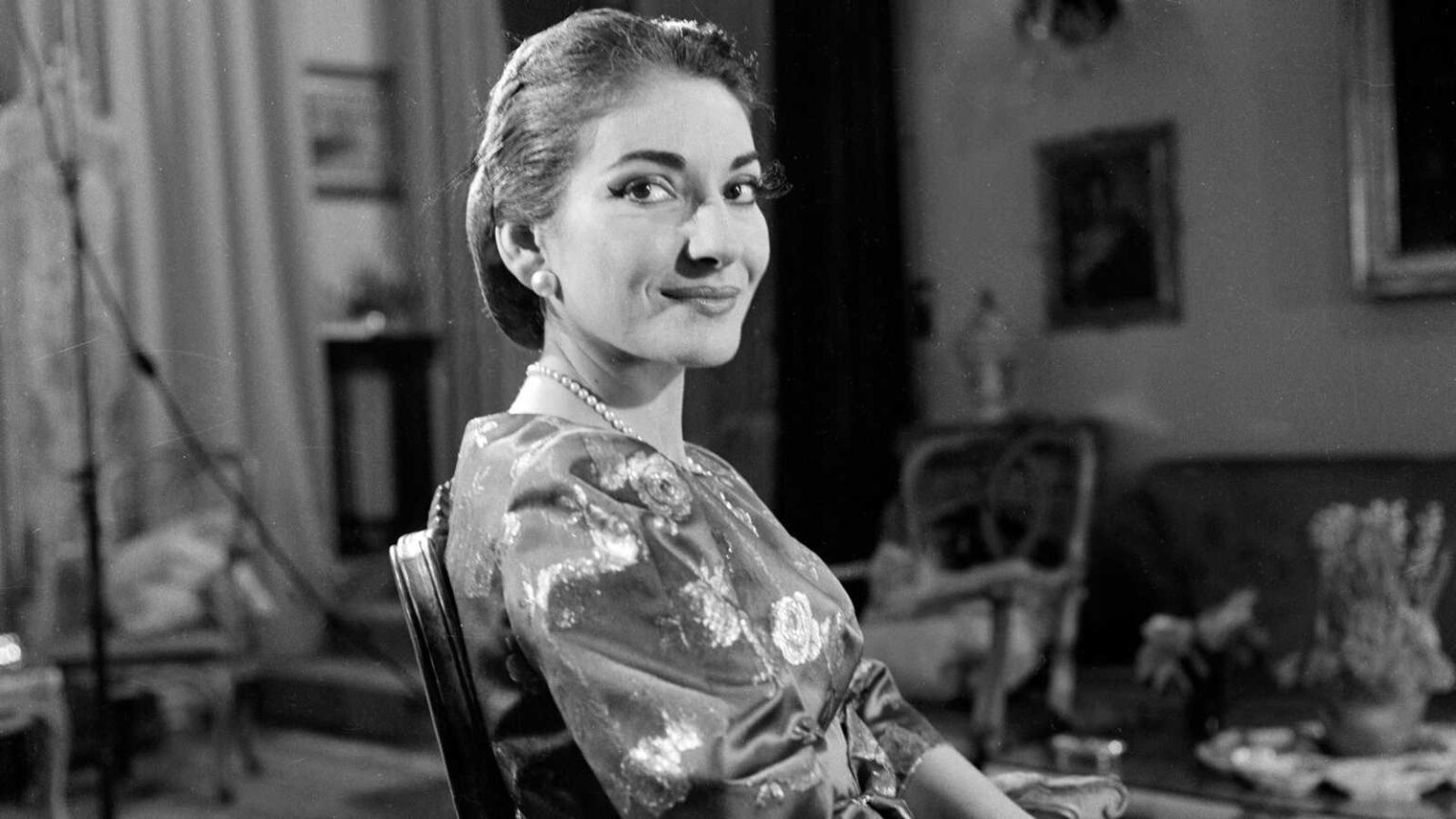
Advertisements for tapeworm diet pills circulated through Victorian-era print media promising a woman could eat freely while a parasite quietly did the calorie counting from inside her digestive tract, a claim resurfacing in American newspapers into the 1920s.
Whether the pills ever contained real tapeworm eggs is genuinely disputed. Researchers investigating the marketing, including a 2022 clinical review examining the Maria Callas tapeworm rumor, argue most products were likely inert sugar pills sold to desperate buyers, since verifying live eggs inside a capsule was essentially impossible for any nineteenth-century consumer.
That ambiguity does not erase the danger for those who did contract genuine infections, some of whom faced blocked intestines or required a doctor to lure the worm out with nothing but starvation and a pail of milk.
Key Takeaways

- Beauty has historically demanded the most from those with the least power to say no, whether Elizabethan nobility, Victorian women or Chinese daughters as young as three.
- Toxic ingredients (lead, arsenic, radium, mercury) stayed in circulation for decades after their dangers were documented, often outpacing regulation by years or centuries.
- Some trends inflicted lasting physical harm (foot binding, tight lacing, X-ray hair removal), while others, like the tapeworm diet, may have been more myth and marketing than actual practice.
- The line between beauty ritual and quiet self-harm was often thin, and rarely acknowledged as such in its own era.
- The pressure to modify the body for social acceptance hasn’t disappeared; it has simply found new targets, with looksmaxxing pulling young men into a version of the same pursuit.
Disclaimer: This list is solely the author’s opinion based on research and publicly available information. It is not intended to be professional advice.
Like our content? Be sure to follow us
MORE TCF GAMES