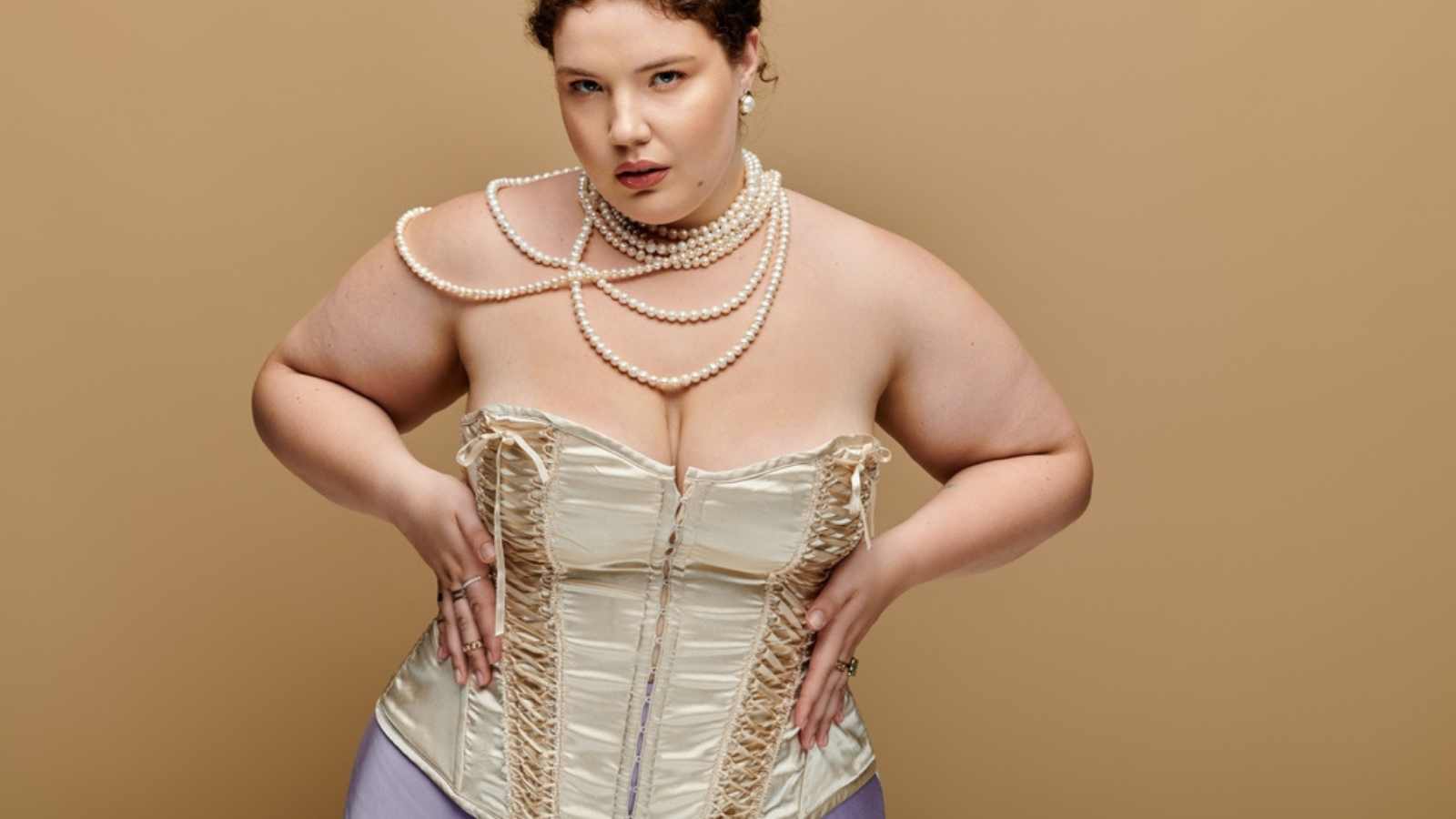
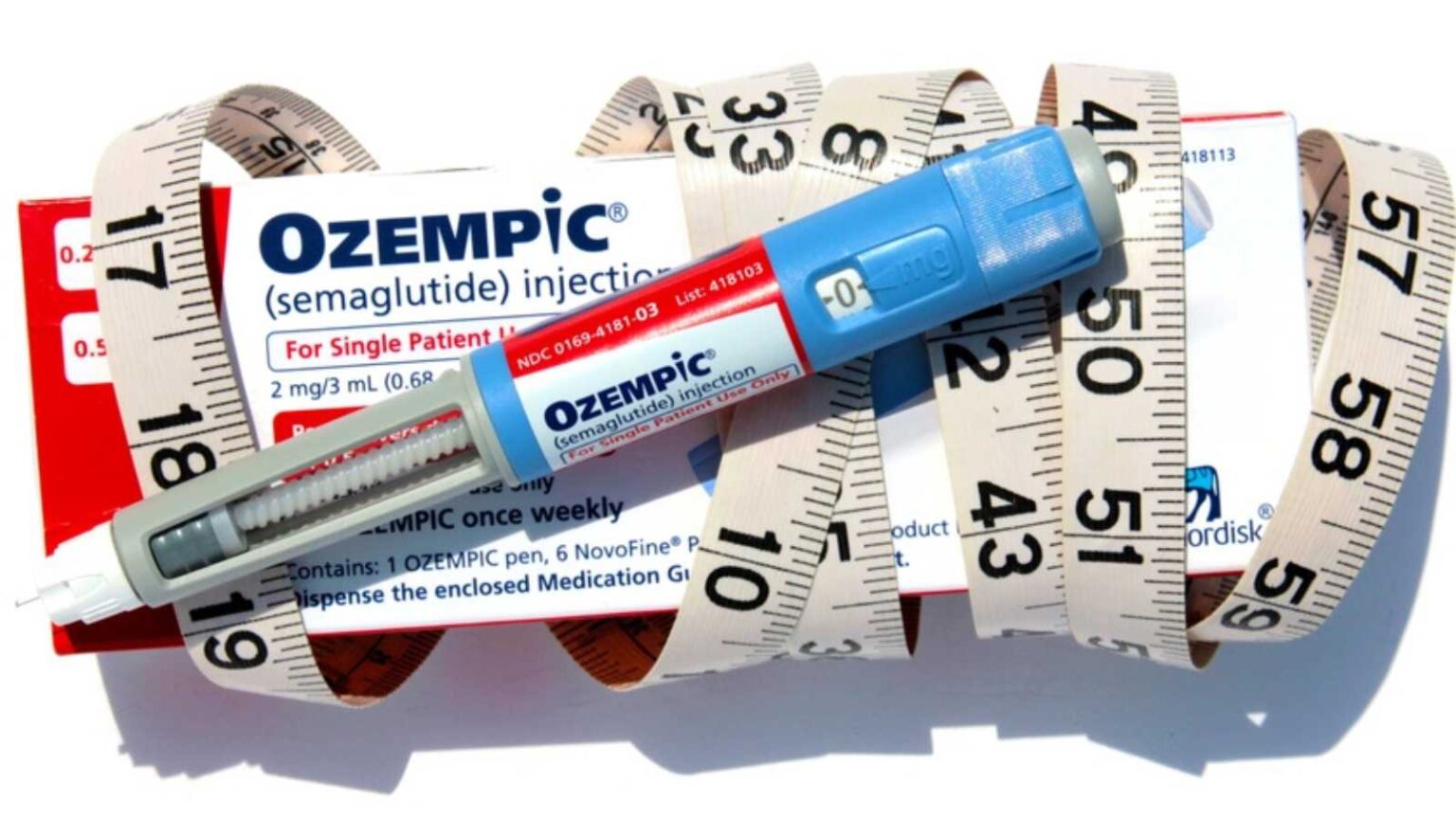
A red carpet season rarely goes by anymore without a headline chasing the same silhouette, thinner than the last cycle and getting thinner still. The broader skinny trend now sweeping fashion and beauty coverage has a pharmaceutical undercurrent, with GLP-1 drugs built for diabetes and obesity reshaping bodies fast enough that the cultural shift is visible season to season rather than year to year.
The side effect getting the most airtime is not the weight loss itself but the face beneath it, gaunt in a way Dr. Paul Jarrod Frank calls the Ozempic face, according to the National Library of Medicine. That shift belongs in this conversation because it marks where the list is headed next. Thinness itself, chased through a prescription rather than a garment, is becoming the newest entrant in the long ledger of what women are willing to risk for a silhouette.
American consumers spend billions on fashion and beauty each year. In 2023 alone, the average U.S. household spent $655 on women’s apparel and another $208 on women’s footwear, according to the U.S. Bureau of Labor Statistics.|
This means these risks touch a wide and varied set of bodies, not a niche of extreme style choices. What follows is not a call to abandon style. It is a map of where the line between aesthetic risk and physical harm actually sits, drawn from case studies, agency warnings, and the clinicians who treat the aftermath.
Skinny Jeans
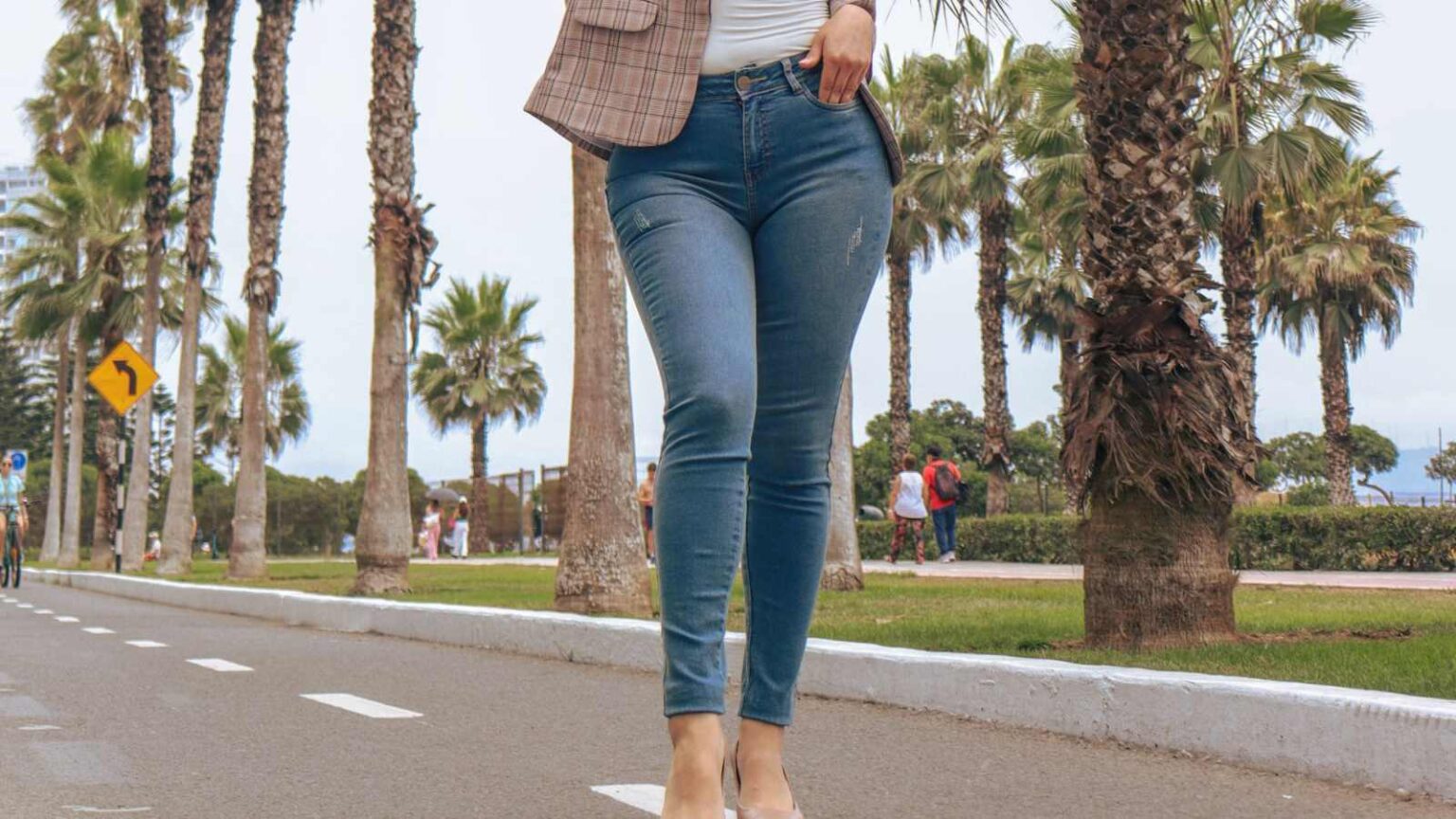
In 2015, a 35-year-old Australian woman spent hours squatting in skinny jeans while helping a relative move house. By the next day her legs were too swollen to remove the denim, and paramedics cut the jeans away. Doctors at Royal Adelaide Hospital diagnosed compartment syndrome, a condition where swelling inside a confined muscle space cuts off blood supply and compresses nerves.
Neurologist Thomas Kimber, who treated her, told 891 ABC the combination of squatting and constrictive denim had triggered the swelling. She needed four days of intravenous fluids before she could walk unaided again.
Internist Octavio Bessa had already coined the term tight pants syndrome decades earlier for the abdominal pain and heartburn he saw in patients whose waistbands outpaced their girth. Skinny denim is not dangerous in motion. It becomes dangerous in stillness, particularly a held squat.
Chemical Hair Straighteners
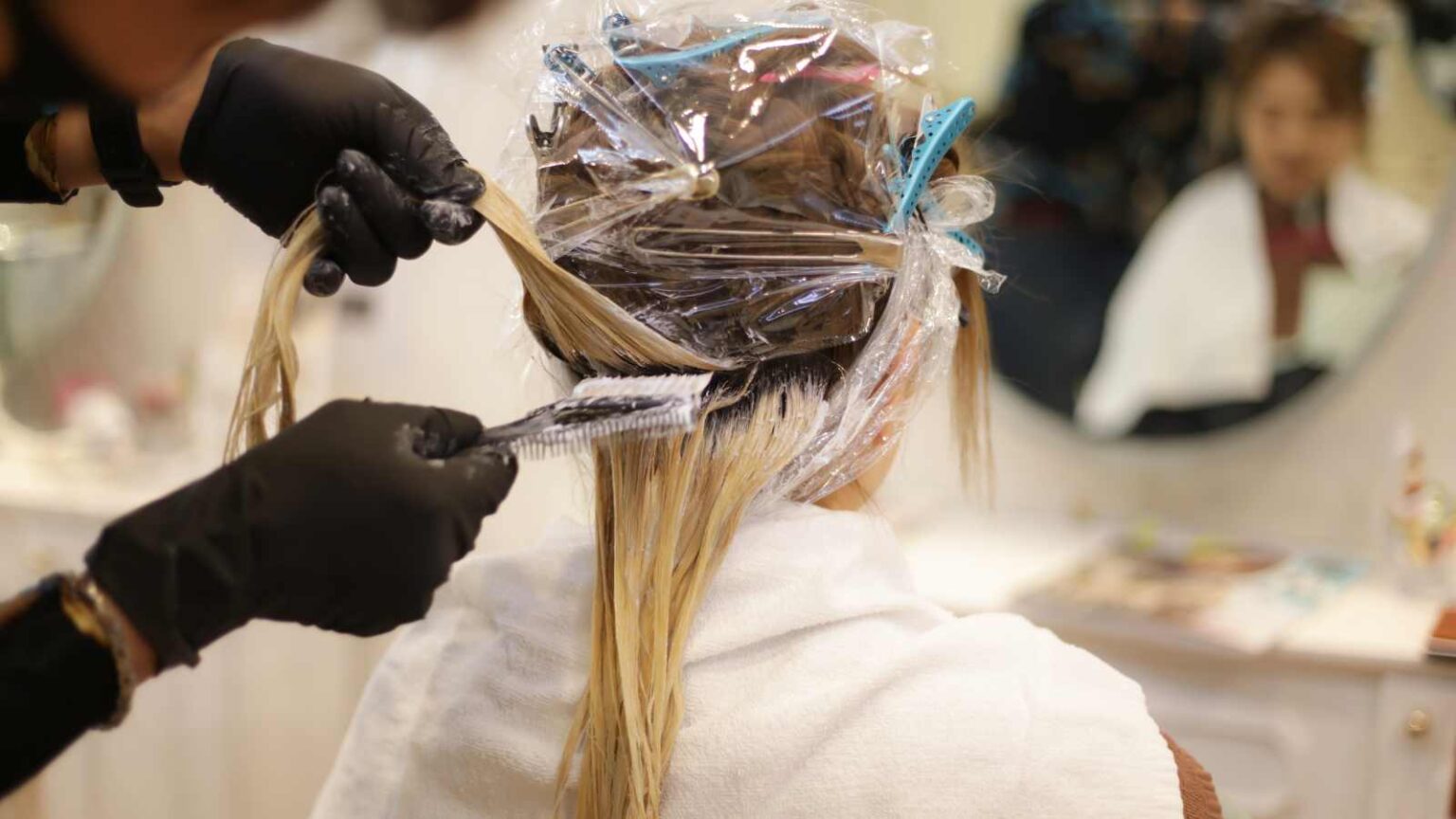
The National Institute of Environmental Health Sciences tracked over 33,000 women through its Sister Study for nearly eleven years and recorded 378 uterine cancer diagnoses. Women who used chemical straighteners more than four times annually were roughly twice as likely to develop the disease as non-users.
Lead author Alexandra White calculated that lifetime risk climbs from 1.64% among never-users to 4.05% among frequent ones. About 60% of the straightener-using participants identified as Black, a detail researchers flagged given decades of texture-driven marketing aimed at that demographic.
No comparable link turned up for dyes, bleach, or perms, which narrows suspicion to the specific chemistry of relaxers rather than hair alteration generally. Uterine cancer remains statistically rare, so this is a risk multiplier worth knowing rather than a reason for panic, but it belongs in any honest accounting of beauty routines marketed as maintenance rather than makeover.
Decorative Contact Lenses
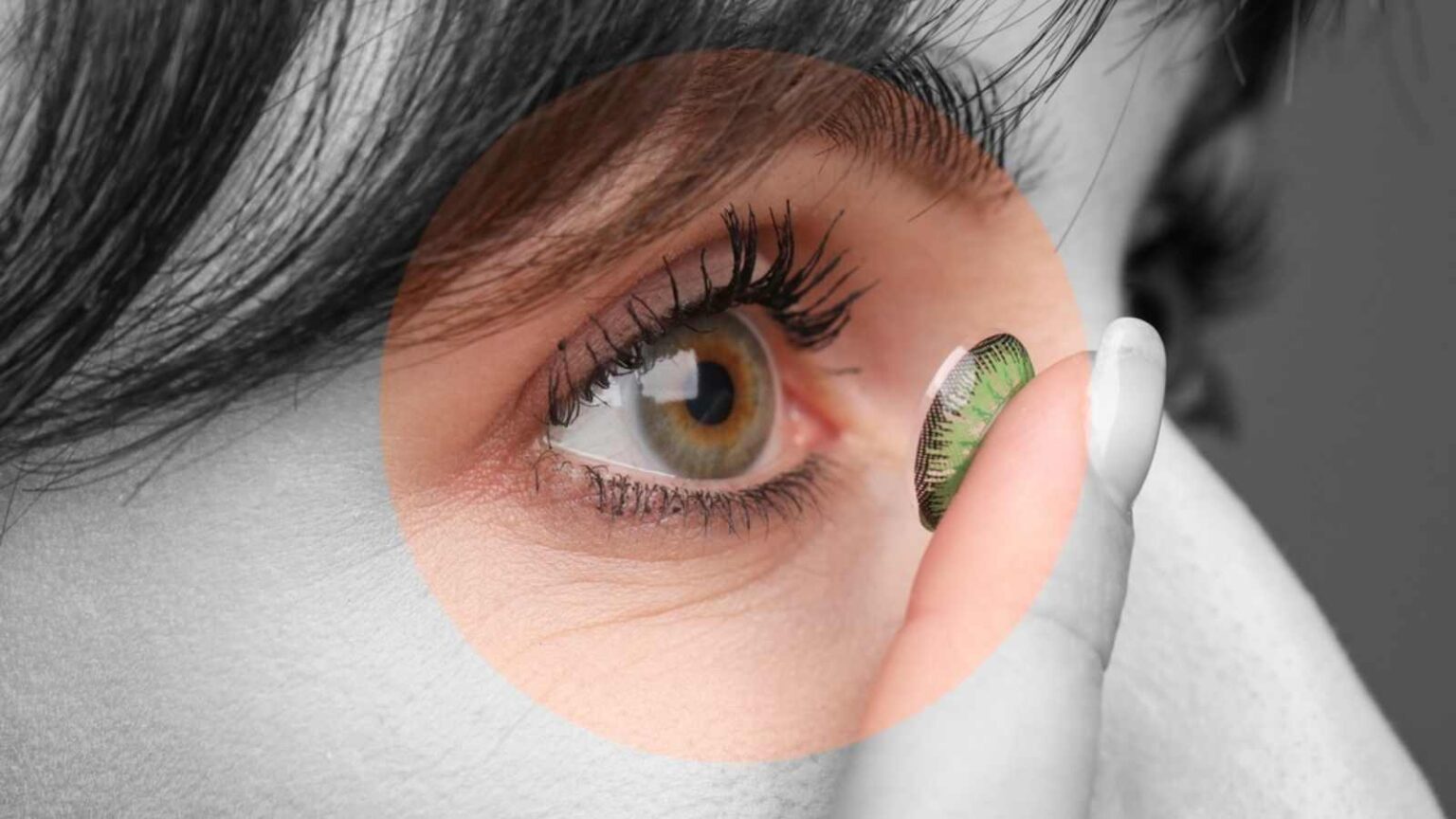
Colored lenses bought at a beauty supply counter or novelty shop skip the fitting exam that keeps prescription lenses safe, and the FDA classifies every contact lens, tinted or clear, as a medical device requiring one.
The agency has documented corneal ulcers, conjunctivitis and permanent vision loss tied to unfitted decorative lenses, and it has ordered customs officials to detain unauthorized shipments at ports of entry.
A poorly fitted lens can scratch the cornea’s surface, and a scratch left untreated can become an ulcer that scars the eye permanently. The appeal is almost always occasional wear for a costume or a photo, which makes the injury feel especially avoidable in hindsight. Buying from a licensed retailer that requires a prescription eliminates nearly the entire risk.
Gel Manicures under UV Lamps
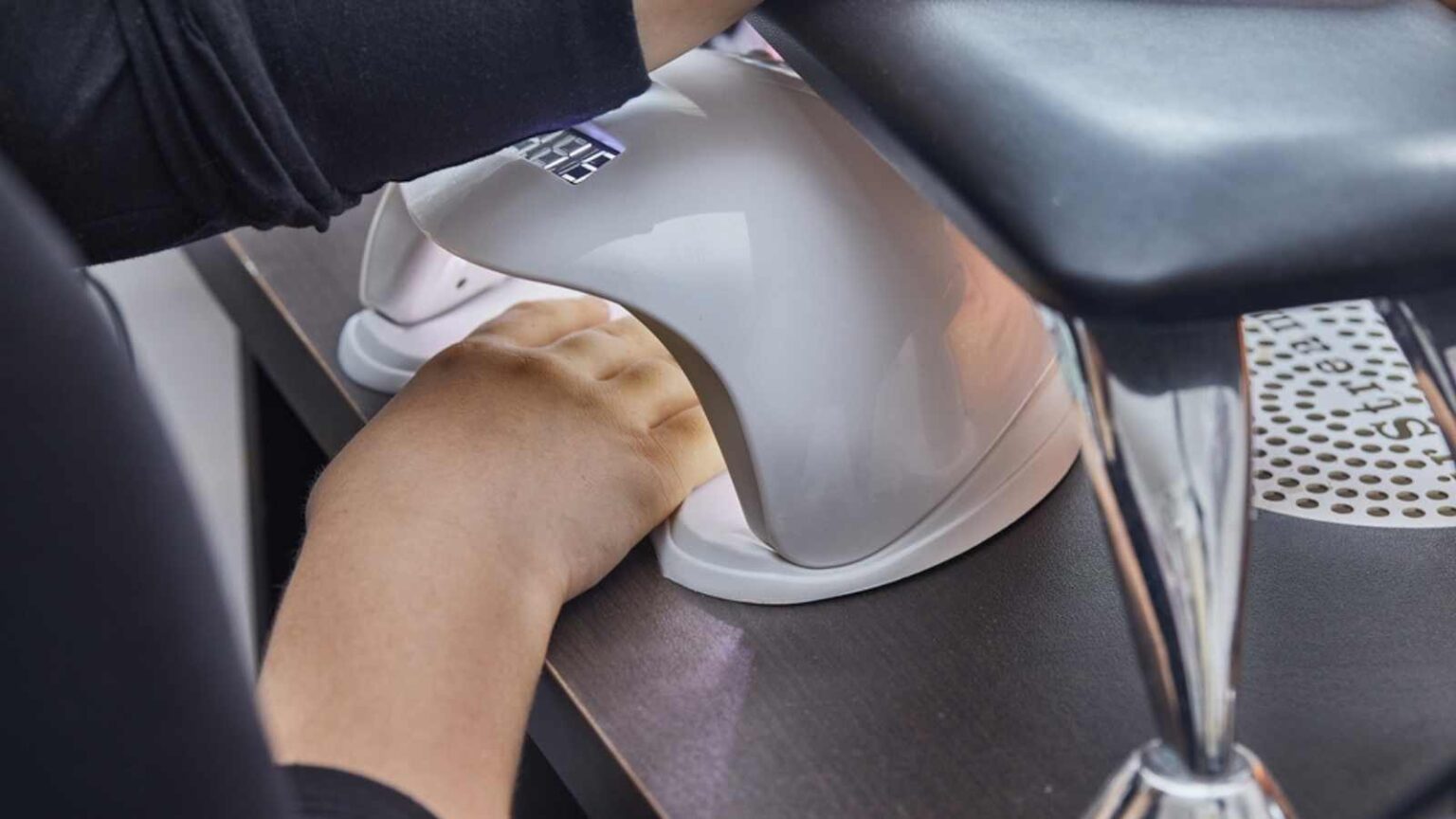
Nail lamps marketed as LED or UV both emit ultraviolet A radiation, the same wavelength implicated in tanning bed damage.
JAMA Dermatology has published case reports of nonmelanoma skin cancer on the hands of women with over a decade of routine gel manicure history, and a Nature Communications study found the lamps cause measurable DNA damage and mutation patterns in exposed cells.
Researchers are careful to note that any single manicure delivers a low dose and that causation across a full population has not been firmly established.
What accumulates is exposure, session after session, on skin that rarely gets sunscreen anywhere else.
Nickel in Costume Jewelry
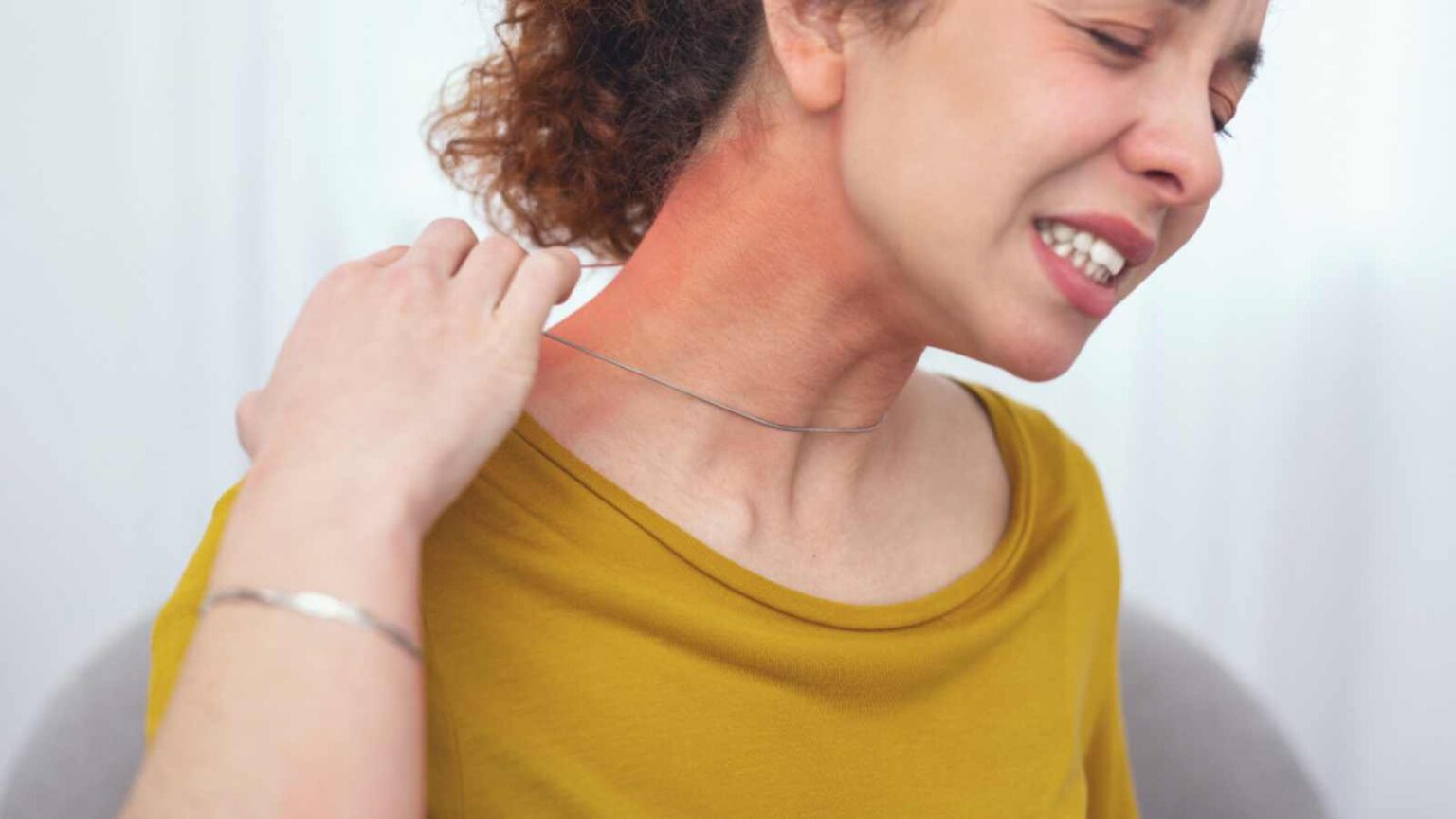
Nickel allergy is the most frequently diagnosed metal contact allergy in the United States, and cheap earrings, rings, and necklaces are among its most common delivery vehicles. Sweat and skin oils corrode base metal alloys over hours of wear, releasing nickel ions that trigger redness, itching, and blistering at the contact site.
Repeated exposure, particularly through pierced ears, can permanently sensitize the immune system, meaning a reaction that started as mild irritation in adolescence can flare with any nickel contact for life.
The Consumer Product Safety Commission has recalled multiple costume jewelry lines for lead and cadmium content that exceeded federal limits, a separate but related hazard tied to the same low-cost manufacturing pipeline.
Jewelry stamped hypoallergenic still occasionally contains trace nickel, since the label carries no binding federal definition. Surgical steel, titanium, and solid gold above 14 karats carry the lowest documented reaction rates.
Tight Ponytails and Braids
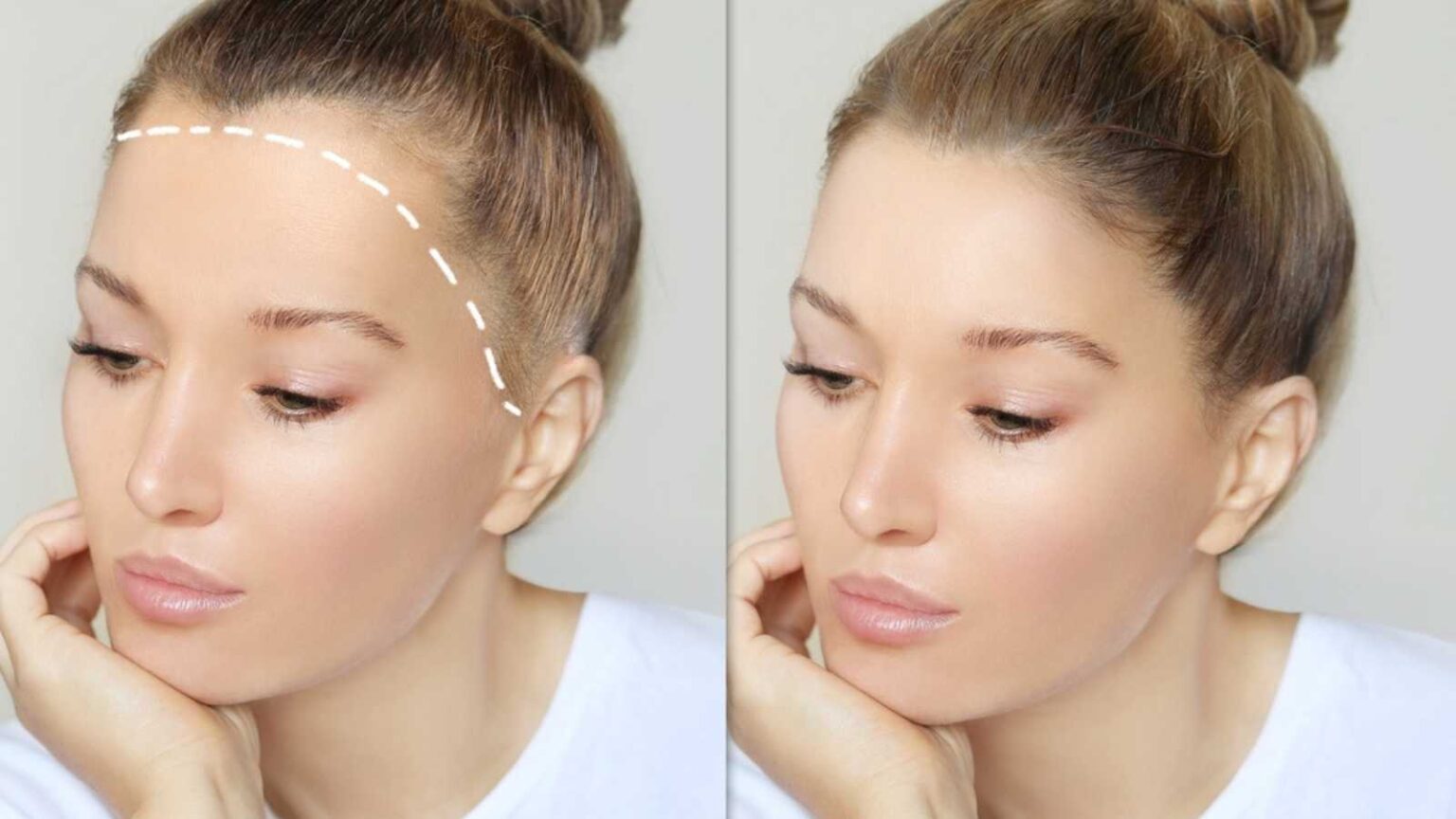
Traction alopecia develops when sustained tension on the hair shaft damages the follicle itself, not just the strand, and dermatologists identify it disproportionately in patients who wear tight ponytails, braids, weaves, or locs over years.
Early signs include a receding hairline at the temples and small bumps where follicles have become inflamed, and the damage is reversible only if styling changes before scarring sets in. Once scar tissue replaces follicle tissue, regrowth stops permanently in that patch.
Black women are diagnosed with traction alopecia at markedly higher rates than other groups, a disparity dermatologists link to protective and low-manipulation styles that, paradoxically, rely on the same root tension over extended wear periods.
Loosening the pull at the hairline, alternating styles, and giving the scalp weeks of rest between tight installs are the interventions dermatologists cite most often, alongside earlier professional evaluation when scalp tenderness appears rather than after a bald patch does.
Flip-Flops
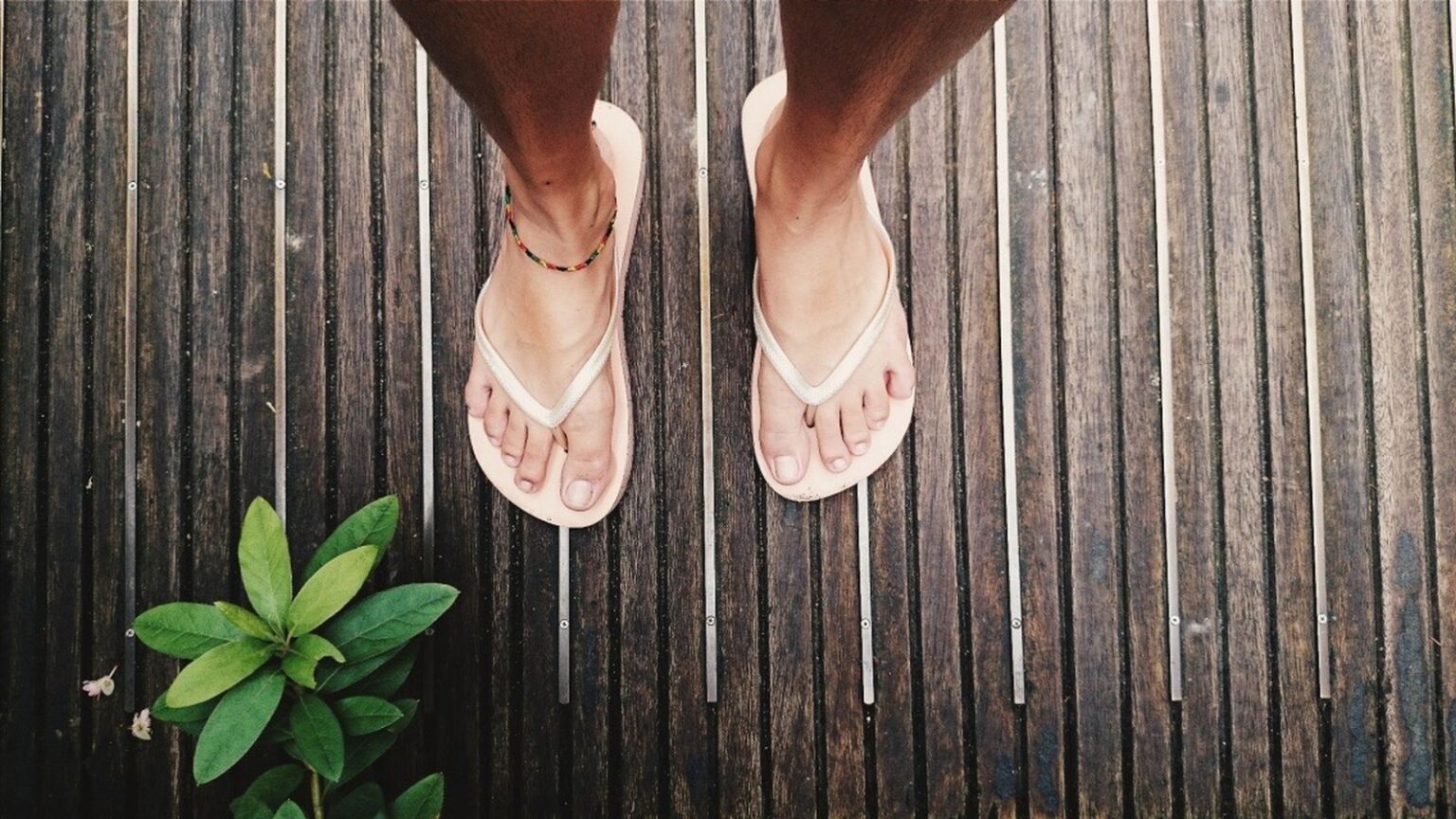
Podiatrists have long flagged the flip-flop as biomechanically unsound rather than merely casual, since a shoe with no heel cup or arch support forces the toes to grip the sole with every step to keep it from sliding off the foot.
That gripping motion shortens the stride and changes how force travels up through the ankle, knee and hip, and podiatric research has connected habitual flip-flop wear to plantar fasciitis, tendonitis and altered gait patterns over time.
The thin sole also removes any shock absorption, transferring pavement impact directly into the heel with every step, which matters more on concrete city sidewalks than on the beach sand the shoe was originally designed for.
None of this makes the occasional flip-flop dangerous. It becomes a problem when the shoe is the daily default rather than the exception, since the foot adapts to whatever mechanics it repeats most often.
Shapewear
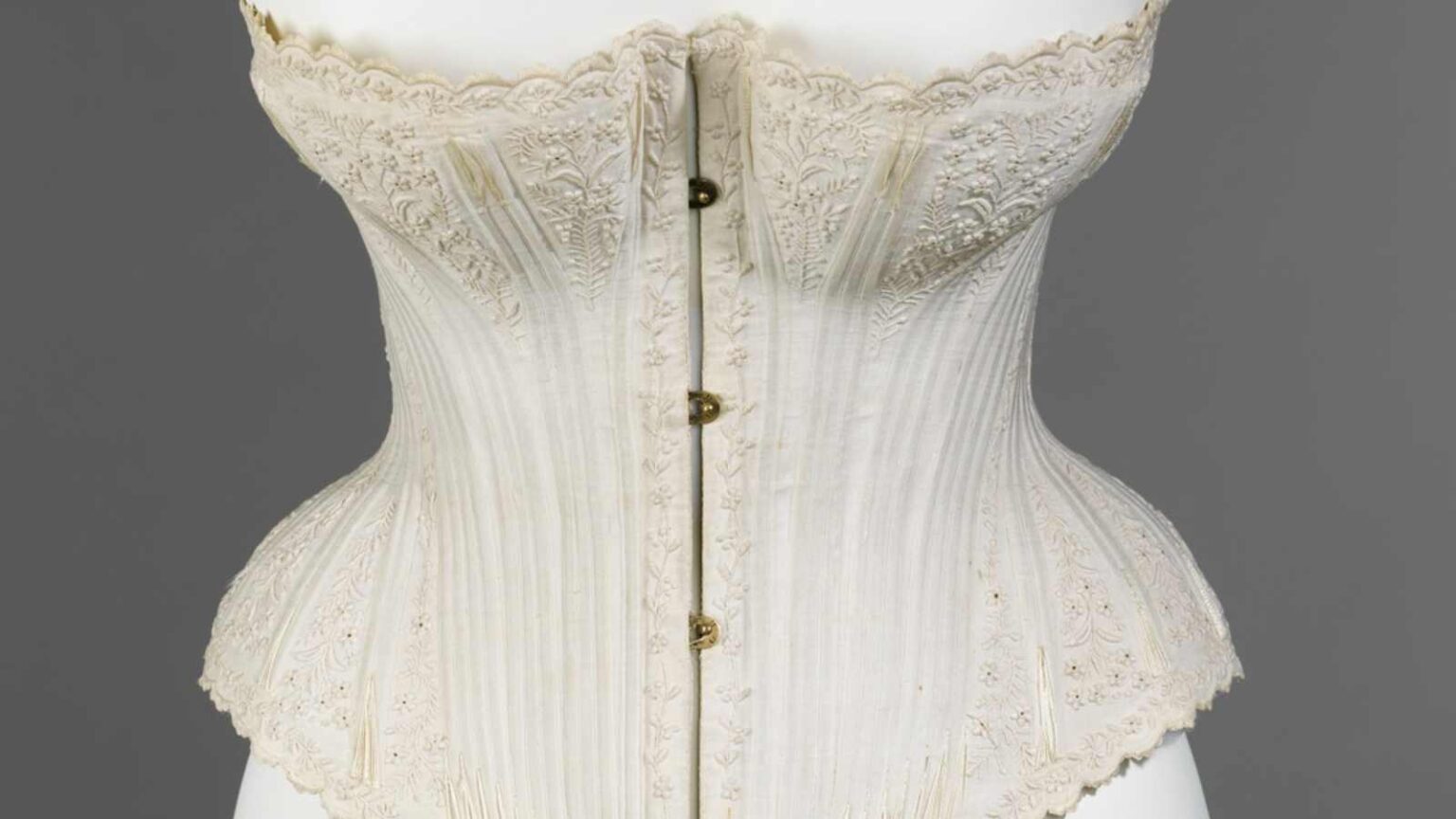
Compression garments marketed as snatched or smoothing work by applying sustained pressure across the abdomen, and gastroenterologists have linked prolonged wear to acid reflux, since compressing the stomach pushes its contents upward against a weakened valve. The same pressure can slow digestion and worsen bloating rather than disguising it, creating a cycle where the garment causes the very silhouette issue it was bought to hide.
Shapewear tight enough to leave indentation marks after removal is tight enough to restrict blood flow, and physicians have documented cases of numbness and tingling in the legs from waist-to-thigh compression garments worn for extended stretches, similar in mechanism to the nerve compression seen with skinny jeans, though concentrated higher on the body.
Sizing up, choosing garments with looser panel construction and removing shapewear during meals are the adjustments most frequently recommended by the physicians who treat its side effects.
Waist Training
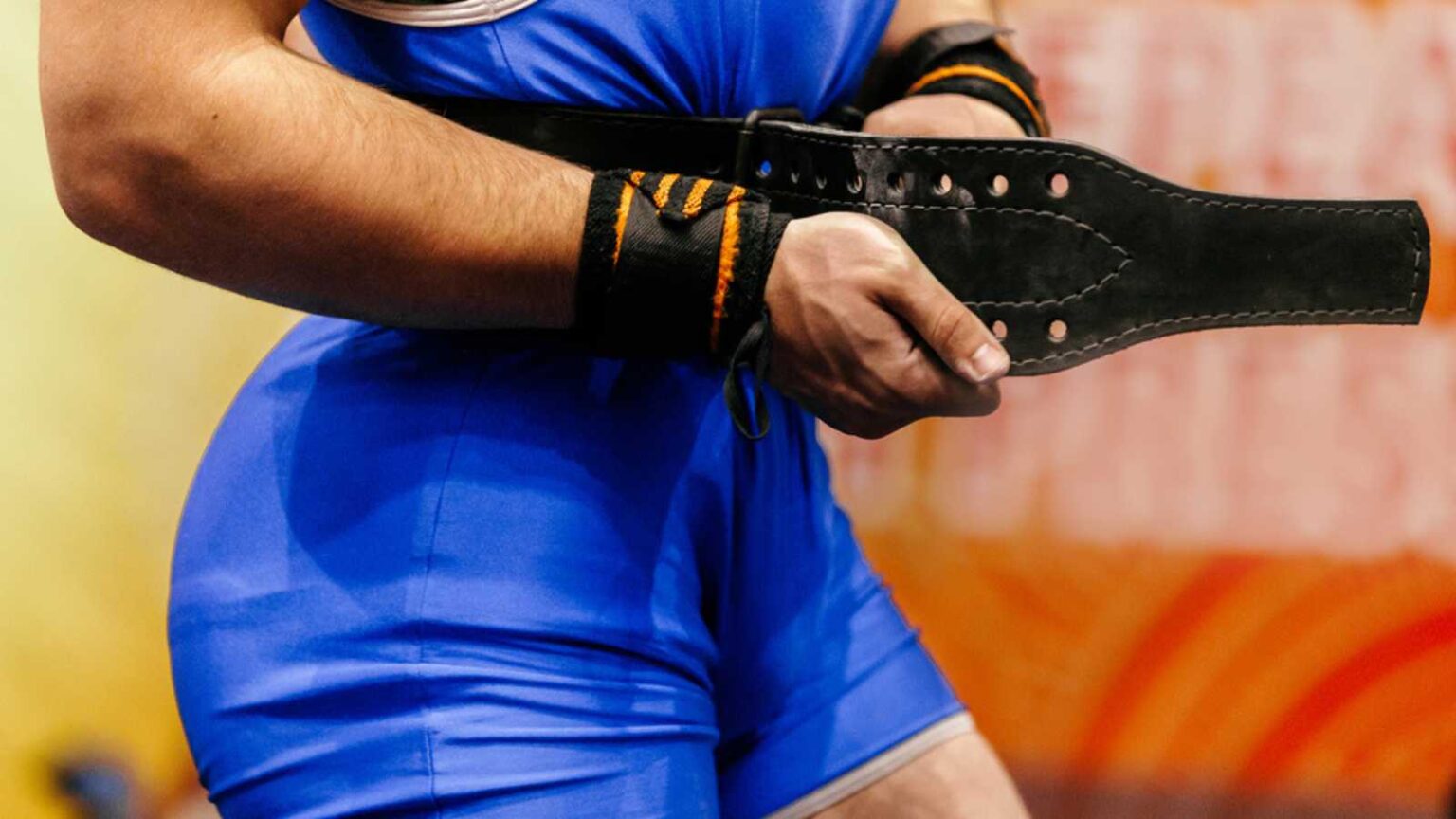
Victorian tight-lacing, such as those analyzed by the Hunterian Museum, left a well-documented medical record of displaced ribs and compressed livers, and modern waist trainers work on the same physical principle, even with modern materials.
Sustained compression narrows the lower rib cage, and because the diaphragm needs that space to expand fully, wearers often shift into shallow chest breathing without noticing the change happening. Over months of daily wear, the abdominal muscles that would normally stabilize the core can weaken from disuse, since the garment is doing the stabilizing work the muscles used to do themselves.
Fitness and medical commentary on the trend has been more united than most fashion debates, with the common thread that any visible change during wear reverses once the trainer comes off, meaning the garment reshapes posture and breath temporarily rather than the body permanently. The rib and organ compression risk, however, is not temporary if wear is prolonged and daily.
Ill-Fitting Bras
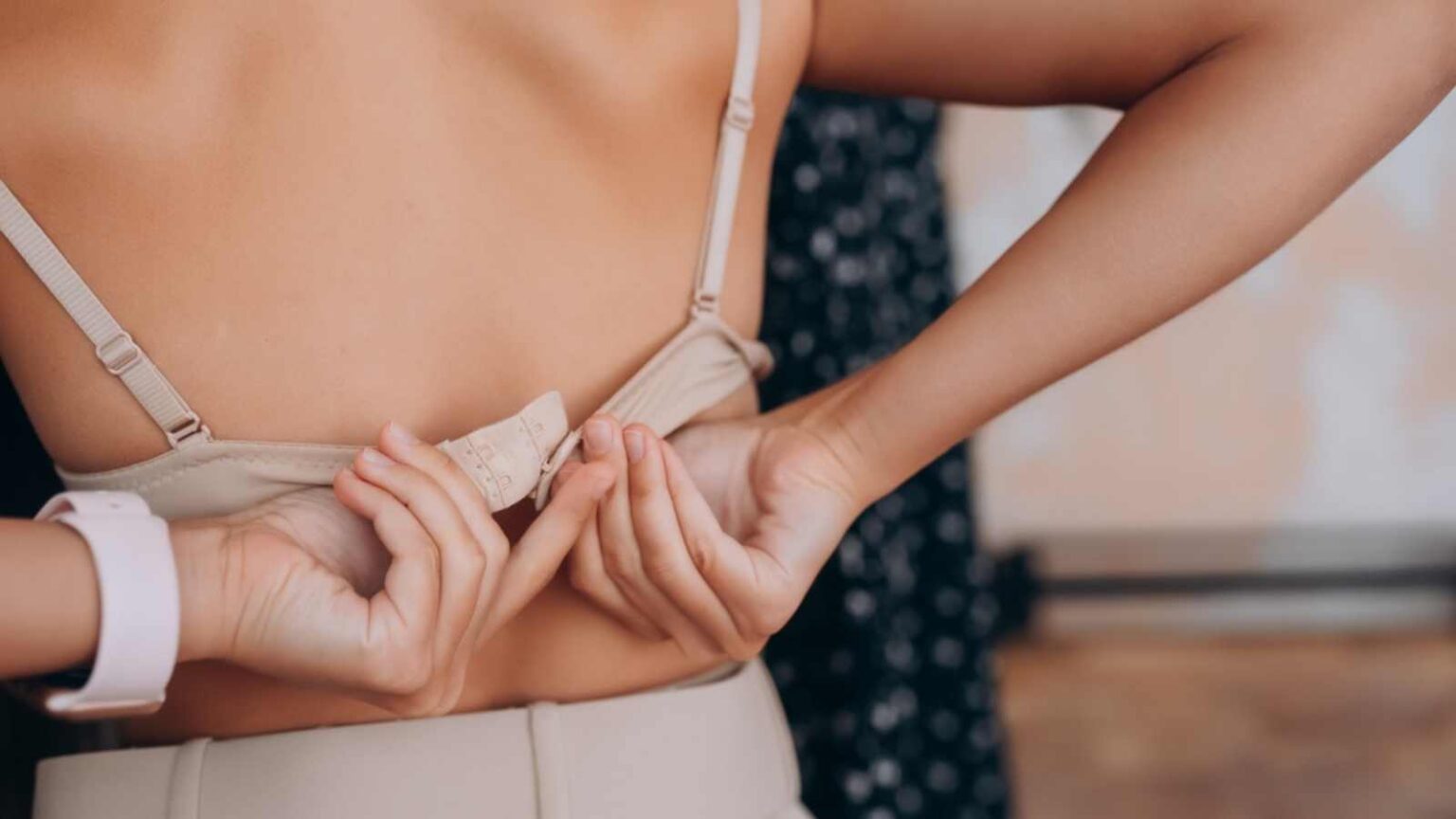
80% of American women wear the wrong bra size, and the consequences show up as shoulder grooving, upper back pain, and rib irritation rather than anything dramatic enough to prompt a fitting appointment.
Underwire that sits on breast tissue instead of the ribcage frame beneath it can restrict lymphatic drainage locally and cause persistent soreness, though the long-circulated claim linking underwire to breast cancer has been examined and rejected by major cancer research bodies, worth stating plainly since the myth still outlives the correction.
Straps that dig grooves into the shoulders are typically compensating for a band that has stretched out and lost its primary support role, shifting weight the band should carry onto the shoulders instead. A properly fitted band, refitted as weight and body shape shift over time, resolves most of these complaints without any change to bra style at all.
Stiletto Heels
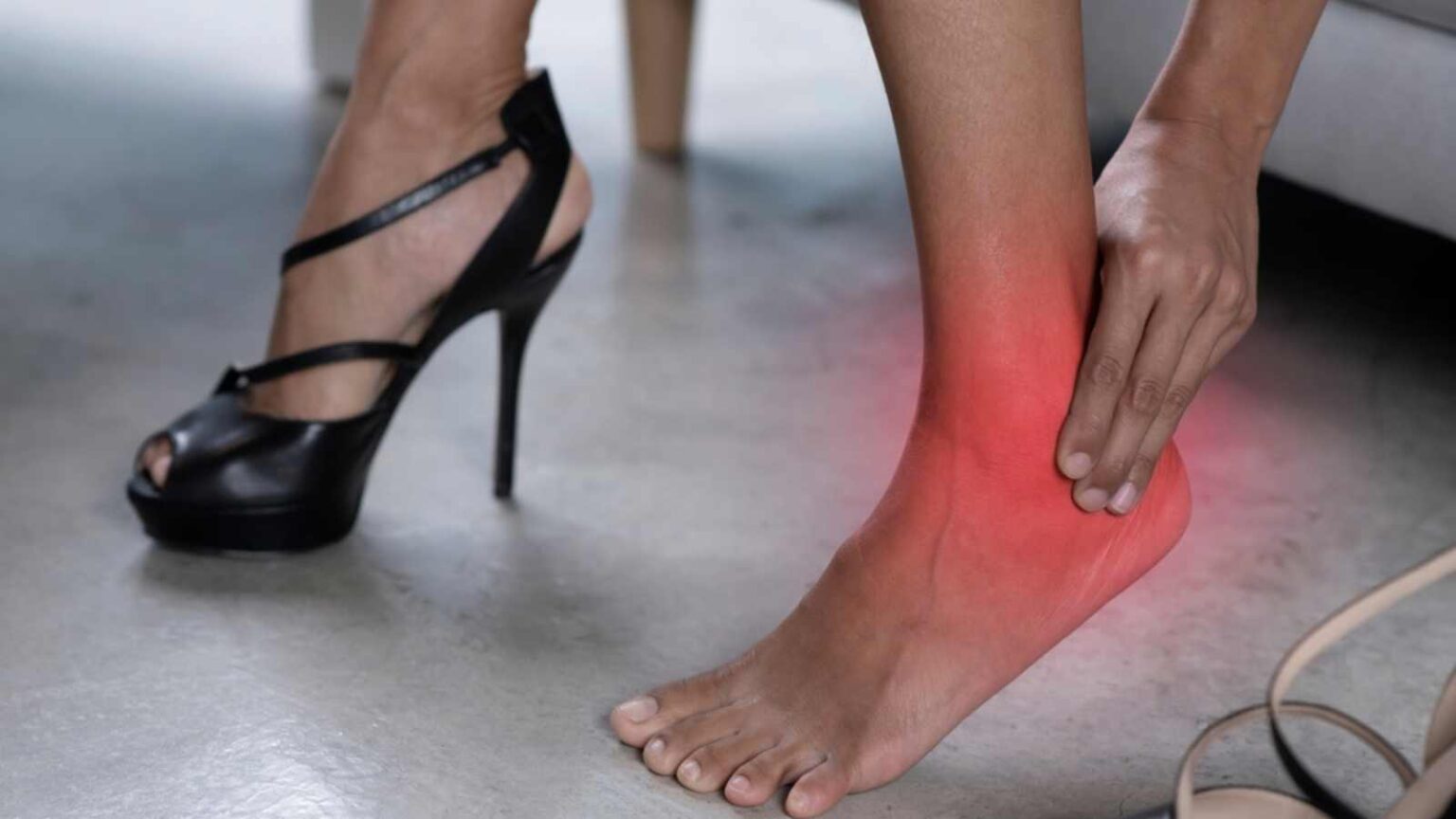
Heels above two inches are among the leading causes of chronic foot and ankle injury in women. Bunions, hammertoes, ankle sprains, and Achilles tendon shortening are common long-term effects of habitual wear.
A narrow toe box crowds the forefoot into a shape the shoe dictates rather than the foot’s natural spread, and years of that compression can permanently alter bone alignment. The elevated heel also shifts body weight forward onto the ball of the foot, a structure not built to bear concentrated load, which is why stiletto wearers report disproportionate rates of metatarsalgia and stress fractures compared with flat shoe wearers.
Ankle sprains and fractures account for over 1 million emergency department visits annually, often triggered by a simple misstep or roll on uneven surfaces. Alternating heel height across a week, rather than wearing the same silhouette daily, is the single change podiatrists cite most often for reducing cumulative damage.
Loose Scarves and Trailing Accessories

Dancer Isadora Duncan died in 1927 when the long silk scarf trailing from her neck caught in the open-spoked wheel of the car she was riding in, snapping her neck instantly as the vehicle pulled away. The story has circulated for a century partly because it reads like folklore, but the physics behind it are ordinary and still apply anywhere fabric meets a moving mechanism, including escalators, subway doors, conveyor systems and factory equipment.
Modern safety guidance from transit authorities and workplace safety offices continues to warn against loose scarves, long straps and trailing hem lengths near escalators specifically, since the same catch-and-pull mechanism that killed Duncan operates at a slower, survivable scale on public transit every year. The fix costs nothing stylistically. Tucking, looping twice, or opting for a shorter drape preserves the look while removing the loose end a mechanism needs to catch.
Key Takeaways
Most of what sits on this list is not an argument against style, since nearly every risk above has a workaround that costs little more than attention.
What connects a compartment syndrome case in Australia to a corneal ulcer from a Halloween store lens is the same pattern: convenience and price undercutting. A safeguard exists for a reason, whether that safeguard is a prescription, a properly sized band, or simply two inches of heel height.
Fashion asks something of the body in every era. Knowing exactly what it is asking keeps the exchange fair.
Disclaimer: This list is solely the author’s opinion based on research and publicly available information. It is not intended to be professional advice.
Like our content? Be sure to follow us
MORE TCF GAMES