Let’s get one thing straight: nature does not have a dress code.
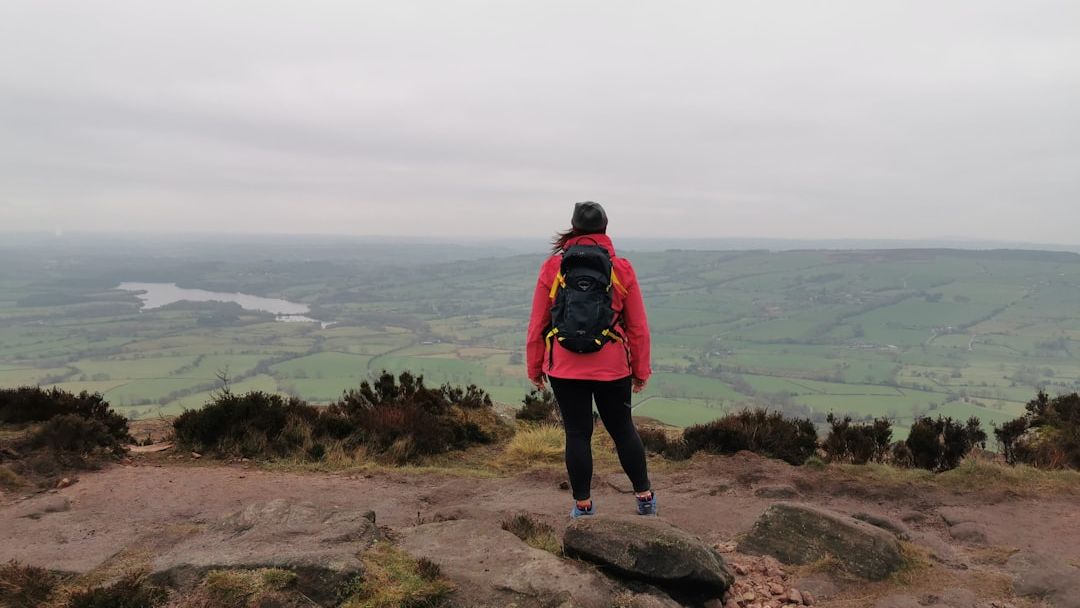
Despite what outdoor ads, trail bros, or the sizing charts at some gear brands might suggest, hiking is not a thin-people-only hobby. Plus size hiking is real, valid, and deeply joyful and more plus size women are reclaiming the trail every single day.
Yes, the outdoor world has historically been unwelcoming. Yes, gear can be annoying to find. And yes, sometimes people stare. But none of that changes the truth: your body is already capable of walking in the woods, breathing fresh air, and standing in awe at a beautiful view.
This is not about shrinking yourself to “earn” movement. This is about expanding your world.
Why Representation on the Trail Actually Matters
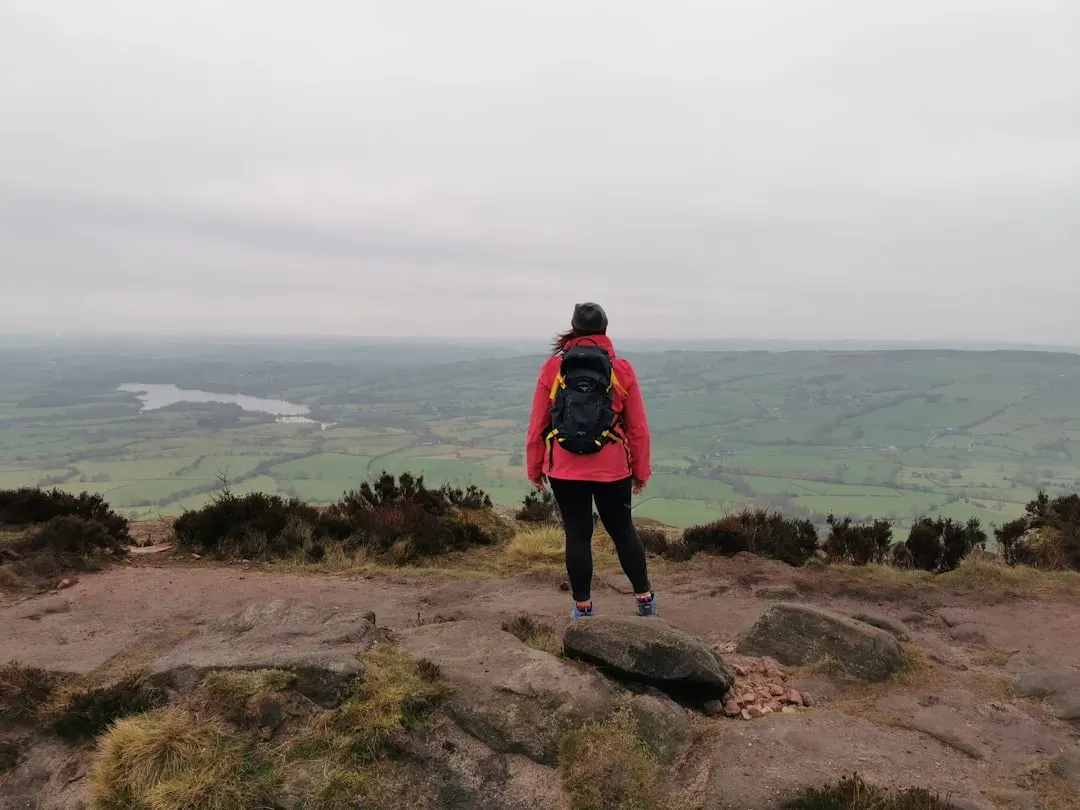
If you’ve ever Googled “hiking inspiration” and felt invisible, you’re not imagining things.
A 2022 report from Outdoor Industry Association found that outdoor participation marketing still overwhelmingly centers thin, white, athletic bodies, despite the fact that over 67% of U.S. women wear a size 14 or above, according to data from Centers for Disease Control and Prevention.
Representation isn’t about aesthetics. It’s about access.
When you don’t see bodies like yours hiking, it subtly tells you:
- You don’t belong
- You’ll be judged
- You’ll fail
Seeing plus size hikers on trail, online and in real life, interrupts that lie. Social platforms have become a powerful counter-space, with plus size outdoor creators showing rest breaks, sweat, joy, and real bodies in motion. That visibility changes what feels possible.
The Physical and Mental Health Benefits Are Backed by Science
Hiking isn’t punishment disguised as wellness. It’s gentle-to-moderate cardiovascular movement that improves endurance, balance, and leg strength without requiring a gym membership or burpees (bless).
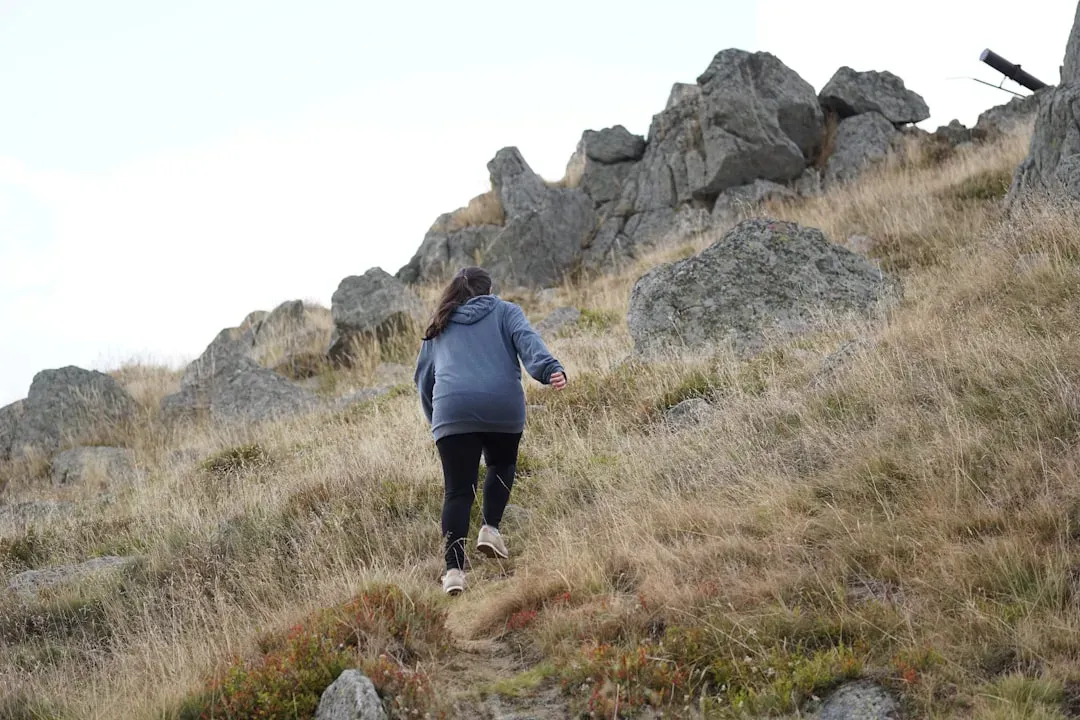
According to the American Heart Association, regular walking, especially on varied terrain, supports heart health, joint mobility, and blood pressure regulation.
And the mental health benefits? Chef’s kiss.
Research published by the American Psychological Association shows that spending time in natural environments can:
- Lower cortisol (stress hormone)
- Reduce anxiety and depressive symptoms
- Improve mood and attention
Research from the American Psychological Association shows that spending time in natural environments is linked to reduced stress, improved mood, and better overall mental well-being, making activities like hiking especially beneficial for mental health.
Translation: your nervous system loves a trail moment.
Gear That Actually Fits Plus Size Bodies (No, You’re Not the Problem)
Let’s talk gear without the gatekeeping.
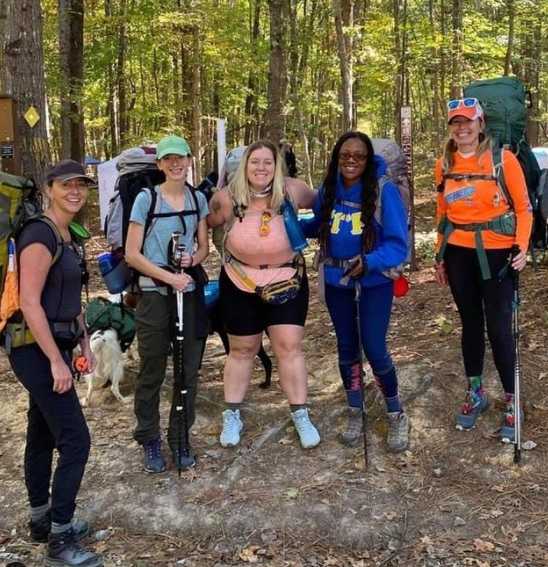
The average American woman wears a size 16–18, yet outdoor gear historically stopped at a size large. That gap is not about demand, it’s about outdated industry thinking.
The good news: things are improving.
Retailers like REI and brands such as Columbia Sportswear now offer extended sizing in select hiking pants, jackets, and tops.
Beginner essentials (nothing fancy required):
- Comfortable walking or hiking shoes (wide widths exist!)
- Moisture-wicking top (skip cotton)
- Stretchy pants or leggings
- A supportive sports bra
- Weather-appropriate layers
You do not need a $400 setup to walk on dirt. You need comfort and safety. Period.
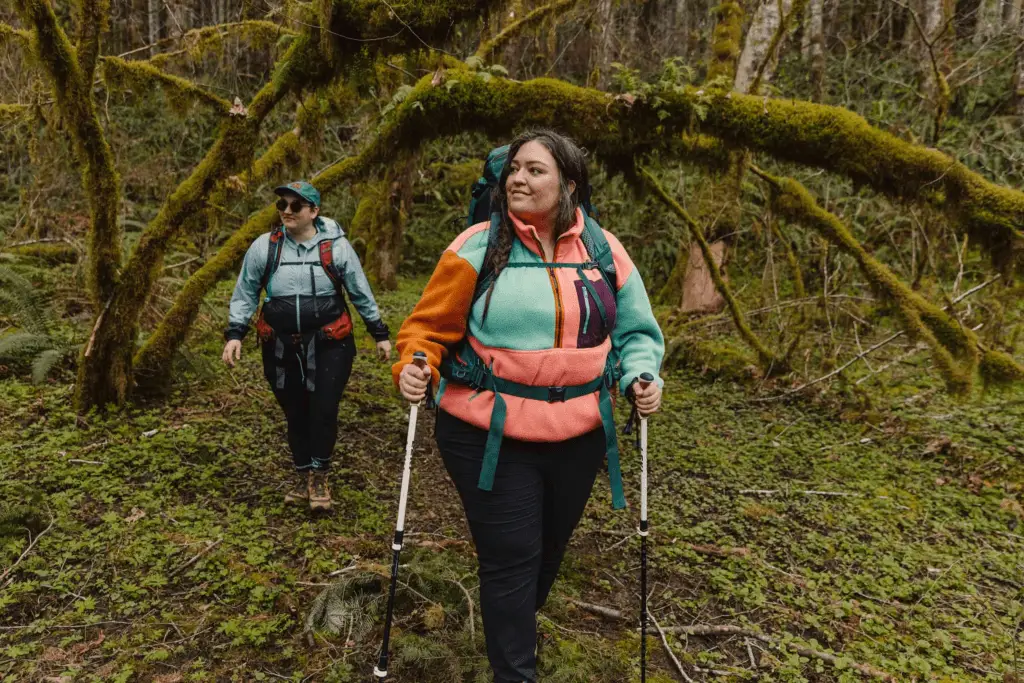
Choosing Your First Trail Without Traumatizing Yourself
Your first hike should not feel like a reality show elimination challenge.
Look for:
- Trails labeled easy
- Minimal elevation gain
- Well-maintained paths
- Distances under 2–3 miles
Flat trails are not “lesser.” They are strategic.
Apps like AllTrails (read reviews!) help you understand terrain, shade coverage, and recent conditions. Early morning or late afternoon hikes also mean cooler temps and fewer crowds.
Pace Yourself Without Apology (Hike Your Own Hike)
“Hike your own hike” is a sacred outdoor mantra and it applies especially here.
You do not owe:
- Speed
- Endurance
- Silence
- Explanation
Slower pacing allows for rest, wildlife sightings, hydration breaks, and joy. If hiking with others, agree on meet-up points. Real friends wait. Jerks can walk ahead alone.
Chafing, Sweat, and Other Real-Talk Comfort Tips
Let’s normalize this conversation.
Chafing happens. Sweat happens. Bodies touch. None of this means you’re doing hiking wrong.
Pro tips:
- Use anti-chafe balm on inner thighs and under arms
- Choose longer shorts or leggings
- Avoid cotton
- Wear moisture-wicking socks
- Break in shoes before a big hike
Comfort is not vanity. It’s injury prevention.
Hydration, Fuel, and Ditching Diet Culture on the Trail
You need water. You need snacks. Full stop.
The National Park Service recommends roughly half a liter of water per hour of hiking, more in heat.
Bring snacks you actually like, trail mix, fruit, granola bars, jerky. Food is fuel, not a reward you earn by suffering.
Safety Basics That Apply to Everyone (Not Just Plus Size Hikers)
Size does not determine risk. Preparation does.
Follow universal hiking safety:
- Tell someone where you’re going
- Carry navigation (offline maps)
- Check weather
- Bring first aid
- Trust your instincts
Turning back is not failure, it’s wisdom.
Confidence Comes After You Start
You don’t wait to feel confident to hike.
You hike and confidence shows up later.
Every step is evidence that your body is capable. Every trail proves that movement does not belong to one size.
Curate your feeds. Follow plus size hikers. Let your visibility, whether loud or quiet, be part of changing what outdoor spaces look like.
The Trail Is Waiting for You
Nature is not asking you to be smaller, faster, or quieter.
It’s asking you to show up.
Your body deserves fresh air, movement, rest breaks, views that make you gasp, and the quiet pride of saying, “I did that.”
So, lace up. Start small. Bring snacks. And take up space on the trail… exactly as you are.
Tell us in the comments: What trail are you curious to try first?