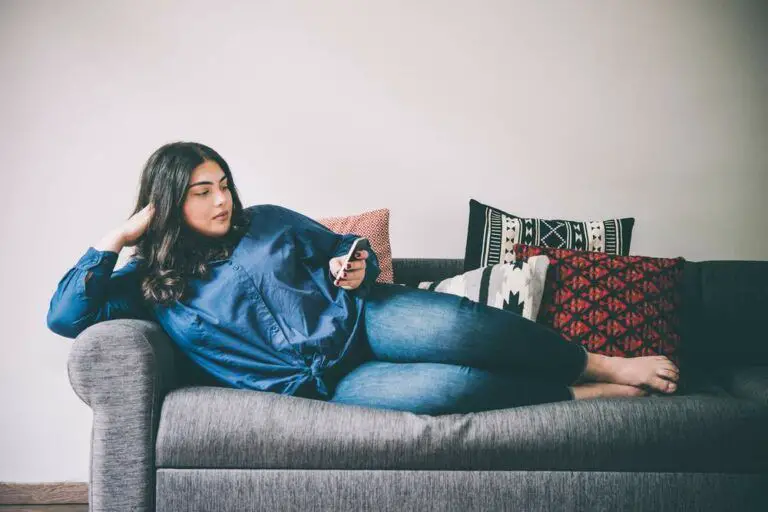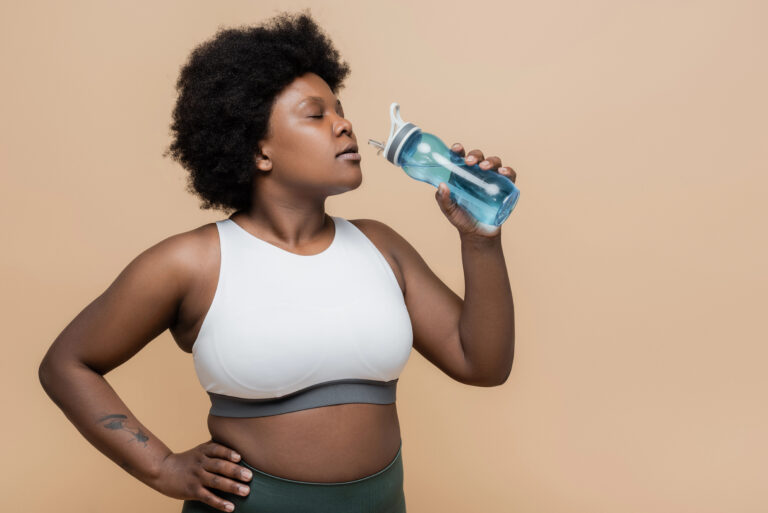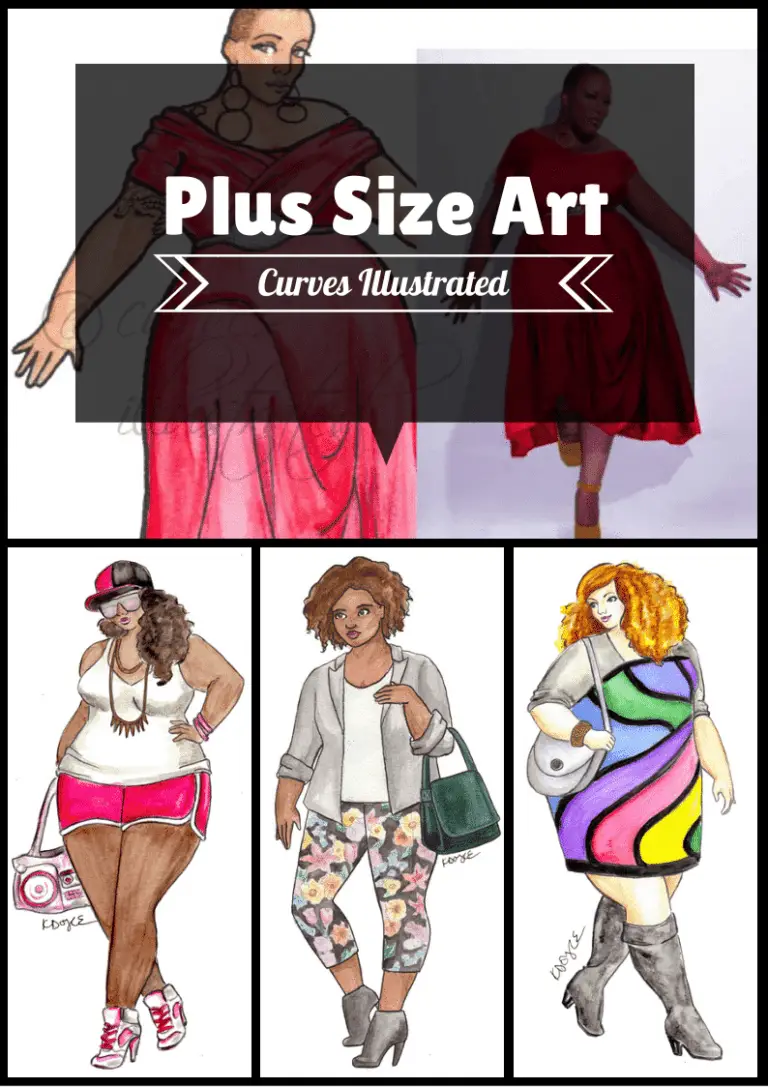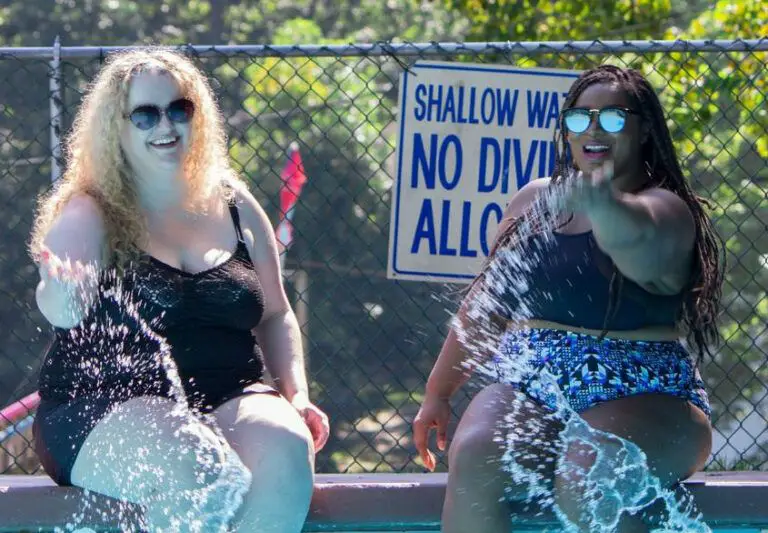
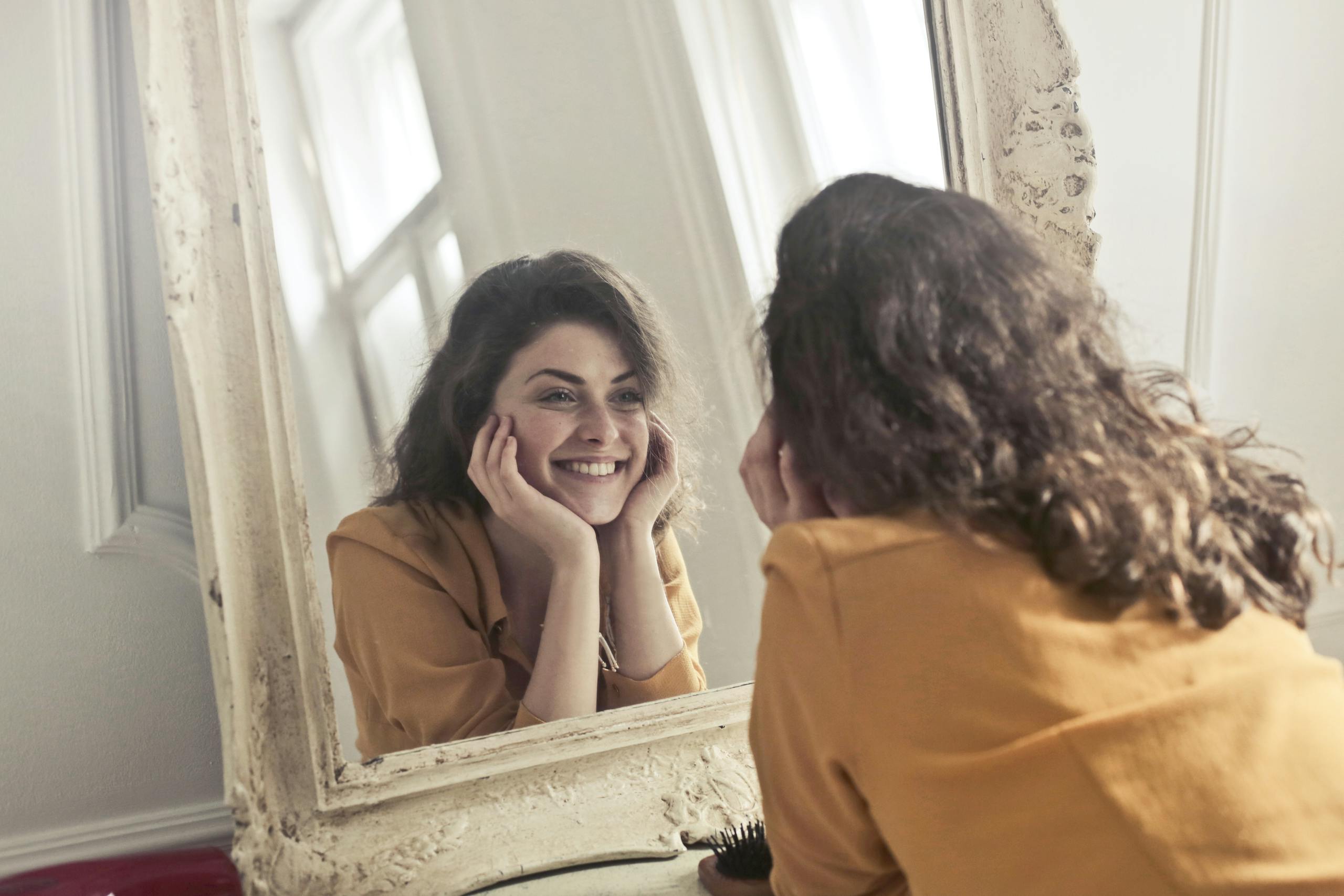
Scrolling past confident plus size influencers can make it feel like everyone else has it all together. Outfits fall perfectly, smiles radiate and confidence seems effortless. Some days, you catch yourself wondering why feeling that way seems impossible.
Here’s a little secret: plus size body positivity isn’t a permanent emotional state. It’s a practice, and practices have highs, lows, and everything in between.
Some mornings feel like a full-on celebration, and other mornings the mirror feels louder than usual. Missing the mark occasionally doesn’t erase progress. It just proves the work is real, honest, and very human.
What Is Body Positivity Imposter Syndrome?

I have had days where I am posting confidently about self-love and then I open my closet and nothing feels right. Suddenly I am questioning myself. Am I faking this?
That is body positivity imposter syndrome. It is the tug-of-war between what you know and what you feel. Even when you intellectually understand that every body is worthy, internalized messages from culture can make you doubt yourself.
I remember one morning I had shared a post about embracing my curves. Later that day I tried on an outfit and felt completely off. I wondered how I could talk about body positivity when I felt this way. That feeling is normal. It does not mean you are failing. It means you are human.
The Pressure to Be “On” All the Time
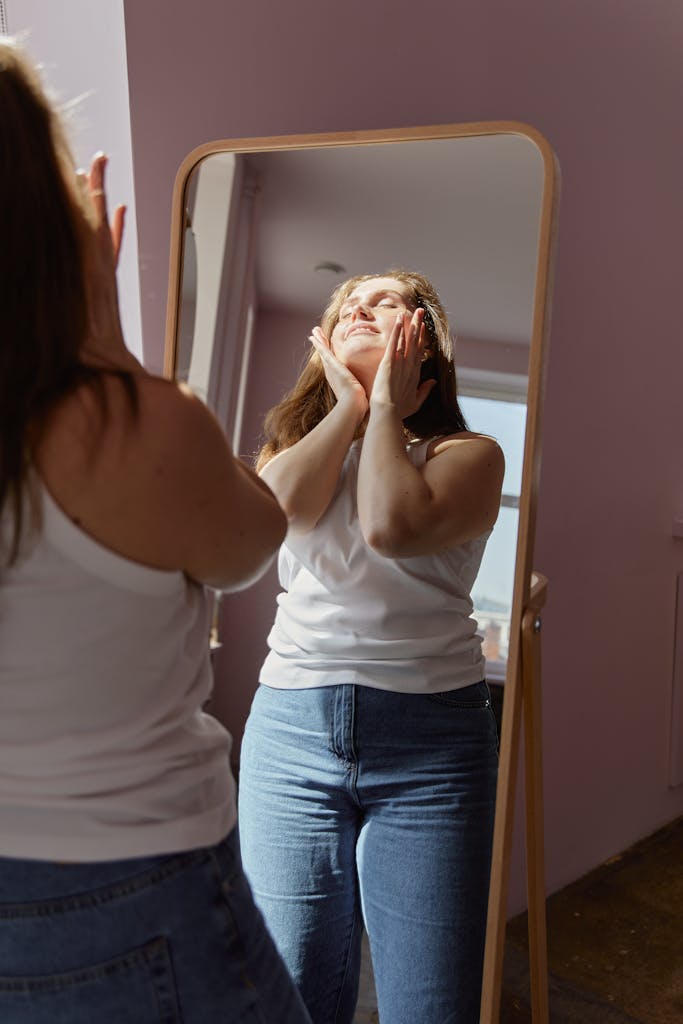
Social media can make confidence feel like a performance. I have shared selfies and gotten messages saying I inspired someone and felt on top of the world. Then on a rough day I hesitate to post at all because I worry showing struggle will let people down.
Scrolling through my feed, I sometimes see other creators posting flawless outfits and radiant smiles. It makes me feel like I should always match that energy. But we are human.
Constantly performing confidence adds stress instead of helping. Real connection comes from showing both wins and struggles. When I post honestly about a day I am not feeling myself, the responses feel more authentic and remind me I am not alone.
Bad Days Are Part of the Human Experience

Some mornings I genuinely like what I see in the mirror. Other mornings it feels like my body is working against me. Stress, lack of sleep, or a tough commute can throw me off. Feeling off does not erase the work you have done.
I have had mornings where I felt completely disconnected from my body. I felt frustrated and thought it erased all my work on self-love. Then I reminded myself it is okay for belief and emotion to be on different timelines.
Feelings fluctuate. Bad days are part of the process. They are not failures. They are opportunities to practice patience and self-compassion.
Neutrality as a Valid Middle Ground
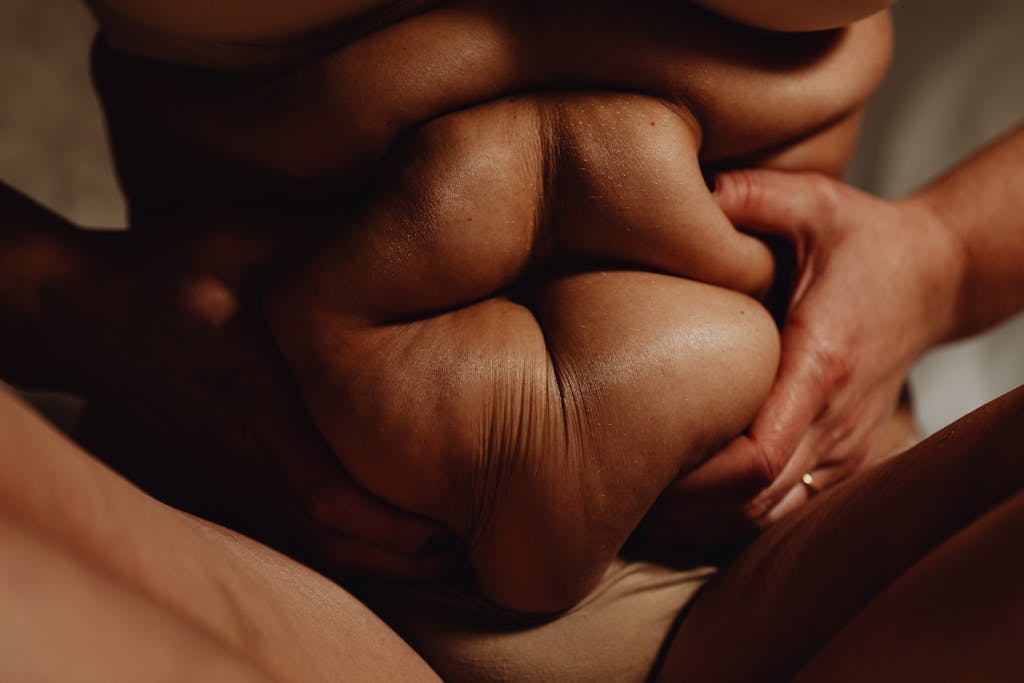
Not every day has to be a love-fest. Some mornings I aim for neutrality. I am not loving my body, I am not hating it, I am just letting it be. This can be freeing.
Acknowledgment rather than celebration can be enough when self-love feels out of reach.
On days when I feel neutral, I focus on what my body allows me to do. It carries me through work, walks, dancing, and hugs.
Neutrality can feel like permission to exist without judgment. It is sometimes exactly what I need to reset and regroup.
The Role of External Factors
A comment on TikTok, a bad photo or seeing an ideal body type can knock me off balance. Recognizing what triggers me has been key. Awareness does not make you weak. It helps you recover faster and protect your mental space.
I remember a friend made a casual comment on my outfit. It stuck with me for days and made me question my confidence.
Identifying triggers allows me to make choices. I can unfollow accounts that spark comparison, remind myself of my values, and focus on people and things that uplift me.
Progress Isn’t Always Linear
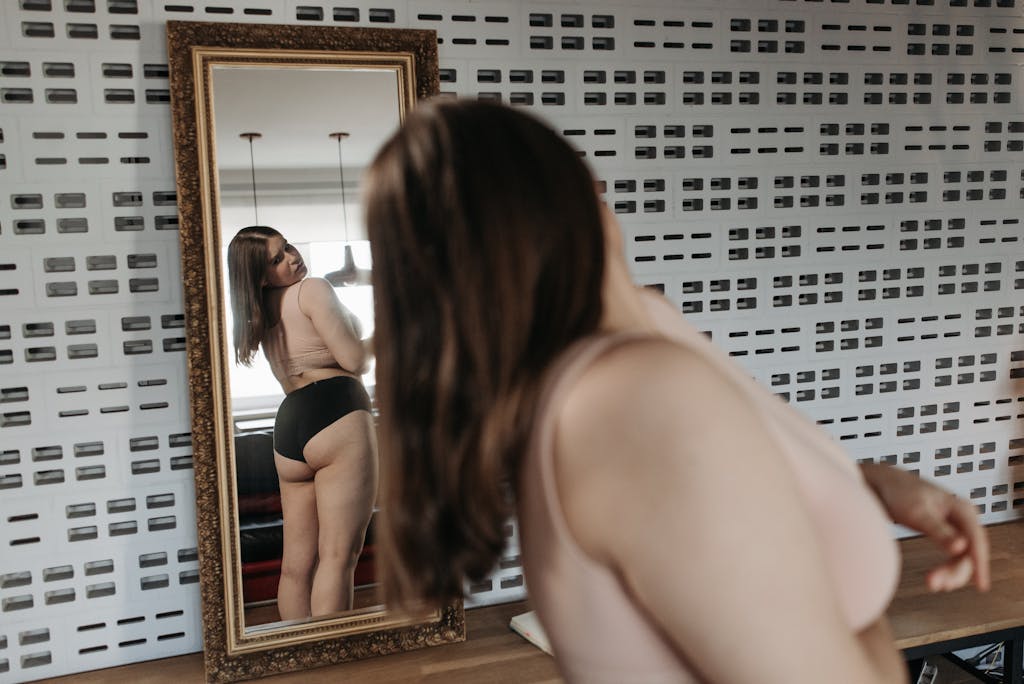
The path to body acceptance looks more like a tangled ball of yarn than a straight line. You’ll make progress, slide backward, have breakthroughs, face setbacks, and sometimes feel like you’re starting from scratch. That’s completely normal and expected.
Some weeks you’ll feel unstoppable, ready to challenge every beauty standard. Other weeks you’ll struggle to get dressed without a meltdown. Neither phase defines your entire journey or determines your destination.
Growth happens in spirals, not straight lines. You might revisit old insecurities, but each time you do, you bring new tools and perspectives that weren’t available before. Every cycle through teaches you something, even when it doesn’t feel like progress in the moment.
Self-Compassion as the Real Goal
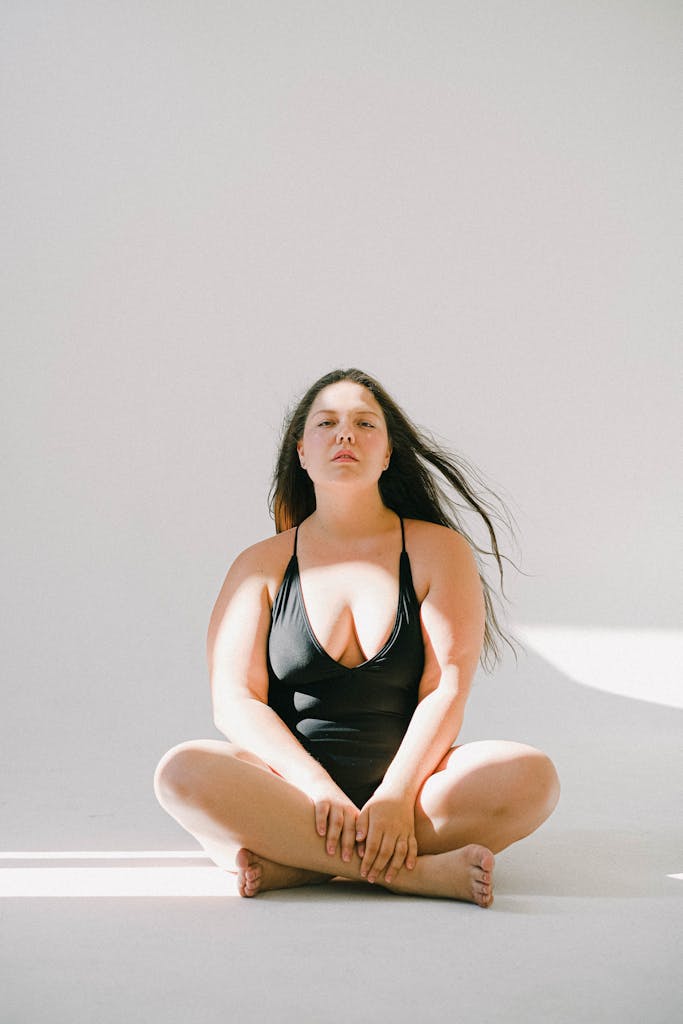
I have realized it is less about loving every inch of myself all the time and more about treating myself kindly. When a bad day hits, I ask, “What do I need right now?” instead of, “Why can’t I get this right?”
I try to speak to myself the way I would speak to a friend. If I slip up, eat emotionally, or feel insecure, I remind myself that one day does not undo progress.
Self-compassion is noticing your humanity and giving yourself space to feel instead of judging or fixing it immediately. It is the resilience that keeps me moving forward even on rough days.
Building a Realistic Body Positive Practice
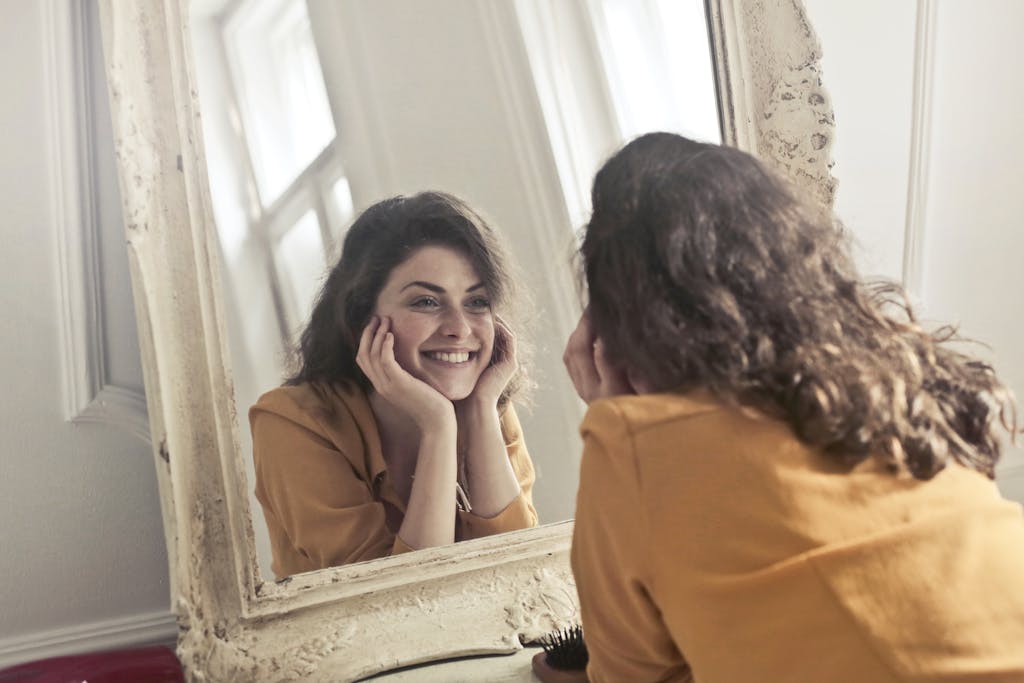
A realistic practice accounts for bad days. I avoid triggering content, speak kindly to myself, and lean on friends who understand.
The goal is not a constant highlight reel. It is a relationship with your body that can handle emotional storms.For me, routines matter.
I might journal about a moment I felt proud, practice affirmations, or choose an outfit that makes me feel comfortable. These practices are small but consistent. They work whether I have a confident day or a low-energy day. The point is sustainability, not perfection.
What to Do When You’re Having a Bad Day
- Acknowledge your feelings instead of rushing to fix them. Sometimes just saying, “I am having a tough body image day” is enough.
- Limit social media, even positive content. Seeing others’ highlight reels can make you feel worse.
- Talk to someone who understands. Naming your struggle reduces its power and reminds you that you are not alone.
You’re Not Failing at Body Positivity
Struggling does not mean failure. Even influencers you admire have off days. The fact that you notice and reflect shows commitment, not inadequacy. I have had weeks where I felt disconnected from my body and still kept showing up for myself. That is real work. That is body positivity..
Redefining What Success Looks Like
Success is not always loving your body every day. It can be recovering faster, speaking to yourself more kindly, or spotting triggers sooner. Your journey is yours. Stop comparing your chapter three to someone else’s chapter thirty. Those off days make you real. They make this conversation richer.
Body positivity with all its contradictions and challenges is still worth pursuing. The bad days don’t disqualify you from the movement – they make you a more genuine part of it. Your struggles are valid, your feelings are real, and your humanity is exactly what this conversation needs more of. What are your thoughts on navigating the tough days? We’d love to hear your experiences.