
Have you ever closed an app and just sat there like… why do I feel worse than when I opened it?
That low level dread. The sudden self-doubt. The heaviness that sneaks in after “just five minutes” of scrolling. I kept noticing it too, and after digging a little deeper, I realized something important.
Your social media feed is not neutral.
It is an environment. And like any environment, it either supports your well-being or slowly drains it.
When I started researching digital detox for mental health, I learned I was not imagining this. A study published in Cyberpsychology, Behavior, and Social Networking found that limiting social media use led to significant reductions in anxiety and depression, along with improved sleep quality.
Even small breaks made a measurable difference.
That was my confirmation. The issue was not me. It was my feed.
So, let us talk about the ten digital toxins that deserve an immediate unfollow and why protecting your peace is not petty. It is powerful.
1. The Comparison Trap Curator
You know the account. Perfect vacations. Perfect homes. Perfect bodies. Perfect lives that somehow never include laundry piles or emotional breakdowns.
You are not alone in feeling the emotional hangover from comparison scrolling.

Researchers studying social media and body image found a clear link between online comparison and increased body dissatisfaction and depressive symptoms, particularly among women. In one major review published in Body Image, nearly half of adolescents reported feeling worse about their bodies after using social platforms.
That heavy feeling is not jealousy. It is erosion.
If someone’s highlight reel makes your real life feel smaller, that account is not inspiring you. It is exhausting you.
2. The Toxic Positivity Peddler
“Good vibes only” sounds cute until you are having a very real human day.

Psychologists have been clear that suppressing negative emotions does not lead to healing. It leads to emotional exhaustion. Dr. Susan David, psychologist and author of Emotional Agility, explains it plainly:
“Denying negative emotions intensifies them. Acceptance, not forced positivity, is what allows people to process and move forward.”
If an account makes you feel guilty for being tired, sad, frustrated, or simply human, it is not wellness. It is pressure.
Unfollow accordingly.
3. The Fear Mongering “Wellness” Influencer
Everything is suddenly toxic. Your shampoo. Your food. Your lifestyle. Your stress level.
While digging into this, I found that public health experts have repeatedly warned that fear-based wellness content spreads misinformation and anxiety, not safety. Immunologist Dr. Andrea Love has spoken extensively about this, noting:
“The word ‘chemical’ is meaningless without understanding exposure and dose. Everything, including water, can be toxic under the wrong conditions.”
If an account makes you afraid instead of informed, it is selling panic, not health.
4. The Drama Amplifier
Some feeds thrive on chaos. Rage bait. Outrage headlines. Constant conflict.
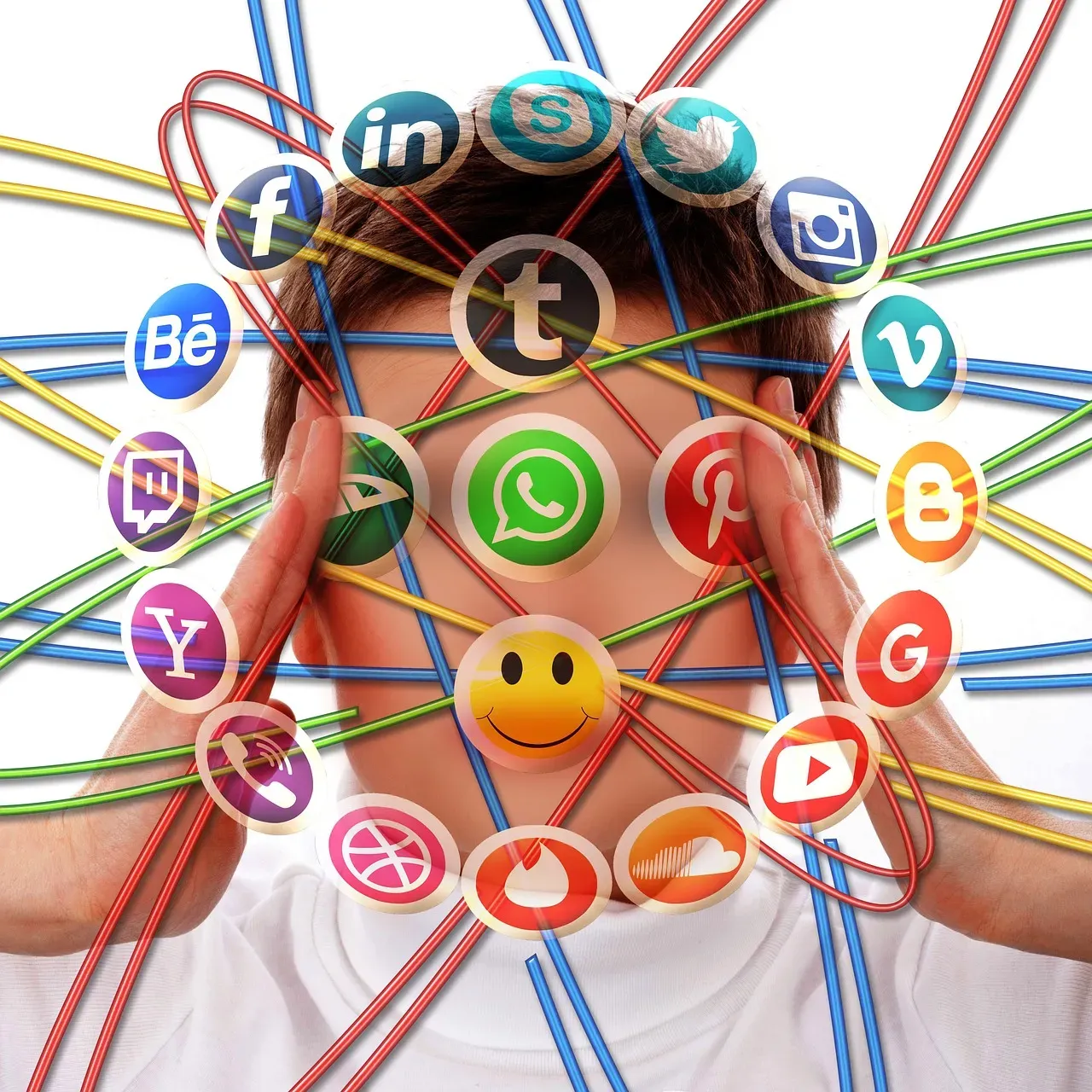
Research on emotional contagion shows that repeated exposure to negative content activates stress responses even when we are not directly involved. A well-known study published in Proceedings of the National Academy of Sciences demonstrated that emotions spread through social networks and directly impact users’ mood and stress levels.
If an account keeps your nervous system on high alert, that is your sign.
Peace is not boring. It is regulated.
5. The Relentless Oversharer
Sharing is one thing. Digital noise is another.
Psychologists often compare digital clutter to physical clutter. Too much information creates cognitive overload, which increases stress and mental fatigue. You do not need minute by minute updates on someone else’s life.
Your attention span deserves respect.
6. The Stealth Humble Bragger
The complaint that is actually a flex. The “I’m so exhausted from my third international trip this month” energy.

It is subtle, but your body notices. If an account consistently makes you feel smaller while pretending to be relatable, trust your instincts.
Manipulation does not always announce itself.
7. The Perpetual Victim
We all go through hard seasons. But some accounts exist in a constant state of crisis with no movement toward healing.
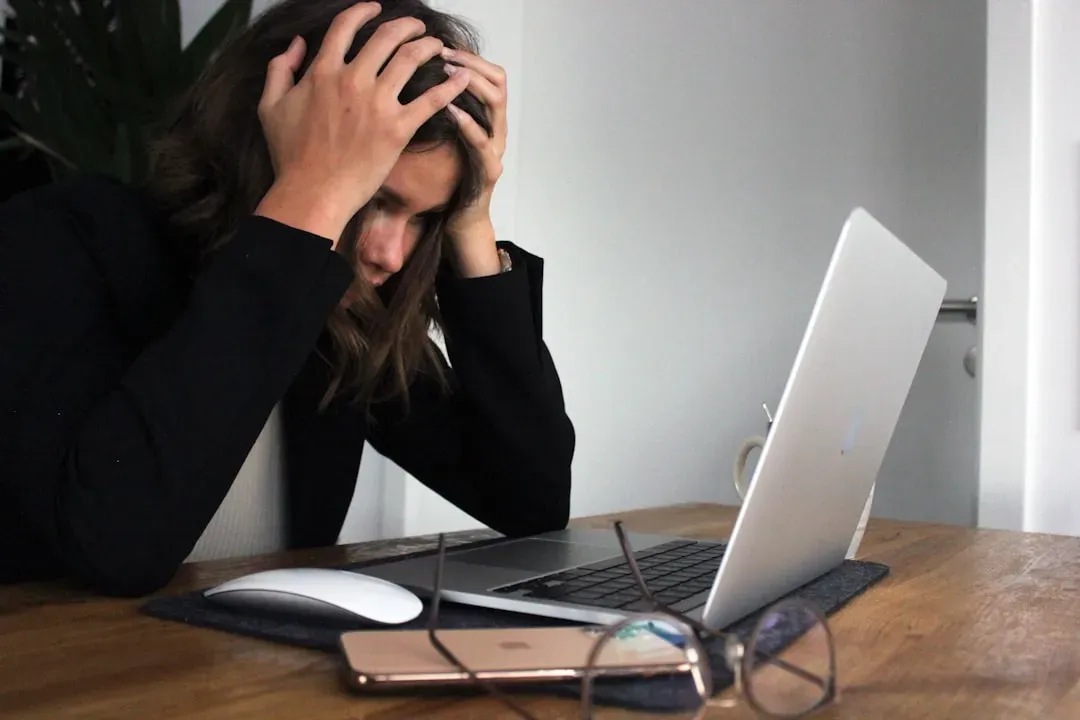
Mental health professionals often warn about compassion fatigue, the emotional depletion that comes from repeated exposure to distress. You cannot pour from an empty cup, digitally or otherwise.
Stepping back is not cruel. It is necessary.
8. The Controversial Contrarian
Their entire personality is disagreement.
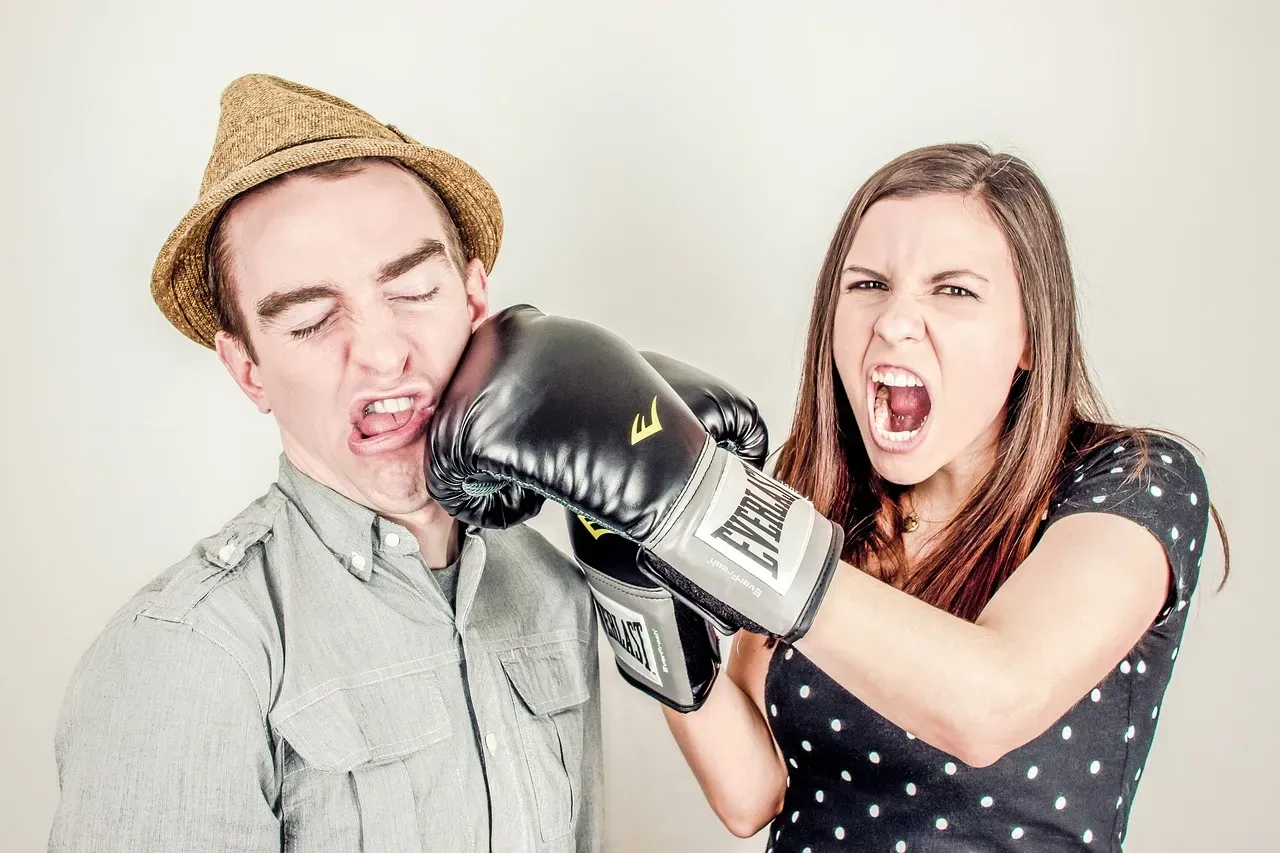
Every post is designed to provoke. Every comment section is a battlefield. Research consistently links ongoing digital conflict to increased anxiety and emotional stress.
You are allowed to disagree without subscribing to the chaos.
Unfollow and preserve your peace.
9. The Obsessive Self Improvement Hustler
Wake up earlier. Do more. Rest less. Optimize everything.
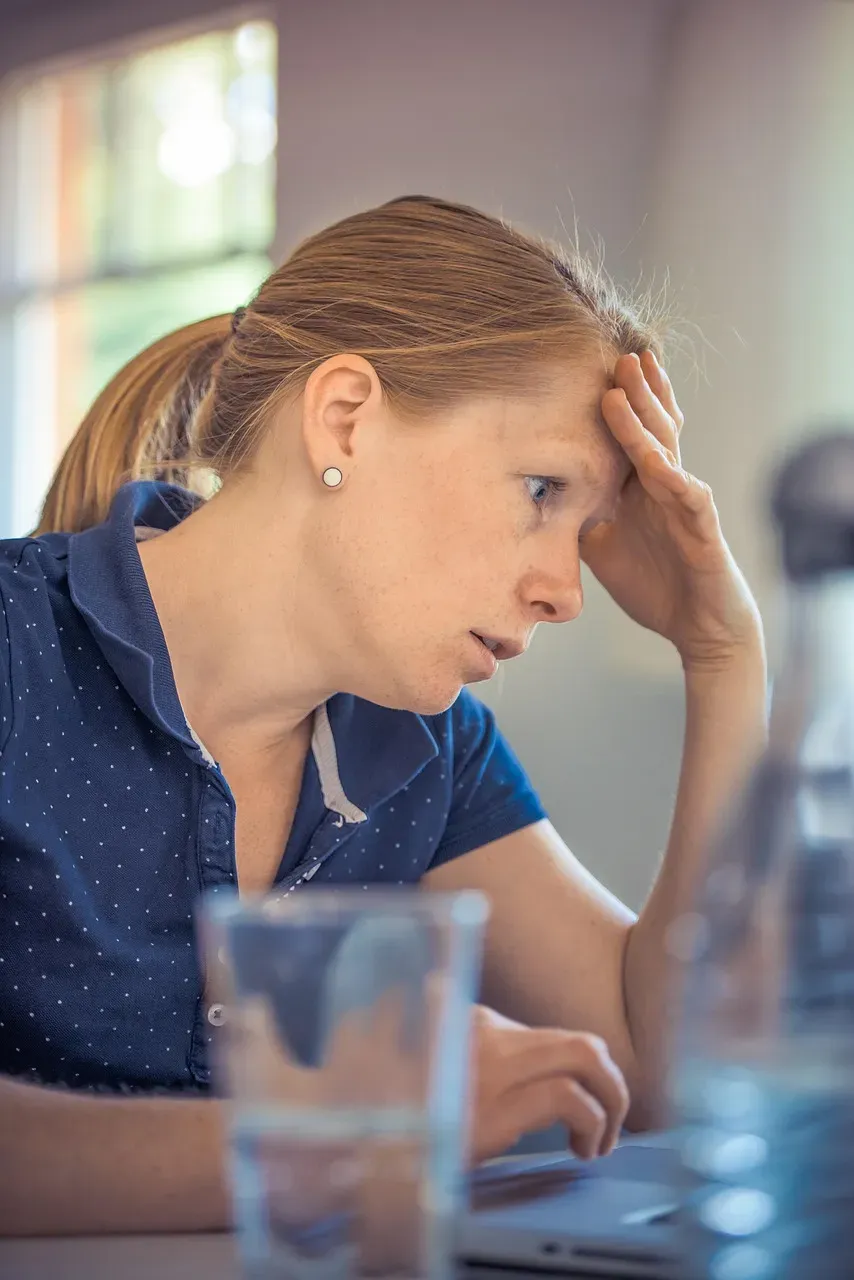
Burnout researchers have been sounding the alarm for years. Dr. Christina Maslach, a leading burnout expert, explains it clearly:
“Burnout is not a personal failure. It is a response to chronic stress and unrealistic expectations.”
If an account turns rest into laziness and healing into a performance, it is not helping you grow. It is teaching you to feel guilty.
10. The Former Friend You Are Digitally Stalking
Let us be honest. You are not checking their page because it brings you peace.
The APA has noted that limiting exposure to emotionally triggering content reduces rumination and emotional overload. Closure does not come from surveillance. It comes from boundaries.
Unfollowing is not hostility. It is self-preservation.
Reclaiming Your Digital Space
Here is the truth. You do not owe anyone your attention.
Research consistently shows that a digital detox for mental health improves mood, reduces anxiety, and supports better sleep. That is not a trend. That is your nervous system thanking you.
Start small. One unfollow. Then another. Pay attention to how your body responds. Relief is data.
Curate your feed like you curate your home. You would not hang art that made you feel terrible every day. Your mind deserves the same intention.
Choosing peace over the scroll is not dramatic.
It is powerful.
And if you ever change your mind, you can always follow again. The power stays with you.
Now be honest. Which digital toxin is getting unfollowed first?