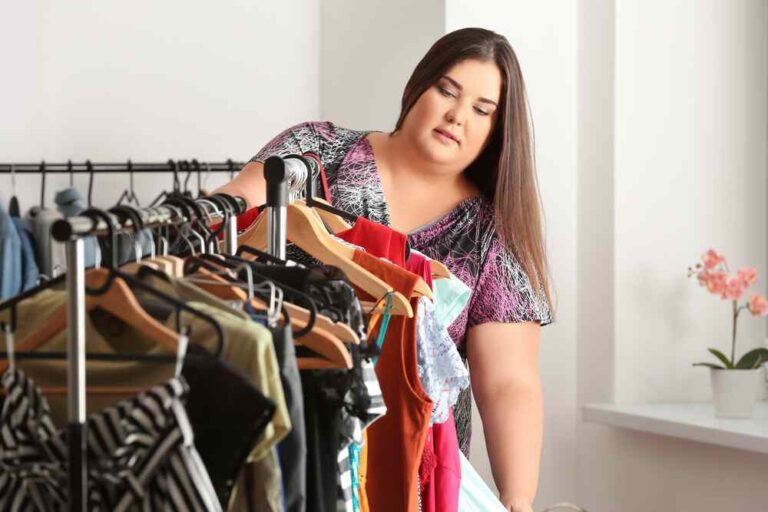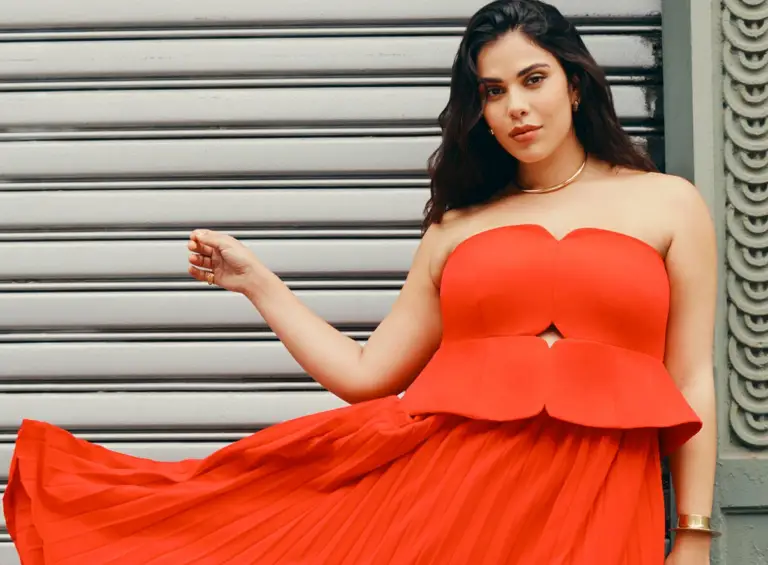
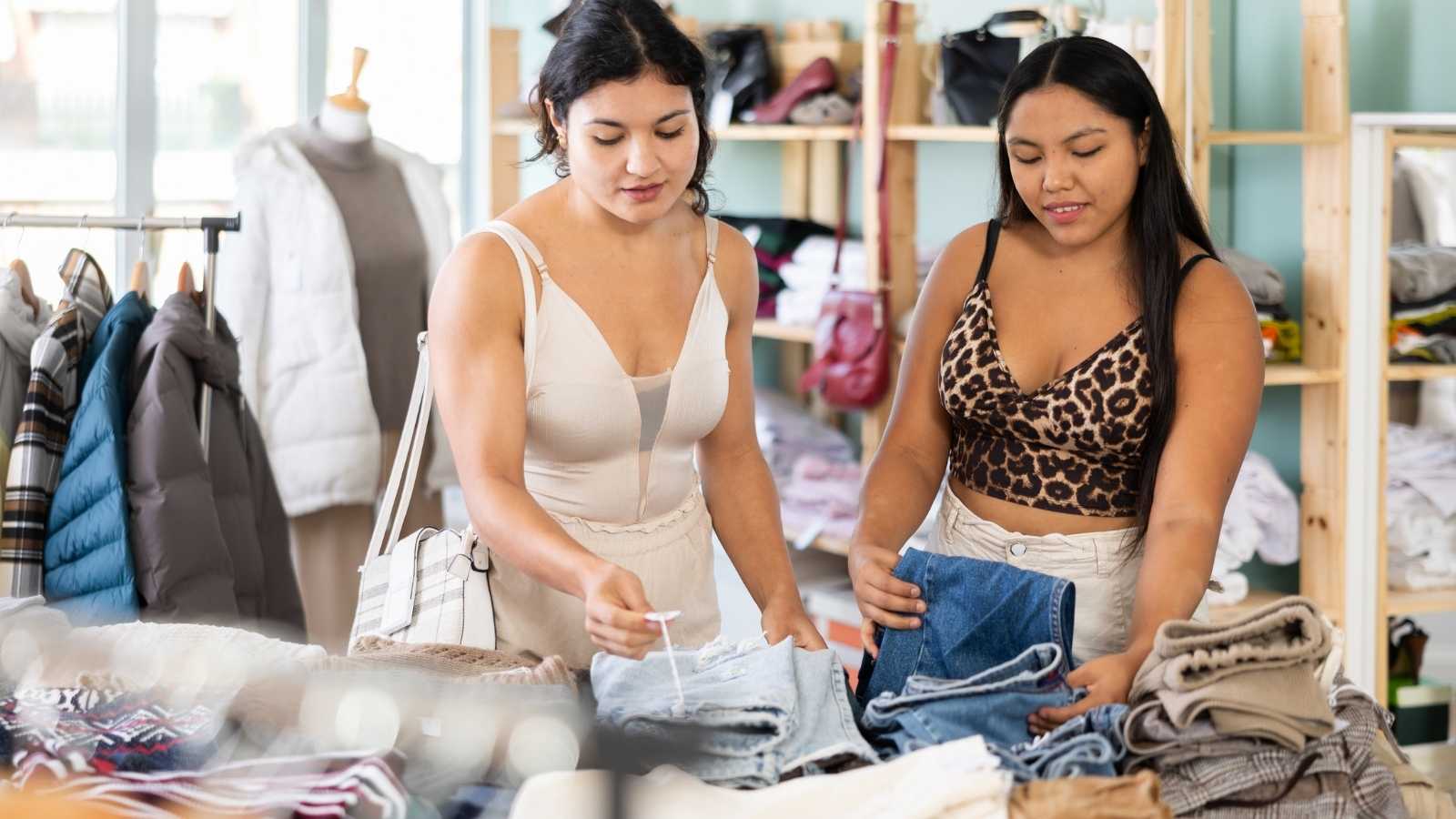
For years, shopping for clothes has often meant buying new pieces whenever trends changed, or a wardrobe refresh felt necessary. But as apparel prices continue to rise, many consumers are starting to rethink whether every fashion choice needs to involve purchasing something brand new.
A 2026 tariff guide by TariffTax.org estimates that a basic imported cotton T-shirt now faces a combined U.S. duty rate of 47.7%, potentially raising a $15 shirt to about $22.18 at retail if the full tariff cost is passed on to shoppers.
As clothing becomes more expensive, rental and resale platforms are giving consumers new ways to access fashion without paying full retail prices every time. From designer pieces to everyday wardrobe staples, these alternatives are helping shoppers build more flexible wardrobes while discovering smarter ways to shop.
Poshmark Turns Unused Clothing Into New Fashion Possibilities

Many closets contain clothing that is still in excellent condition but no longer fits a person’s lifestyle, preferences, or daily routine. Resale platforms like Poshmark have created opportunities for shoppers to sell these pieces while helping others discover affordable fashion.
Unlike traditional consignment stores, Poshmark makes it easy to list clothing, connect with buyers, and give pre-owned pieces a second life. The platform encourages a circular approach to fashion, allowing shoppers to refresh their wardrobes while extending the lifespan of quality garments.
Selling clothing can also influence how people think about future purchases. When consumers recognize that quality pieces can maintain value, they may become more selective about what they buy and focus on items they genuinely enjoy wearing.
ThredUp Is Helping Secondhand Shopping Become More Mainstream

Secondhand fashion has transformed from a niche shopping habit into a major part of the modern retail conversation. Online resale platforms have made it easier for shoppers to find specific brands, sizes, and styles without the uncertainty that often comes with traditional thrift shopping.
A Bleckmann secondhand fashion report found that U.S. resale apparel sales grew 14% in 2024, five times faster than the wider clothing retail industry. The report also noted that online resale alone increased 23% during the same year.
Platforms like ThredUp show how resale can help shoppers make more intentional fashion decisions. Instead of constantly buying new items, consumers can discover quality pieces, experiment with personal style, and create wardrobes that feel unique while reducing unnecessary spending.
Rent the Runway Gives Shoppers Access to Fashion Without Full Ownership
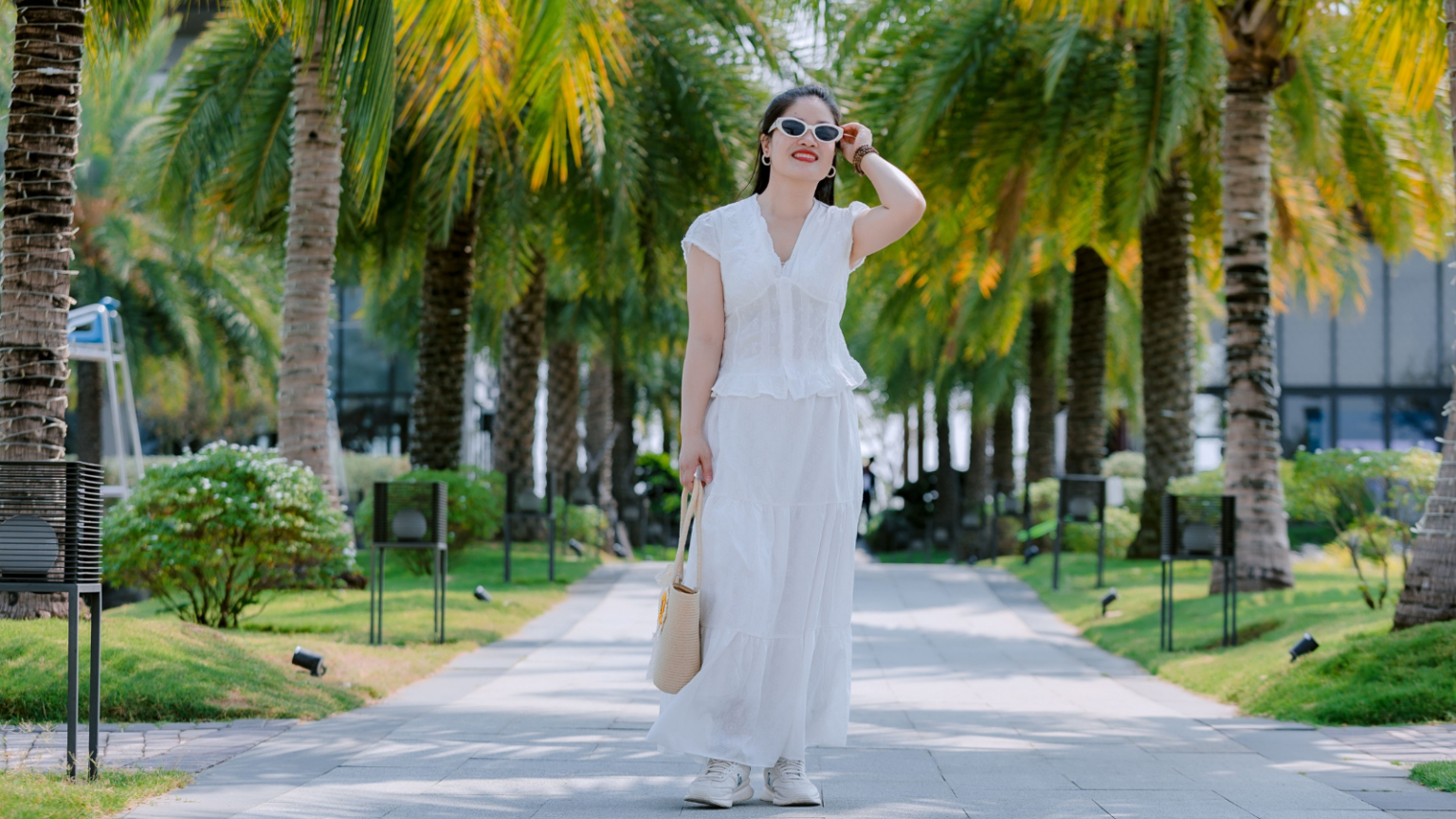
Not every clothing purchase is meant to become a permanent wardrobe staple. Many shoppers need outfits for specific moments, including weddings, vacations, celebrations, and professional events, but buying something new for every occasion can quickly become expensive.
According to CivicScience consumer data, 17% of U.S. adults say they have used a clothing rental service. In comparison, another 10% have not yet used one but plan to, meaning more than one in four adults are current or potential users.
Rental services allow consumers to enjoy fashion variety without accumulating pieces they may only wear once. Renting offers a way to explore style while keeping spending and closet space in check, whether someone needs a standout dress or a special event look.
The RealReal Is Changing How Consumers Approach Luxury Fashion
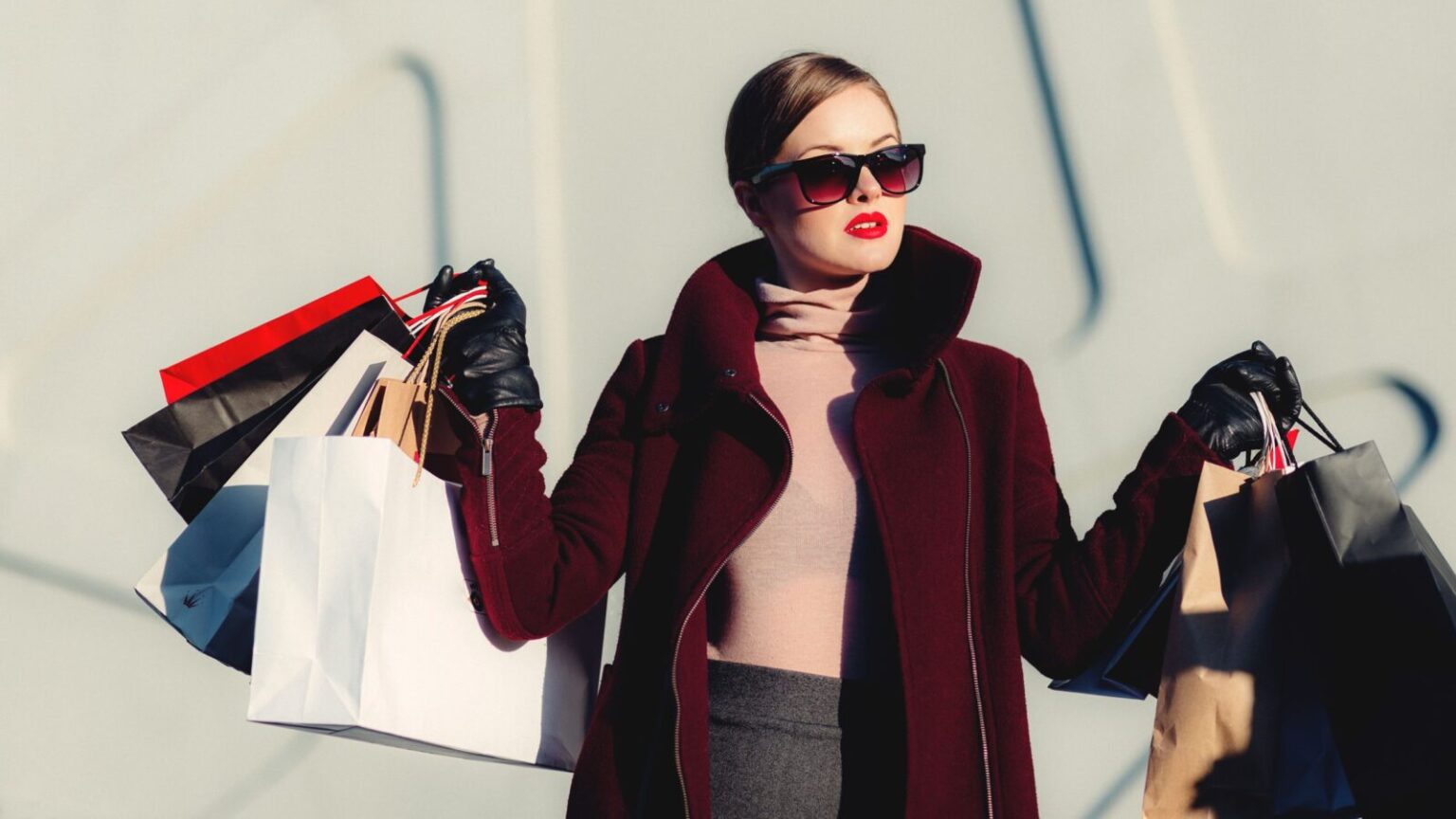
Luxury fashion has traditionally been connected with exclusivity, craftsmanship, and high prices. However, resale platforms are changing the way consumers access designer clothing by creating opportunities to purchase premium pieces at more affordable prices.
A McKinsey and Business of Fashion report found that online resale marketplaces accounted for 88% of U.S. resale spending in 2024, making digital platforms the leading channel for secondhand purchases.
The RealReal represents a broader shift in how shoppers view luxury. Instead of focusing only on buying the newest collections, consumers are increasingly looking for timeless pieces, better value, and fashion choices that feel more thoughtful and personal.
Nuuly Helps Shoppers Experiment With Style Without Overbuying
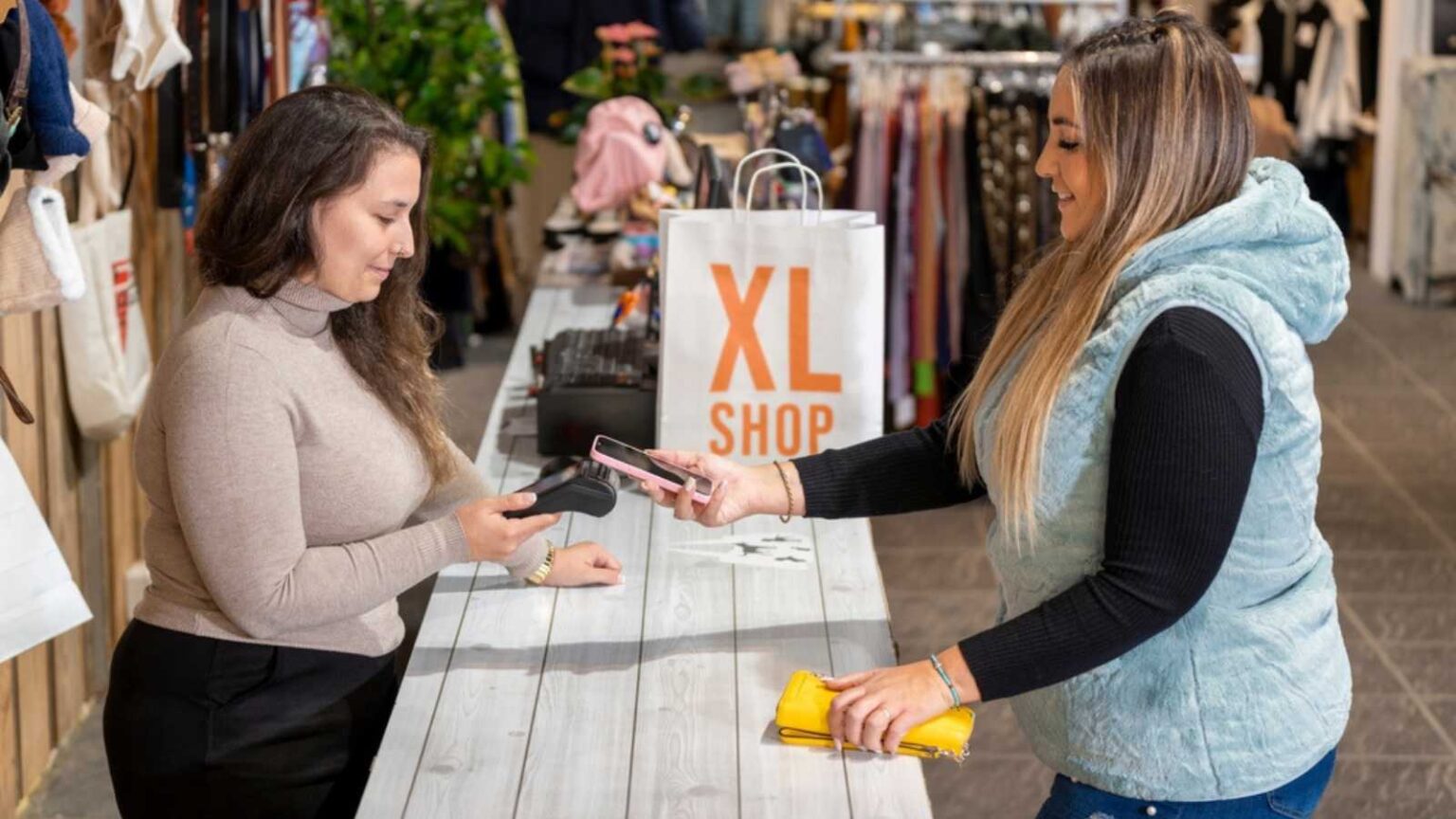
Many fashion lovers enjoy discovering new trends but do not always want every new piece to become a permanent part of their wardrobe. Rental subscriptions like Nuuly are changing how consumers approach clothing by allowing them to rotate through different styles without constantly adding more items to their closets.
A TechSci Research market forecast projects that the U.S. online clothing rental market will grow from $665.78 million in 2025 to $5.02 billion by 2031, representing an estimated compound annual growth rate of about 40%.
Rental services give shoppers more freedom to explore fashion without feeling pressured to own everything they wear. They allow people to test new silhouettes, colors, and aesthetics while creating a wardrobe approach that prioritizes flexibility, creativity, and intentional choices.
Depop Helps Consumers Build More Personal Style
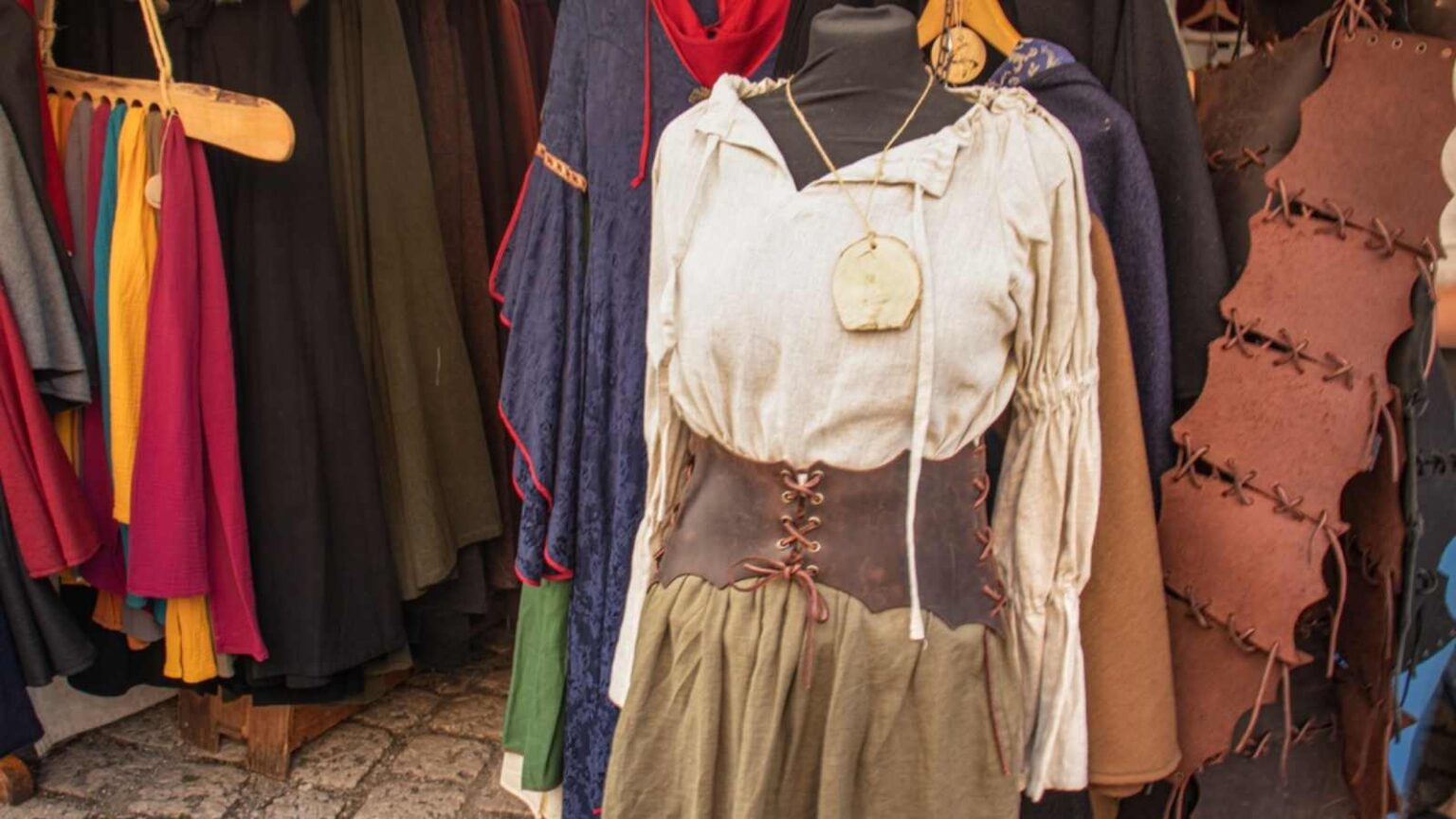
Fashion is increasingly becoming a form of personal storytelling. Many shoppers are looking beyond traditional retail collections and searching for outfits that feel unique, creative, and reflective of their individual personalities.
Unlike traditional online retailers, Depop thrives on individuality. Its marketplace is filled with vintage finds, independent sellers, and one-of-a-kind pieces that encourage shoppers to build wardrobes based on personal taste rather than fast-moving trend cycles.
Platforms like Depop appeal to consumers who want fashion that feels less predictable. Finding vintage pieces, rare styles, or unexpected combinations can make getting dressed feel more creative and enjoyable. For many people, wearing clothing that reflects who they are can positively support confidence.
Vestiaire Collective Brings Luxury Fashion Into the Resale Market
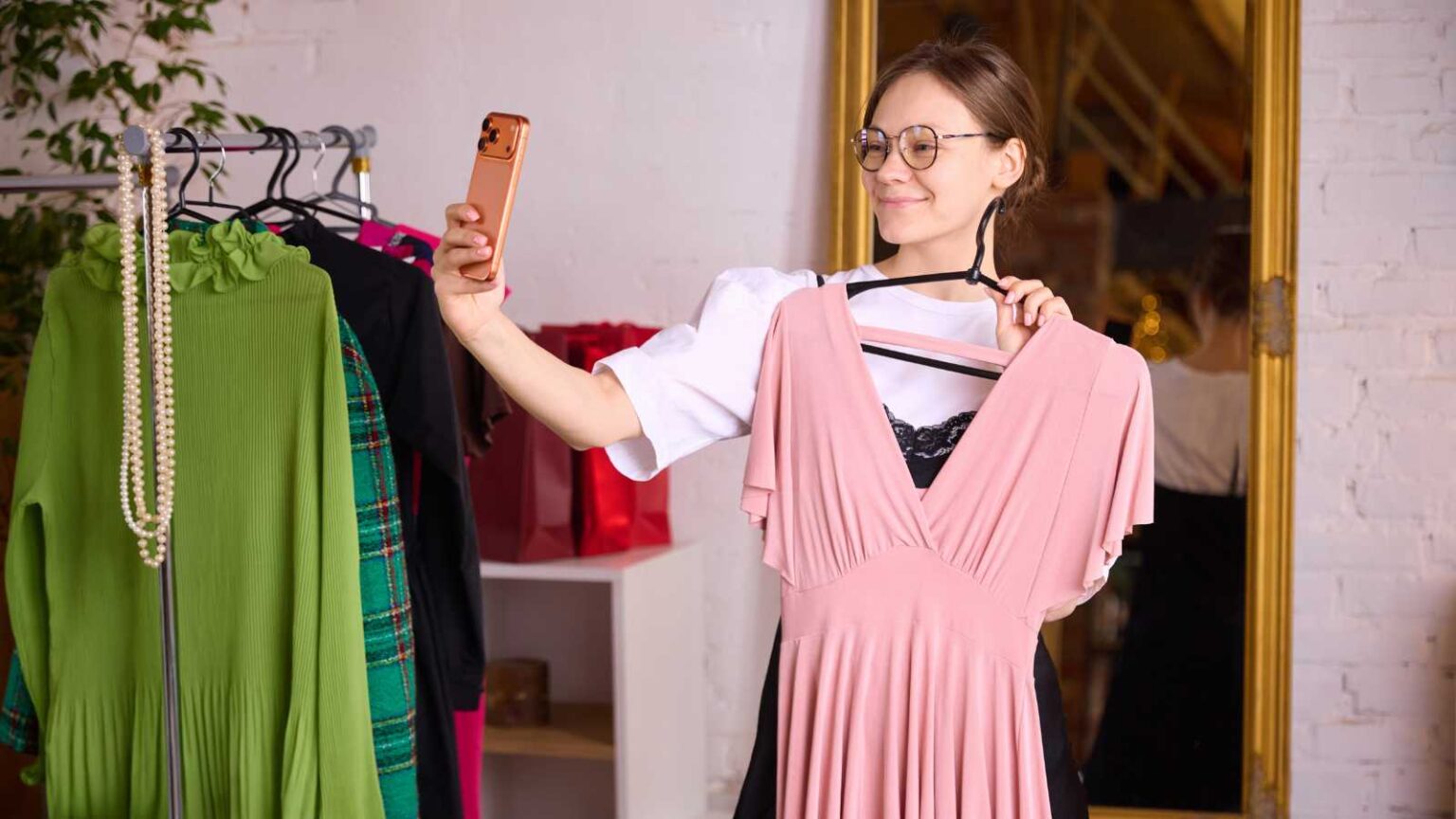
For shoppers who want designer fashion without paying full retail prices, Vestiaire Collective offers access to a global marketplace of pre-owned luxury pieces. The platform allows consumers to discover authenticated handbags, shoes, clothing, and accessories from well-known designers while giving existing fashion items a second life.
Luxury resale continues to attract shoppers who want more value from their purchases. Vestiaire Collective appeals to consumers who see fashion as an investment and prefer finding unique pieces rather than buying the newest collection every season. The platform also makes it easier to explore premium styles at different price points.
For many shoppers, resale creates more freedom when building a wardrobe. Whether someone is searching for a designer jacket, a statement accessory, or a plus-size outfit from a luxury brand that may be harder to find elsewhere, platforms like Vestiaire Collective expand access to fashion while encouraging more intentional shopping.
Key Takeaways

Rising clothing prices are encouraging consumers to rethink how they shop and build their wardrobes.
Rental and resale platforms offer new ways to enjoy fashion while spending more intentionally and reducing unnecessary purchases.
The future of style may be less about owning more clothes and more about choosing pieces that provide value, confidence, and flexibility.
Disclaimer: This list is solely the author’s opinion based on research and publicly available information. It is not intended to be professional advice.
Like our content? Be sure to follow us
MORE TCF GAMES