

For decades, the fitness industry has been running the same tired script on repeat. Move your body to shrink it. Sweat to earn food. Exercise until your jeans fit differently. And honestly? We are exhausted.
Somewhere along the way, movement stopped being about feeling good and started feeling like punishment for existing in a body. Enter joyful movement, the radical idea that exercise can support your health, mood, and quality of life without chasing weight loss like it is a moral obligation.
Joyful movement flips the entire narrative. Instead of asking what movement will make you smaller, it asks what movement will make you feel more alive. Instead of measuring success by the scale, it measures it by energy, strength, confidence, and sustainability. And spoiler alert, your body is capable of incredible things, whether or not it changes shape.
Let’s Break Up With the Scale Already
The obsession with weight loss has hijacked how many people experience exercise. When movement is framed solely as a means to lose weight, it becomes transactional and joyless. Research shows that people are less likely to stick with physical activity when weight loss is the primary motivator, especially when the scale does not respond as promised.
According to studies published in the Journal of Obesity, weight-focused exercise messaging is associated with lower motivation and higher dropout rates over time.
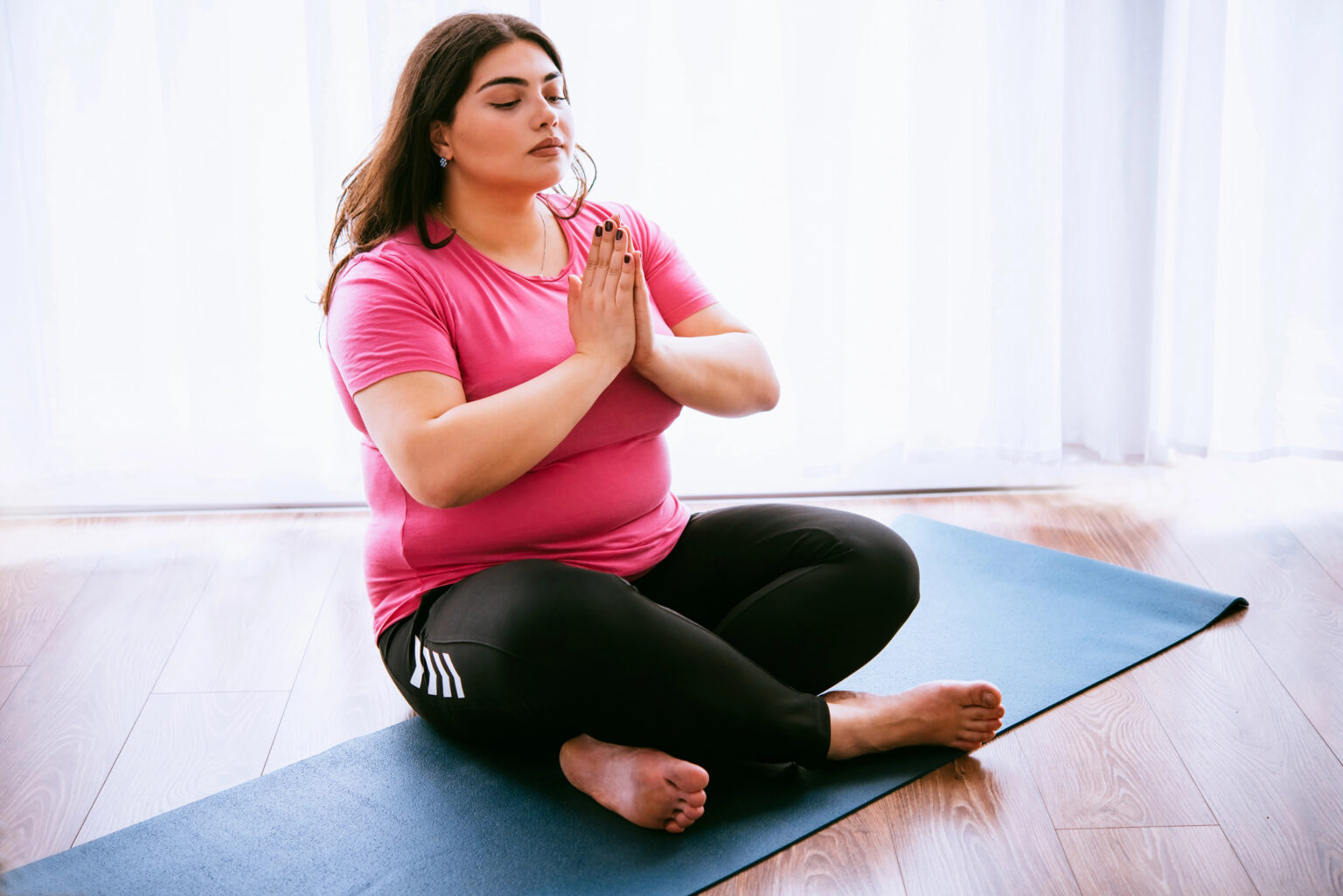
Joyful movement removes the pressure. When weight loss is not the goal, there is no failure when bodies remain the same. Instead, movement becomes a way to support heart health, mobility, mental clarity, and emotional resilience. Your body is not a project. It is a partner.
What Your Body Actually Gets From Moving
Let’s talk benefits, because they are plentiful, and none of them require a smaller clothing size. Regular movement improves cardiovascular health, increases bone density, supports joint mobility, and reduces the risk of chronic conditions like heart disease and type 2 diabetes.
According to the Centers for Disease Control and Prevention, physical activity improves sleep quality, reduces anxiety and depression symptoms, and boosts overall energy levels regardless of weight changes.
Joyful movement also improves functional fitness, which is a fancy way of saying life gets easier. Carrying groceries. Climbing stairs. Standing for longer periods. Playing with kids. Dancing at weddings without needing a recovery nap. These wins matter.
Joy Is the Metric Now
If the thought of running makes you cringe, congratulations, you are human. Joyful movement is not about forcing yourself into workouts you hate because someone on the internet said it burns more calories. It is about finding activities that feel good enough to repeat.
Dance classes, swimming, walking, yoga, strength training, Pilates, hiking, roller skating, and stretching on your living room floor while watching reality TV. All of it counts. The best movement is the movement you want to come back to.
Listening Instead of Punishing
Diet culture taught us to override our bodies. Push harder. Ignore fatigue. No pain, no gain. Joyful movement asks you to listen instead. Some days your body wants intensity. Some days it wants rest. Some days it wants gentle stretching and fresh air.
Rest is not quitting. Rest is part of the process. According to the American Council on Exercise, recovery is essential for muscle repair, nervous system regulation, and long-term consistency. Your body does not need to be conquered. It needs collaboration.
Sustainable Beats Extreme Every Time
Consistency will always outperform intensity. A 20-minute walk you enjoy three times a week is far more beneficial than a brutal workout you abandon after two weeks. Joyful movement encourages realistic routines that fit real lives, not fantasy schedules designed for influencers with unlimited time.
Start smaller than your ego wants to. Build slowly. Let your body adapt. Sustainable movement is not impressive on Instagram, but it works in real life.
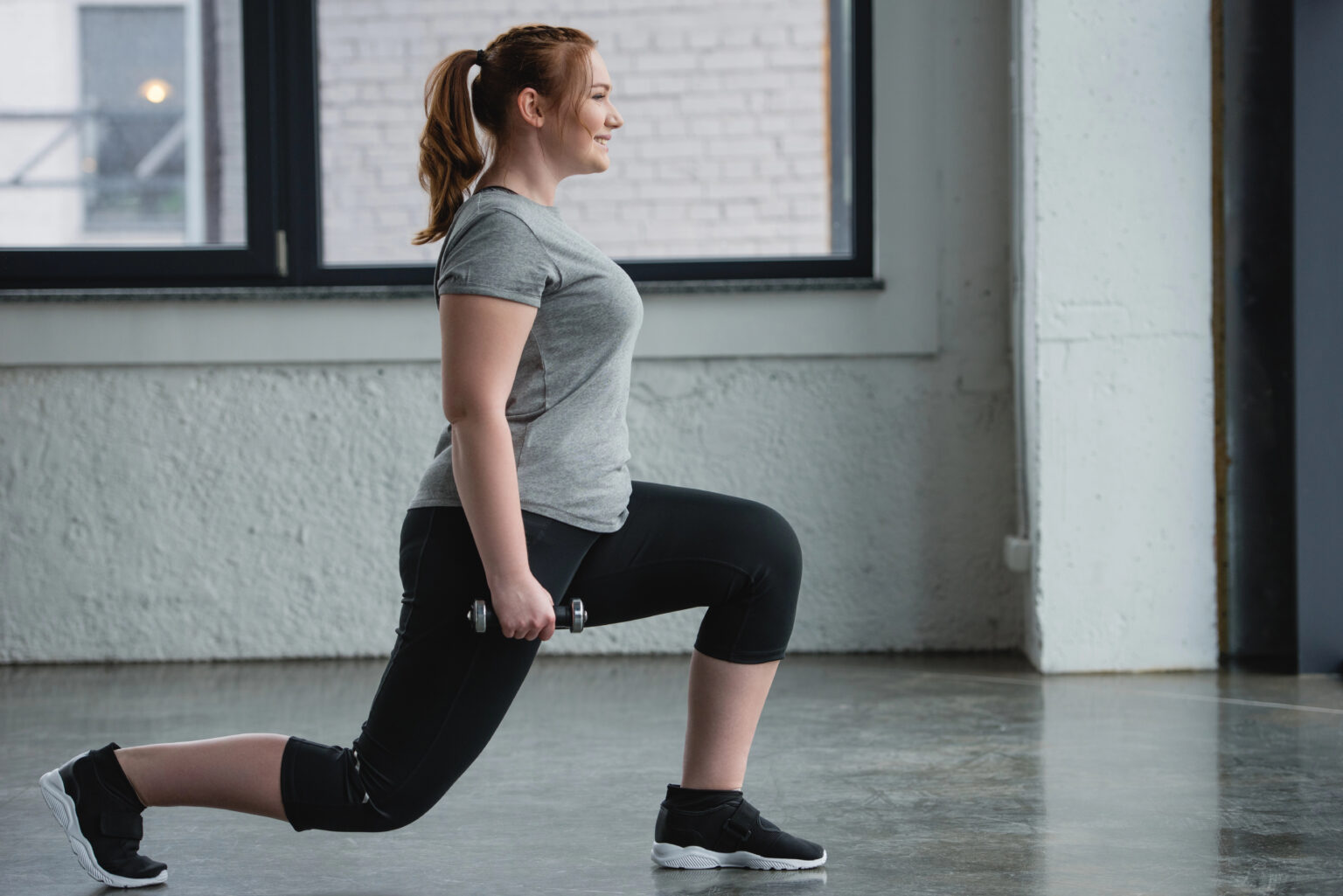
Movement as Care, Not Control
There is a massive difference between moving your body because you hate it and moving your body because you respect it. Joyful movement lives firmly in the second category. It is about nourishment, not control. Support, not self-punishment.
This mindset shift matters because it changes how you show up. You are not chasing a finish line. You are building a relationship with your body that allows movement to ebb and flow without guilt.
Navigating Weight-Focused Fitness Spaces
Not all gyms or classes are weight-neutral, and that can be tough. Mirrors everywhere. Calorie burn announcements. Instructors joking about earning meals. You are allowed to opt out mentally and emotionally.
Seek out Health at Every Size-aligned trainers, body-inclusive studios, or online classes that remove diet culture from the equation. If you stay in traditional spaces, know that you are not required to internalize messaging that does not serve you.
Expanding the Definition of Exercise
Movement does not have to look official to matter. Gardening, cleaning, dancing in your kitchen, playing with pets, walking while on phone calls, and stretching between meetings. All movement contributes to health.
Joyful movement invites you to see your day differently. You do not need a matching set or a stopwatch for your body to benefit.
Community Makes It Sweeter
Moving with others adds joy, accountability, and connection. Walking groups, dance classes, water aerobics, recreational sports, or simply meeting a friend for a stroll can make movement feel social instead of isolating.
Representation matters. Finding inclusive spaces where bodies of all sizes are welcomed can transform how safe and joyful movement feels.
Non-Scale Wins Deserve a Standing Ovation
When weight loss is off the table, new victories take center stage. Better sleep. Improved mood. Increased stamina. Reduced pain. Feeling stronger. Feeling calmer. Feeling proud.
These are not consolation prizes. They are the point.
When Doctors Still Push Weight Loss
If a healthcare provider focuses exclusively on weight loss, you are allowed to ask for weight-neutral care. The Association for Size Diversity and Health provides resources for finding providers who understand that health behaviors matter more than body size.
If movement is recommended for a medical reason, joyful movement still applies. The goal is function and well-being, not shrinking.
Making Peace With Where You Are
Joyful movement meets you exactly where you are today. Not where you were. Not where you think you should be. Where are you?
Your body is allowed to be supported, celebrated, and cared for without conditions. Movement can be a lifelong practice of curiosity and compassion instead of control.
The Big Reframe
Joyful movement is not about doing less. It is about doing better by yourself. It is a movement rooted in pleasure, sustainability, and respect. It is a rejection of the idea that bodies must change to deserve care.
What would movement look like for you if weight loss were not the goal? That question alone can change everything.
MORE TCF GAMES