Why the Plus Size Fashion Market Growth Matters
Imagine walking into a store and seeing racks filled with clothing designed for you, in styles that make you feel confident and celebrated. That vision is becoming reality.
The plus size fashion market growth has been remarkable, with the global market valued at over $119 billion in 2024 and projections suggesting it could reach more than $200 billion within a decade. These numbers are not just statistics.
They are proof that the industry is listening to a community that has been underserved for decades. The demand is not going away. Consumers want fashion that celebrates their bodies.
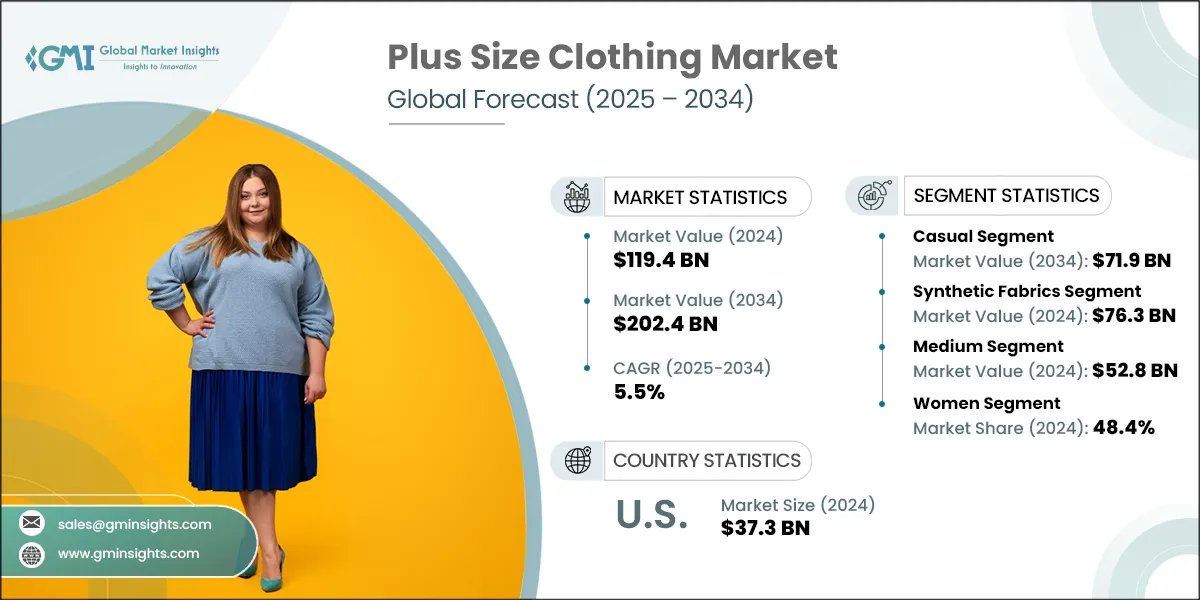
The story behind these numbers is not about a fleeting trend. It is about recognition, opportunity, and economic power. More than half of American women wear size 14 or above, representing a massive segment that has been historically ignored. When brands finally meet this audience with intention and creativity, everyone wins.
Women Drive Market Dominance
Consumer demand is shaping the way brands think about size, style and representation. Inclusive marketing is no longer just a moral choice; it is a smart business strategy.
Studies consistently show that advertisements featuring diverse body sizes improve brand perception and increase the likelihood of purchase. Shoppers respond when they see themselves reflected in campaigns, social media posts, and product lines.
Plus size consumers are not passive observers. They are active participants, searching for products, sharing reviews, and influencing their communities.
When a plus size influencer features a dress, jumpsuit, or activewear set, it often leads to noticeable increases in searches and sales. Representation is not just a social statement. It translates directly into revenue and brand loyalty.
Fashion Week Representation Faces Serious Challenges
@trendycurvy New York Fashion has officially begun! And I have some thoughts…as I always do 😂. Excited to head to NYC eith @TikTok as part of the #TikTokFashion Collective! @tiktok creators #Nyfw #plussizefashion ♬ original sound – Ms Kristine
While consumer demand is exploding, runway representation has not kept pace. Recent fashion seasons show that the overwhelming majority of runway looks are modeled by straight-sized individuals.
Less than three percent of models walking major fashion weeks represent plus size bodies. That means the billion-dollar market and the loud voice of consumers often collide with an industry still holding on to outdated ideas of beauty.
The discrepancy is striking. Retailers and online brands are meeting consumers where they are, but the fashion elite is slower to catch up. This gap highlights a cultural challenge as much as a commercial one.
Social Media Influencers Create Real Business Impact
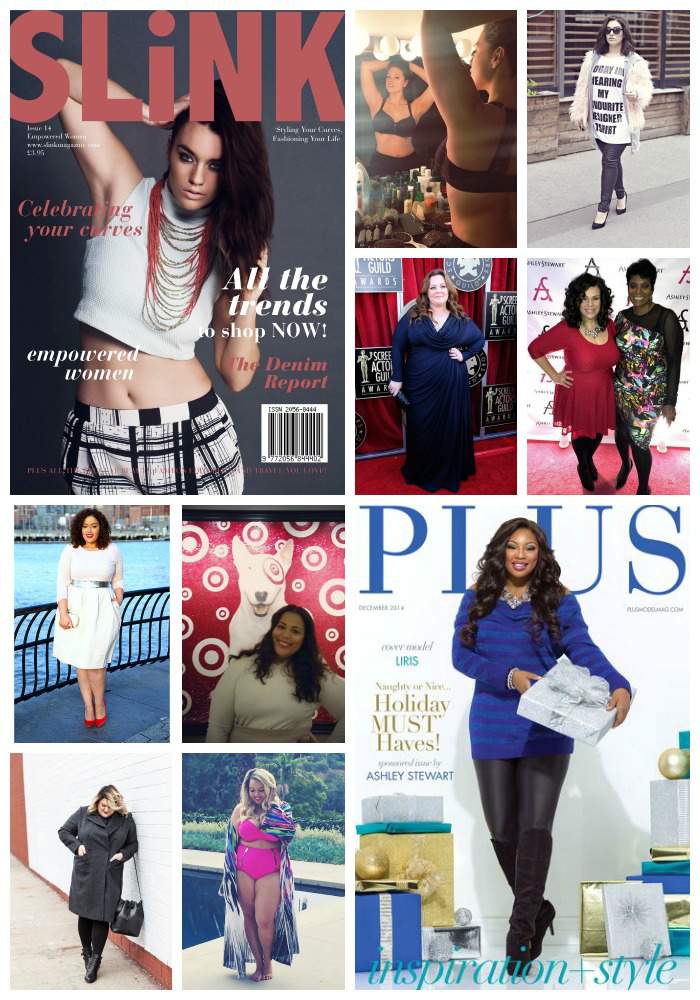
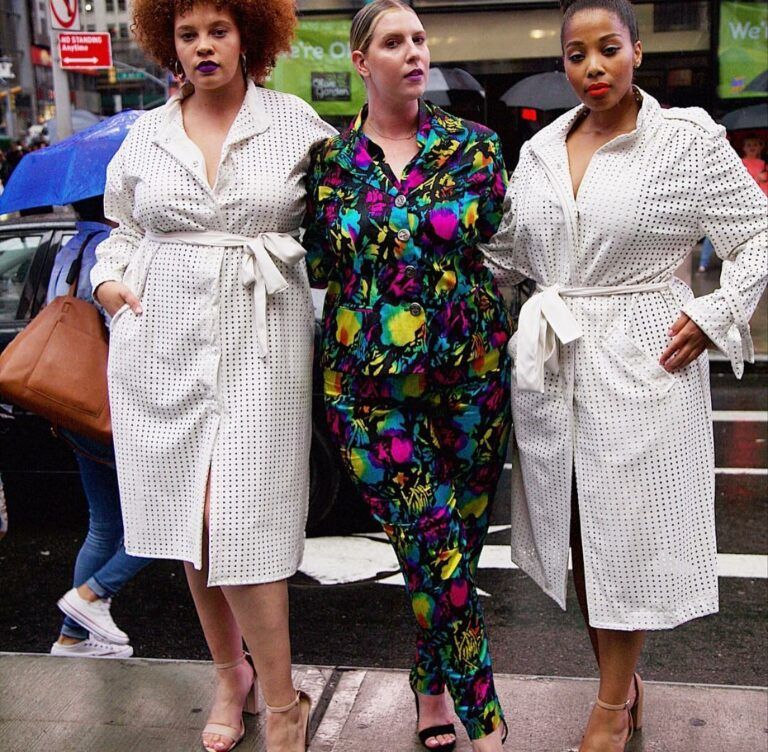
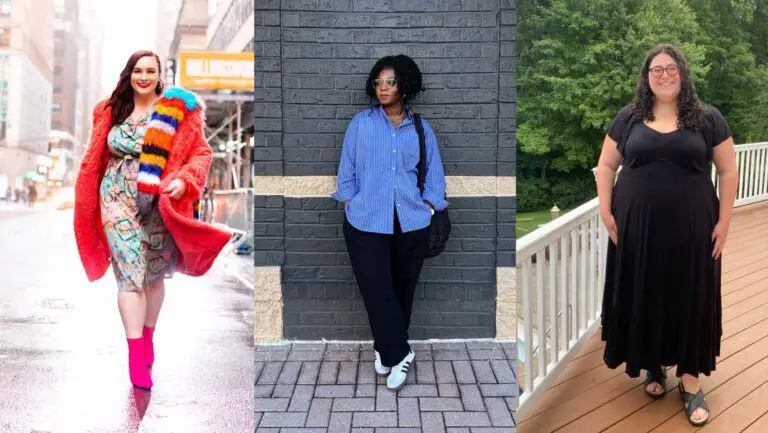
Authentic voices are rewriting the rules of fashion. Influencers like Gabbi Gregg, Tess Holiday and Ashley Graham with large followings are proving that representation matters not just for visibility but for sales.
Plus size influencers are introducing trends, sharing styling tips, and partnering with brands to create collections that meet real consumer needs.
Social media allows consumers to see how clothing fits, moves, and flatters different body types in real life. Platforms like Instagram, TikTok, and YouTube have created spaces where style is inclusive, interactive, and immediate.
When an influencer showcases a flattering blazer, flowy dress, or high-performance activewear, their audience responds with clicks, shares, and purchases. The impact is measurable and reshaping how brands approach design and marketing.
Technology Advances Improve Shopping Experience
One of the biggest challenges for plus size shoppers has been fit. The frustration of ordering online and discovering the clothes do not fit is real. Innovations like virtual sizing tools and AI-driven recommendations are changing that.
Now shoppers can explore how items will fit their bodies before clicking purchase, reducing returns and boosting confidence.
Retailers are investing heavily in technology to make shopping more accessible and enjoyable. Consumers are responding positively because these tools remove barriers and make it easier to discover new brands and styles.
The experience is no longer just transactional. It is personalized, empowering and supportive of real body diversity.
Activewear Emerges as Fastest-Growing Category
The rise of plus size activewear is impossible to miss. Shoppers aren’t just looking for clothes that fit.
They want pieces that move with them and support their lifestyle while making them feel confident in any space, from the yoga studio to the grocery aisle. High-performance leggings and flowy tops are seeing growing demand, and casualwear that balances comfort and style is becoming essential.
Brands that once focused only on small sizes are expanding their ranges to ensure that plus size shoppers have options that are functional and fashionable. Celebrities like Lizzo and Rihanna have launched activewear lines that provide bold patterns and flattering silhouettes that truly celebrate the body.
This trend goes beyond clothing. Health, wellness, and self-expression are now central to fashion choices, and plus size consumers are clearly seeking pieces that let them feel seen and supported.
Shoppers are challenging brands to think differently about performance, style, and inclusivity. Fashion is evolving to meet the reality that clothes should enable people to live fully and feel confident every day.
Inclusive Marketing Works
The results indicated that inclusive advertisements depicting models with diverse body sizes had a positive main effect on brand attitude and an indirect effect on brand attitude and purchase intention.
Academic research consistently shows that inclusive advertising benefits brands financially and emotionally. Companies that embrace body diversity in their marketing see improved customer relationships and stronger purchase intentions from all consumers, not just plus-size shoppers.
Transforming the Industry
The plus size fashion market growth is transforming the industry. From sales numbers to social influence, from technology innovations to activewear trends, the market is speaking loudly. Consumers have power, and they are using it.
The question is whether high fashion will catch up. The runway still lags behind consumer demand, but every campaign, influencer collaboration, and dedicated platform moves the industry forward. Representation is no longer optional. It is a reflection of what consumers want and what the market demands.
Plus size fashion is not just growing. It is reshaping style, culture, and commerce. The brands and designers that embrace this evolution will thrive, and the consumers who have waited decades for recognition are finally at the center of the story