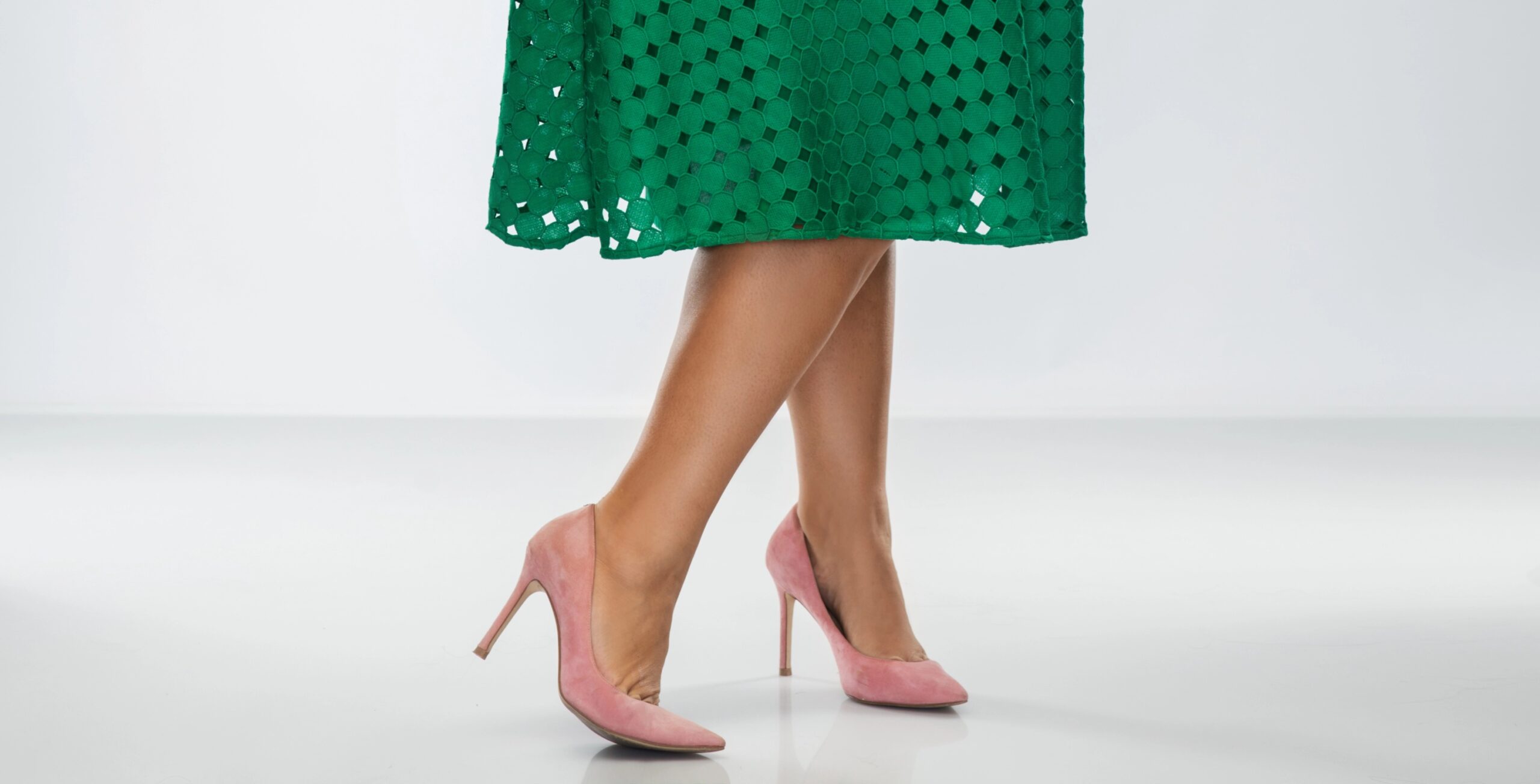
Finding shoes that actually fit should not feel like an extreme sport. Yet for millions of women with wide feet, shoe shopping has long been a cycle of compromise, blisters, and silent frustration. Cute shoes that pinch. Professional shoes that limp out by lunchtime. Trendy shoes that never even make it past the store try-on. While the fashion industry raced to chase trends, one woman looked down at her aching feet and realized something powerful. This was not a niche problem. This was a massive opportunity hiding in plain sight.
That woman was Tanya Heath, and her journey from fed-up shopper to founder of a million-dollar wide-fit shoes brand is proof that when women solve problems rooted in lived experience, the market listens. Loudly.
When Enough Is Enough Becomes a Business Plan
Like many great ideas, this one started in a moment of deep annoyance. Tanya Heath had spent years navigating professional spaces where footwear was both a necessity and a struggle. Despite working in consulting and traveling frequently, finding stylish, wide-fit shoes that worked for long days was nearly impossible. She was tired of choosing between comfort and credibility, between fashion and function.

What made this moment different was that she did not internalize the problem. She externalized it. Instead of assuming her feet were the issue, she recognized the industry failure. Research supports her experience. Studies show that a significant percentage of women wear shoes that do not properly fit, with width being one of the most common issues, yet most footwear brands offer limited wide options or treat them as an afterthought.
That realization flipped a switch. If so many women were struggling, why was the market pretending otherwise?
No Fashion Degree No Problem
Tanya Heath did not come from fashion school or legacy retail. What she did have was business savvy, persistence, and a willingness to ask uncomfortable questions. She started researching footwear manufacturing, learning why wide-fit shoes were consistently deprioritized. The answers were familiar and dismissive. Too expensive. Too niche. Too complicated.
Instead of backing down, she backed herself. Heath invested her own savings into developing early prototypes, working with smaller manufacturers willing to challenge the status quo. The first samples were not perfect, but they were proof of concept. Stylish shoes designed specifically for wide feet were not only possible, but they were also in demand.
This was not about modifying existing designs. It was about building wide fit shoes from the ground up with intention.
Branding That Did Not Apologize
From the start, Heath understood that language mattered. She did not medicalize wide feet or hide behind euphemisms. Her brand name was direct, confident, and honest. The Wide Fit. No shame. No shrinking. Just truth.
Her marketing leaned heavily into storytelling and community rather than glossy perfection. She connected with women who had long voiced their frustration online and invited them into the brand conversation. Social media became less about selling and more about validation. The response was immediate. Messages poured in from women who had given up on footwear entirely.
They were not just buying wide-fit shoes. They were buying relief.
Listening Is the Real Growth Strategy
One of Heath’s smartest moves was treating customer feedback like gold. Every review, every email, every comment informed the next decision. When customers asked for specific styles, she explored them. When sizing needed refinement, production adjusted. When something did not work, she said so publicly and fixed it.
This approach built trust quickly. Customers felt seen, heard, and respected, which is still rare in fashion. Repeat purchases soared, and word of mouth became the most powerful marketing tool the brand had. It turns out people talk when they finally feel considered.
Scaling Without Selling Out
Growth came fast, but Heath refused to rush it. Scaling wide fit shoes meant maintaining quality, not cutting corners. She chose manufacturers based on craftsmanship and ethics rather than speed alone. Quality control remained rigorous even as demand increased.
The result was a product customers returned to again and again. Reviews consistently highlighted comfort, durability, and thoughtful design. That loyalty allowed the business to grow sustainably instead of burning out in trend cycles.
Expanding the Closet One Shoe at a Time
Once the core collection proved successful, expansion followed thoughtfully. Boots, sandals, and sneakers were introduced only after extensive testing. Heath did not simply widen existing silhouettes. She rethought the construction entirely to ensure proper support and balance.
Not every experiment worked, and that honesty mattered. A few styles missed the mark, and she pivoted quickly rather than forcing them to succeed. That flexibility kept the brand responsive and aligned with real customer needs rather than assumptions.
The Retail Moment That Changed Everything
After building a strong direct-to-consumer presence, Heath made the move into physical retail. The condition was clear. Her wide-fit shoes would not be hidden or treated as specialty items. They deserved visibility.
Retail partnerships offered legitimacy, data, and reach. Customers could finally try on shoes in person and experience the quality firsthand. The combination of online storytelling and offline experience created a powerful ecosystem for growth.
Hitting Seven Figures and Redefining Success
Reaching the million-dollar mark was a milestone, but not the mission. The numbers reflected something deeper. High retention rates. Low return rates. Customers are buying multiple pairs without hesitation. The business was not built on hype. It was built on trust.
Heath proved that solving an overlooked problem could be both profitable and impactful. Wide fit shoes were never niche. They were ignored.
Competition Came Knocking, and That Was a Good Thing
As success grew, larger brands followed. Instead of panicking, Heath welcomed it. More wide fit shoes in the market meant validation. Her edge remained authenticity, speed, and deep customer relationships that could not be replicated overnight.
Giving Back Was Always Part of the Vision
With growth came responsibility. Heath launched programs donating shoes to women in shelters and workforce programs, recognizing that proper footwear can impact employment and confidence. She also mentored aspiring founders, particularly women navigating industries not built with them in mind.
This was never just about shoes. It was about access.
What This Story Teaches Us
Tanya Heath’s journey proves that empathy is a business strategy. Wide fit shoes became a million-dollar empire not because of trend forecasting, but because someone listened. The fashion industry often claims it does not see demand. Heath proved that demand was always there. It was just waiting to be respected.
If you have ever been told your needs were too much or too specific, this story is your reminder. Sometimes the very thing that frustrates you most is the blueprint for something extraordinary.