
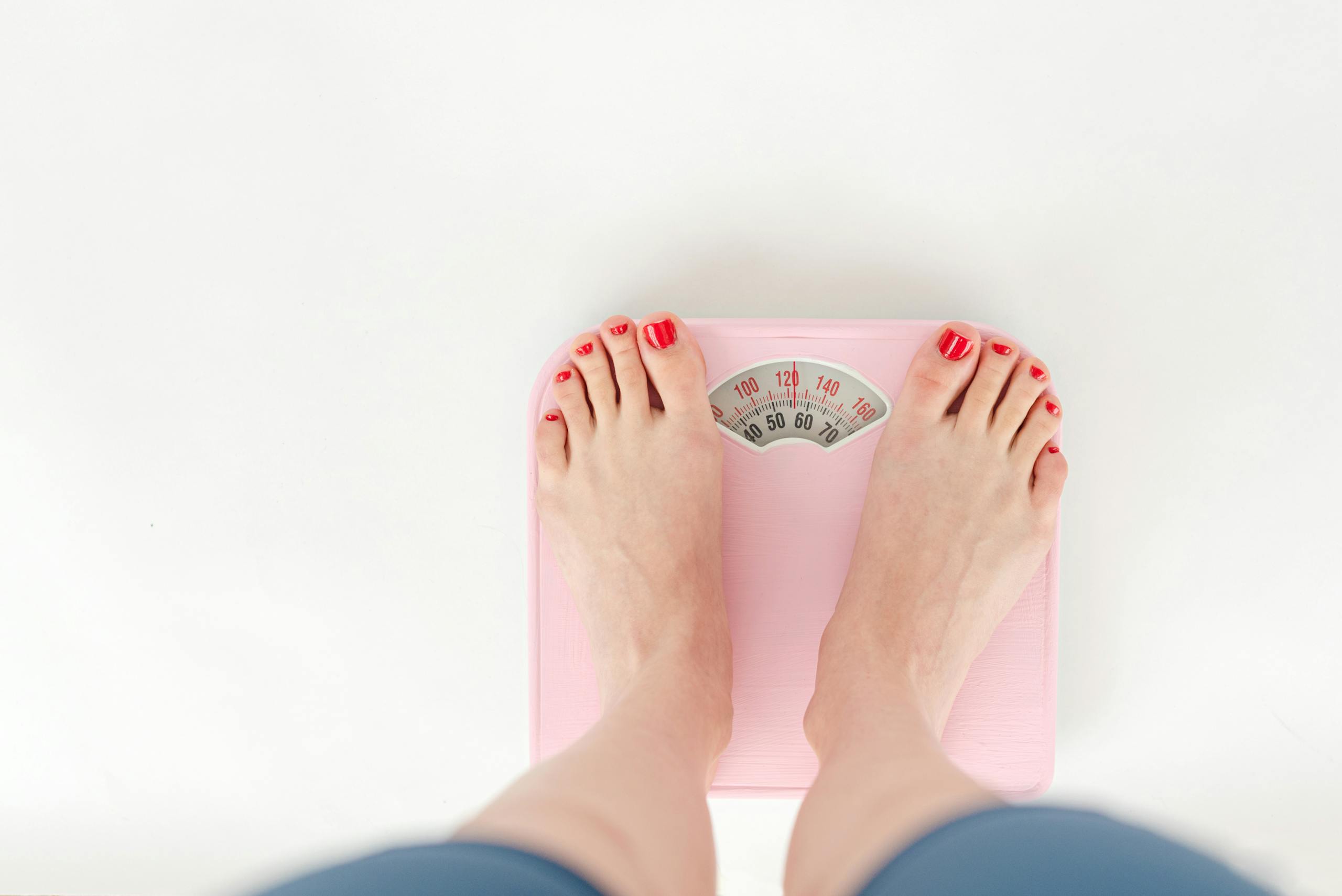
Can we start with a confession?
I used to give the scale like it more authority than it really had. As if that little glowing number had the final say on how I felt about my body, my discipline and my day. Some mornings it was kind. Other mornings it chose violence. Still, I kept stepping on it, waiting to see if I would walk away deflated or weirdly victorious.
Sound familiar?
For many plus size women, the scale becomes a daily mood swing disguised as a wellness tool. But here is the plot twist no one tells you early enough. That number is wildly incomplete. Not wrong. Just limited.
Once I stopped letting the scale lead the conversation, I started noticing something interesting. My body had been changing all along. I just was not measuring the right things.
The Scale Only Measures Weight, Not Progress
The scale measures mass. Full stop. It does not care if that number reflects muscle, water, inflammation or the sodium-heavy dinner you enjoyed at 9 p.m. Late-night pizza included.
According to the Cleveland Clinic, daily weight can fluctuate up to five pounds due to hydration, hormones and digestion alone. That means you can be getting stronger, losing body fat and feeling more energized while the scale stays stubborn or even creeps up.
For plus size bodies especially, that disconnect can feel discouraging if weight is the only metric you are watching.
“It is very common for people who begin exercising to see little change on the scale while their body composition improves dramatically,” says Dr. Katie Heinrich, professor of exercise science at Kansas State University.
Translation. The scale is not telling the full story.
Inches Tell the Truth the Scale Cannot
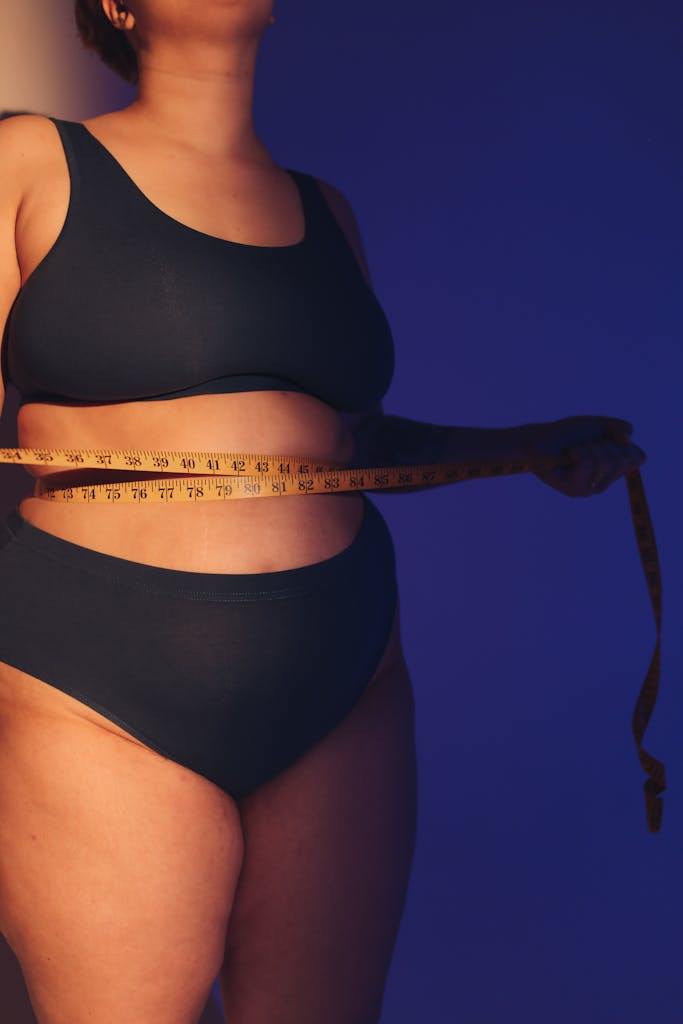
Enter the tape measure.
When you measure your waist, hips, thighs or arms, you are tracking physical change. Real change. The kind that affects how your clothes fit and how you move through the world.
Losing inches around the waist is particularly meaningful. Research published in the Journal of Obesity notes that reductions in waist circumference are associated with lower levels of visceral fat, the type linked to cardio-metabolic risk.
It is less about shrinking and more about awareness. And there is something grounding about choosing a tool that observes instead of interrogates.
Muscle Changes the Math Completely
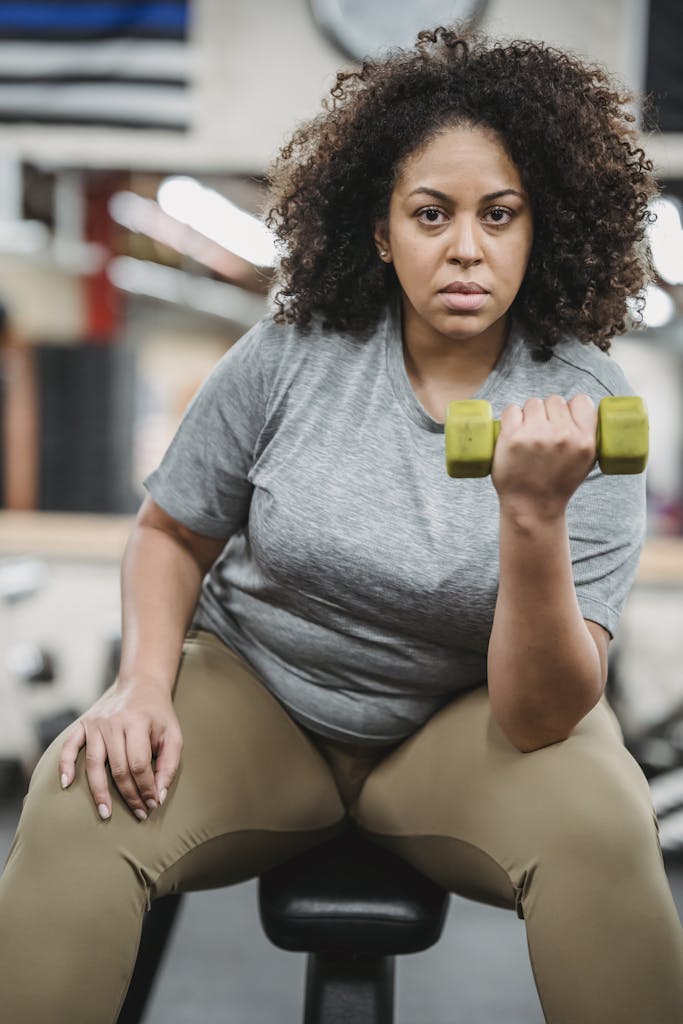
One of the biggest myths that keeps plus size women stuck is the idea that weight loss must equal scale loss.
Muscle is denser than fat. It takes up less space. When you build muscle through walking, strength training or daily movement, your body can become smaller without becoming lighter.
The American Council on Exercise explains that muscle tissue is more compact than fat tissue, which is why body composition often changes without a drop in scale weight.
This is why your jeans can fit better while the scale stays loud and unimpressed.
Your Mental Health Deserves Better Metrics
Let’s talk about the emotional side of measurements, because that is where things usually get complicated.
We are told the scale is neutral, just a number, but somehow it manages to set the tone for the entire day before coffee even kicks in. One glance down and suddenly you are replaying yesterday’s meals, second-guessing your body and negotiating with yourself over what you deserve to feel.
Multiple studies have linked frequent weigh-ins to increased anxiety, body dissatisfaction and disordered eating behaviors, particularly among women.
If stepping on the scale leaves you feeling smaller emotionally, not just numerically, that information matters.
Choosing not to center the scale is not about avoiding accountability. It is about choosing measures that do not undermine your mental health before you have even left the bathroom.
Progress can look like waking up with more energy. It can look like lifting heavier, walking farther or noticing your clothes sit differently on your body. It can look like feeling at home in your skin more days than not.
And maybe that is the question worth asking: if a metric makes you feel disconnected from yourself, why keep letting it lead the conversation?
Health Is Not a Single Number
Weight alone is not a crystal ball.
Blood pressure, cholesterol, blood sugar, mobility and cardiovascular endurance are the metrics that tell the fuller story.
They are the subtle plot twists in the narrative of your health, the details that actually matter when it comes to how you feel, move and live in your own skin.
The Centers for Disease Control and Prevention emphasizes that healthy behaviors like movement and balanced nutrition improve health markers regardless of weight change.
For plus size women, this matters deeply. You can pursue health without obsessing over shrinking. You can build strength without chasing thinness.
Clothes Do Not Lie

Let me say this plainly: your clothes tell better stories than your scale ever could.
When a dress slips on differently than it used to, that is information worth noting. When the button on those jeans closes without a quiet internal debate, that is feedback. When you feel more comfortable taking up space in a room, that is progress, even if no number changed overnight.
No one knows what the scale says when you are alone in your bathroom. Everyone notices how you move through the world, how you sit, how you stand, how at ease you look in your own body.
And maybe that is the only narration that actually matters.
So What Should You Measure Instead?
Try this instead of daily weigh-ins.
- Monthly body measurements
- How your clothes fit
- Strength milestones
- Energy and recovery
These metrics tell a story. A fuller one.
The Takeaway
The scale is not the villain. It is just overcredited.
If you are plus size and working toward feeling stronger, healthier or more at home in your body, you deserve tools that reflect reality. Measuring inches, strength and fit allows you to see progress without punishing yourself for normal bodily fluctuations.
Consider this your permission slip to expand the definition of success.
Your body is not a math problem. It is a living, adapting system doing its job.
And that deserves better measurement.