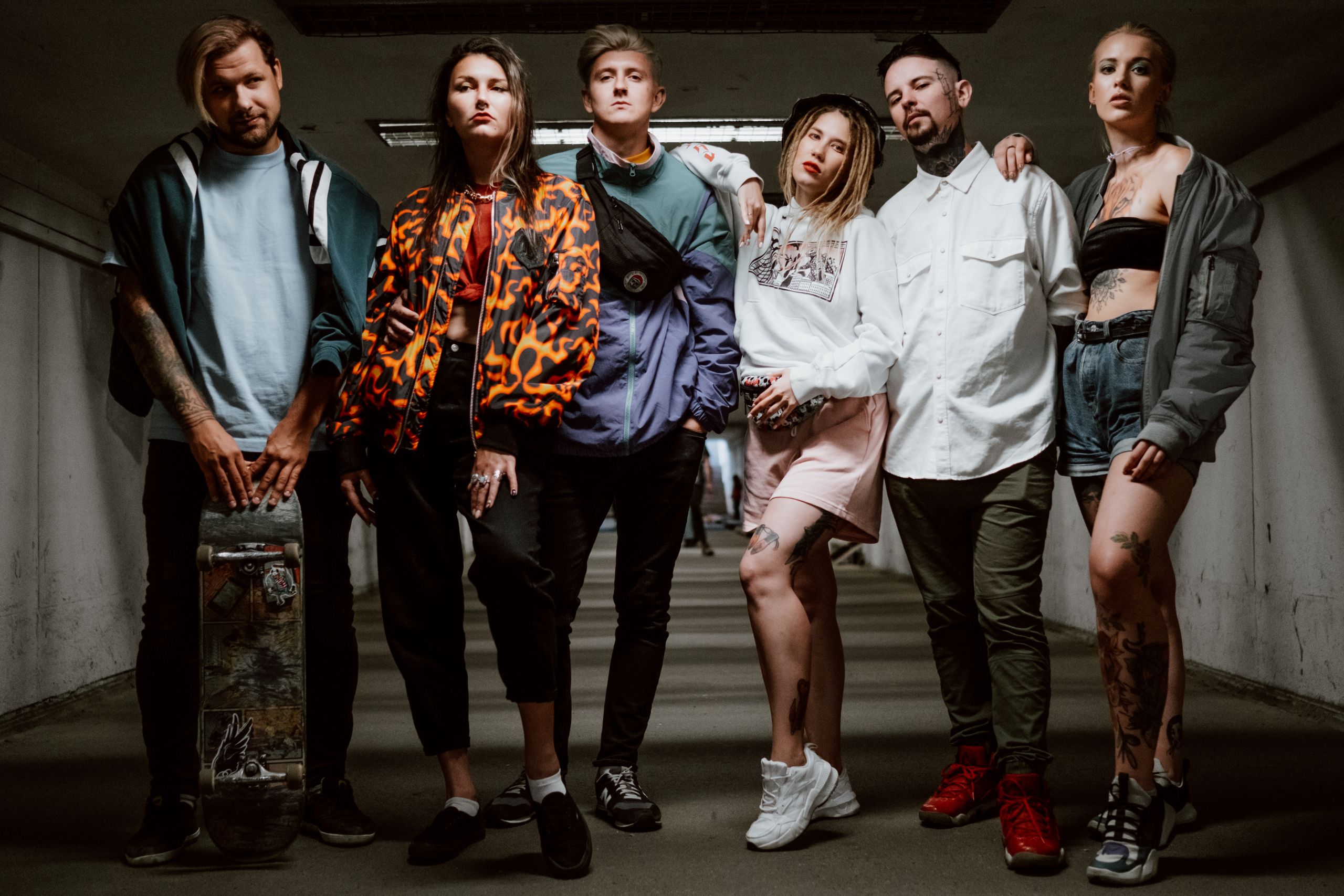
Fashion has always had a short memory. One decade’s “cringe” is often the next generation’s inspiration, and a recent Reddit debate comparing fashion from the beginning and end of the 2010s is proof. What started as a simple side-by-side comparison quickly evolved into a broader conversation about how people remember the clothes they once couldn’t wait to stop wearing.
The timing isn’t accidental. According to ThredUp’s 2025 Resale Report, the U.S. secondhand apparel market is projected to reach $74 billion by 2029, fueled by shoppers’ embrace of vintage fashion, sustainability, and nostalgic styles.
That growing appetite for the past helps explain why skinny jeans, ballet flats, peplum tops, and statement necklaces, once written off as outdated, are steadily making their way back into closets and onto runways.
Instead of laughing at oversized scarves and colorful accessories, thousands of Reddit users found themselves defending them. The discussion wasn’t really about whether one outfit looked better than another.
It became a conversation about authenticity, shifting beauty standards, the influence of social media, and whether fashion has become overly driven by constantly evolving online trends. It also raises a bigger question: Are people nostalgic for the clothes themselves, or for the version of life they associate with them?
Fashion Isn’t Just Changing; It Has Changed How We Experience Trends
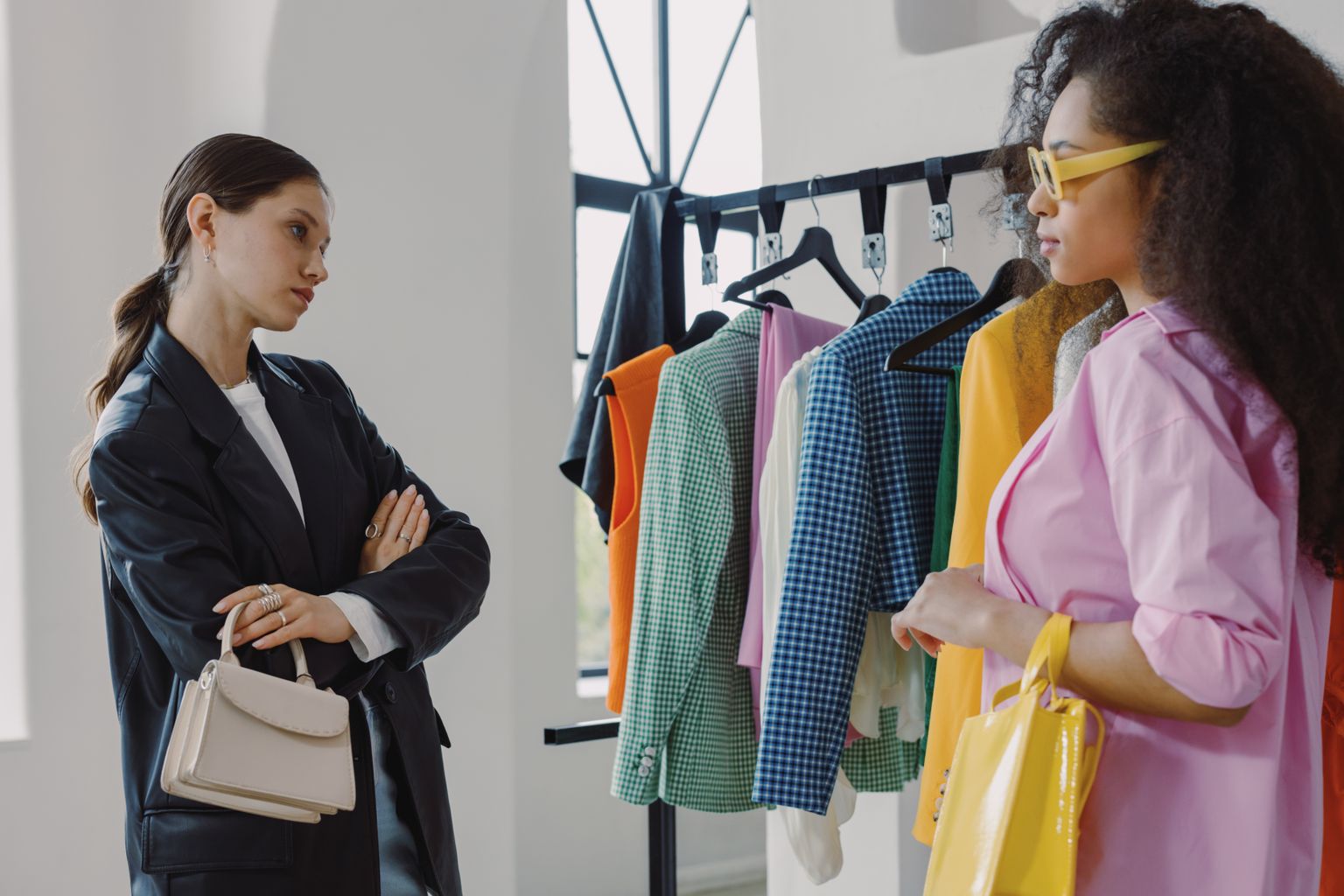
The Reddit post posed a simple question: Which era did people prefer, the start of the 2010s or the end of the 2010s?
The images contrasted two very different aesthetics. Early 2010s fashion embraced fitted silhouettes, skinny jeans, cardigans, ballet flats, peplum tops, infinity scarves, and colorful accessories. The look reflected influences from Tumblr, indie culture, and the final years before Instagram became fashion’s dominant tastemaker.
By the end of the decade, oversized blazers, chunky sneakers, relaxed denim, neutral color palettes, and streetwear had taken over. The comments revealed there wasn’t a unanimous winner, but many people admitted they had unexpectedly developed an affection for styles they once mocked.
Some argued that the earlier looks felt more polished and expressive. Others preferred the comfort and versatility of the later years. Yet nearly everyone agreed on one thing: fashion today feels very different from what it did fifteen years ago.
Social Media Transformed the Pace of Fashion
Part of the reason this debate resonates is that today’s fashion ecosystem barely resembles the one people experienced in 2010. Back then, trends spread through celebrities, magazines, television, and blogs. Instagram was still in its infancy, and TikTok didn’t exist.
Fashion trends often lasted for years before giving way to something new. Today, an aesthetic can dominate social media for a few weeks before another replaces it. Platforms reward constant novelty, encouraging consumers to buy, post, and move on faster than ever before.
Trend forecasting company WGSN has noted that digital platforms have dramatically accelerated trend cycles, making fashion more reactive and less seasonal than in previous decades. For many consumers, that constant stream of microtrends has become exhausting.
Against that backdrop, the early 2010s can feel refreshingly uncomplicated, a time when wardrobes evolved more slowly and personal style wasn’t constantly measured against an endless stream of viral content.
Why Do People Suddenly Appreciate Styles They Once Criticized
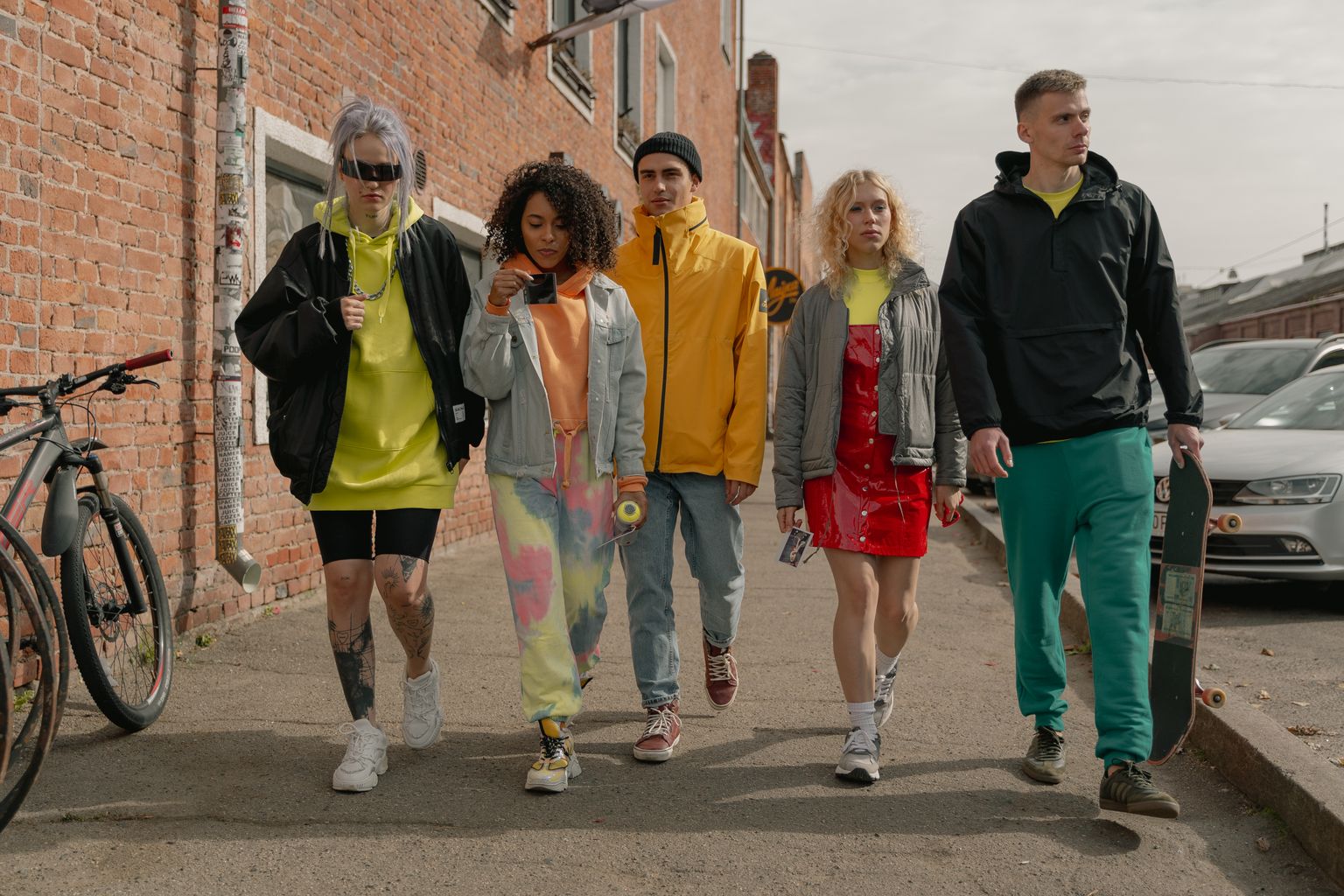
Fashion nostalgia follows a familiar pattern. Researchers who study nostalgia have found that people often become more attached to the cultural symbols of their youth during periods of rapid social and technological change.
Clothing becomes more than fabric; it becomes a reminder of friendships, milestones, and everyday routines that can never be recreated. For Millennials and older members of Generation Z, the early 2010s often represent high school, college, or the beginning of adulthood.
That emotional connection changes how people remember fashion. The cardigan isn’t simply knitwear anymore. The skinny jeans aren’t just denim. They’re reminders of concerts, coffee dates, Tumblr dashboards, and an era before the pandemic reshaped everyday life.
Research published in the journal Emotion has shown that nostalgia can increase optimism, strengthen feelings of social connectedness, and provide emotional comfort during times of uncertainty. That may explain why people suddenly find themselves looking more fondly at trends they once couldn’t wait to replace.
Fast Fashion Has Complicated the Conversation
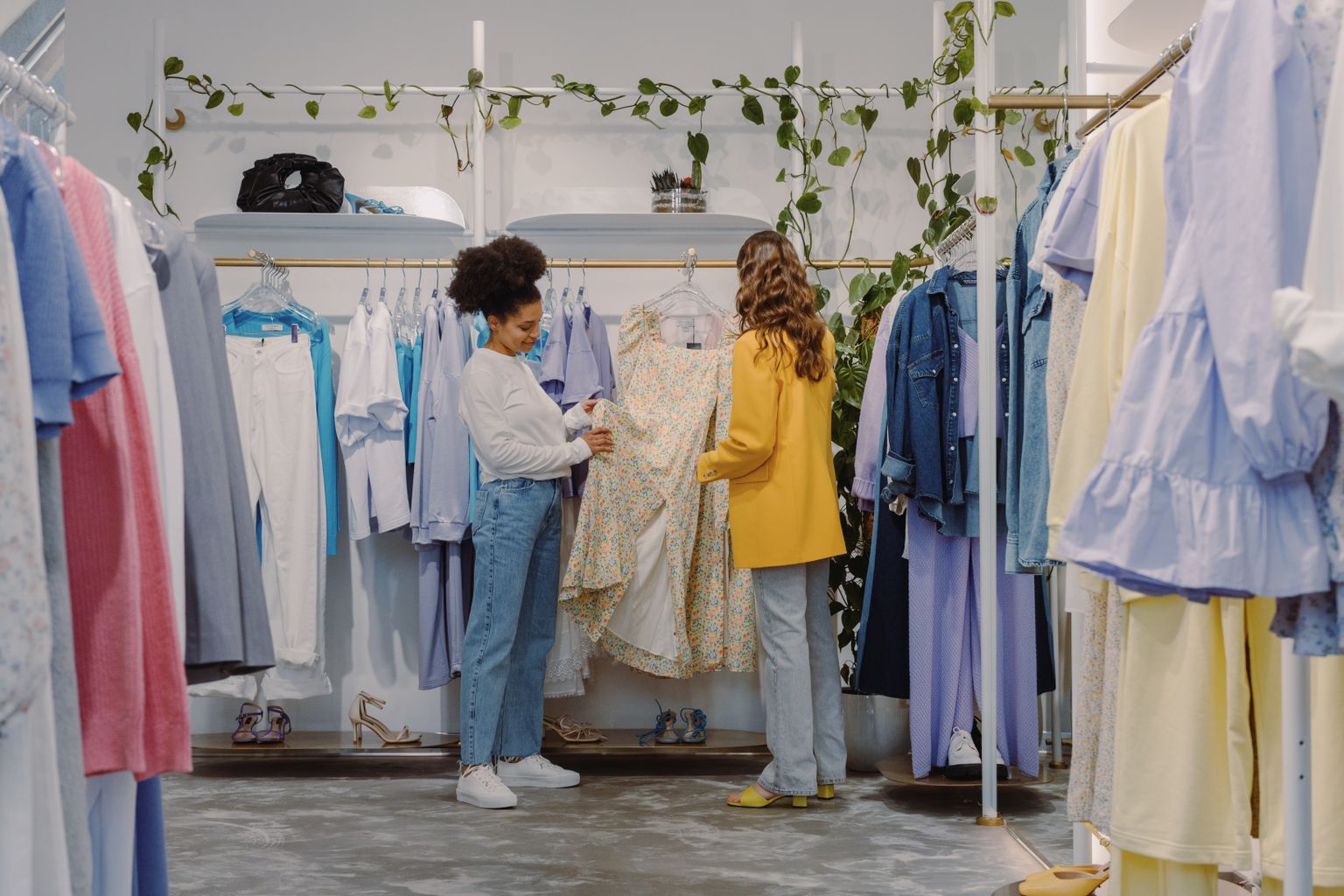
Another recurring theme in the Reddit discussion centered on clothing quality. Many commenters argued that garments from the early 2010s appeared better made than many affordable options sold today. While perceptions vary, concerns about quality have grown alongside the rise of ultra-fast fashion.
According to the United Nations Environment Program (UNEP), the fashion industry generates approximately 92 million tonnes of textile waste every year and accounts for an estimated 2% to 8% of global greenhouse gas emissions.
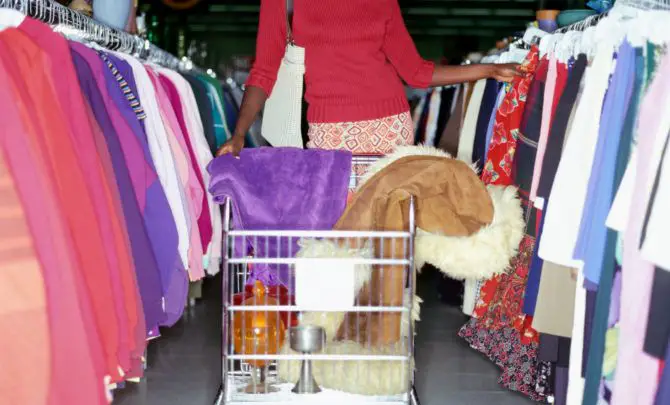
Consumers are buying more clothing than ever before, yet many items are worn only a handful of times before being discarded. Those environmental concerns have contributed to growing interest in secondhand shopping, clothing rental services, and capsule wardrobes focused on fewer, longer-lasting pieces.
Ironically, many items now returning to stores, including peplum tops, ballet flats, and slim-cut denim, are the very trends people once rushed to donate.
Not Everyone Wants the Early 2010s Back
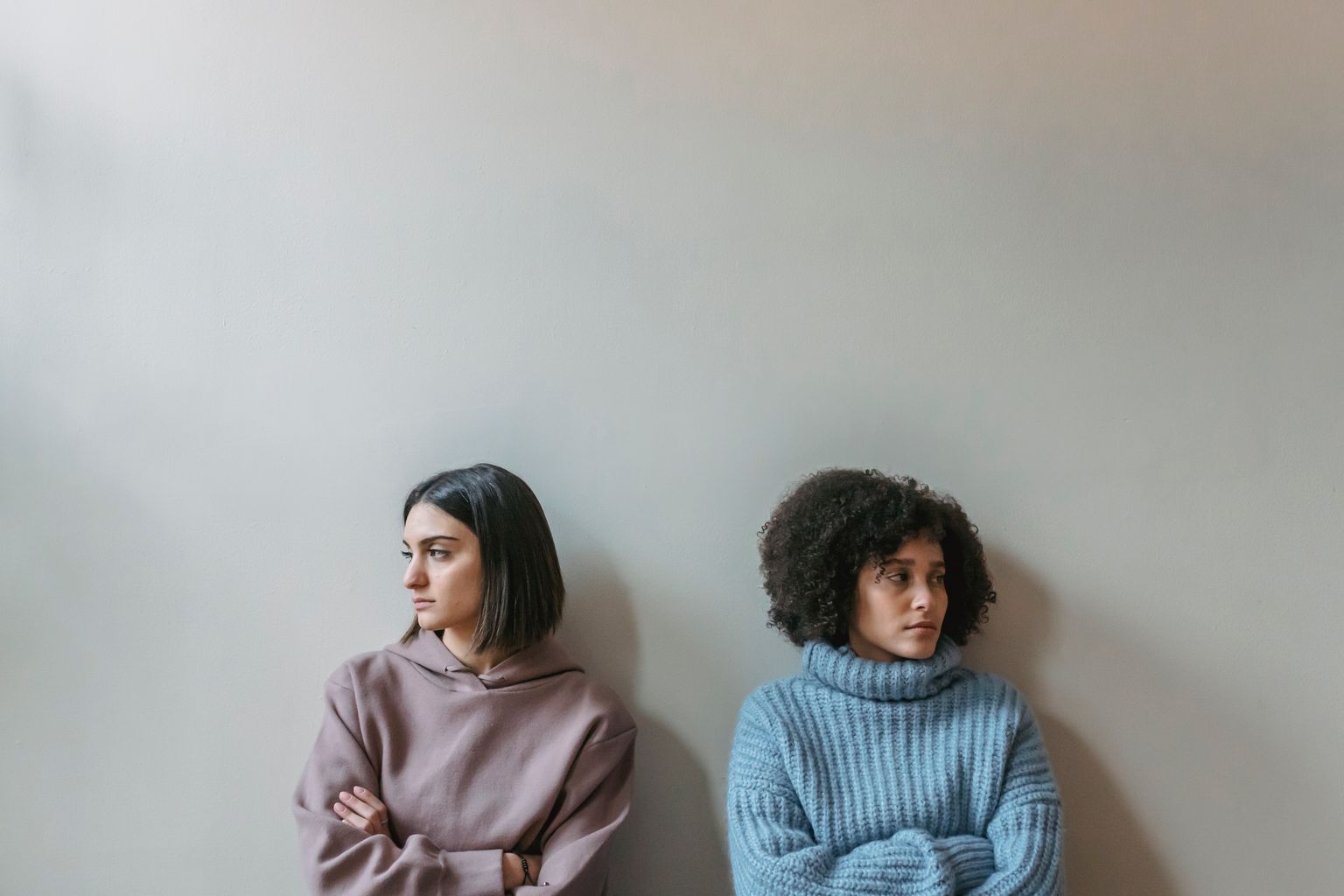
Of course, nostalgia has its limits. Many Reddit users argued that the comparison wasn’t entirely fair because it highlighted exaggerated outfits rather than what most people actually wore. Others pointed out that fashion during the early 2010s often revolved around narrow beauty standards and body-conscious silhouettes that didn’t work for everyone.
Meanwhile, supporters of late-2010s fashion praised relaxed tailoring, oversized clothing, and sneakers for making everyday style more comfortable and inclusive. Some also argued that today’s fashion landscape offers something previous generations didn’t have: the freedom to mix influences from multiple decades at once.
Instead of following a single dominant trend, consumers can combine vintage pieces with contemporary designs to create wardrobes that feel uniquely personal.
The Return of 2010s Fashion Reflects Something Bigger Than Nostalgia
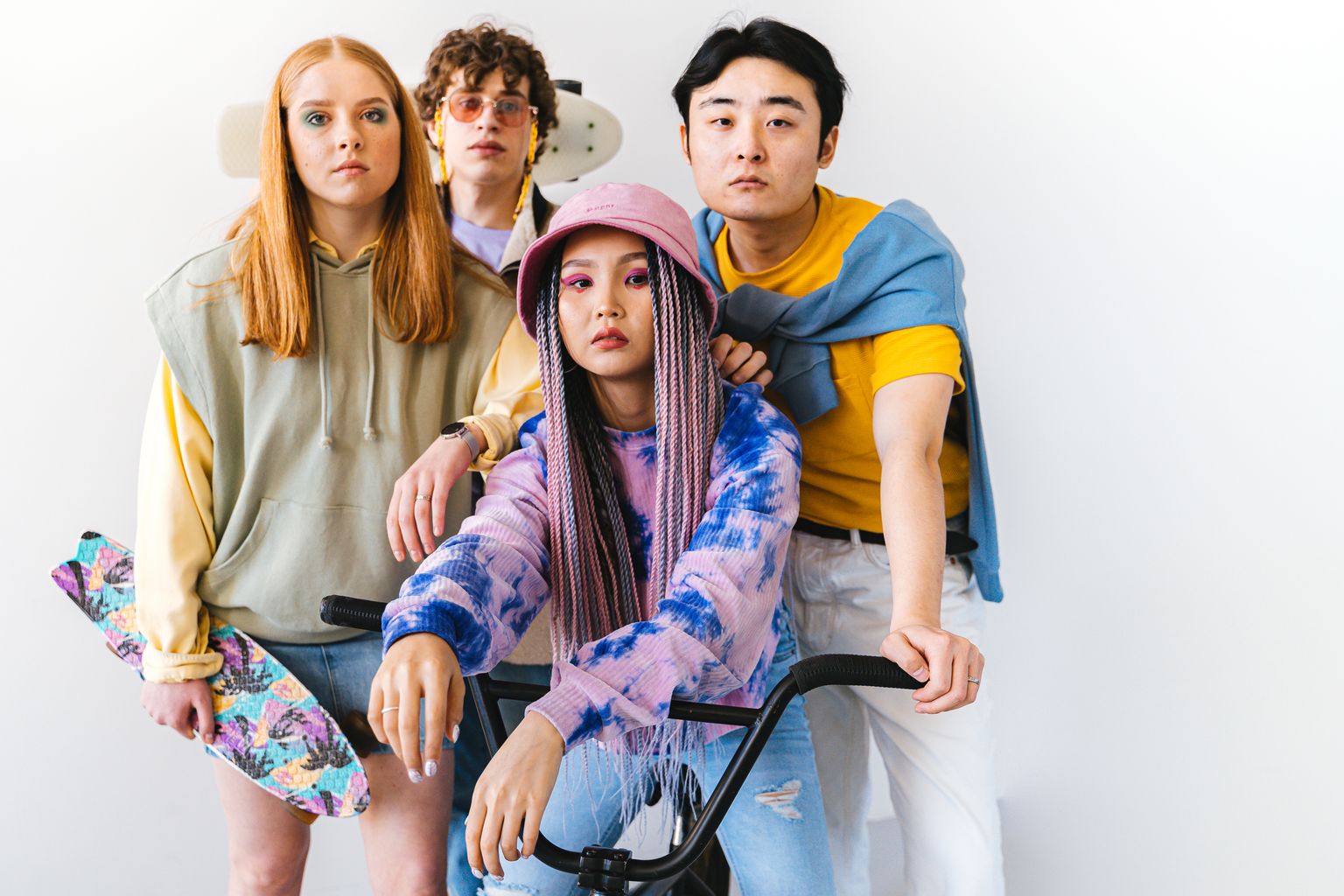
Fashion revivals rarely happen because designers simply run out of ideas. Instead, they often reflect broader cultural moods. Today’s renewed appreciation for early-2010s fashion comes at a time when many people feel overwhelmed by endless online shopping, constantly shifting aesthetics, and the pressure to keep up with social media.
Looking backward offers something familiar. It also challenges the assumption that newer automatically means better. Rather than chasing every viral trend, many shoppers appear to be prioritizing longevity, quality, and individuality.
That shift is reflected not only in the growth of resale fashion but also in the increasing popularity of capsule wardrobes, clothing repair, and investment dressing. Consumers aren’t necessarily rejecting modern fashion; they’re becoming more selective about which trends deserve a place in their closets.
Key Takeaways
The debate over early versus late 2010s fashion isn’t really about skinny jeans, oversized blazers, or infinity scarves. It’s about how people relate to the past in an era when trends move faster than ever. The clothes people once laughed at have become symbols of a different cultural moment, one that many now associate with slower trend cycles, greater individuality, and simpler digital lives.
Fashion has always been cyclical, but the conversation surrounding the 2010s suggests something deeper is happening. As consumers grow more conscious of sustainability, overconsumption, and personal style, they’re not simply revisiting old trends.
They’re reconsidering what they want fashion to do for them in the first place. And if history is any guide, today’s “outdated” trends may soon become tomorrow’s most-loved comeback.
Disclaimer: This list is solely the author’s opinion based on research and publicly available information. It is not intended to be professional advice.
Like our content? Be sure to follow us
MORE TCF GAMES