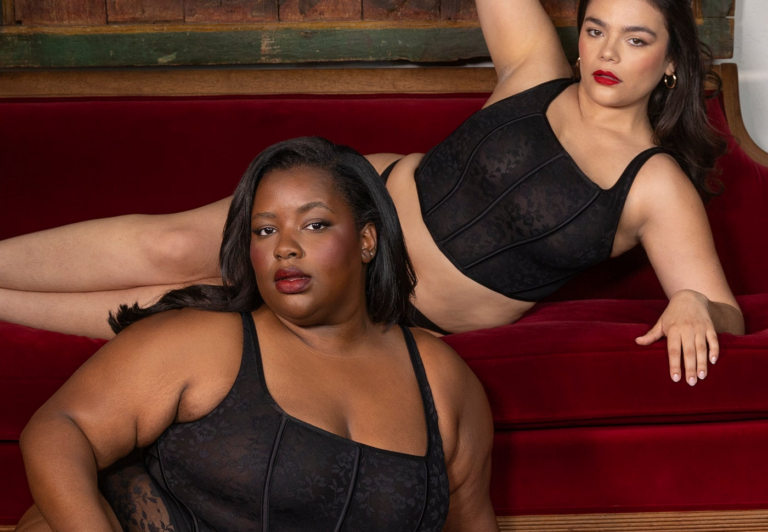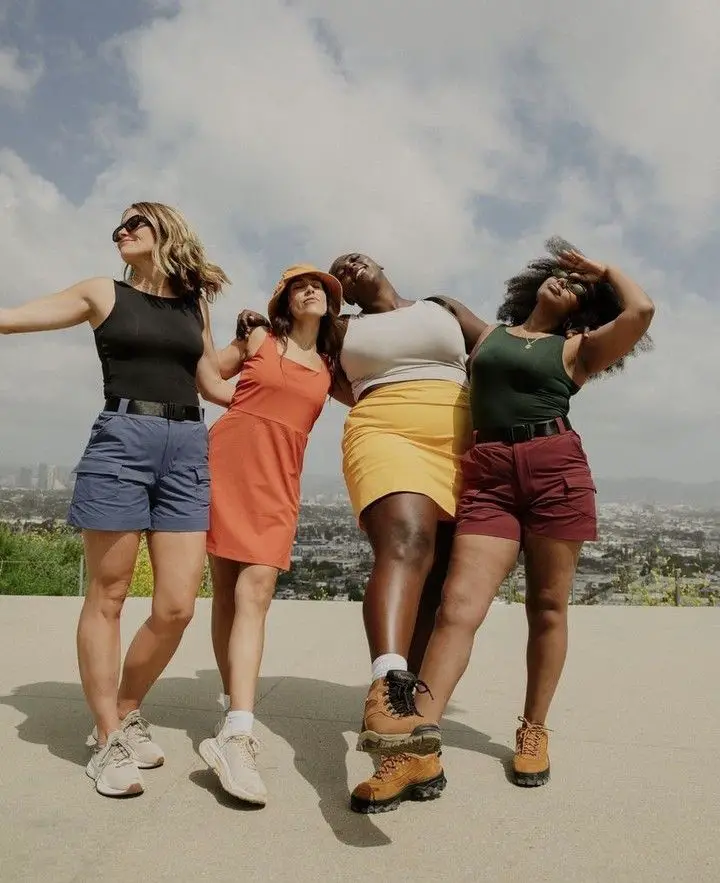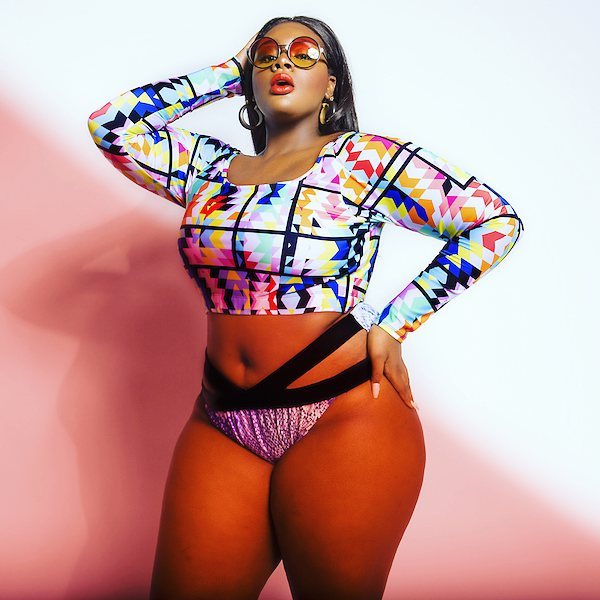
Plus size women have always been fashionable. Full stop.
The issue was never our taste, our creativity, or our ability to dress well. The issue was access.
Fashion loves to act like plus size style is a recent discovery. As if we just woke up one day wanting great denim, sharp tailoring, and clothes that feel intentional. We have always wanted that. The industry simply refused to meet us there.
And when an industry ignores a majority of women for long enough, someone eventually decides to fix it.
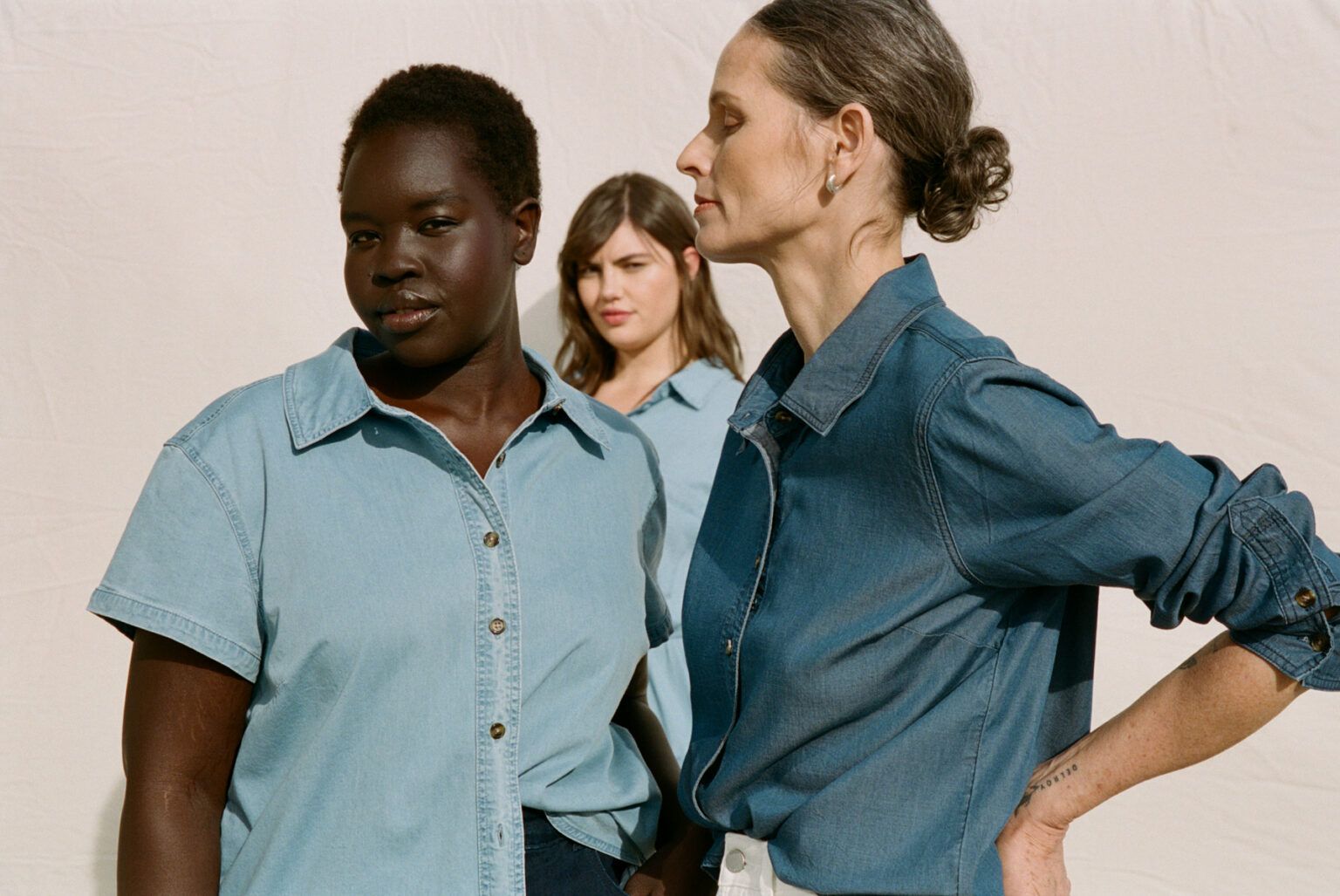
These size inclusive fashion CEOs did not wait for fashion to evolve. They built brands, rewrote business strategies, and forced the conversation forward. Not because inclusion is trendy, but because it was overdue and profitable.
In my research, I found the global plus size apparel market is projected to surpass $200 billion, according to Statista.
That is not a niche. That is a missed opportunity finally being addressed.
Meet the Size Inclusive Fashion CEOs Making Inclusion the New Standard
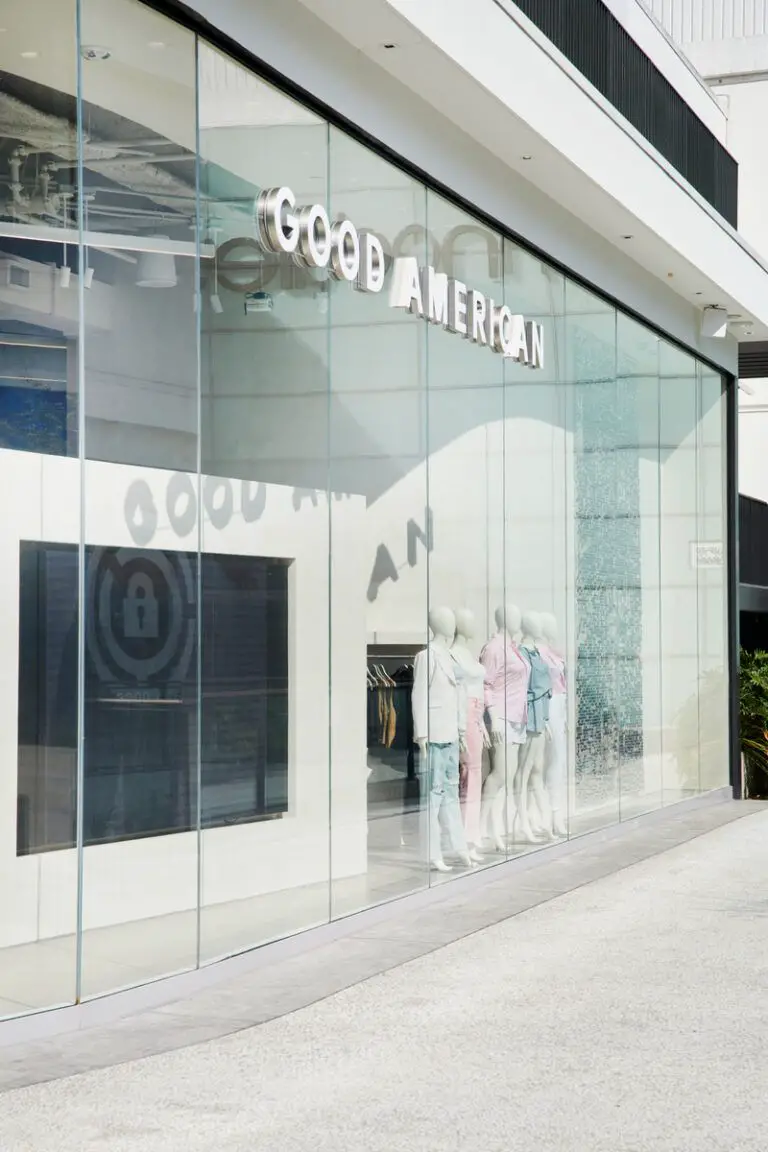
Good American and Emma Grede
Building Inclusivity Into the Business Plan From Day One
Emma Grede did not build Good American as an add on brand. She built it as a correction.
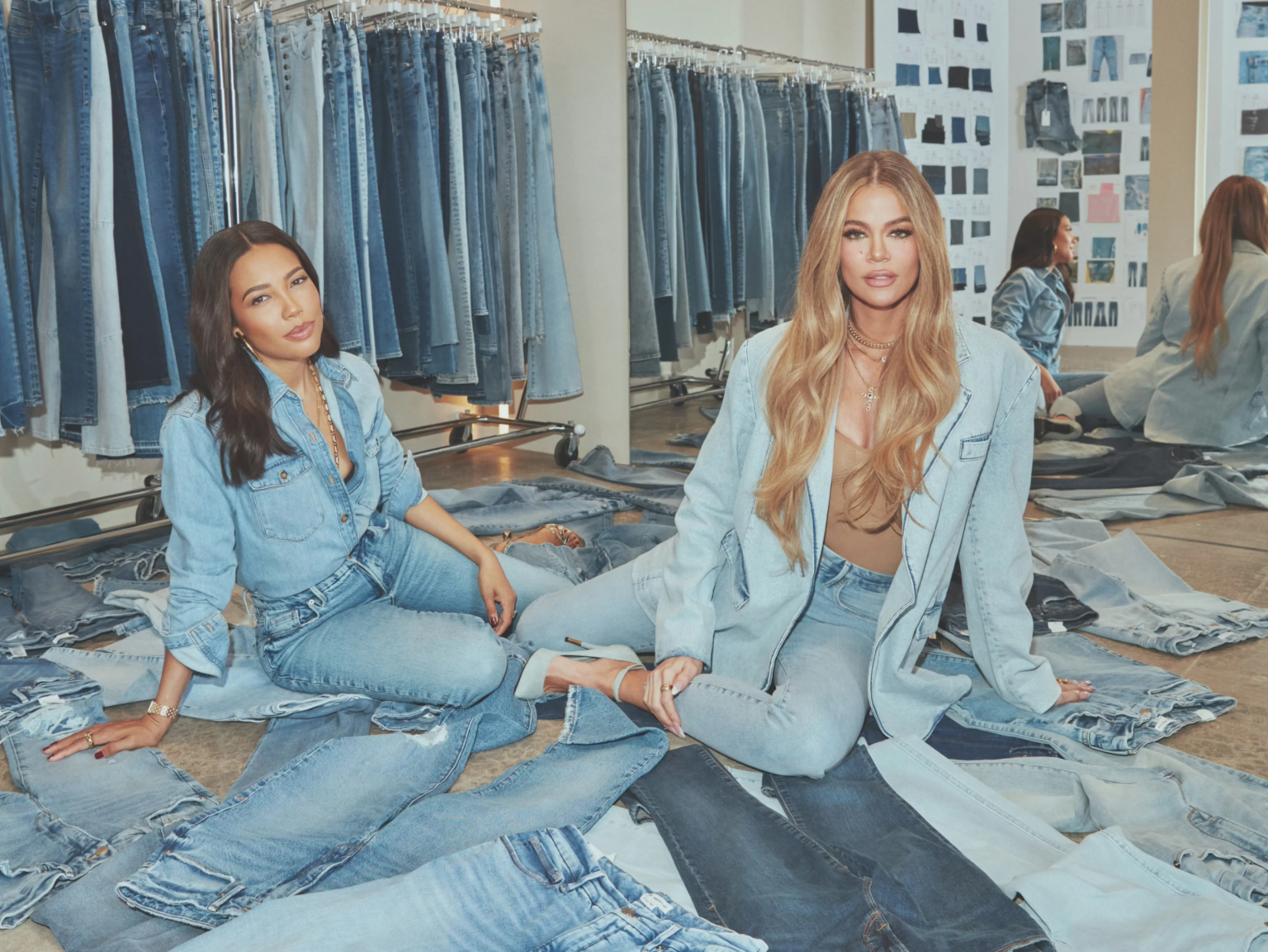
Launched in 2016 with Khloé Kardashian, Good American debuted with denim in sizes 00 through 24. Same fits. Same washes. Same launch day. No separating plus size customers into a different category.
Grede has been clear about why that mattered.
“We are building a brand for women, not a niche customer,” she told Forbes.
What started as a single denim drop reportedly generated over $1 million on its first day. Today, Good American spans denim, ready to wear, swim, and activewear.
That success did not come from trend chasing. It came from designing for real women first.
Lafayette 148 New York and Deirdre Quinn
Luxury That Refuses to Shrink Its Standards
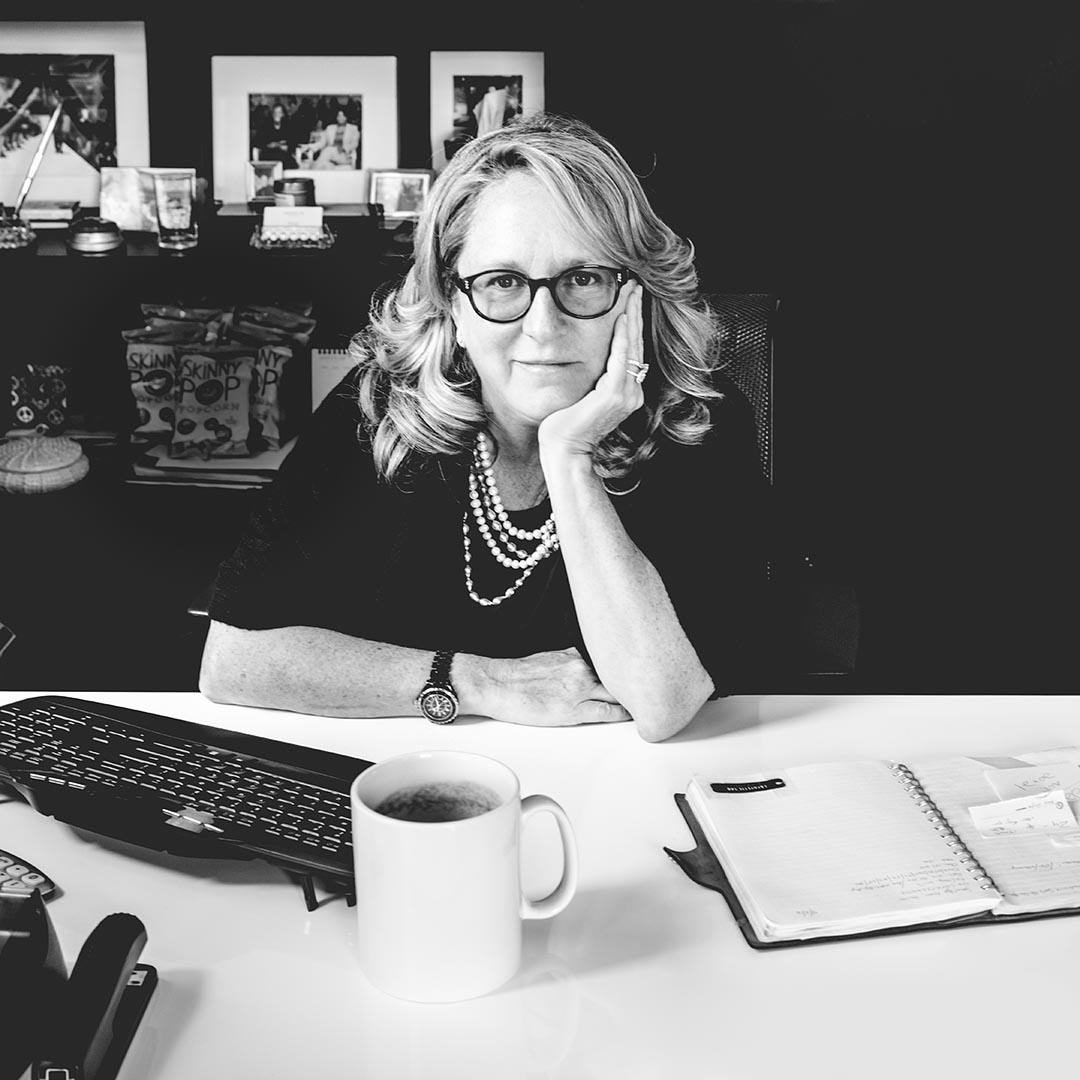
Luxury fashion has long acted like craftsmanship ends at a size 12. Deirdre Quinn challenged that assumption quietly and consistently.
As cofounder and CEO of Lafayette 148 New York, Quinn leads one of the few vertically integrated luxury brands, allowing full control from sketch to final garment. That control supports extended sizing up to a 24 with the same attention to detail across the board.
Quinn shared this approach with Vogue Business, emphasizing that ownership of the process ensures consistent quality and fit across all sizes.
Luxury was never too delicate for plus size bodies. It was simply never designed with us in mind.
Karoline Vitto
Disrupting the Runway and Redefining Who Gets Celebrated
If Fashion Week has rules, Karoline Vitto is not interested in following them.
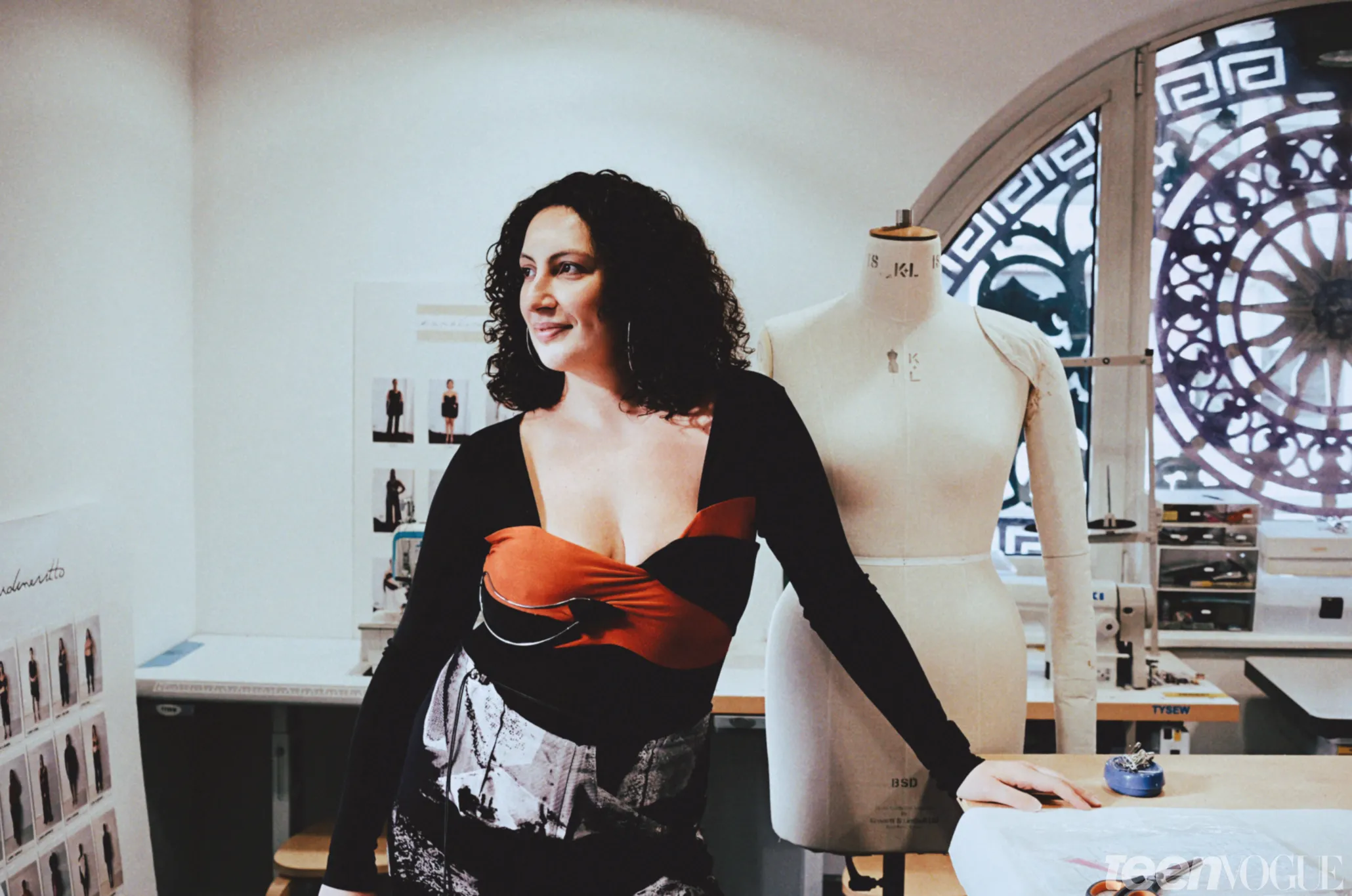
The Brazilian designer sends bodies from small through 4XL down luxury runways in garments that are sensual, architectural, and unapologetic.
“I wanted to be as representative as possible because fashion should reflect real bodies,” Vitto told Teen Vogue.
When plus size bodies show up confidently in high fashion spaces, it does not just challenge norms. It rewrites expectations.
Beyond Yoga and Michelle Wahler
Activewear That Actually Moves with Us and Why Levi’s Took Notice

Michelle Wahler cofounded Beyond Yoga in 2005, long before inclusive activewear became fashionable language.
Beyond Yoga offered sizes from XS through 4X, fully integrated across collections. No delayed launches. No limited colors. No separate sections.
That approach built deep loyalty. Comfort, softness, and movement were non negotiables, not perks.
When Levi Strauss & Co. acquired Beyond Yoga in 2021, analysts pointed to its inclusive positioning and loyal customer base as key drivers of the deal, according to Business of Fashion
Levi’s had already expanded women’s sizing up to a 24 in select styles. Beyond Yoga offered proof that inclusion, done well, strengthens brand equity.
Why These CEOs Are Winning
Plus Size Women Were Always the Market
Plus size women did not suddenly appear because social media got louder. We were always here.
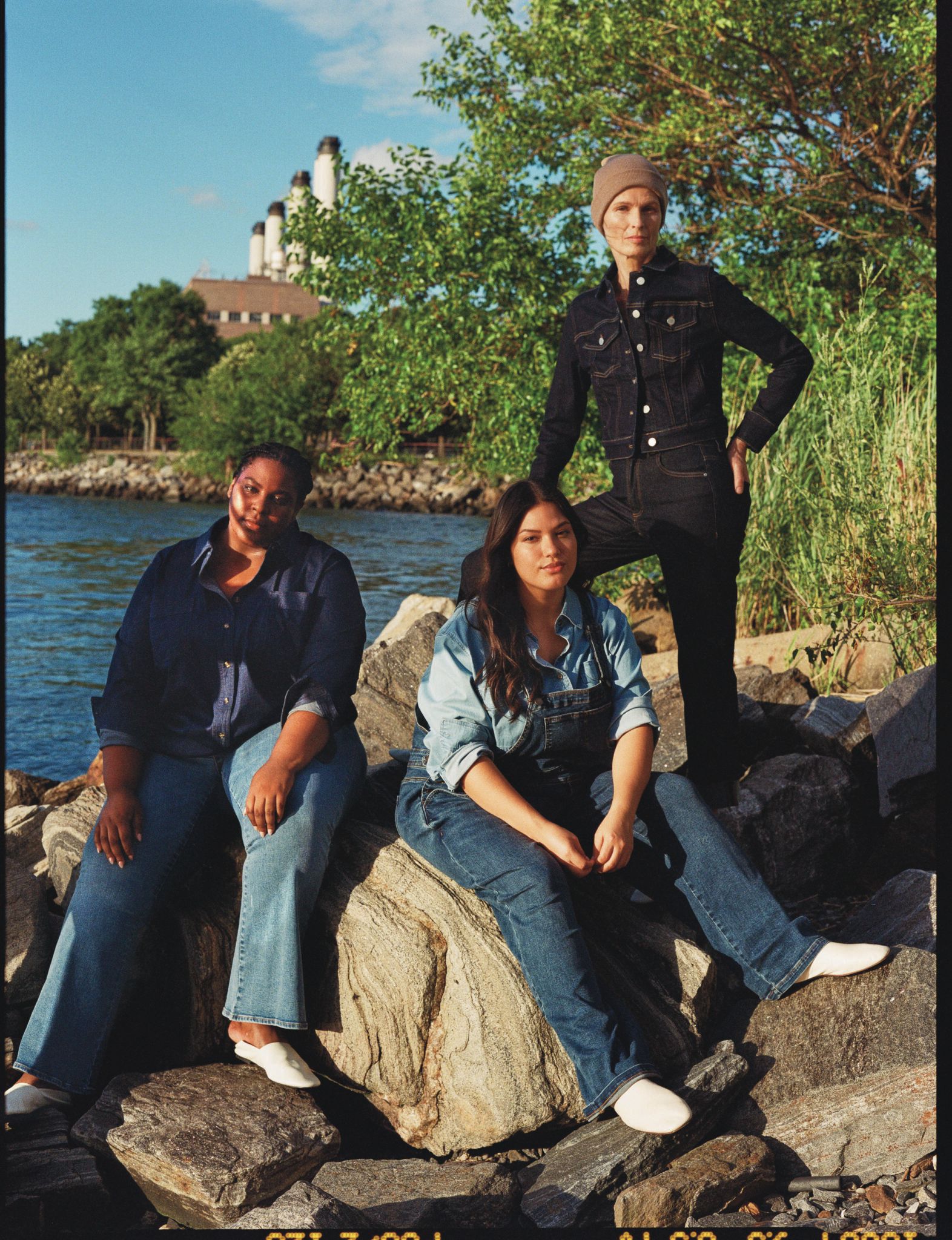
According to the CDC, the average American woman wears between a size 16 and 18. Yet a report from The Fashion Spot found that less than 1 percent of runway looks feature plus size models.
That disconnect is not accidental. It is the result of long-standing business decisions.
But, according to McKinsey, brands that align inclusion across product, marketing, and leadership see stronger customer loyalty and engagement.
Which explains why these CEOs are not just winning sales. They are building communities.
Let’s Name What Was Really Happening
Sizeism, Classism, and Fatphobia Were Built into the Business Model
Exclusion in fashion was not accidental. It was strategic.
Thinness was positioned as aspirational and elite, while fatness was framed as a personal failure. That belief system shaped who brands designed for and who they believed was worth investing in.
Research published in Social Science & Medicine found that people in larger bodies experience systemic discrimination rooted in cultural fatphobia rather than behavior or performance.
Researchers at Harvard University have also noted that weight bias is one of the few socially acceptable forms of discrimination, allowing industries to justify exclusion without consequence
Luxury fashion used exclusivity as a status signal. When thinness became part of that equation, access to style quietly became tied to social value.
Writer and activist Virgie Tovar has written extensively about how fatphobia reinforces class and desirability hierarchies rather than health.
That framing explains why plus size women were offered basics while straight size customers received fantasy and experimentation.
Why This Is Changing Now
The data does not support the bias.
The bodies fashion excluded were never marginal. They were mainstream.
What changed was who was in power and who was willing to question inherited beliefs. These CEOs asked a different question. What if the real risk was continuing to ignore plus size women?
Once thinness stopped being treated as synonymous with value, everything else shifted. Fit models expanded. Size ranges grew. Marketing diversified. Revenue followed.
Tapestry and Joanne Crevoiserat
What Inclusivity Looks Like Inside a Legacy Fashion Company
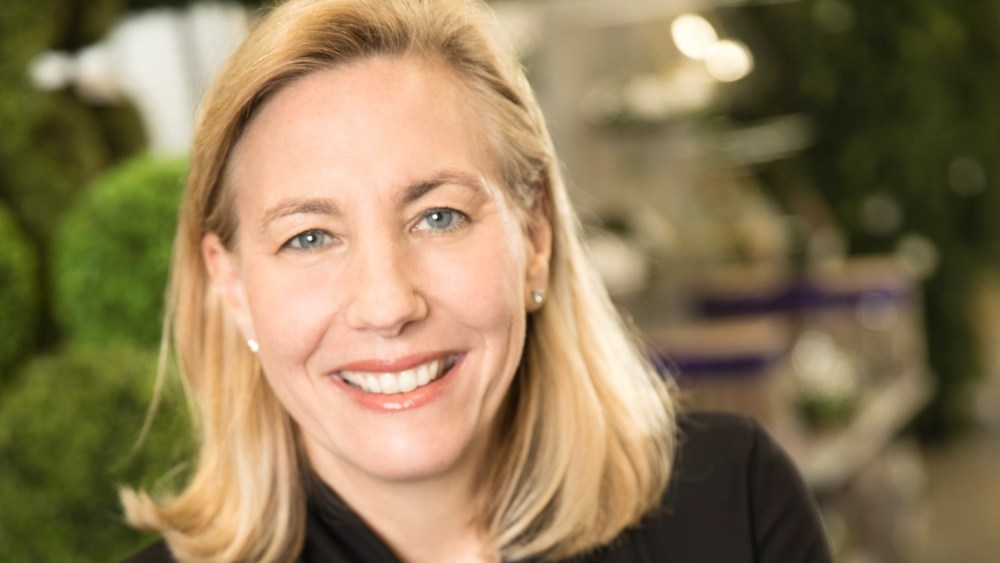
Under Joanne Crevoiserat’s leadership, Tapestry reframed inclusion as a growth strategy, not a seasonal initiative.
Brands like Coach and Kate Spade expanded customer definitions, diversified marketing imagery, and invested in personalization and omnichannel experiences.
Crevoiserat emphasized designing for real customers in interviews covered by Harvard Business Review. This is what inclusion looks like when it is structural. Less flashy. More durable.
The Future of Size Inclusive Fashion
These size inclusive fashion CEOs did not respond to a trend. They corrected a failure.
They proved inclusion works when it is intentional, integrated, and led from the top.
The question is no longer whether plus size fashion is profitable.
The question is how many brands are willing to admit they were late and finally catch up.
Because plus size women are done waiting. And we are watching who shows up next.
MORE TCF GAMES