
You ever look at your bank statement and think, why is simply existing so expensive?
Not luxury shopping expensive. Not splurging-on-a-whim expensive. Just… living.
Because here is the part nobody really breaks down. Being plus size in America does not just come with opinions and unsolicited advice. It comes with invoices. Receipts. Extra line items that somehow never apply to anyone else. So, can we get into the hidden costs of being plus size?
I used to think it was just me being dramatic. Then I started paying attention. Then I started researching. And that is when it clicked. I was not imagining it. I was not alone. There is a very real, very consistent cost attached to living in a plus size body.
Let’s talk about it.
This Is Not a Fringe Experience, It’s a Daily Reality for Millions
Did you know that more than 60 percent of adults in the United States wear plus size clothing?
That means when we talk about extra costs tied to travel, healthcare, furniture, transportation, or insurance, we are not talking about a niche group.
We are talking about tens of millions of people navigating a higher cost of living simply because everyday systems were not built with their bodies in mind.
That context matters, because this is not about personal choices. It is about scale.
The Clothing Price Gap That Never Made Sense
Let’s start with the most familiar one. Clothes.
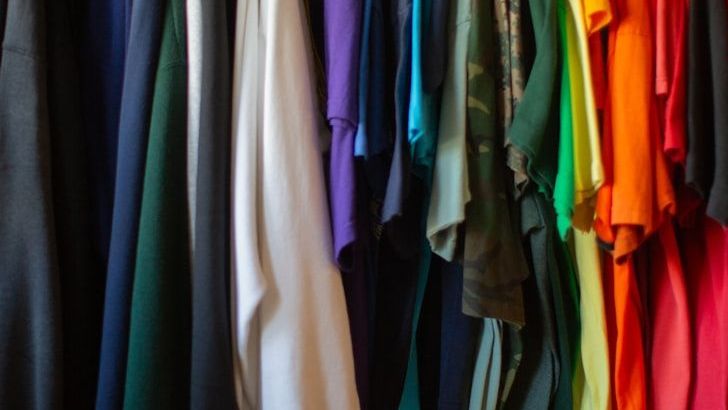
If you have ever watched the price increase the moment you selected a larger size, you already know the feeling. Same garment. Same design. Same fabric. Higher cost.

Brands often explain this away with “extra fabric” or “production complexity,” but that explanation falls apart quickly. Shoe prices do not change by size, even though larger sizes require different molds, materials, and engineering.
As author and journalist Aubrey Gordon has pointed out:
“When companies charge more for larger sizes, it’s not about fabric. It’s about what they think our bodies are worth.”
The result is a clothing budget that quietly stretches further for plus size shoppers, season after season, without offering more value in return.
Flying While Plus Size Is Still a Financial Gamble
Let’s clear something up, because this matters.
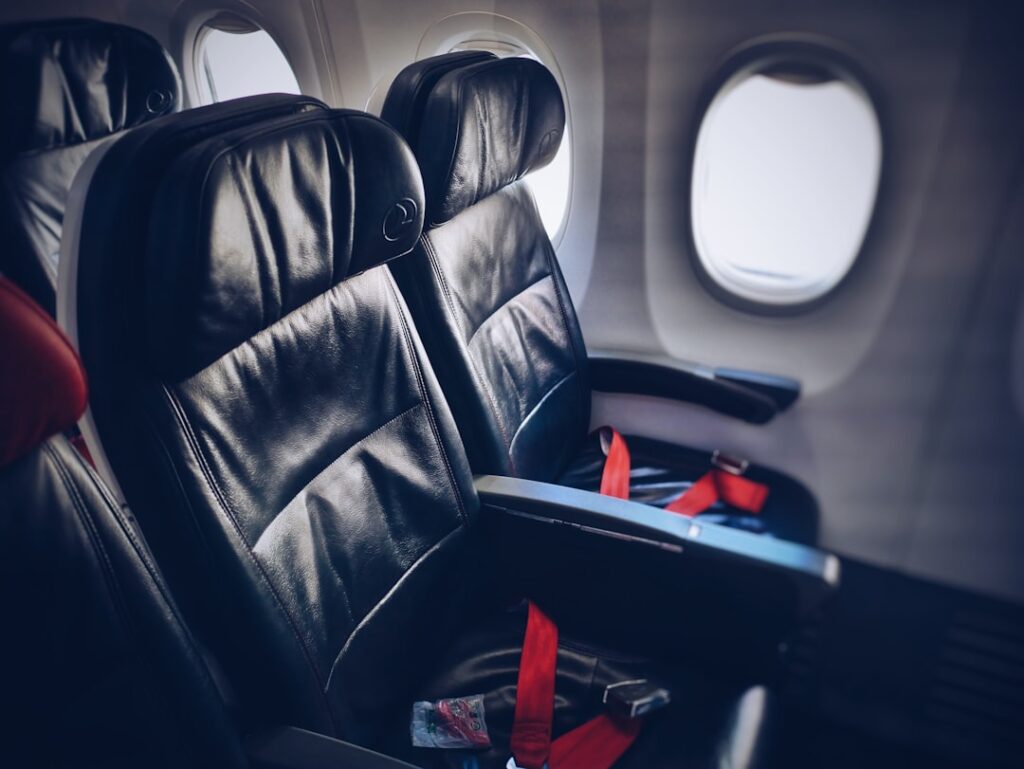
For years, Southwest Airlines was often cited as the more size inclusive option thanks to its Customer of Size policy, which allowed passengers to purchase an extra seat and receive a refund if the flight was not sold out.
But that policy quietly changed last year.

As of 2023–2024, Southwest updated its approach, shifting how and when extra seats are refunded and placing more responsibility on passengers to self-identify and navigate the process in advance. While refunds are still possible, they are no longer positioned as a guaranteed, friction-free option, and travelers must often engage directly with gate agents or customer service to resolve seating needs.
In other words, the financial and emotional labor is still very much on the plus size traveler.
Other airlines, including United Airlines, continue to require passengers who cannot fit within a single seat to purchase an additional one in advance, with no universal refund policy in place.
So, while policies have shifted on paper, the lived reality has not changed nearly enough. Plus size travelers are still paying more, planning more, and stressing more just to get from Point A to Point B.
Writer and fat activist Virgie Tovar summed it up best:
“When systems require us to prepay for dignity and comfort, that’s not accommodation. That’s exclusion with extra steps.”
And that is the real takeaway here. Even when policies evolve, the cost burden often remains quietly intact.
Healthcare That Costs More and Delivers Less
Healthcare is another place where the hidden costs stack up fast.
Standard medical equipment often does not accommodate larger bodies. Gowns that do not close. Blood pressure cuffs that read inaccurately. Exam tables that feel unsafe.

When appropriate equipment is unavailable, patients are either referred elsewhere or charged extra for specialized care. According to reporting from Kaiser Health News, lack of size inclusive equipment contributes to delayed diagnoses and higher long term healthcare costs for fat patients.
So yes, healthcare is expensive. And then, for many plus size people, it becomes more expensive again.
The Pay Gap Nobody Likes to Name
Did you know the money gap starts long before we even get to the checkout line?
When I started digging into this, I realized I was not imagining it and neither are you. Plus size women are not just paying more, many of us are also earning less to begin with.
A study published in Economics & Human Biology found that plus size women earn significantly less over their lifetimes than their straight sized peers, even when education, experience, and job type are the same.
Read that again. Same qualifications. Same work. Smaller paycheck.

And that gap does not just show up on payday. It shows up later, quietly but consistently. Smaller retirement savings. Fewer home ownership opportunities. Less financial cushioning for healthcare, emergencies, or career pivots.
Which means when we talk about the hidden costs of being plus size, we cannot ignore this part. Many of the extra expenses we carry are built on top of an already uneven financial foundation.
So no, it is not just that things cost more. It is that many plus size women are being asked to stretch fewer dollars further, over and over again.
And once you see that pattern, a lot of this starts to make uncomfortable sense.
Seating, Furniture, and the Price of Simply Sitting
Let’s talk about chairs, because chairs tell the truth.
Restaurant booths that pinch. Theater seats that bruise. Office chairs that give out early.
Plus size people often have to purchase reinforced furniture for home and work, which can cost two to three times more than standard options. In public spaces, accessible seating is frequently limited to premium sections or requires advance planning.

That means comfort, safety, and participation often come with an added price tag.
Insurance Premiums That Quietly Climb
Insurance is another category where body size quietly impacts monthly expenses.
Many health and life insurance policies use BMI as a pricing factor, even though major medical organizations have acknowledged it as an imperfect and outdated metric.
The American Medical Association has publicly stated that BMI does not accurately measure individual health.
And yet, higher premiums tied to weight remain common.
Transportation Costs Beyond Airplanes
Public transportation is not always designed with larger bodies in mind, which pushes many people toward ride shares or personal vehicles.
That comes with additional expenses like seat belt extenders, reinforced seating, or steering wheel adjustments. These modifications can cost thousands over time and are rarely optional.
Transportation becomes another quiet category where plus size people pay more just to move through the world.
Fitness and Wellness, With an Ironic Price Tag
Fitness is often framed as the solution, but access is rarely affordable.
Equipment designed for larger bodies costs more. Gyms with appropriate machines charge higher membership fees. Trainers experienced with plus size clients often come at a premium.
As yoga teacher Jessamyn Stanley has said:
“Accessibility isn’t motivation. It’s infrastructure.”
This Is Not a Fringe Experience, It’s a Daily Reality for Millions
Here’s what really put this into perspective for me while I was pulling this together.

Millions of people are navigating these extra costs every single day, quietly, repeatedly, and without much acknowledgment. This number aligns with data from the Centers for Disease Control and Prevention, a metric that closely overlaps with the population requiring plus size apparel and accommodations.
So, when we talk about higher travel costs, more expensive furniture, pricier insurance premiums, limited healthcare equipment, or paying extra just to exist comfortably in public spaces, we are not talking about edge cases.
We are talking about a massive portion of the population absorbing a higher cost of living simply because systems were never built with their bodies in mind.
And that is what makes this conversation unavoidable.
Because when nearly half the country is paying more to move, sit, travel, dress, and live, that is not a personal problem. That is a structural one.