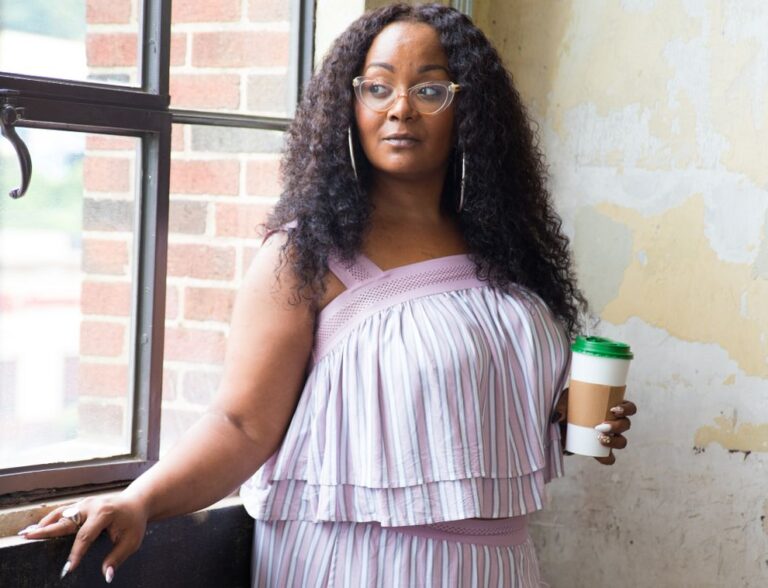

Confidence is supposed to feel empowering. Instead, for a lot of plus size women, confidence in a thin obsessed world feels conditional.
Conditional on weight.
Conditional on progress.
Conditional on how much space you take up that day.
For a long time, I thought that meant I needed more work. More discipline. More self-control. More confidence practices stacked on top of each other like a personality to do list.
Then I started asking a different question.

What if confidence feels hard because we are trying to build it inside a system that benefits from us doubting ourselves?
Once you see that, everything starts to shift.
The Pressure to Be Thin Was Never an Accident
At some point, I stopped wondering if this pressure was imagined and started looking at who profits from it.
It turns out the U.S. weight loss industry pulls in tens of billions of dollars every year, according to reporting from Harvard Health Publishing. Globally, the diet industry has been valued at over $250 billion, as tracked by Statista.
That kind of money does not come from women feeling confident, complete, and at home in their bodies. It comes from dissatisfaction. From the promise that confidence will arrive after one more plan, one more app, one more restart.
So, if confidence has always felt just out of reach, it is not because you are failing. You are navigating a system designed to keep you searching.
Your body was never the problem. It was the business model.
How Diet Culture Undermines Confidence in a Thin Obsessed World
Diet culture does not always announce itself.
Sometimes it shows up as concern.
Sometimes it looks like wellness.
Sometimes it sounds like discipline, control, or “just wanting to be healthy.”
Anti diet dietitian and author Christy Harrison explains that diet culture is a belief system that elevates thinness, assigns moral value to bodies and food, and ties weight to worth and health without evidence.
Once you understand that, you start seeing it everywhere. In compliments that come with conditions. In conversations that quietly turn into body audits. In advice no one asked for.
Learning to spot diet culture is not about becoming cynical. It is about becoming fluent. You cannot opt out of a system you do not recognize.
This Pressure Starts Earlier Than We Like to Admit
For a long time, I thought body confidence issues showed up later. You know, after adulthood hits. After dating apps. After social media, jobs, stress, and mirrors in fitting rooms with bad lighting.
But when you really look at it, this story starts way earlier.
Before most girls even know what diet culture is, they already know they are supposed to be smaller.
Groups like the National Eating Disorders Association have shared that around 40 percent of girls between the ages of five and nine already say they want to be thinner. Five. To nine. Years. Old.
That is not a personal insecurity problem. That is a messaging problem.
And it only gets louder with age. Researchers publishing in Psychology of Women Quarterly found that by thirteen, more than half of girls are unhappy with their bodies. By seventeen, that number jumps to nearly eight in ten.
Sit with that for a second.
By the time most of us are old enough to articulate what feels off, we have already spent years absorbing comments, comparisons, compliments with conditions, and silence that taught us our bodies were up for evaluation.
So, when confidence feels hard now, it is not because you missed a step or failed to love yourself correctly.
You were taught to question your body long before you ever questioned yourself.
And unlearning that was never supposed to be easy.
Confidence Grows with Compassion, Not Criticism
Confidence does not respond well to bullying, especially when it comes from your own inner voice.
Psychologist Kristin Neff, whose work focuses on self-compassion, has found that treating yourself with kindness rather than criticism is associated with greater emotional resilience and body satisfaction.
Think about how you speak to your body when no one else is listening.
Would you say those things to someone you love
Would you expect confidence to grow in that environment
Confidence is not built through punishment. It is built through safety. Respect. Trust.
Small Daily Practices That Actually Shift the Story
Confidence is not built in a single breakthrough moment. It is built in the small, boring, everyday repetitions we rarely give credit for.
Here is what most people do not tell you. Your brain is always paying attention, even when you think you are just “being hard on yourself.” The way you speak to your body, the assumptions you make about how you look, the stories you repeat in your head all of that becomes familiar over time.
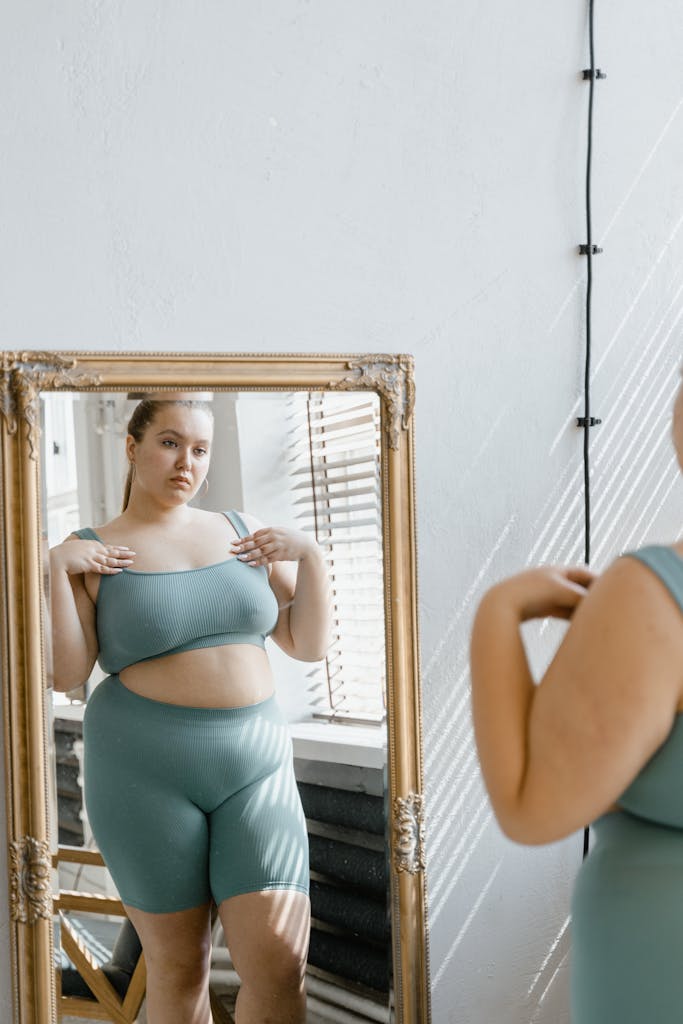
Neuroscientists refer to this as neuroplasticity, which is just a fancy way of saying your brain learns through repetition. The thoughts you practice most often become the ones that show up first. Researchers writing through the National Institutes of Health have shown that repeated thought patterns can strengthen certain neural pathways, making those thoughts feel automatic.
This is where people get affirmations wrong.
This is not about standing in front of a mirror trying to convince yourself you love every inch of your body when you do not. Forced positivity backfires. Your brain knows when you are lying to it.
What actually helps is neutral repetition. Language that does not hype you up or tear you down.
That might look like:
- Catching yourself before a spiral and choosing a neutral statement instead of a harsh one
- Leaving notes or reminders where you tend to be hardest on yourself
- Setting goals based on respect, care, or support rather than appearance or punishment
Think of it less as affirmations and more as retraining your internal narrator.
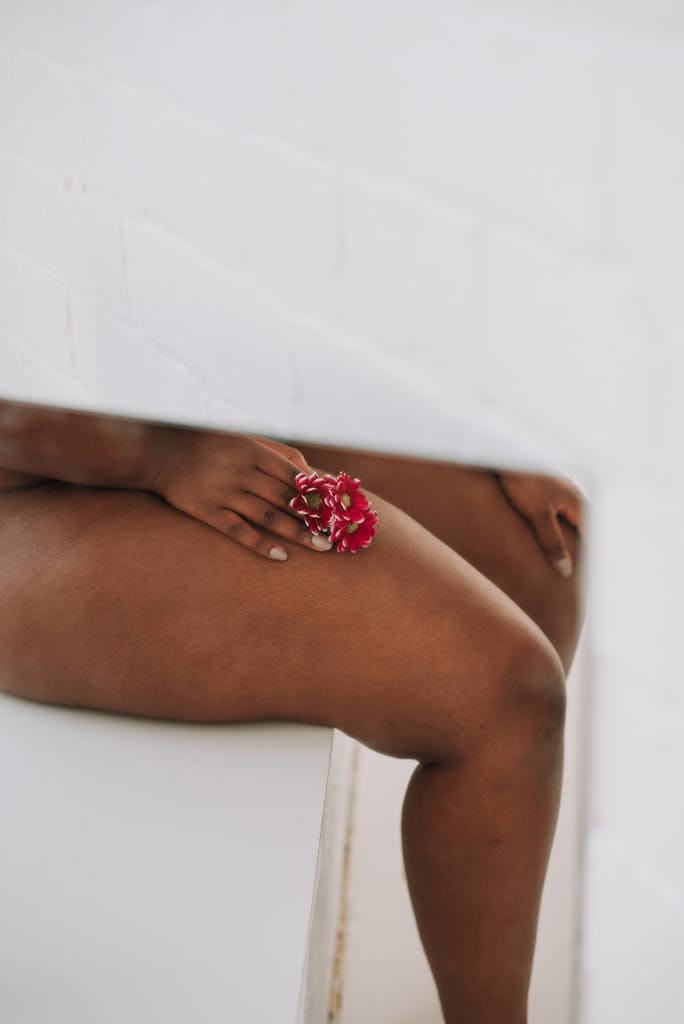
You are not trying to convince yourself your body is perfect. You are interrupting years of criticism long enough to introduce a different option. One rooted in dignity, not judgment.
Over time, those small interruptions add up. And confidence starts to feel less like something you are chasing and more like something you are slowly returning to.
Curate Your Environment Like It Matters Because It Does
What you consume consistently becomes your inner voice.
There is a reason your confidence can take a hit after a long scroll. Research has consistently shown a connection between increased social media use and higher levels of body dissatisfaction, especially on platforms built around images.

This does not mean social media is the enemy. It means your feed matters.
If an account leaves you feeling behind, ashamed, or like confidence is something you have not earned yet, it is not inspirational. It is draining.
Following plus size creators living full, visible lives is not avoidance. It is alignment.
Confidence grows faster in environments that stop questioning your right to take up space.
Shift the Focus from Form to Function
Your body is not a decoration. It is a collaborator.
At some point, it became obvious that the moment I stopped obsessing over how my body looked and started paying attention to what it could actually do, everything felt lighter. I was not alone in that shift either. Psychologists have found that focusing on function over appearance is linked to better psychological wellbeing.
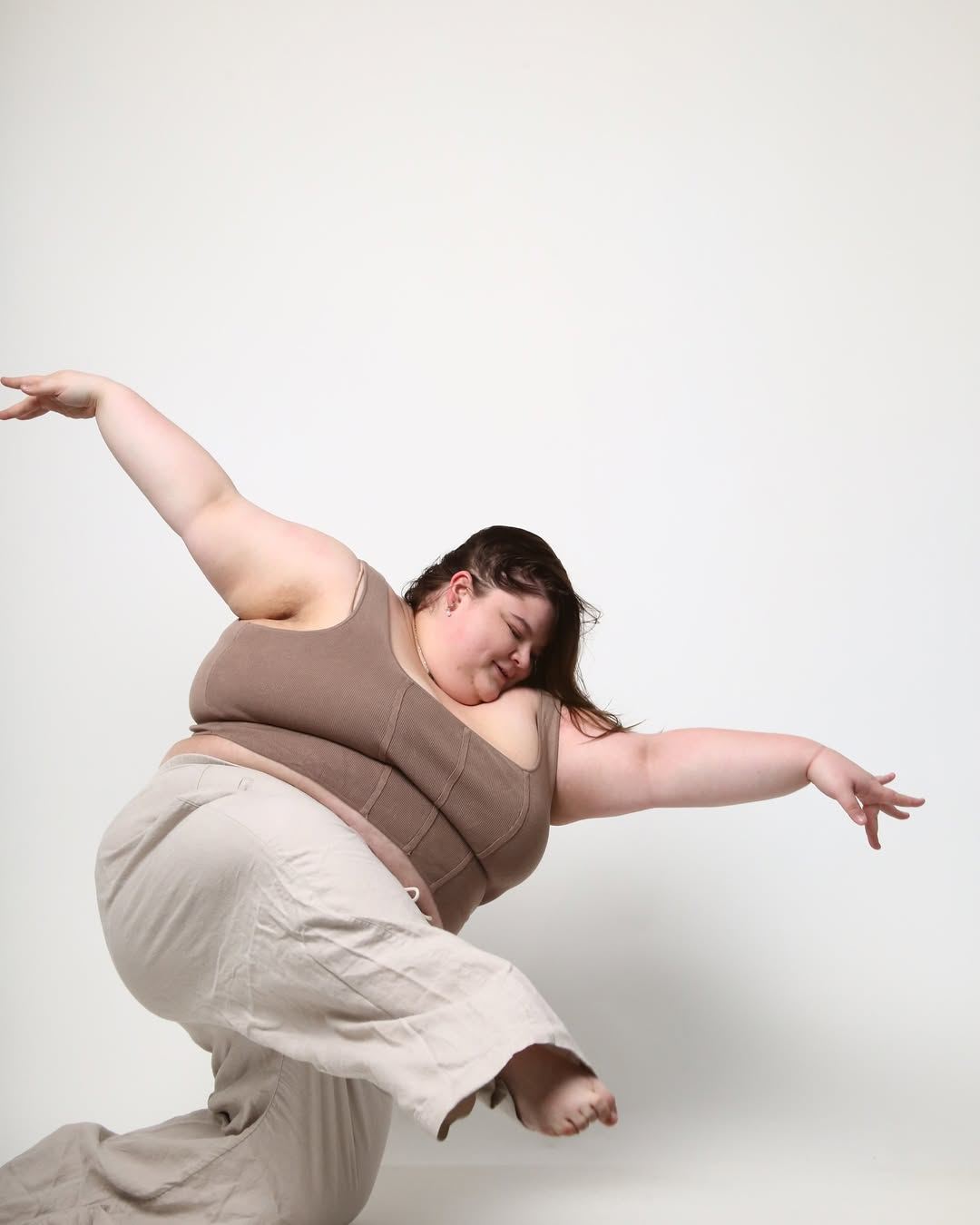
Instead of asking what your body looks like, try asking:
- How does my body support my life today
- What movement feels grounding or joyful
- What helps me feel present
Confidence grows when your body becomes a partner, not a project.
Set Boundaries and Protect Your Peace
You are allowed to opt out of conversations centered on diets, weight loss, or body criticism.
You can change the subject.
You can say you are not interested.
You can protect your peace.
Therapist and writer Nedra Glover Tawwab reminds us that boundaries are not about controlling others. They are about honoring yourself.
Confidence does not require participation in every conversation.
Body Neutrality Is a Valid Place to Begin
If loving your body feels like too much some days, you are not failing.
This is where body neutrality enters the conversation.
The framework was popularized by Connie Sobczak, co-founder of The Body Positive, as a way to step off the exhausting cycle of loving and hating your body altogether.
Body neutrality does not ask you to celebrate your reflection or critique it. It gives you permission to let your body exist without commentary.
Researchers writing in the journal Body Image have found that reducing appearance monitoring can lower body related anxiety and self-surveillance.
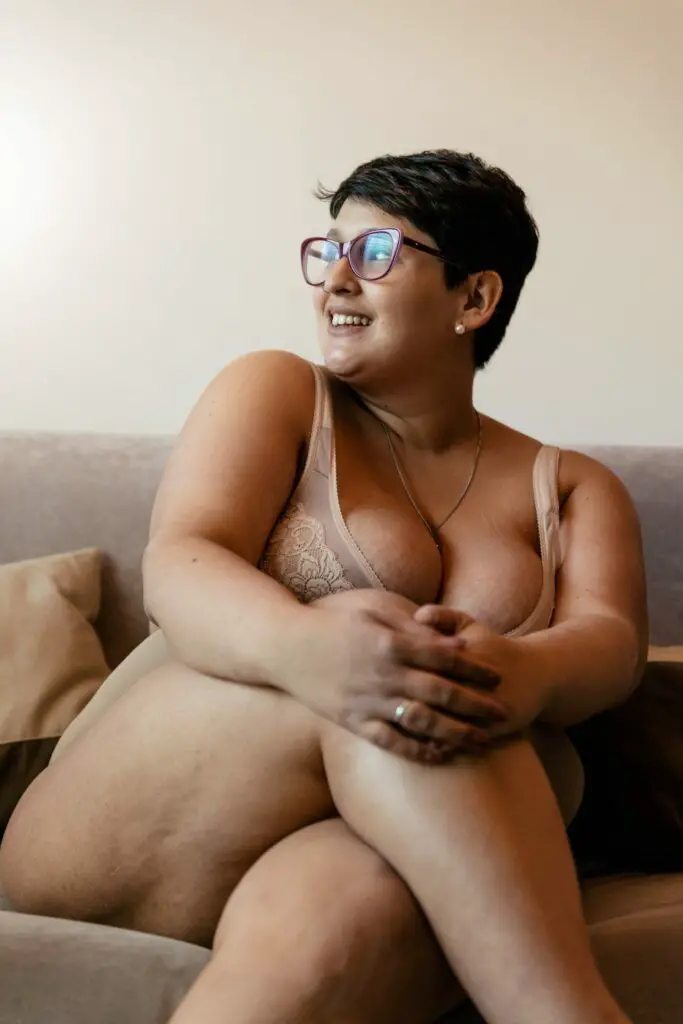
In real life, body neutrality sounds like this:
My body is allowed to exist today.
I do not owe it love or punishment.
I can live my life without grading my reflection.
For many plus size women, that space feels like relief. And sometimes, that quiet is where confidence begins.
Do the Thing Before You Feel Ready
Confidence often arrives after action, not before it.
Wear the dress.
Go to the event.
Show up fully.
You do not have to wait until you feel fearless. You only have to be curious enough to try.
Your life does not begin after confidence arrives. Confidence is built by living.
The Truth That Actually Matters
Building confidence in a thin obsessed world is not about fixing yourself. It is about refusing to participate in a system that profits from your insecurity.
There will be good days and harder ones. That does not mean you are going backward. It means you are human.
Your body has carried you through everything you have survived.
That alone deserves respect.
And confidence
real confidence
grows when you finally stop asking for permission to exist.