
You wake up tired.
You go to bed tired.
Somewhere in the middle, you handle everything anyway.
I know this rhythm intimately, because I lived it. I did not even realize these plus size burnout signs. For a long time, I thought this level of exhaustion was just the cost of ambition. Of wanting more. Of being a plus size woman determined to build, lead, and show up even when it felt hard. I did not call it burnout at first. I called it survival.
What I did not realize until later was that I was living in constant survival mode. Running on adrenaline. Powering through. Ignoring the signs. That constant push eventually caught up to me in ways I could no longer talk myself out of, including deep burnout and some very real bouts of depression.
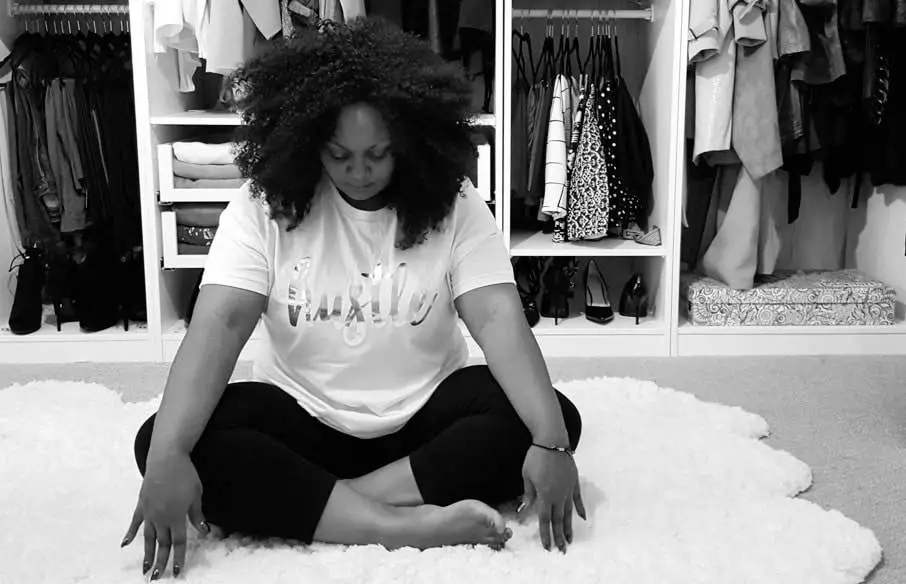
I am sharing this with you not as someone who has it all figured out, but as someone who has had to move through every one of these moments with intention. I am talking about it with you because I have navigated it, slowly and imperfectly, and found my way back to myself. If you see yourself in any of this, you are not weak and you are not failing. You are responding to pressure the only way you knew how.
This one is for my over-achievers.
For plus size women trying to make it day by day.
For those holding it together while quietly hoping things turn around.
Burnout has a way of disguising itself as responsibility, resilience, and being the one who always handles things. The pressure to show up, stay pleasant, and keep going often leaves very little room to notice when your energy is slipping.
Here is how running on empty usually shows up.
6 Plus Size Burnout Signs and How to Refill When the World Keeps Asking for More
Your Body Starts Whispering, Then Escalates
Burnout rarely starts loud. It settles in slowly, often physically, before you ever name it mentally.

Tension that never quite releases. Headaches that feel familiar. Sleep that looks fine on paper but never feels restorative. Over time, stress has a way of settling into the body, showing up as tight muscles, disrupted sleep, and lowered immunity that lingers longer than it should.
Those deep sighs you catch yourself taking throughout the day are not random. They are your nervous system trying to regulate itself under constant pressure.
Decision Making Becomes Weirdly Hard
Choosing what to wear should not feel like a major task. Yet suddenly it does.
When your mental load stays full for too long, constant decision-making drains mental energy in ways that sneak up on you. Small choices begin to feel heavy. Simple questions feel irritating. Asking someone else to decide feels like relief, not avoidance.
This is not indecision. It is depletion.

Your Emotions Feel Closer to the Surface
Everything hits harder when you are worn down.
A comment lands sharper than expected. A small inconvenience feels like the final straw. Tears come faster, frustration lingers longer, and patience feels thinner than usual.
Many women describe this stage as being tired of being strong, where emotional regulation starts to feel like another full-time job.

Heightened reactions and emotional numbness can exist at the same time. Both are signs that your system has been running in survival mode for too long.
Productivity Starts Playing Games
You sit down to work, but your brain feels foggy. Starting takes longer. Finishing feels harder than it used to.
Burnout does not erase your ability. It interrupts access to it. Focus, memory, and motivation tend to slow down when emotional energy is depleted, even if your workload has not changed. What makes this worse is the self-pressure to push harder instead of recognizing what is happening.
Burnout is not personal failure.
Social Energy Feels Expensive
Socializing starts to feel like work.

Making conversation. Responding thoughtfully. Being present. All of it requires energy, and when reserves are low, even enjoyable interactions can feel draining. Cancelling plans becomes tempting. Messages sit unanswered. You might notice yourself pulling back, not because you do not care, but because engagement costs more than you currently have.
This shift is common during emotional exhaustion. It is not a personality change. It is self-preservation.
Your Inner Critic Gets Louder
Burnout hands the mic directly to your harshest thoughts.
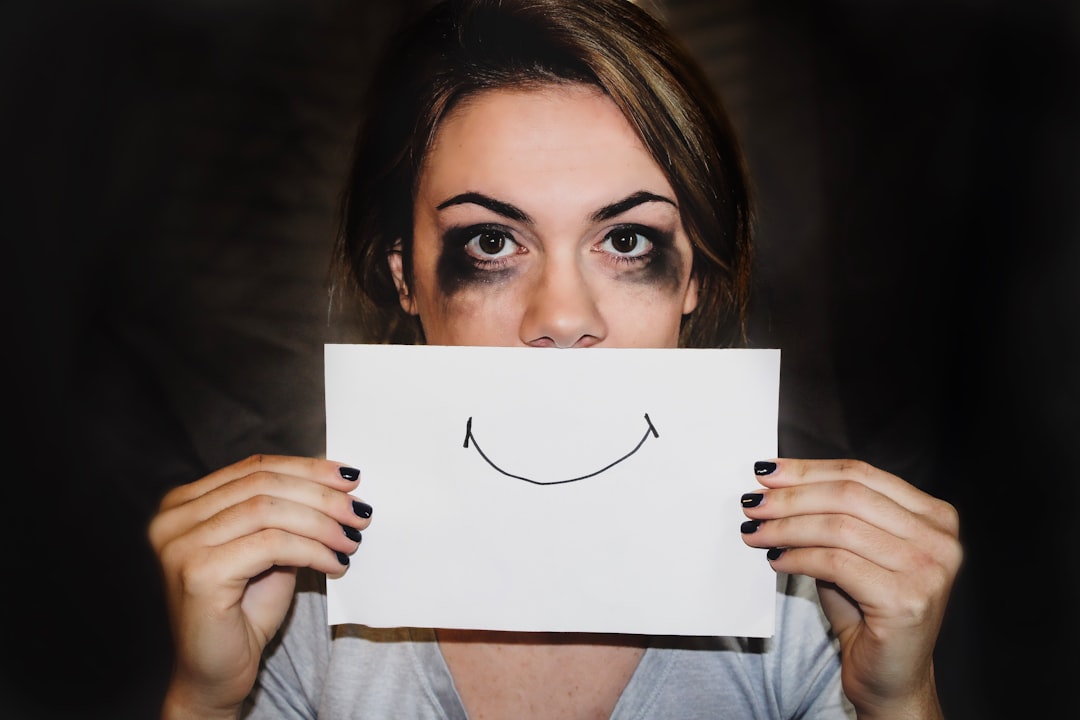
Suddenly everything feels inadequate. You replay mistakes. You raise the bar impossibly high. Rest starts to feel like something you have to justify.
The problem is that rest is not something you earn, and self-criticism does not refill what burnout drains.
Pressure depletes. Compassion restores.
Refilling Starts Smaller Than You Think
Recovery does not require a full life reset.
It starts with sleep becoming protected instead of negotiable.
With saying no without explaining yourself into exhaustion.
With moments of joy that feel intentionally small but deeply grounding.

Short breaks, real rest, and reduced pressure have been shown to meaningfully support recovery from burnout over time. The nervous system does not need a dramatic overhaul. It needs consistency.
You do not refill by doing more. You refill by allowing less to drain you.
The Truth Plus Size Women Rarely Get Told
The world will always ask for more.
Your labor. Your empathy. Your time. Your energy.
But exhaustion is not proof of worth, and burnout is not ambition wearing a trench coat.
Rest is not quitting.
Boundaries are not selfish.
Choosing yourself does not mean letting anyone else down.
Running on empty is information. And once you listen to it, you get to decide what comes next.
Ascend is not about pushing through exhaustion or pretending you are fine. It is about rising with intention.
When you recognize these signs early, you give yourself the power to reset, realign, and move forward with confidence instead of collapse. These tools exist so you can stay connected to yourself while you grow, not disappear in the process.
So, tell me…
What is the first sign you usually ignore when your tank is low?
Let us talk about it.
MORE TCF GAMES